



Antique Lead Statue
These heavy figures are what an antique lead statue brings to a garden or terrace, offering enduring garden ornaments shaped by centuries of weathering.
Antique Lead Statue
An antique lead statue brings traditional charm to a garden, often taking the form of garden statues, garden sculptures, or smaller decorative figures. When searching for an antique lead statue, buyers most frequently encounter pieces spanning from the Georgian and Victorian eras through to the mid twentieth century.
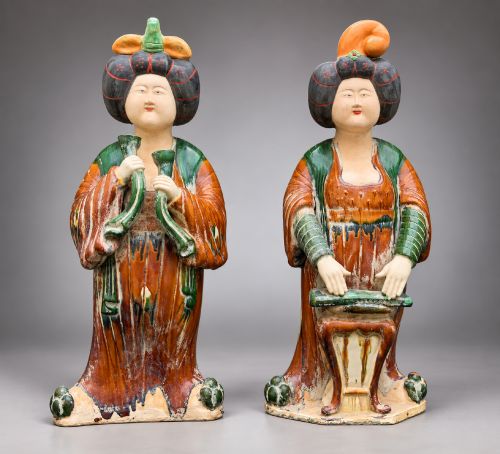
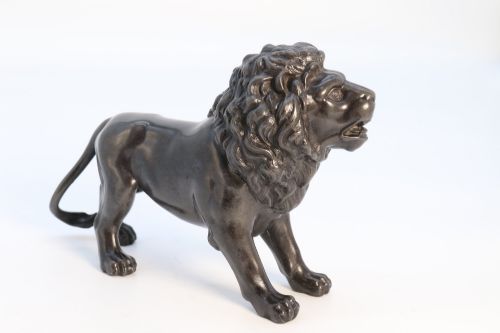
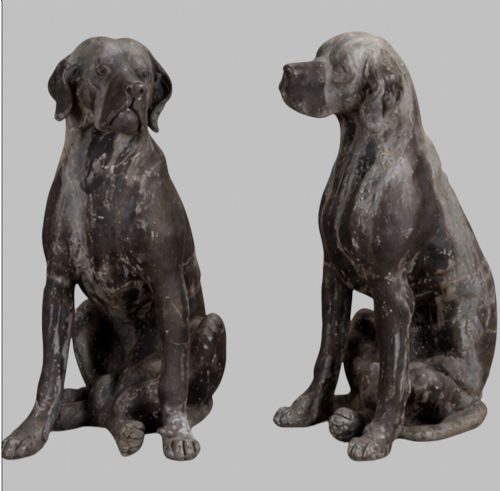
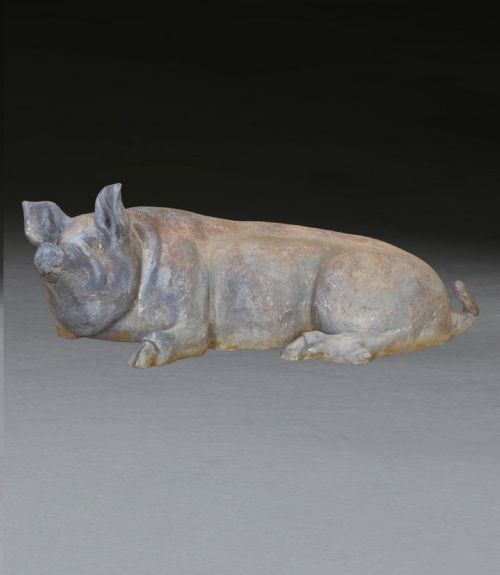
The subjects range from classical garden putti and seated hounds to whimsical figures such as thinking monkeys, satyr musicians, and historical monarchs like Henry VIII. These objects serve as focal points in outdoor settings, weathering naturally over time to develop a characteristic grey patina.
How they were made
Many of these pieces are produced as cast lead, poured into moulds to create solid, heavy forms that withstand outdoor elements. Artisans also utilised enamel paint on certain figures to add surface detail and colour before natural weathering took hold.
Makers shaped these heavy metals into detailed sculptures and figures, sometimes working within specific historical revivals such as Tudor or Neoclassical styles. The density of the material gives each piece considerable weight, making them stable additions to gardens and lawns.
Antique Lead Statue Retail Price Guide 2026
Typical asking prices for lead statue among the pieces listed under this phrase on Sellingantiques today, from the lower quarter to the upper quarter. They describe what is for sale here now, not the wider market.
Listings feature lead alongside related materials like earthenware, pewter, and terracotta, spanning the eighteenth to twentieth centuries.
What varies in quality
Proportion and scale also separate standard items from exceptional pairs, particularly in life-size animal studies and architectural garden ornaments. The depth and character of the surface oxidation contribute significantly to the visual appeal of a well-made example.
The Antique Lead Statue Glossary
- Cast lead
- Molten metal poured into a mould to form a durable sculpture. This technique allows for repeating complex shapes and garden figures.
- Putto
- A representation of a chubby male child, often winged, common in classical and Neoclassical garden statuary. These figures frequently appear holding objects or resting.
- Patina
- The surface oxidation and weathering that develops on lead over decades. This natural coating protects the metal and alters its colour.
- Neoclassical
- A style inspired by classical antiquity, focusing on symmetry, restraint, and historical subjects. It influences many garden figures from the Georgian and Victorian periods.
Antique Lead Statue: Frequently Asked Questions
Where should I place an antique lead statue in my garden?
These heavy figures suit placement on stone terraces, lawns, or beside garden pathways where their weight provides stability.
Positioning them near planting beds allows the grey metal to contrast pleasingly with green foliage and seasonal flowers.
How do I care for an antique lead statue outdoors?
Lead requires very little maintenance because the metal naturally resists corrosion through the formation of a protective surface layer.
Avoid using harsh chemical cleaners or abrasive brushes, as these can strip away the desirable historical patina.
Are these lead statues heavy to move?
Solid lead objects possess substantial weight due to the density of the metal, meaning larger examples require multiple people to lift.
Smaller decorative figures remain manageable to reposition around a courtyard or patio as needed.
How can I tell the age of a lead statue?
Age is determined by examining the casting technique, the style of the clothing or subject, and the depth of the surface oxidation.
Georgian and Victorian pieces often display distinct sculptural proportions compared to mid twentieth century examples.