


Antique Cherub Wall Sculpture
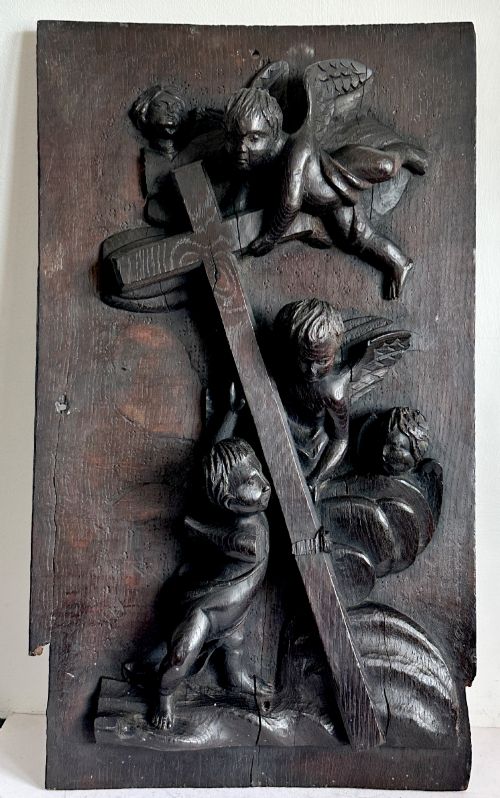
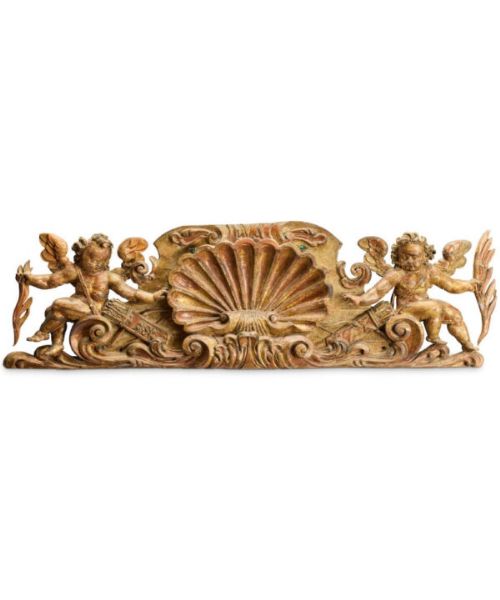
These antique cherub wall sculpture pieces are carved wooden reliefs and architectural fragments that bring classical presence and depth to a room.
Antique Cherub Wall Sculpture
An antique cherub wall sculpture takes the form of carved oak panels, architectural pediments, and individual putti or angel figures designed to mount directly onto a wall. These objects emerge from centuries ranging from the seventeenth to the nineteenth, drawing on Baroque, Victorian Neoclassical, and Gothic traditions.
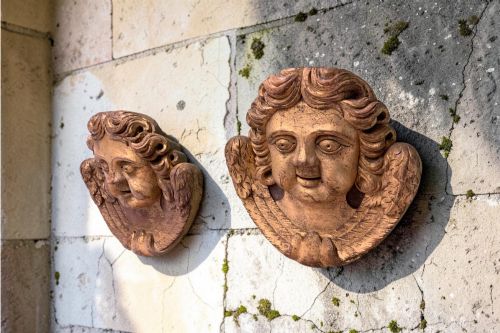
The most common examples on this page are carved wooden panels and architectural fragments, often originating from Italian altars, ecclesiastical settings, or domestic overdoor decorations. They appear as single cherub heads, full figure putti, or pairs of angels carved with distinct historical character.
How they were made
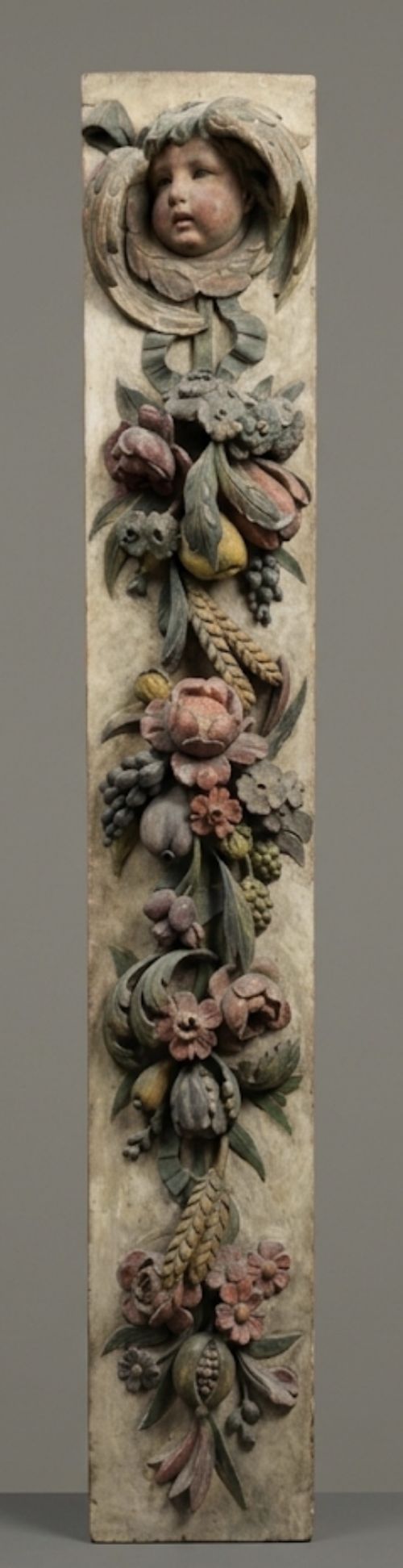
Makers shaped these sculptures primarily from solid timber such as oak and carved wood, utilising traditional hand-carving techniques to create high-relief figures. Artisans frequently applied gesso, gold leaf, parcel gilt, or polychrome paint to the wooden surfaces to enhance the visual drama.
Architectural salvage pieces and overdoor panels reflect the rigorous joinery and carving standards of seventeenth and eighteenth century workshops. Skilled hands cut, shaped, and surfaced each piece of timber before finishing it with historic decorative coatings.
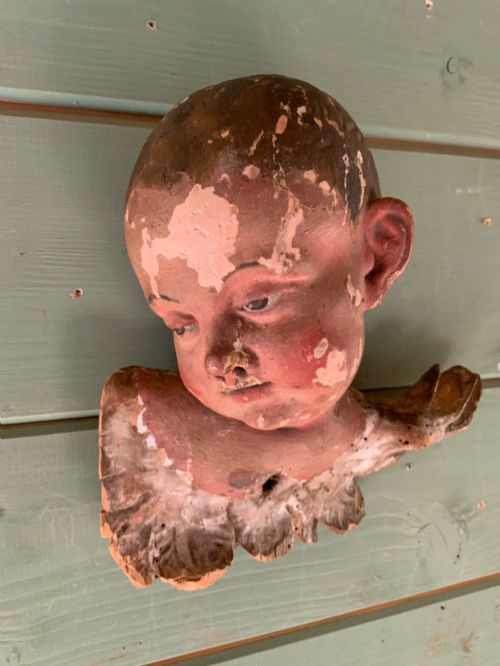
Several cherubs retain faint traces of old Italian altar paint, hinting at centuries spent watching over hushed church services.
What varies in quality
The depth and fluidity of the hand-carving define the upper tier of these sculptures, separating masterwork reliefs from simpler regional output. Anatomy, facial expression, and the crispness of wing and drapery details reveal the true skill of the original carver.
Surface preservation also dictates quality, particularly the survival of original polychrome paint, gold leaf, or parcel gilt layers beneath later wear. Pieces retaining their historic finishes command greater attention from collectors than those stripped down to bare timber.
Grinling Gibbons·Edward Pearce
The Antique Cherub Wall Sculpture Glossary
- Putto
- A figure of a small chubby male child, often winged, common in art from the Renaissance onwards. They frequently appear in church architecture and Baroque decorative schemes.
- Baroque
- An ornate artistic style originating in Europe during the seventeenth and eighteenth centuries, characterised by dynamic movement and dramatic use of light and shadow.
- Gesso
- A plaster-like mixture applied to wood surfaces as a smooth base for gilding or painting. It helps prepare intricate carvings for the application of gold leaf.
- Parcel Gilt
- A decoration technique where selected parts of an object are covered in gold leaf while other areas remain exposed wood or painted finish.
- Corbel
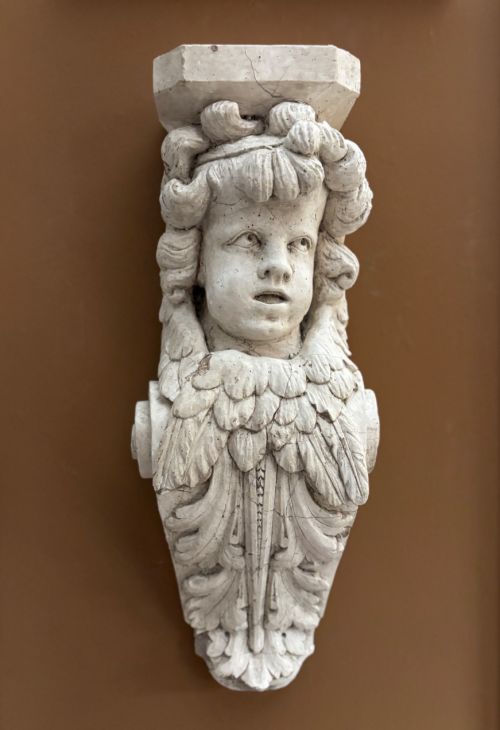
- A structural piece of stone, wood, or metal jutting from a wall to carry a superincumbent weight. In these listings, they take the form of carved wooden angel brackets.
- Pediment
- A classical architectural element consisting of the triangular section found above the entablature, often decorated with carved reliefs and figures.
Antique Cherub Wall Sculpture: Frequently Asked Questions
Where were these cherub sculptures originally placed?
These carvings typically originated inside churches, chapels, and grand domestic interiors, often mounted above doors, as part of altars, or within architectural pediments.
Craftsmen integrated them into larger woodwork schemes to add solemnity and decorative richness to the space.
How do I hang a heavy wooden wall sculpture?
Heavy oak panels and architectural fragments require secure fixing to solid wall studs or masonry using appropriate brackets and weight-bearing screws.
Consult a professional installer to ensure the structural integrity of the wall supports the substantial weight of historic timber.
How do I tell seventeenth century oak from nineteenth century pieces?
Seventeenth century pieces generally exhibit deeper patination, denser oak grain, and tool marks consistent with early hand-carving methods and period joinery.
Later nineteenth century interpretations often display softer wood types, differing surface preparation, and revivalist stylistic traits influenced by Gothic and Renaissance designs.
Should I clean polychrome paint on antique wood?
Historic polychrome paint and gold leaf are fragile and easily damaged by modern cleaning agents or excessive moisture. Dust the surface gently with a soft, dry brush and avoid harsh chemical cleaners to preserve the original finish.