



Dark Brown Wall Decor
Dark brown wall decor spans centuries of oil paintings, carved wood panels, taxidermy, and mirrors rich in tone and history.
Dark Brown Wall Decor
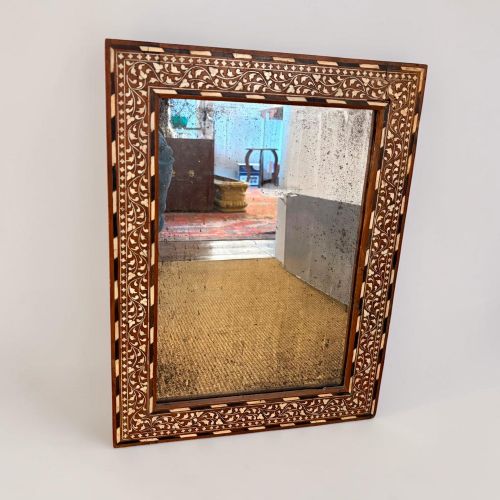
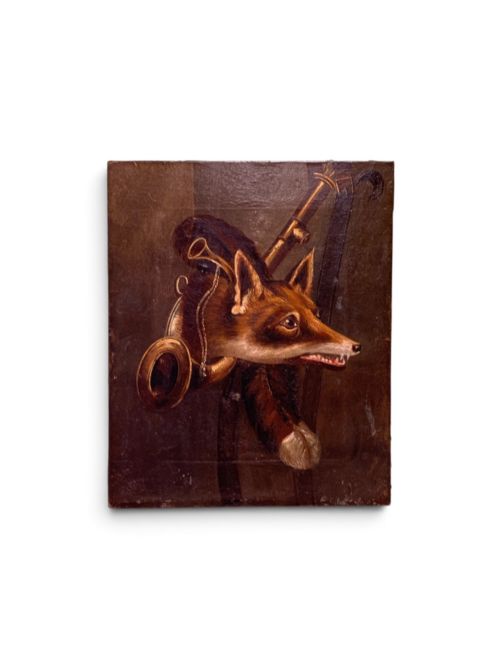
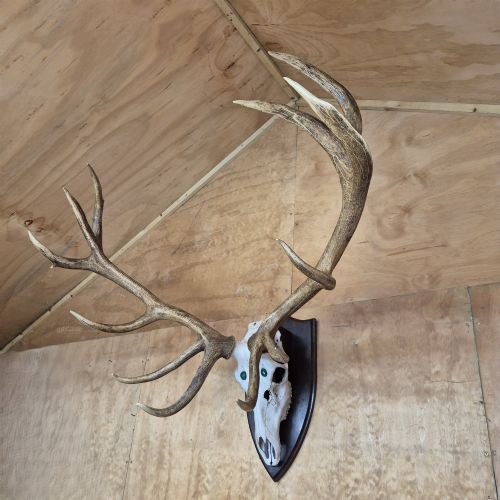
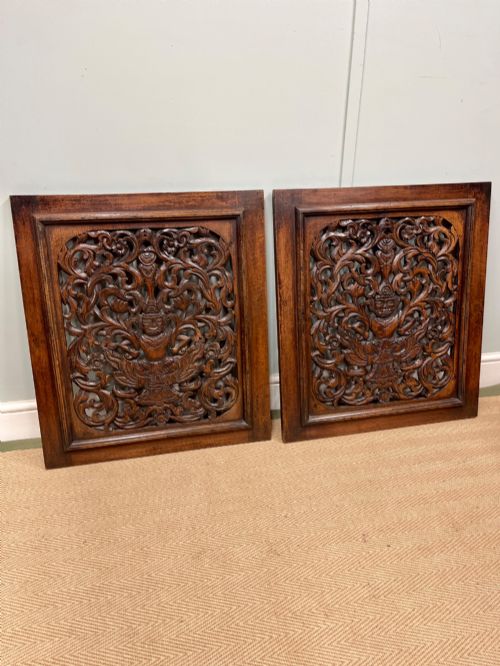
Dark brown wall decor encompasses a diverse selection of hanging objects rooted primarily in wood, oil paint, and taxidermy. Pieces range from Georgian and Victorian portraits to folk art panels and mounted antlers.
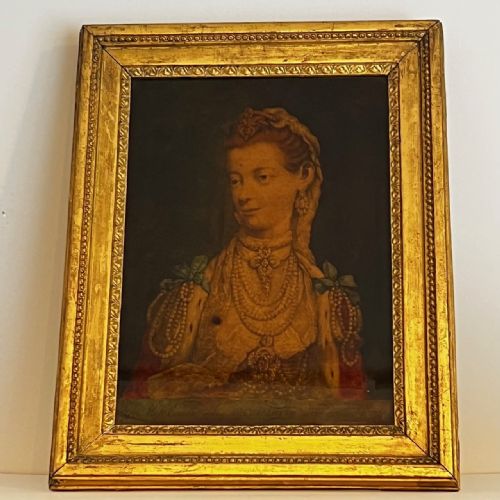
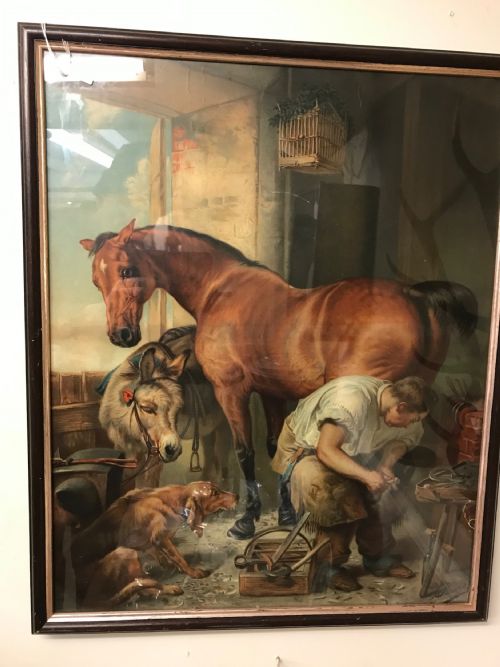
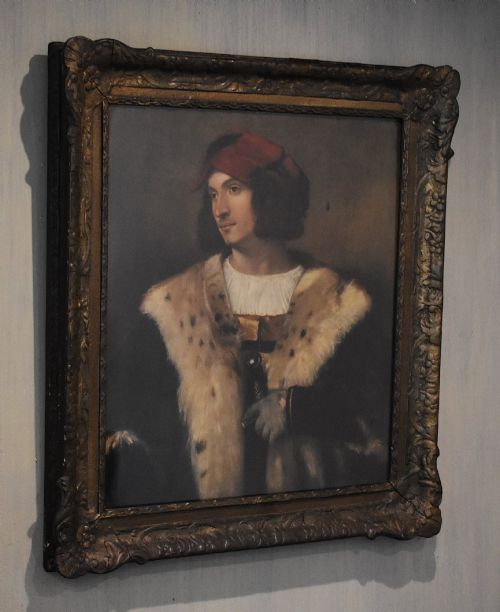
The objects take many forms, including framed oil paintings, reverse glass prints, carved architectural panels, taxidermy horns, and wall mirrors. These items span the eighteenth, nineteenth, and early twentieth centuries.
Buyers seeking dark brown wall decor will encounter substantial wooden elements, rich canvas surfaces, and dark animal mounts. These pieces bring deep, natural patinas and historical character to interior spaces.
How they were made
Paintings employ oil on canvas and wood panel, alongside reverse glass printing and paper prints. Taxidermy mounts combine animal specimens with carved wooden shields and bone elements.
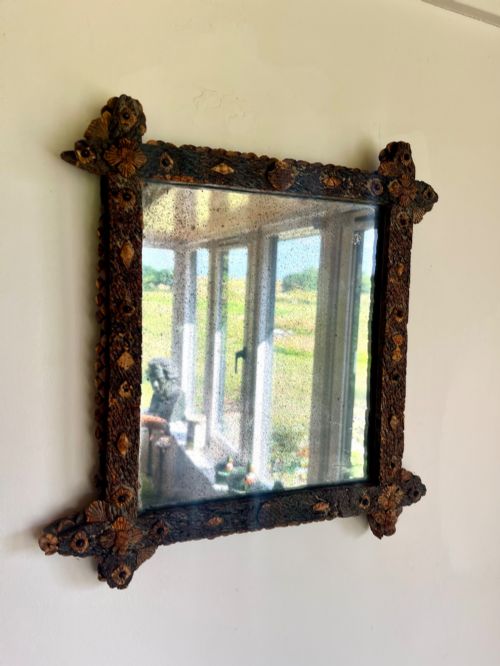
Artisans utilised specialised techniques such as tramp art construction, Leathermaché moulding, and traditional oil glazing. These methods produced durable pieces with enduring surface textures.
The selection includes taxidermy animal mounts, reverse glass prints, and hand-carved wooden architectural panels.
What varies in quality
Quality rests upon the depth of the hand carving, the fidelity of the artist's brushwork in oil paintings, and the preservation of natural materials. Superior examples display crisp detail in wood relief and confident draughtsmanship in portraits.
The integrity of the original surface patination dictates distinction across panels, frames, and taxidermy mounts. Pieces retaining their uncompromised nineteenth or eighteenth-century finishes command greater authority.
Thurston and Co·Christoffel Bisschop·James Archer·William Williams·Sir William Beechey
The Dark Brown Wall Decor Glossary
- Tramp art
- A woodwork style created by chip-carving small pieces of scrap wood, often cigar boxes, into geometric patterns. This technique produced textured frames and decorative objects in the nineteenth and twentieth centuries.
- Reverse glass painting
- An art form where the image is painted directly onto the back of a glass sheet and viewed from the front. This method protects the pigment and yields a glossy finish.
- Taxidermy
- The art of preparing, stuffing, and mounting the skins of animals for display. Victorian and Edwardian examples frequently mounted horns and heads onto carved wooden shields.
- Treen
- Small handmade wooden household objects and decorative items. These pieces showcase historical turning and carving skills across various domestic timbers.
- Acanthus
- A classical leaf ornament used extensively in architectural carving and furniture design. The motif derives from the Mediterranean plant and appears on wood panels and picture frames.
Dark Brown Wall Decor: Frequently Asked Questions
How do I hang heavy wooden wall panels safely?
Heavy carved wood panels and large framed oil paintings require robust fixings secured directly into wall studs or masonry. Distributing the weight across proper brackets ensures the piece remains secure.
Because these items often utilise dense oak, hardwood, or thick frames, standard picture wire may prove inadequate. Professional hanging hardware matched to the weight of the specific object protects both the wall and the piece.
How should I care for antique oil paintings?
Antique oil paintings require stable environmental conditions away from direct sunlight, excessive heat, and moisture fluctuations. Maintaining consistent room temperatures prevents canvas slackening and paint cracking.
Dusting should be done very gently with a soft, dry brush, avoiding any liquids or chemical cleaners. Professional conservators should handle deeper cleaning or varnish restoration.
What is taxidermy tax compliance for horns?
Historical taxidermy horns from the nineteenth and early twentieth centuries reflect period hunting and natural history display traditions. These pieces generally originate from nineteenth-century collections and estates.
Buyers should examine the mounting methods, such as original carved wooden shields, to understand the age and provenance of the specimen.
How do I date antique carved wood panels?
Dating carved wood panels involves examining the tool marks, timber species, and stylistic motifs such as acanthus leaves or geometric carvings. Oak and pine panels from the seventeenth, eighteenth, and nineteenth centuries show distinct hand-tool signatures.
Comparing the construction joints and backboards helps distinguish genuine period pieces from later revivals. The depth of the patina also offers clues to the age of the wood.