

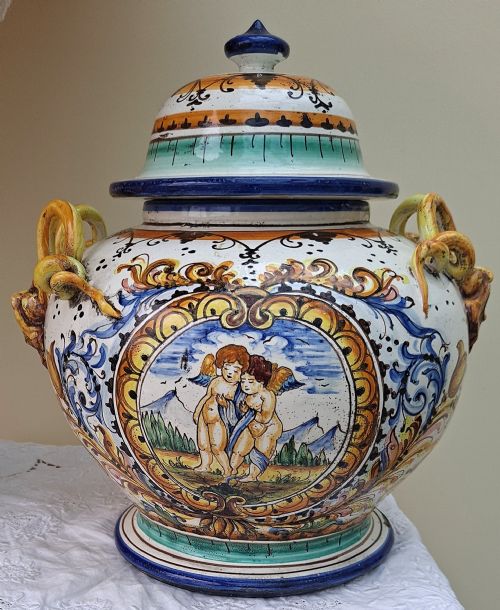
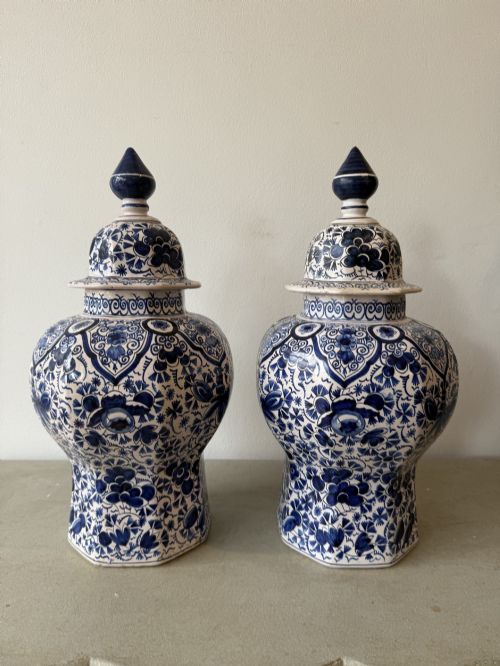
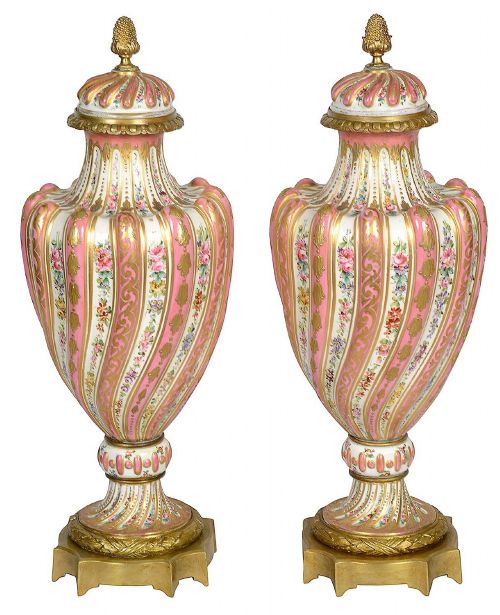
Antique Ceramic Vases Lids
These antique ceramic vases lids combine thrown bodies with fitted covers, offering collectors functional display vessels spanning the eighteenth and nineteenth centuries.
Antique Ceramic Vases Lids
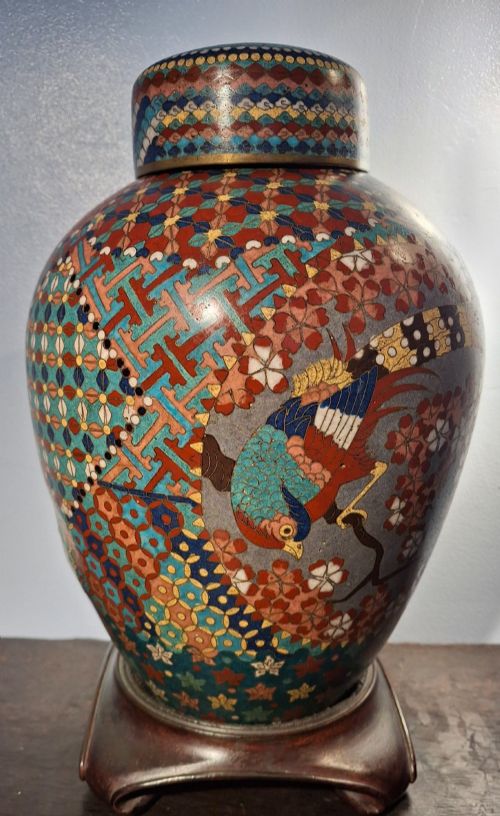
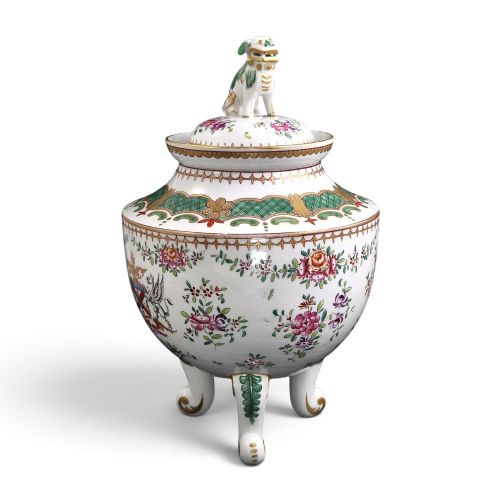
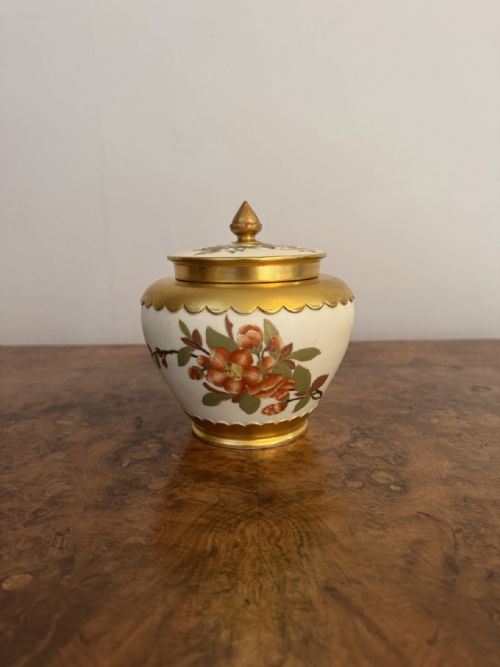
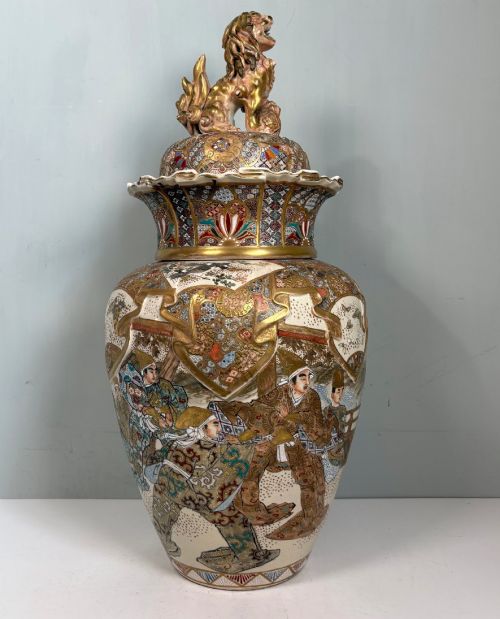
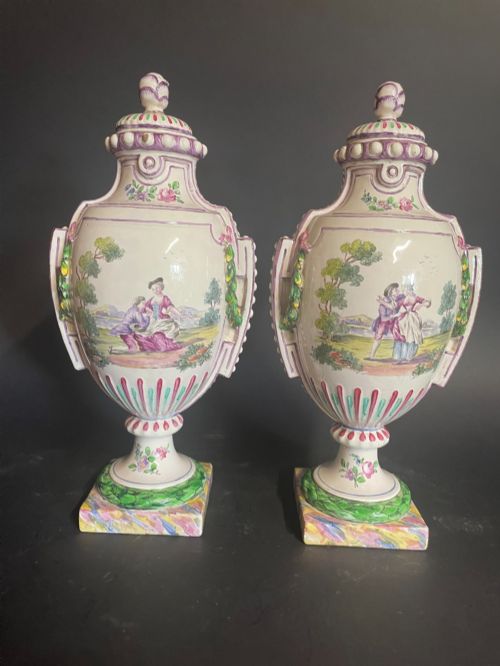
When searching for antique ceramic vases lids, collectors encounter covered vessels ranging from ginger jars and potpourri pots to large decorative urns. The forms serve both display and containment, often produced in matching pairs or garnitures.
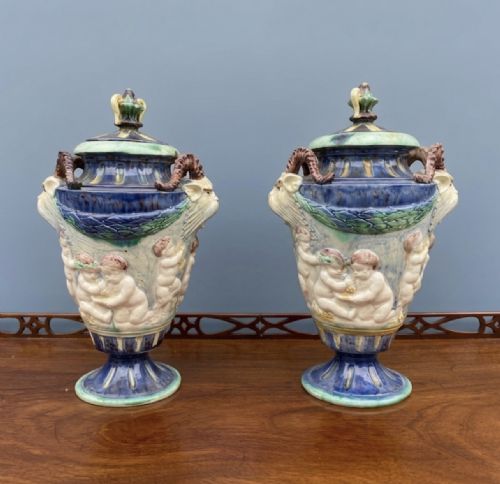
The pieces on this page originate from English, continental European, and Asian workshops, spanning the eighteenth century through the early twentieth century. Common configurations include lidded jars, handled urns, and specialised potpourri containers.
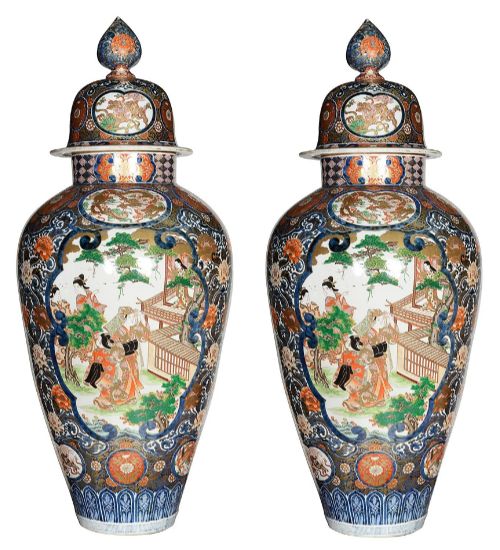
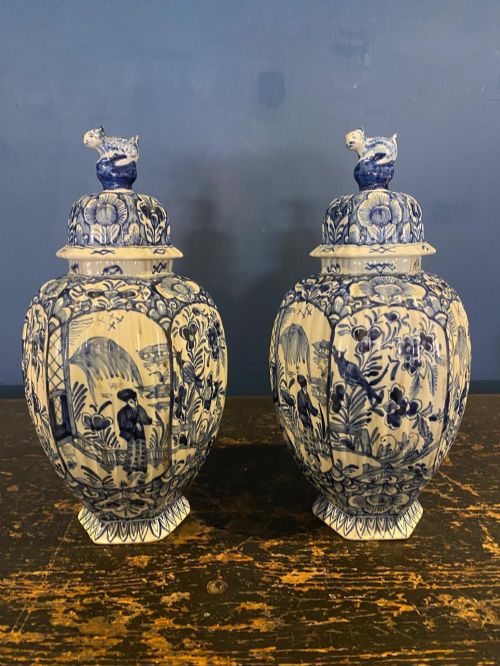
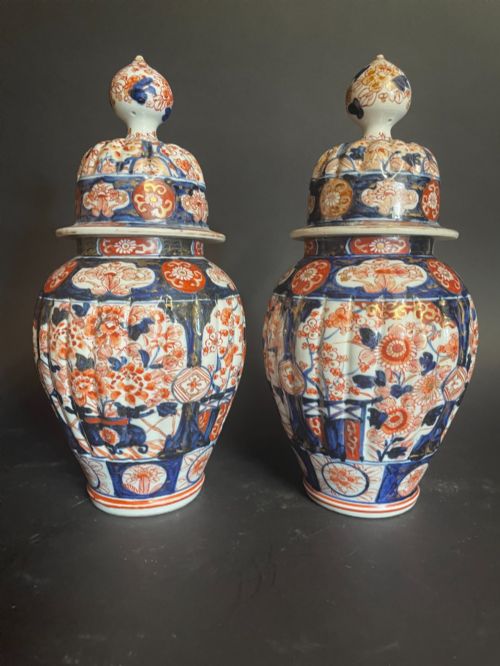
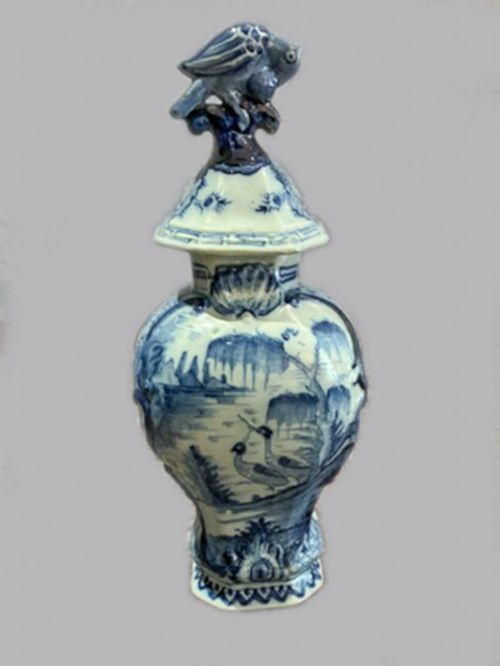
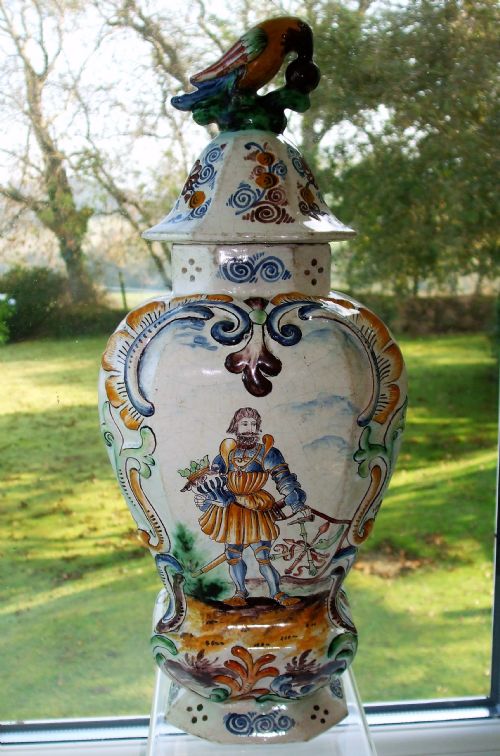
Makers shaped these items in porcelain, earthenware, and tin-glazed varieties, applying distinct regional aesthetics. Buyers find traditional Delftware alongside Japanese Imari patterns and ornate Victorian porcelain.
How they were made
Potters formed bodies on the wheel or pressed clay into moulds before applying tin-glaze, porcelain slip, or earthenware bodies. Lids were shaped alongside the vessels to ensure a proper fit upon the collar.
Decoration relied on hand-painting, transfer printing, and enamel applications, occasionally heightened with gold leaf or gilding. Firing took place in kilns, fixing pigments and glazes to the ceramic substrate.
Some nineteenth-century potpourri pots feature clever pierced lids designed to slowly release the scent of crushed petals into parlour rooms.
What varies in quality
Quality rests upon the crispness of the modelled form, the precision of the lid fit, and the execution of the hand-painted or gilt decoration. Finer examples display balanced proportions and delicate brushwork without crowding the surface.
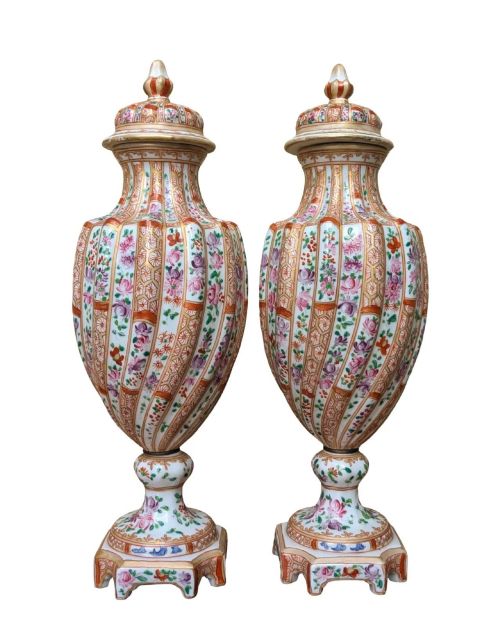
The prestige of the factory and the complexity of the glaze or enamel work separate standard production pieces from exhibition items. Potteries like Royal Worcester, Sèvres, and Chamberlain Worcester achieved superior refinement in paste and pigment.
Samson Paris·Royal Worcester·Chamberlain Worcester·Coalport·William Moorcroft·Spode·Masons Ironstone
The Antique Ceramic Vases Lids Glossary
- Imari
- A style of Japanese porcelain decorated in underglaze blue, iron red, and gold. It originated in Arita and heavily influenced European factories.
- Delftware
- Tin-glazed earthenware produced in the Netherlands and England, typically featuring blue and white decoration inspired by Chinese export porcelain.
- Potpourri
- A mixture of dried petals and spices held within a pierced vessel designed to fragrance a room. The pots feature specialised perforated lids.
- Garniture
- A set of three or more matching vases and jars designed to be displayed together on a mantelpiece or cabinet.
Antique Ceramic Vases Lids: Frequently Asked Questions
How were lidded vases used?
These covered vessels served primarily as decorative garnitures on mantelpieces or cabinets within formal rooms. Some variants, such as potpourri pots, held dried scented mixtures to freshen indoor air.
Other forms like ginger jars originally stored spices or preserves before transitioning into pure display pieces. Lids kept contents protected from dust and moisture.
How do I identify Japanese Imari?
Japanese Imari pieces display a distinct palette dominated by cobalt blue underglaze, iron red, and supplementary gold leaf. The designs frequently incorporate floral and brocade motifs across porcelain bodies.
Production centred on Arita from the Edo period onward, though European potteries frequently copied the aesthetic. The paste tends to be dense and heavy compared to soft-paste European equivalents.
What is tin-glazed earthenware?
Tin-glazed earthenware is pottery coated with a glaze containing tin oxide, which fires to an opaque white surface. This technique provides a smooth background for hand-painted pigment.
Examples on this page include Dutch Delftware and English delft, which often mimic Chinese porcelain styles. The technique dates back centuries across various European workshops.
Where should I display lidded vases?
Lidded vases require stable surfaces away from high-traffic areas to protect projecting handles and fitted covers. Mantelpieces, sideboards, and glass-fronted cabinets offer secure placement for pairs and garniture sets.
Keeping pieces out of direct sunlight preserves the stability of enamel and gilt surface decorations over time.