

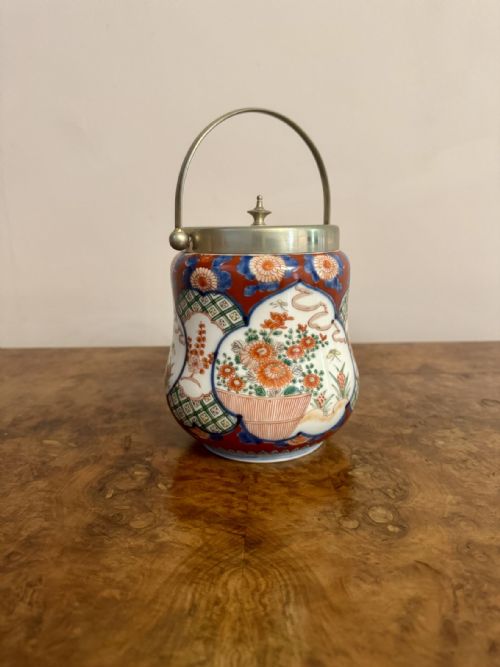


Antique Ceramic Tub
These antique ceramic tub options range from heavy earthenware footbaths to delicate porcelain jardinieres, offering practical utility and period charm for the home.
Antique Ceramic Tub
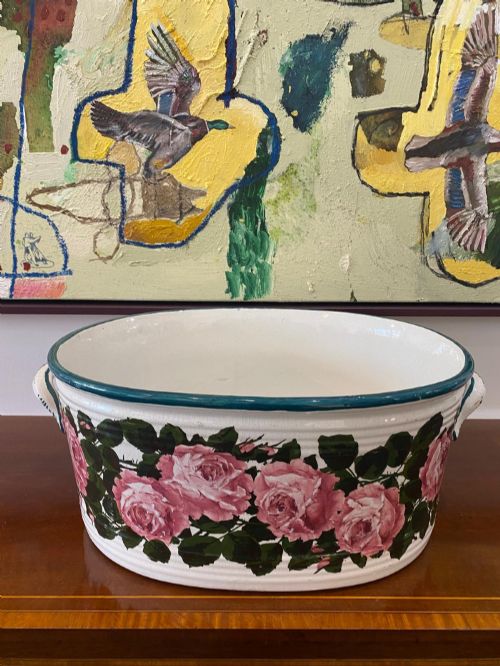
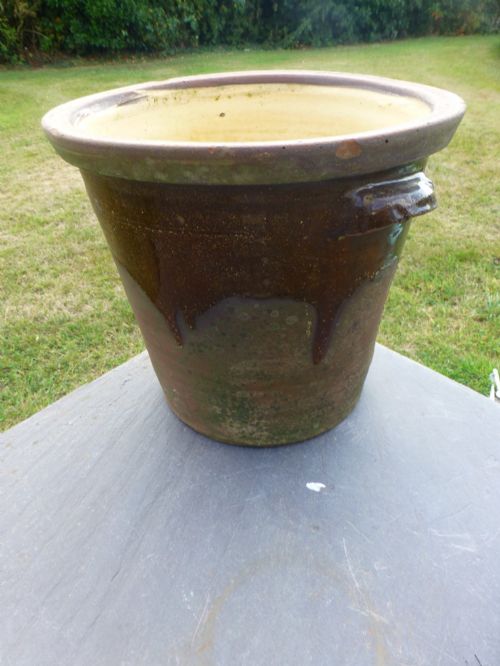
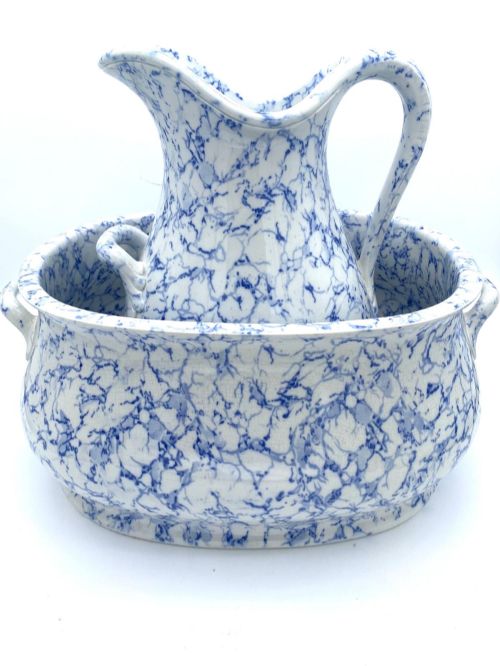
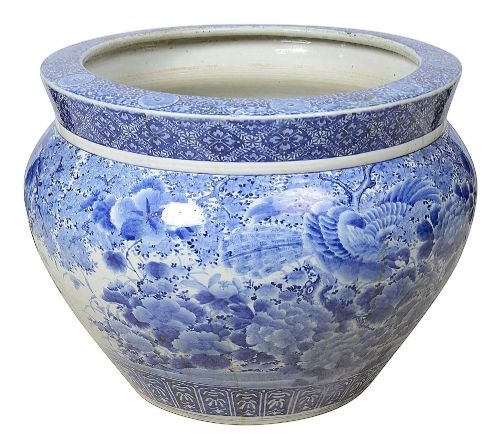
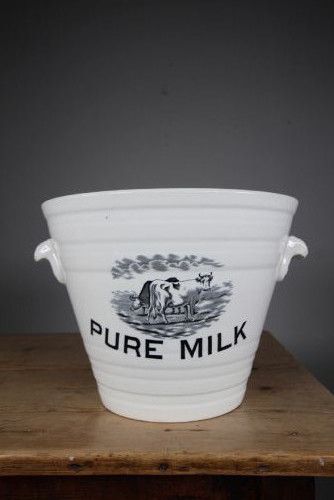
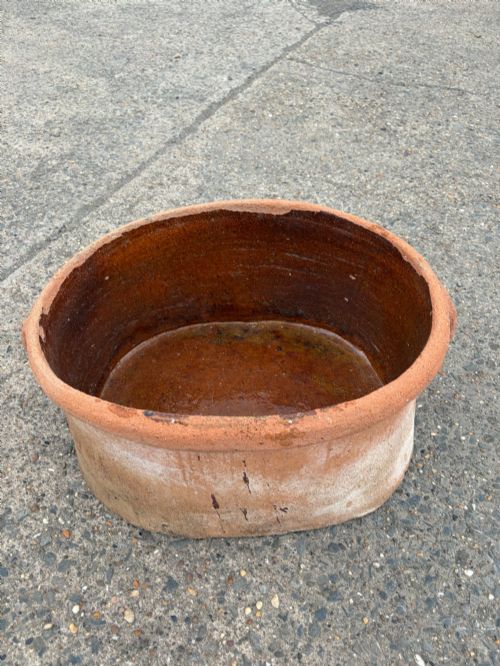
When you search for an antique ceramic tub, you encounter a diverse array of utilitarian and decorative vessels spanning several centuries. The selection includes domestic items such as footbaths, dairy bowls, and wash sets alongside horticultural vessels like jardiniere planters and orange pots.
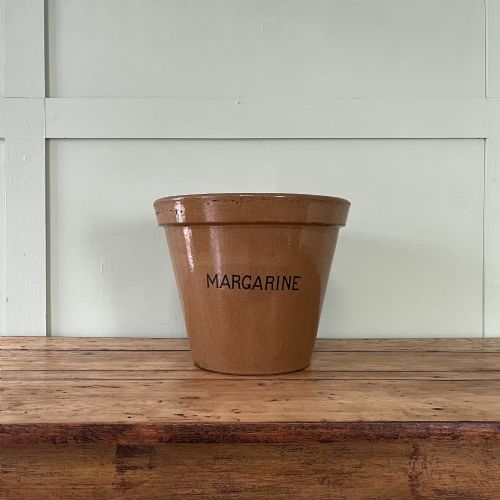
Victorian and Edwardian examples dominate the offerings, particularly large blue and white footbaths and glazed stoneware margarine bowls. Earlier pieces from the Georgian and eighteenth-century periods appear less frequently but provide striking alternatives in porcelain, creamware, and faience.
Materials and production
Potters utilised earthenware, stoneware, and porcelain, applying thick lead or salt glazes to ensure watertight utility for dairy work, bathing, and plant cultivation. Transfer printing and hand-painting delivered elaborate blue and white patterns, flow blue designs, and Japanese-inspired motifs.
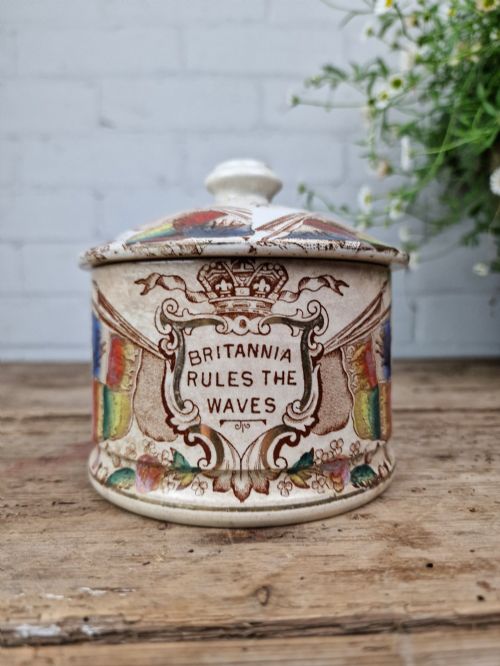
Specialised workshops also incorporated metal fittings, enamel decoration, and occasional touches of gold leaf or silver plate, particularly on lidded butter dishes and biscuit barrels from the later nineteenth century.
Some nineteenth-century dairy workers surely marvelled that their heavy salt crocks would one day end up holding orchids in modern living rooms.
Assessing quality and execution
Quality rests in the crispness of the moulding, the stability of the heavy ceramic body, and the depth of the glaze. Superior pieces exhibit clean transfer printing or controlled hand-painted details without smudging in the kiln.
The distinction between domestic utility wares and high-status decorative objects also governs value. Robust dairy crocks and salters prioritise heavy-duty durability, whereas fine porcelain jardiniere planters and footbaths demonstrate delicate artistic ambition.
Wemyss·Minton·Barr Flight and Barr·Staffordshire·Copeland·Wedgwood·Meissen·Kuznetsov
The Antique Ceramic Tub Glossary
- Footbath
- A deep, oval ceramic vessel with carrying handles, originally utilised for personal hygiene before finding new life as a planter or decorative display piece.
- Jardiniere
- A large ornamental pot or stand designed to hold a live plant or floral arrangement, often matching a pedestal or placed within an orangery.
- Creamware
- A refined earthenware developed in Yorkshire during the eighteenth century, characterised by its warm cream-coloured glaze and lighter body.
- Faience
- Tin-glazed earthenware produced across Europe, known for its opaque white surface and painted cobalt blue or polychrome decoration.
- Transfer printing
- A mechanical method of applying complex decorative patterns to ceramic bodies using engraved copper plates and tissue paper.
Antique Ceramic Tub: Frequently Asked Questions
What were antique ceramic tubs used for?
These vessels served a multitude of domestic and agricultural purposes, ranging from personal bathing and dairy production to holding plants and storing dry goods.
Larger forms functioned as footbaths or dairy salters, while smaller lidded versions kept butter and biscuits fresh on the Victorian dining table.
How do I date a ceramic tub?
Dating relies upon stylistic cues, ceramic bodies, and factory marks stamped or painted on the base. Heavy earthenware and stoneware generally point towards the nineteenth-century vernacular, while refined creamware and soft-paste porcelain suggest eighteenth or early nineteenth-century origins.
Transfer printed patterns and specific glaze colours also help narrow the decade of manufacture.
Can I use an antique tub for plants?
Many of these pieces, particularly jardinieres, planters, and dairy bowls, suit contemporary horticultural use. Glazed ceramic and stoneware resist moisture effectively, making them practical containers for indoor greenery.
It remains wise to place a protective saucer inside to safeguard delicate historic bodies from prolonged dampness.
What is the difference between ironstone and porcelain?
Ironstone is a heavy, durable earthenware patent developed in the nineteenth century to resist chipping during heavy domestic use. Porcelain possesses a vitrified, translucent body fired at higher temperatures for a more refined appearance.
Footbaths and dairy pails frequently utilise ironstone for strength, whereas decorative jardinieres often employ porcelain.