

Antique Ceramic Serving Bowl
An antique ceramic serving bowl brings centuries of kiln craft directly to the dining table, offering both decorative presence and functional service.
Antique Ceramic Serving Bowl
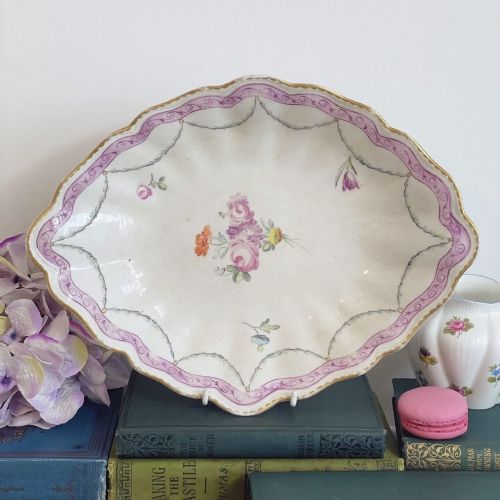
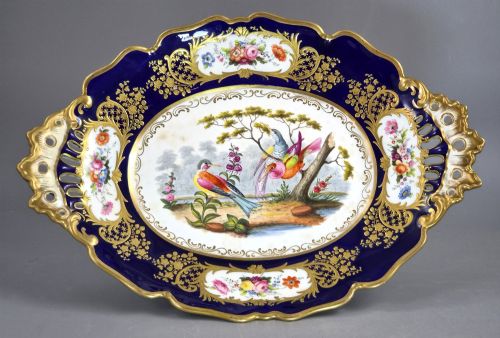
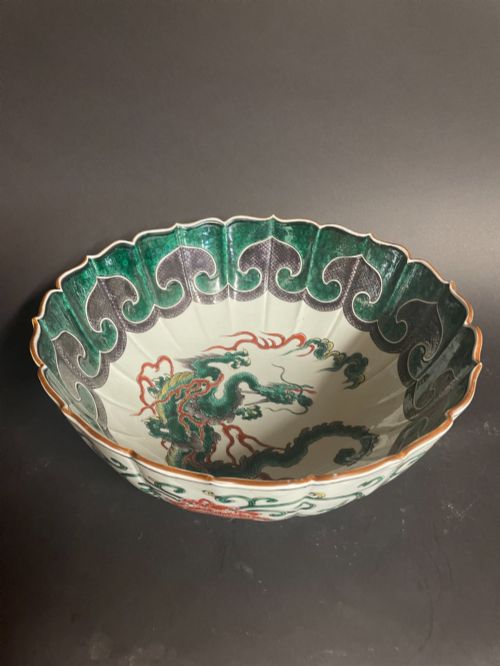
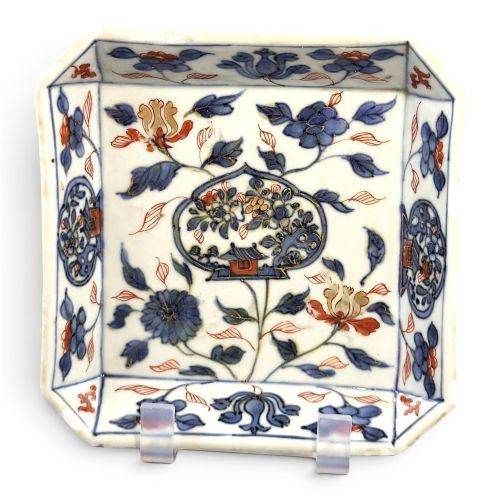
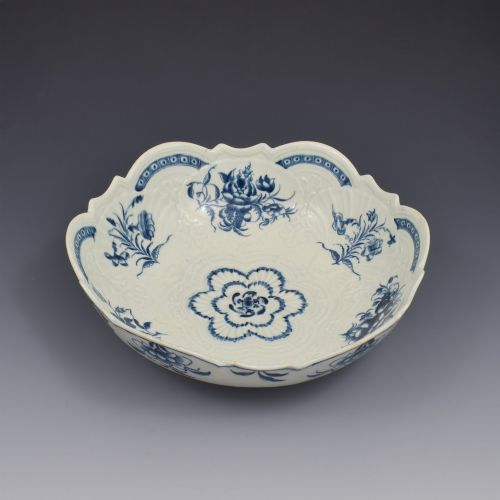
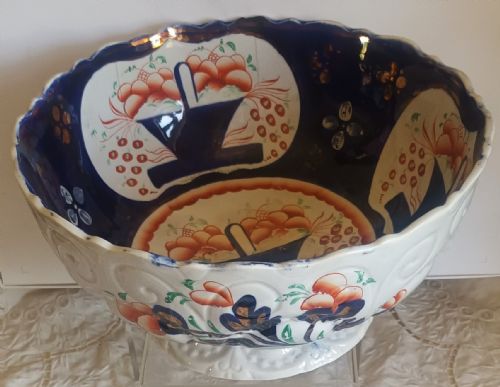
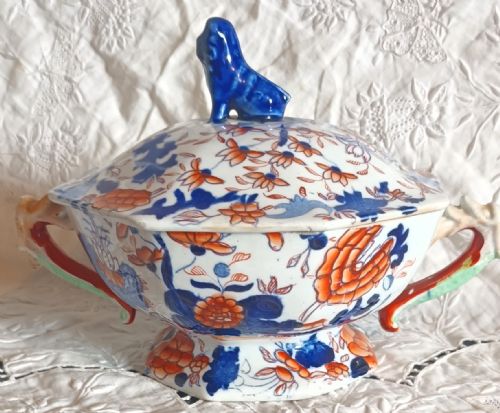
When you search for an antique ceramic serving bowl, you encounter a diverse array of table vessels spanning the eighteenth, nineteenth, and early twentieth centuries. These pieces range from deep punch bowls and footed pottery basins to formal dessert dishes, chamfered square bowls, and lidded vegetable tureens. European factories and Asian export kilns alike produced these items to serve food at communal meals.
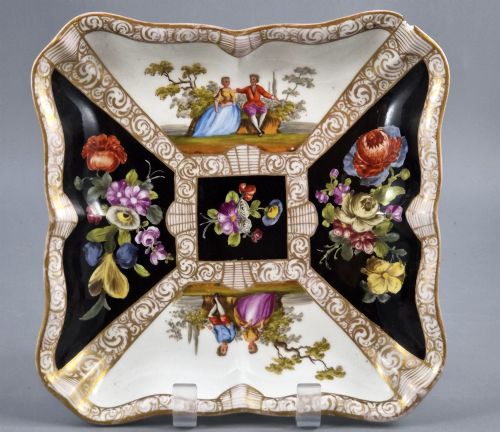
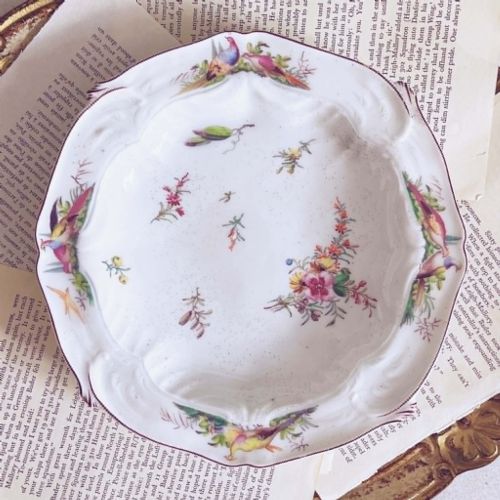
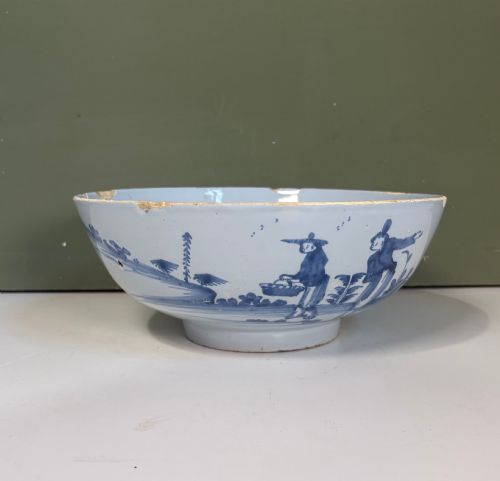
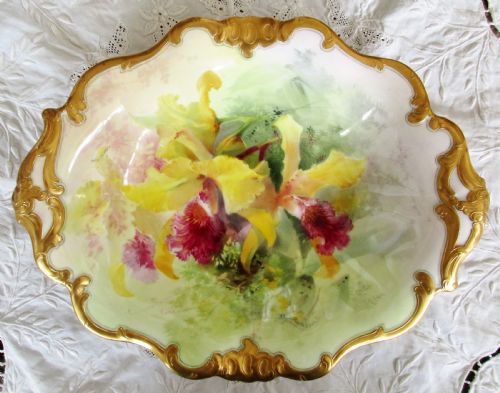
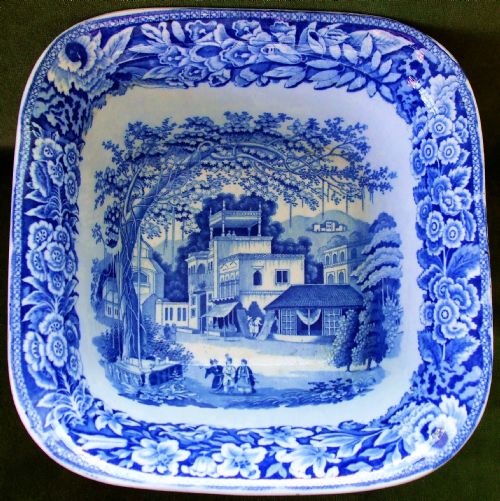
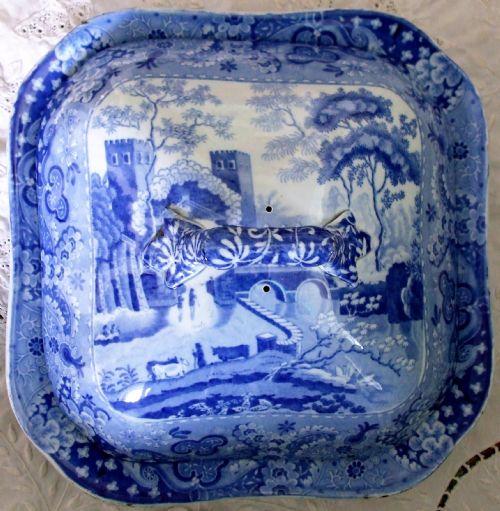
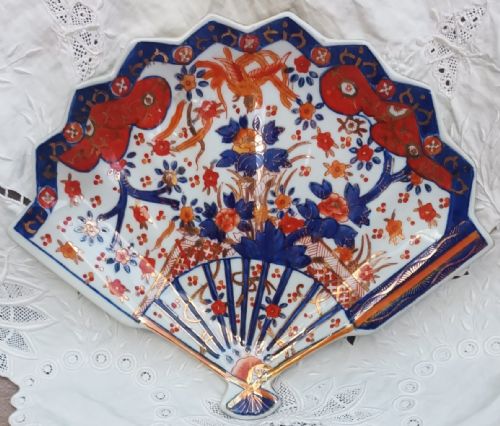
The selections available here reflect traditional English wares alongside notable imports and continental productions. You will find blue and white transfer-printed pottery, tin-glazed Delft earthenware, ironstone, and delicate porcelain bowls featuring handpainted birds, floral motifs, or landscape scenes. Many carry specific regional styles, such as Japanese Imari patterns or Welsh pottery designs.
Forms vary from simple circular basins to scalloped edges, lobed dessert dishes, and specialised pieces like junket dishes and salad bowls. Whether intended for everyday dining in a Victorian household or formal display in a Georgian interior, each vessel retains the practical shape required for holding food.
How They Were Made
Potters shaped these vessels using earthenware, stoneware, and fine porcelain bodies, often applying tin or lead glazes to seal the porous clay. Ironstone provided a heavier, more durable alternative for domestic serving pieces, while soft-paste and hard-paste porcelain allowed for thin, translucent walls.
Decoration relied heavily on handpainted polychrome pigments, underglaze blue, and transfer printing techniques that transferred intricate scenes onto the ceramic surface. Gilding with gold leaf or metallic paint added richness to high-status cabinet dishes and eighteenth-century porcelain.
Firing took place in traditional kilns where temperature control dictated the vitrification of the body and the gloss of the glaze. Specialised workshops employed artisans to handpaint botanical studies, Watteau scenes, or oriental export patterns before a final glaze firing fixed the colours.
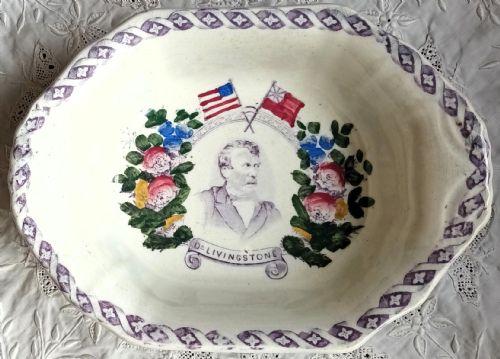
Several bowls honour historical figures, including a commemorative pottery dish dedicated to the travels of Dr Livingstone.
What Varies in Quality
Quality rests significantly on the precision of the painting and the clarity of the transfer print, where skilled brushwork elevates a standard vessel into a fine work of art. Crisp lines in underglaze blue and carefully blended polychrome enamels distinguish superior pieces from more hurried factory output.
The refinement of the ceramic body itself creates a clear distinction across the range, separating thick utilitarian earthenware from translucent, thinly potted porcelain. Smooth glaze surfaces free from excessive kiln blemishes or warping demonstrate superior firing control by the potter.
Design complexity and the reputation of the manufacturing source also shape the standing of a piece. Well-documented factories, named decorators, and distinctive moulded or scalloped forms carry greater artistic ambition than plain, unmarked utility wares.
Coalport·Meissen·Chelsea·Royal Doulton·Mason's Ironstone·Spode·Doulton Lambeth
The Antique Ceramic Serving Bowl Glossary
- Porcelain
- A hard, fine-grained, white ceramic material that is fired at high temperatures to achieve vitrification and translucency. It produces a clear ringing sound when struck.
- Earthenware
- A porous pottery body fired at lower temperatures, typically requiring a glaze to become watertight. Most common in traditional kitchen and heavy domestic vessels.
- Transfer Print
- A decoration technique where an engraved copper plate transfers a design onto tissue paper, which is then stamped onto the ceramic surface before glazing. This allowed for intricate, repeating patterns like blue and white landscapes.
- Imari
- A Japanese export porcelain style characterised by underglaze blue, iron red, and gilt detailing over a white background. European factories frequently copied these vibrant traditional patterns.
- Tureen
- A deep covered bowl designed for serving soups, stews, or vegetables at the dining table. They often feature matching stands or ladles.
- Delft
- Tin-glazed earthenware originating in the Netherlands and later produced in England and Spain, known for its opaque white surface and blue painted decoration.
Antique Ceramic Serving Bowl: Frequently Asked Questions
How were antique ceramic serving bowls used?
These bowls served food directly at the table, holding items ranging from boiled vegetables and salads to punch and desserts.
Larger vessels like tureens kept items warm with fitted covers, while shallow dishes presented fruit or sweetmeats during formal dining courses.
Can I use an antique bowl for serving food?
Many ceramic serving bowls remain structurally sound for holding dry foods or serving cold dishes at the table.
Consider the glaze condition and age before serving wet or acidic foods, as older glazes can be susceptible to staining or surface wear.
What is the difference between earthenware and porcelain?
Earthenware uses a lower-firing clay body that remains porous without a glaze, resulting in a heavier and thicker vessel.
Porcelain utilises refined ingredients fired at high heat until vitrified, creating a thin, hard, and translucent material.