




Antique Ceramic Seat
These antique ceramic seat selections span garden barrels, seated figures and Victorian spaniels formed in earthenware, porcelain and terracotta.
Antique Ceramic Seat
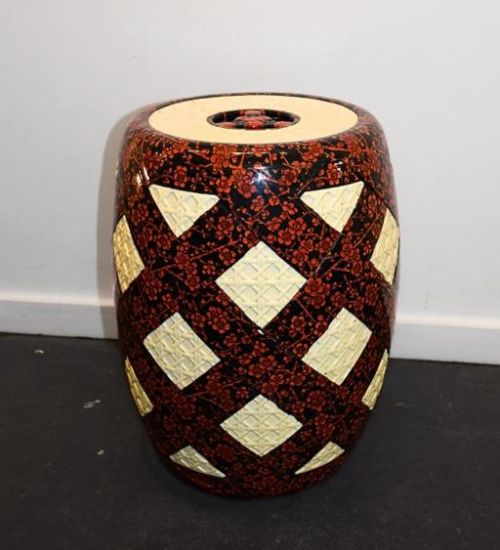
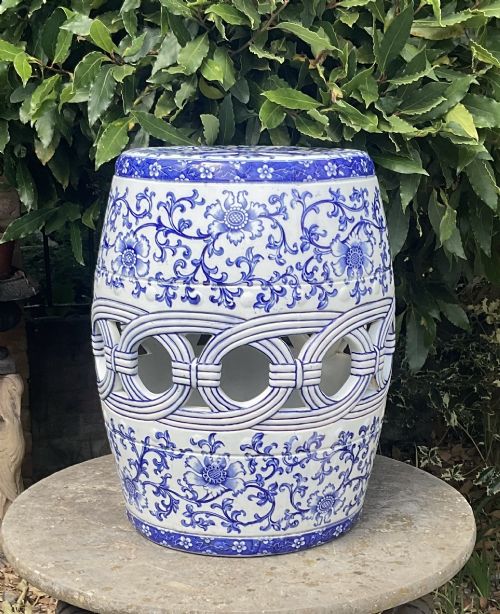
An antique ceramic seat typically takes the form of a robust garden barrel or conservatory stool produced for domestic and outdoor use. Buyers encounter Chinese export porcelain examples alongside substantial British earthenware and ironstone pieces from the nineteenth century.
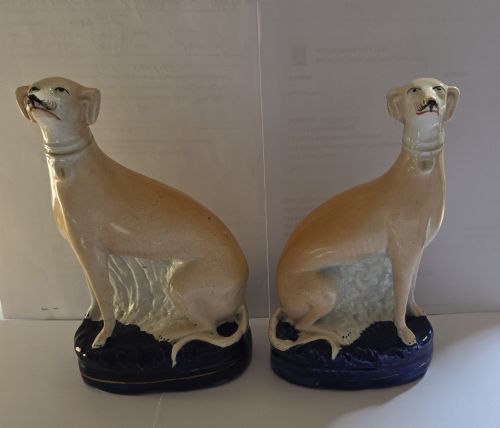
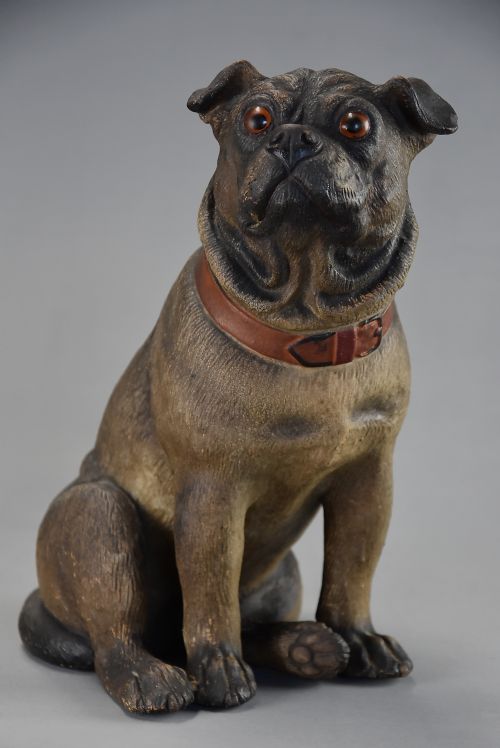
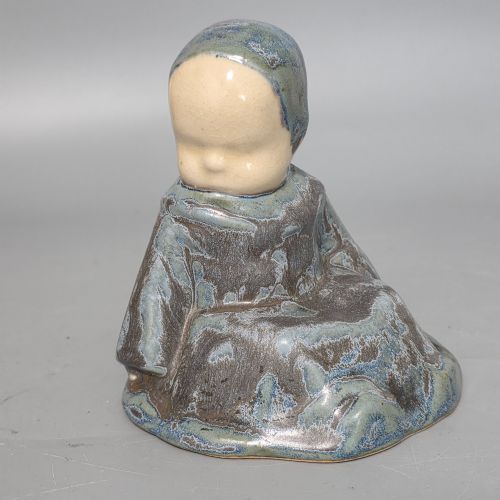
The category also encompasses smaller figural pottery and porcelain where human or animal subjects sit upon chairs, tree stumps or bases. Staffordshire spaniels, Toby jugs and classical figures appear alongside larger terracotta animals and seating furniture constructed from wood.
Origins stretch from eighteenth century English factories and nineteenth century Chinese kilns to European studios and pre-Columbian South America. Garden seats provide functional seating or plant stands, while figural ceramics serve purely decorative purposes in reception rooms and hallways.
Materials and methods of production
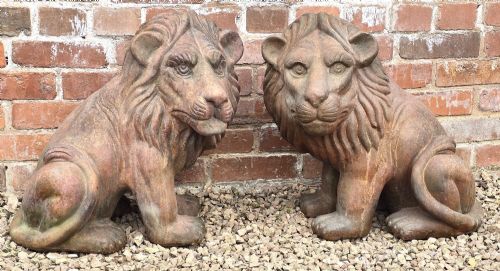
Potters utilised earthenware, stoneware, ironstone and hard-paste porcelain shaped by hand, wheel or mould before firing in kilns. Terracotta served extensively for larger garden sculptures, architectural dogs and conservatory ornaments requiring durable outdoor resilience.
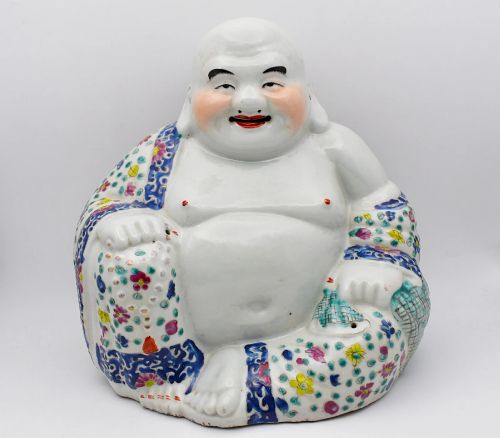
Glazes provided protective waterproof surfaces, ranging from cobalt blue and white underglazes to turquoise, enamel paints and gilt highlights. Overglaze clobbering involved adding vibrant secondary colours and gold leaf to earlier plain white or underglaze blue Chinese porcelain.
Nodding pagodas from the nineteenth century contain counterweighted heads that bob continuously when disturbed.
Standards of craftsmanship and preservation
Preservation of original glazes without extensive overpainting or structural repair elevates an object's integrity. Garden seats and large terracotta figures face weathering and hairline fractures from historical use, making pristine surfaces notably desirable.
Minton·Royal Doulton·Royal Worcester·Meissen·Derby·Bow·HB Quimper
The Antique Ceramic Seat Glossary
- Famille rose
- A palette of opaque Chinese ceramic enamels introduced in the eighteenth century, dominated by pink and rose shades mixed from gold chloride.
- Ironstone
- A heavy, durable type of British pottery patented in the early nineteenth century to rival true porcelain. It withstands heavy daily use and takes bright enamel colours well.
- Bisque
- Unglazed fired porcelain or ceramic that possesses a matte, porous texture resembling marble. It became exceptionally popular for Victorian piano babies and decorative figures.
- Clobbered
- Decorated or overpainted in a second firing, often applied in Europe to plain Chinese export porcelain to suit Western tastes.
Antique Ceramic Seat: Frequently Asked Questions
How do I use an antique ceramic garden seat?
These robust vessels function adequately as occasional garden stools, patio side tables or decorative pedestals for potted plants. Many owners keep them indoors within conservatories and hallways to protect fragile antique glazes from frost.
When placed outside on lawns or patios, pot feet or timber blocks prevent rising damp from cracking the earthenware or terracotta during freezing winter months.
How do I tell an 19th-century garden seat from a modern copy?
Authentic nineteenth-century pieces exhibit natural kiln imperfections, minor crazing within the glaze, and heavy potting weight consistent with historical manufacturing methods. Examining the base often reveals unglazed foot rims, old wear marks, and hand-applied pigments rather than uniform transfer-printed patterns.
Modern reproductions frequently lack the depth of colour found in nineteenth-century famille rose enamels and cobalt blues. Older terracotta and stoneware display genuine patination accumulated over decades of exposure.
How do I clean antique glazed ceramics safely?
Routine maintenance requires only a soft, dry cloth or feather duster to remove surface dust from glazes and unglazed biscuit areas. Stubborn grime on glazed garden seats responds to warm water and mild soap, applied gently without abrasive scouring pads.
Harsh chemical cleaners and soaking must be avoided entirely, particularly on pieces with overglaze enamels, gilt highlights or repaired structural cracks.