




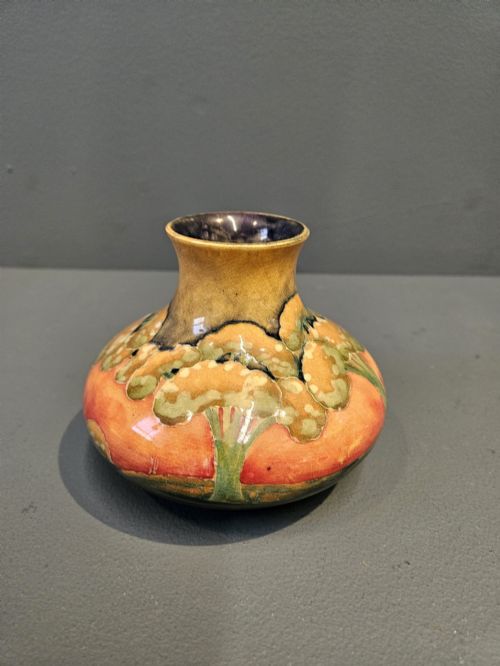
Antique Ceramic Pottery
Antique ceramic pottery gathers centuries of moulded clay, tin glaze and cobalt blue from Staffordshire, Delft and East Asia.
Antique Ceramic Pottery
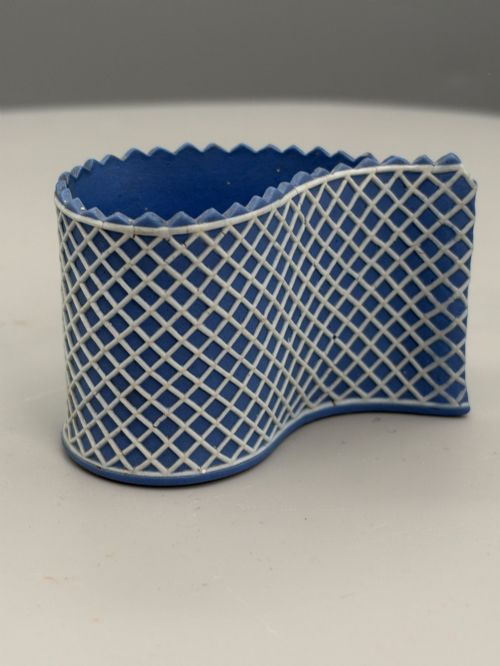
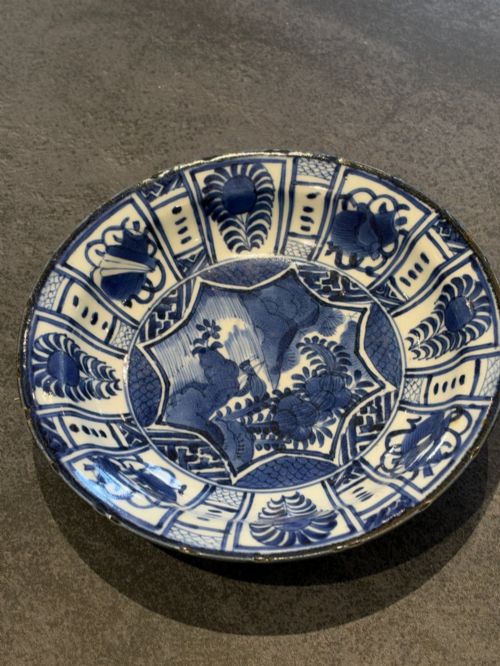
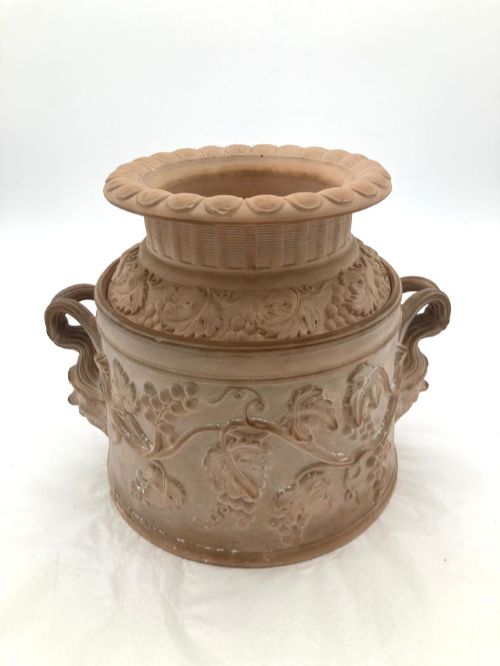
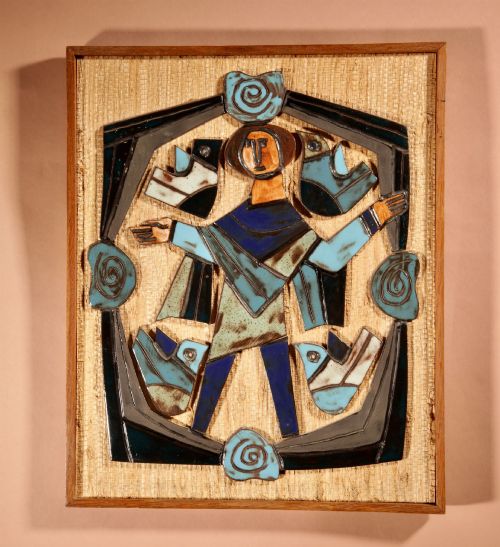
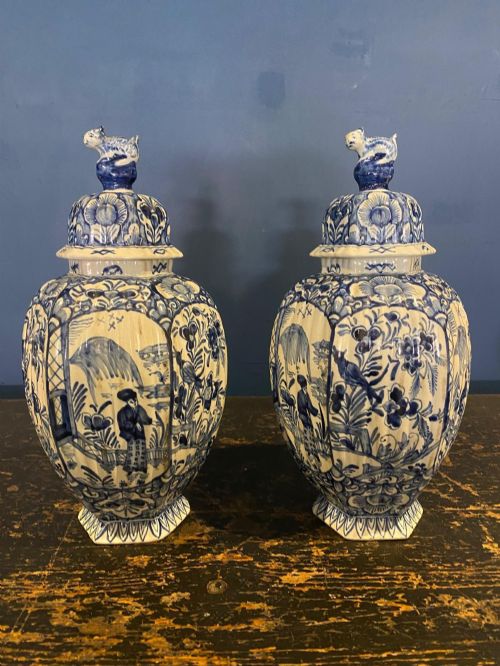
When seeking antique ceramic pottery, buyers encounter items ranging from seventeenth-century Dutch Delft vases and Chinese porcelain chargers to nineteenth-century Staffordshire figures and English earthenware vessels.
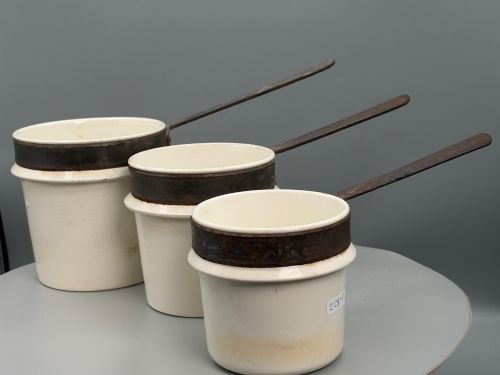
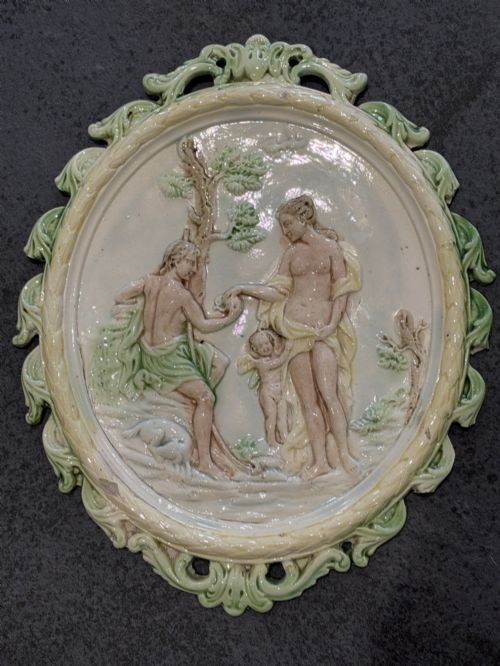
Domestic and decorative objects dominate this selection, stretching from utilitarian grocers slabs and cheese domes to highly coloured majolica garden seats, jardiniers and mantle spaniels.
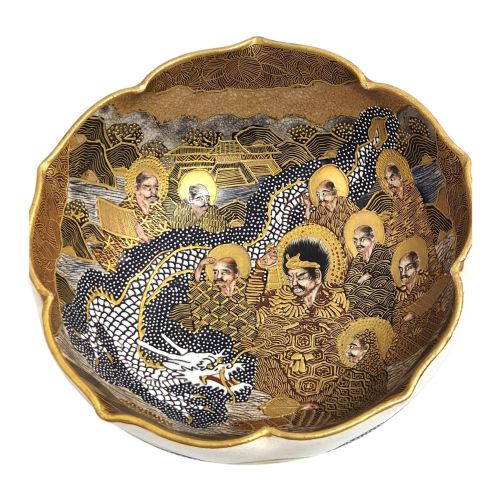
The material record spans centuries of domestic production and global trade, including nineteenth-century Victorian wares alongside earlier export pieces from Japanese and Chinese kilns.
Materials and construction methods
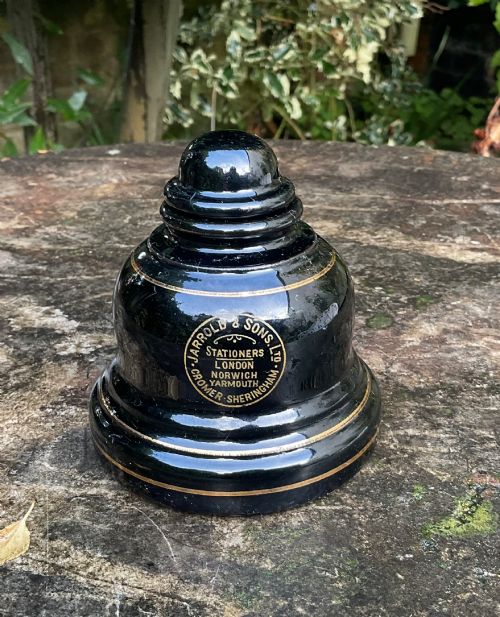
Makers utilised earthenware, stoneware, ironstone and porcelain, shaping bodies by hand or in moulds before applying lead glazes, tin enamel, or gold leaf highlights.
Firing techniques varied from open kiln baking for porous earthenware to high-temperature reduction firing for oriental porcelain and stoneware bottles.
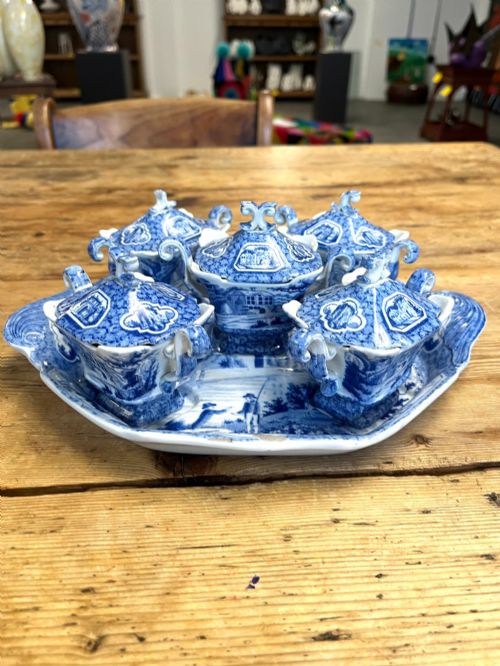
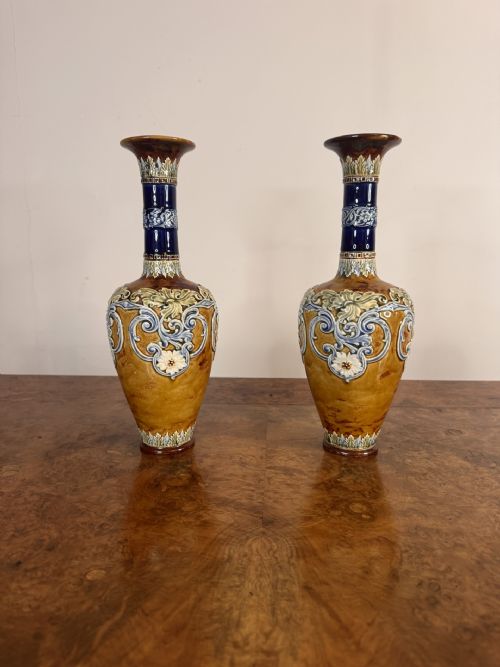
Decoration relied on hand-painting with cobalt blue, iron red and polychrome enamels, sometimes paired with moulded relief work such as crisp botanical and animal motifs.
Antique Ceramic Pottery Retail Price Guide 2026
Typical asking prices for ceramic pottery among the pieces listed under this phrase on Sellingantiques today, from the lower quarter to the upper quarter. They describe what is for sale here now, not the wider market.
Listings include items spanning from the sixteenth-century Wanli period through to the Victorian era and early twentieth-century Moorcroft production.
Markers of standard and execution
Superior pieces display crispness in moulded detail and precise control in hand-painted brushwork, separating master potters from routine commercial output.
The depth and uniformity of glaze application dictate visual success, particularly where tin opacifiers or clear lead glazes interact with underlying pigments.
Balance of form and integrity of the original body, whether delicate porcelain or heavy ironstone, define the relative merit of surviving domestic and decorative items.
Royal Doulton·Thomas Parr factory·Minton·Burmantofts Faience·John Dwight Fulham Pottery·Moorcroft·Spode·Wedgewood
The Antique Ceramic Pottery Glossary
- Delftware
- Tin-glazed earthenware originating in the Netherlands and England, typically finished with blue and white designs inspired by imported Chinese porcelain.
- Majolica
- A type of earthenware covered with an opaque tin glaze and painted with metallic oxide colours, popular for brightly coloured Victorian garden seats and decorative bowls.
- Ironstone
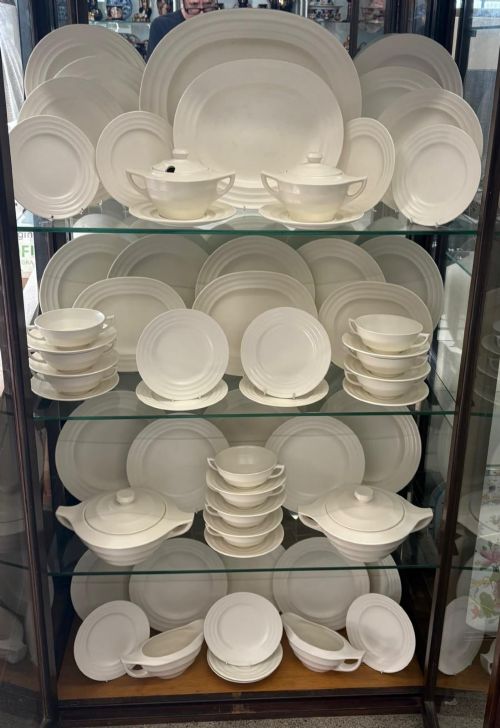
- A heavy, durable type of feldspathic stoneware patented in England, designed to resist chipping while serving as a sturdy base for transfer-printed decoration.
- Stoneware
- A dense, impermeable pottery fired at high temperatures until the clay body vitrifies, often left with a salt glaze or iron wash.
- Craquelure
- A fine network of microscopic cracks appearing in the glaze layer of older ceramics due to age and tension differences between body and surface.
Antique Ceramic Pottery: Frequently Asked Questions
How do I date antique pottery?
Dating relies on identifying the style of the glaze, the composition of the clay body, and any factory marks stamped or painted underneath.
Comparing the decorative motifs and moulding techniques against known production periods helps narrow down the decade of manufacture.
Were Staffordshire figures meant for display?
Staffordshire figures and spaniels were produced as affordable mantelpiece ornaments for nineteenth-century middle-class homes.
Potters painted them simply to catch the eye from across a dimly lit parlour rather than for close inspection.
What is the difference between porcelain and earthenware?
Porcelain is fired at much higher temperatures until the clay vitrifies into a white, translucent and non-porous material.
Earthenware remains porous and opaque, requiring a protective glaze layer to hold liquids safely.
How should I clean antique ceramic pottery?
Dusting gently with a dry, soft brush is usually sufficient for maintaining glazed ceramic surfaces.
Harsh chemical immersion or scrubbing must be avoided to protect delicate overglaze enamels and aged glaze crazing.