




Antique Ceramic Platter Dish
An antique ceramic platter dish brings history to the table, offering grand presentation surfaces shaped by centuries of global trade and domestic service.
Antique Ceramic Platter Dish
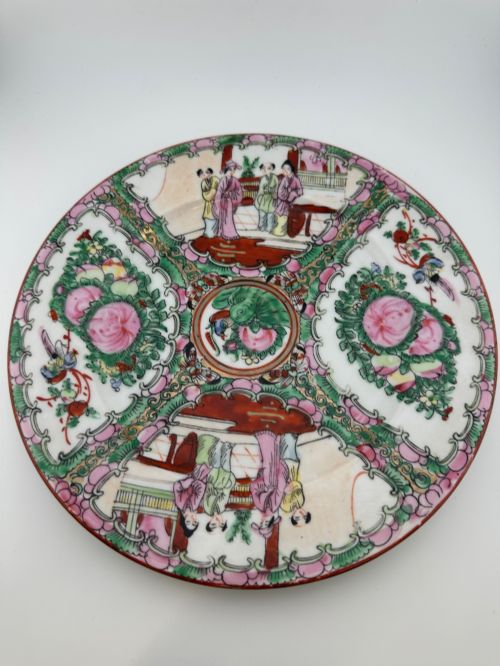
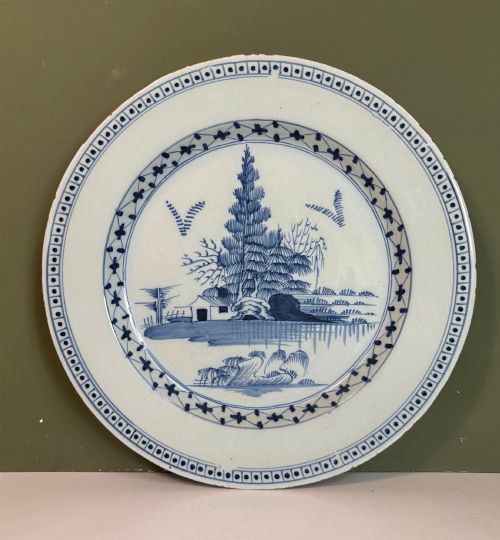
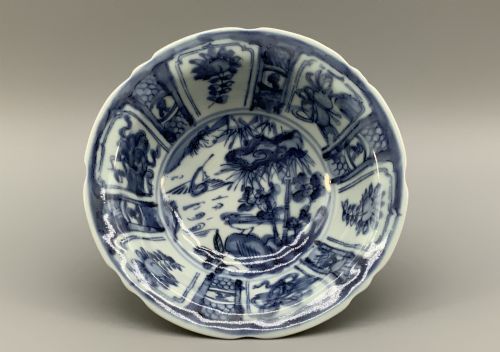
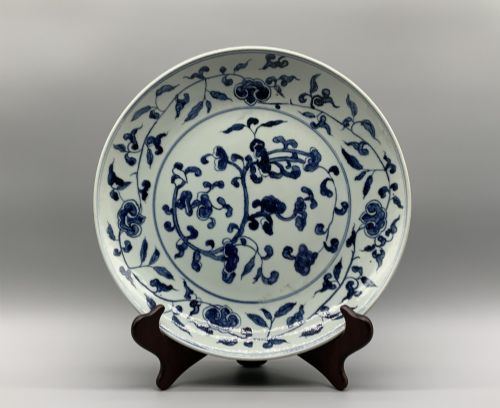
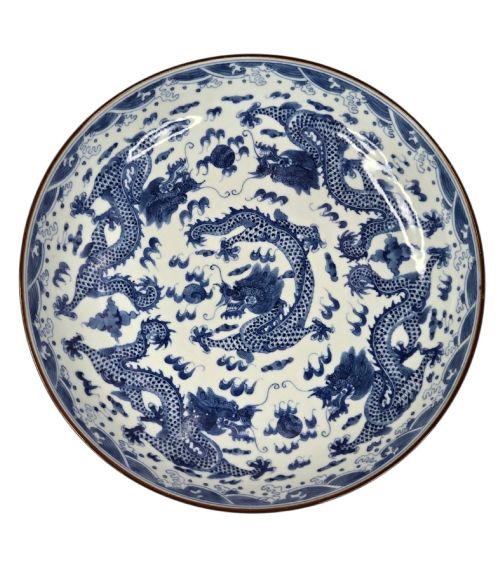
When searching for an antique ceramic platter dish, buyers encounter large serving vessels, decorative chargers, and deep dishes spanning from the seventeenth century through the early twentieth century. The selection ranges from robust English transferware and creamware platters used in nineteenth-century dining rooms to delicate blue and white porcelain chargers from the Kangxi period.
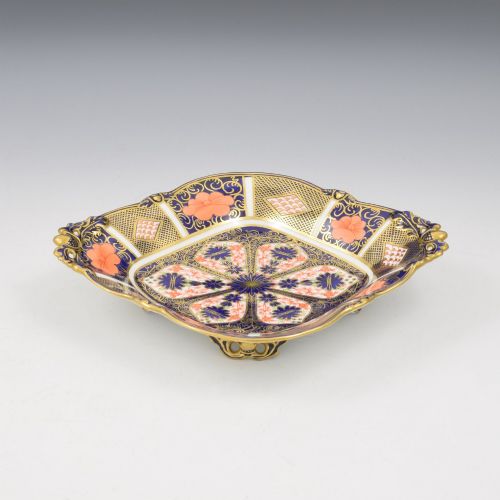
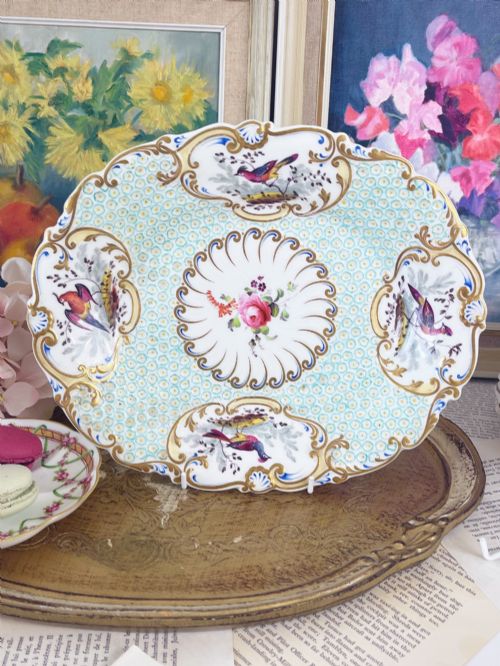
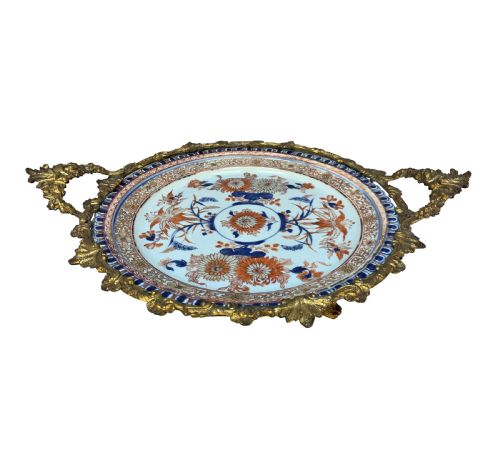
Continental delftware and Japanese Imari pieces frequently appear alongside domestic earthenware and porcelain. English factories such as Worcester, Spode, and Davenport dominate the nineteenth-century material, while earlier pieces trace the influence of Chinese and Dutch trade ceramics.
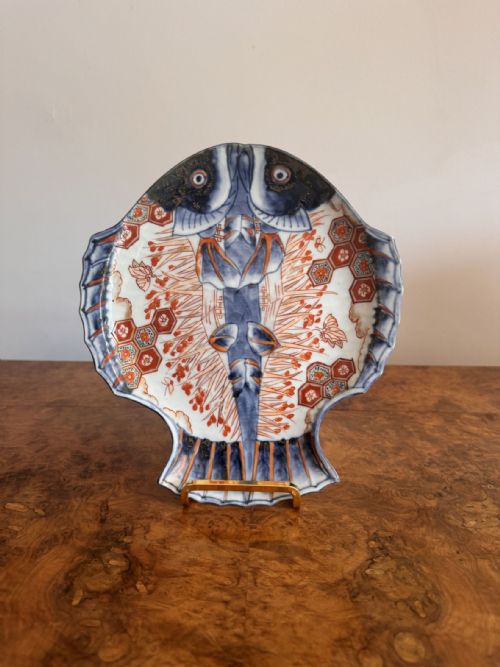
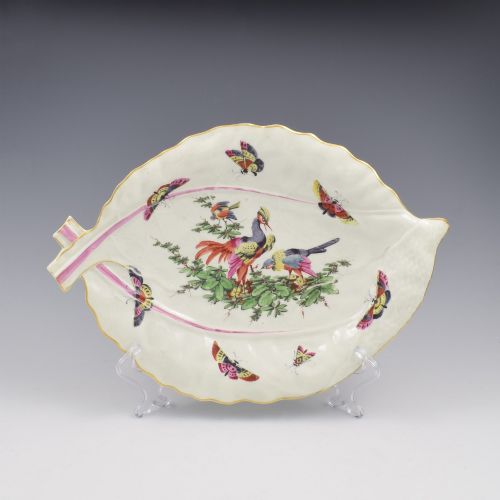
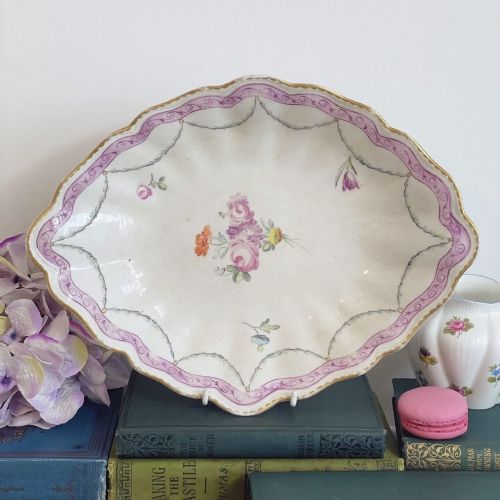
Forms vary from standard oval meat platters and lobed bowls to specialised cheese dishes and scalloped plates shaped like fish. Buyers are most likely to meet sturdy earthenware transfer-printed meat plates and colourful Japanese Imari chargers on this page.
Materials and technique
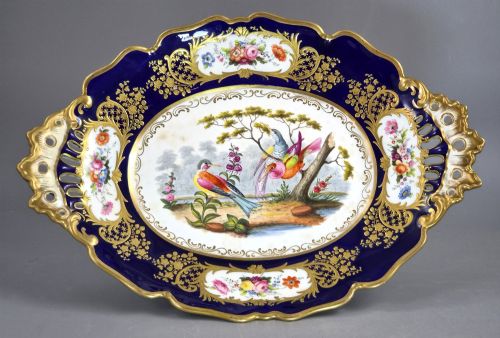
Potters shaped these wares from local earthenware, creamware, and fine porcelain, applying tin glazes, salt glazes, or transparent lead glazes before firing. Cobalt pigment provided the deep blue found in Chinese export pieces and English transferware, while polychrome enamel and gilding added rich surface decoration to later Victorian and Japanese items.
Decoration relied on handpainted brushwork, transfer printing from copper plates, and moulded relief details. Early chargers often show kiln stilt marks on the reverse, revealing how potters supported large pieces during high-temperature firings.
An eighteenth-century Japanese Imari plate shaped entirely like a fish swims upstream among conventional round chargers.
Judging quality
Quality rests on the crispness of the transfer print or the confidence of the handpainted brushwork. Superior pieces display vibrant, well-fixed pigments and balanced compositions, whereas lesser examples show blurred outlines or muddy glaze pooling.
The weight, throwing skill, and refinement of the ceramic body separate standard utility wares from exhibition pieces. Finer platters maintain true, level surfaces and carefully finished foot rims without excessive warping from the kiln.
H & R Daniel·Dr Wall·Coalport·Spode·Davenport·George Jones·Chamberlains Worcester·Hicks & Meigh·Wedgwood·John Rogers & Son·Royal Worcester·David Dewsberry·John Davenport of Longport·Royal Doulton
The Antique Ceramic Platter Dish Glossary
- Transferware
- Pottery decorated by applying a printed design from an engraved copper plate to the ceramic surface using tissue paper. This technique allowed factories to produce intricate pictorial patterns in quantity during the Georgian and Victorian periods.
- Charger
- A large decorative plate or dish, typically measuring over twelve inches across. These pieces were often displayed on sideboards or used for grand table service.
- Creamware
- A refined earthenware developed in eighteenth-century England, characterised by a pale yellow or buttery cream tone under a clear lead glaze. Josiah Wedgwood perfected this body, supplying royal courts across Europe.
- Imari
- A style of Japanese porcelain featuring a distinct palette of underglaze blue, iron red, and gilt highlights. European factories frequently copied these vibrant patterns during the eighteenth and nineteenth centuries.
- Delftware
- Tin-glazed earthenware produced in England, the Netherlands, and France, known for its opaque white surface and blue painted motifs. The porous body absorbed the tin glaze, creating a characteristic soft finish.
Antique Ceramic Platter Dish: Frequently Asked Questions
What is an antique ceramic platter dish?
These objects are large serving dishes and decorative plates created for dining tables and display cabinets over the past four centuries. They reflect changing domestic habits, from formal Georgian feasts to Victorian family meals.
Makers utilised earthenware, porcelain, and stoneware, decorating surfaces with handpainted motifs or transfer-printed scenes. Each piece captures the prevailing artistic tastes of its period, bridging utilitarian dining needs with fine craftsmanship.
How were antique platters used?
Serving platters held joints of meat, fish, and vegetables at the centre of the dining table, while large chargers functioned primarily as decorative wall or sideboard display pieces. Cheese dishes and dessert plates served specific courses in elite households.
As dining rituals evolved, many of these vessels shifted from active kitchen service to decorative display. Their robust glazes allowed them to withstand daily use before entering collections as historic art objects.
How do I care for a ceramic dish?
Historic ceramics require gentle hand washing in lukewarm water with mild soap, avoiding harsh scrubbing or modern dishwashers. Sudden temperature changes can cause old glazes to craze or crack.
Display platters safely on stable plate stands or wall hangers designed to distribute weight evenly. Keeping pieces away from direct sunlight protects enamel colours and gilt highlights from fading over time.
How do I date an antique platter?
Dating relies on identifying backstamps, ceramic bodies, and decorative styles characteristic of specific periods like the Regency or Victorian eras. Examining the foot rim and glaze characteristics also reveals manufacturing methods tied to particular centuries.
Comparing pattern names, factory marks, and transfer designs against known production records narrows down the date of creation. Subtle clues in the clay composition help separate eighteenth-century earthenware from later nineteenth-century equivalents.