


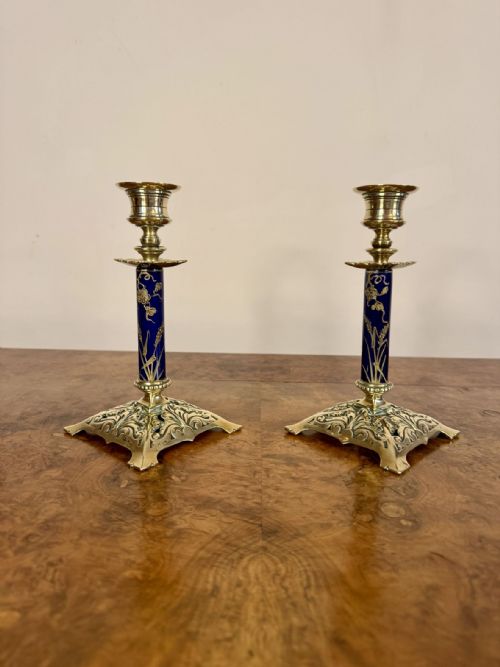
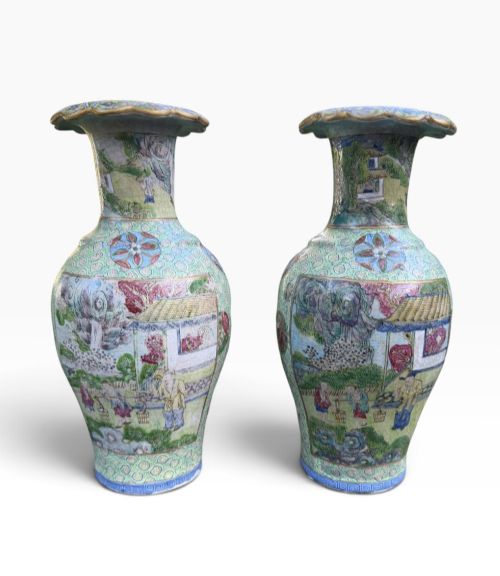

Antique Ceramic Enamel
These antique ceramic enamel pieces unite fired bodies with vitreous pigments, offering collectors vibrant palettes spanning centuries of Asian and European craftsmanship.
Antique Ceramic Enamel
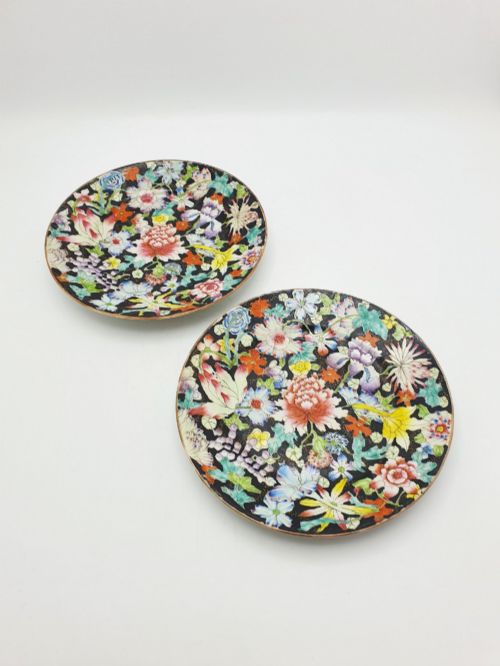
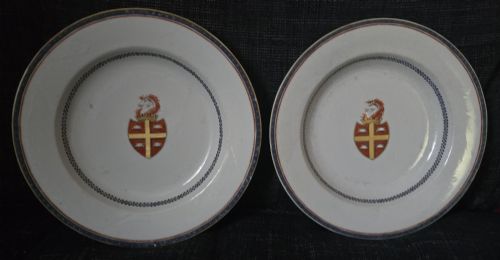
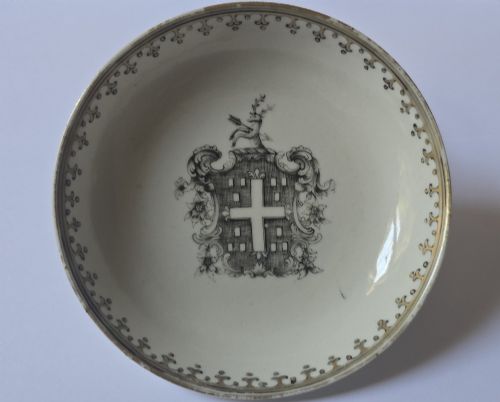
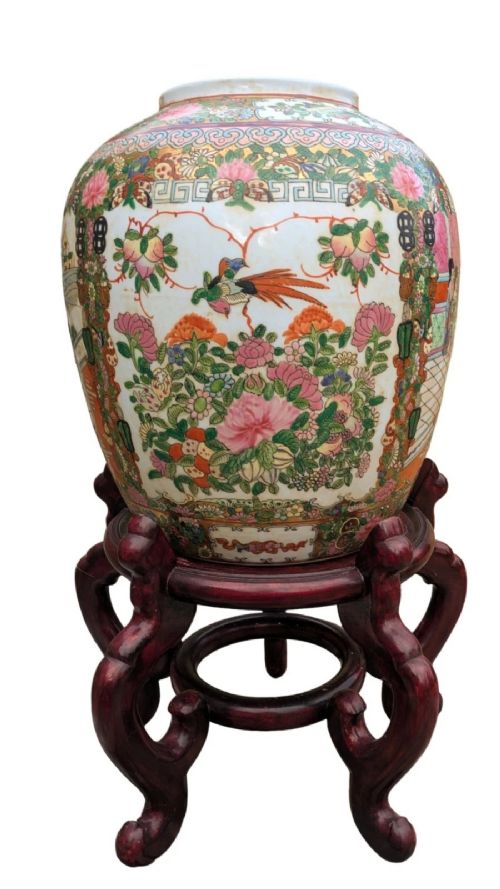
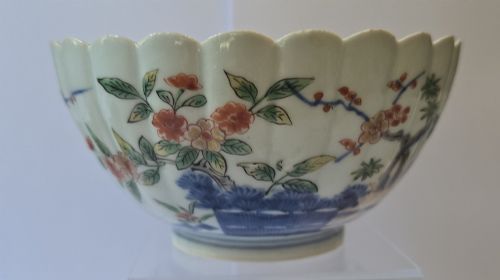
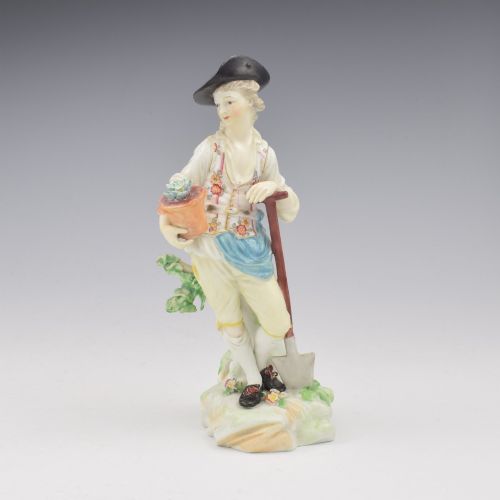
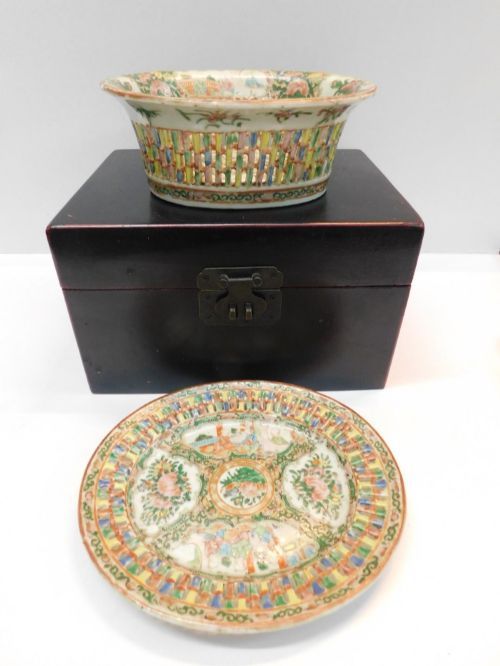
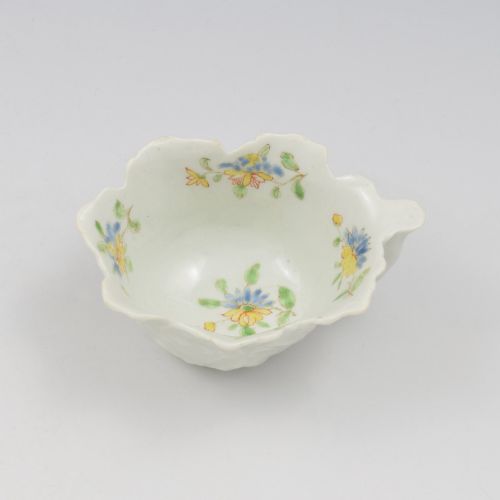
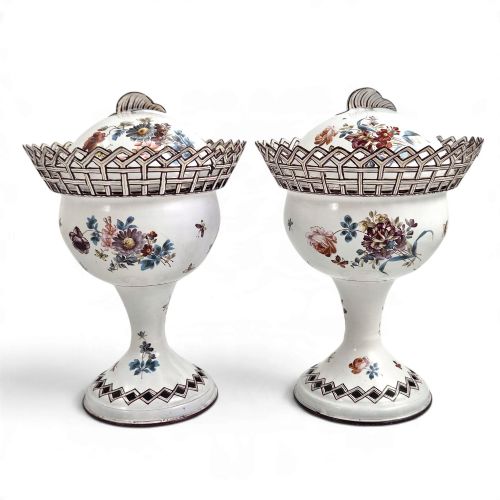
When searching for antique ceramic enamel, collectors encounter a diverse range of objects originating from European factories and Asian kilns. These items include decorative bowls, vases, ginger jars, and plates, produced across periods spanning from the seventeenth century through to the twentieth century.
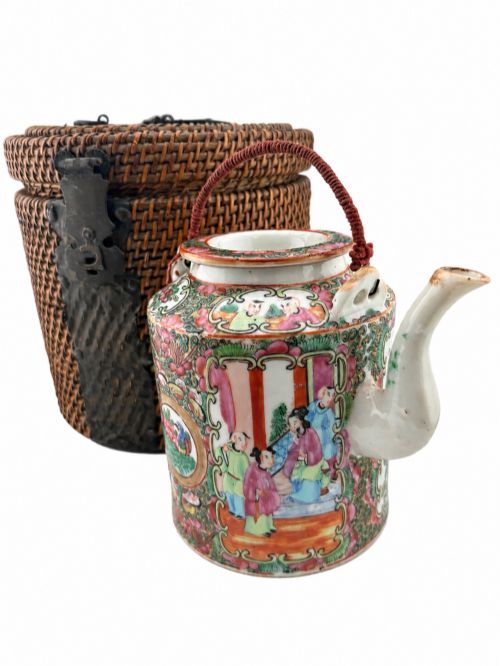
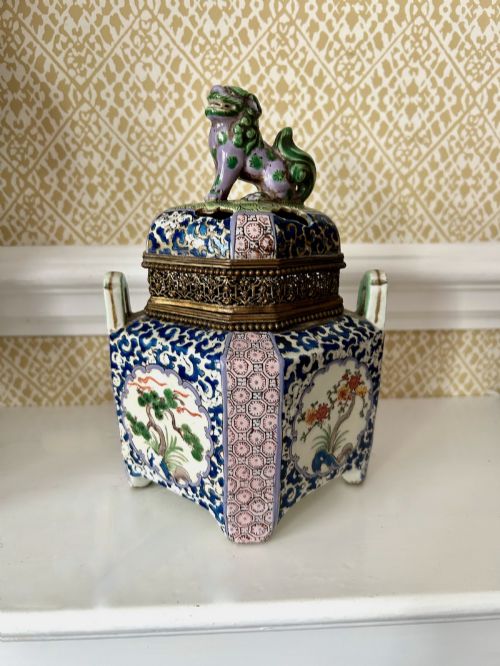
Vessels take many forms, ranging from utilitarian tea canisters and brush washers to large chargers, incense burners, and figural vases. Each category demonstrates the specific decorative methods favoured by the makers of its era.
How they were made
The creation of these works relies upon the fusion of vitreous enamel onto prepared ceramic or metallic bases, often enhanced with overglaze enamels and gold leaf. Artisans applied finely ground coloured glass pastes onto porcelain, earthenware, stoneware, or copper substrates before firing them in kilns to achieve a permanent, glossy finish.
Techniques varied by region and medium, encompassing intricate cloisonne wirework soldered onto metal forms, soft-paste porcelain painting, and detailed hand-painted overglaze motifs. Stoneware pieces such as Yixing vessels were combined with enamel applications, while Japanese workshops utilised specialised methods like ginbari and moriage to create textured surface reliefs.
Antique Ceramic Enamel Retail Price Guide 2026
Typical asking prices for ceramic enamel among the pieces listed under this phrase on Sellingantiques today, from the lower quarter to the upper quarter. They describe what is for sale here now, not the wider market.
Listings feature 18th-century European soft-paste porcelain alongside 19th-century Japanese cloisonne enamel and Chinese Qing dynasty wares.
What varies in quality
Quality in these works is defined by the precision of the brushwork, the vibrancy and stability of the enamel colours, and the complexity of the composition. Superior examples display meticulous control over fine details, such as facial expressions on figural pieces or intricate botanical and avian motifs on jars and dishes.
The execution of the underlying medium also dictates worth, from the purity and thinness of soft-paste porcelain bodies to the crispness of bronze or copper foundations in cloisonne pieces. Well-preserved gilding and the absence of firing distortions further separate standard production items from masterworks of the period.
KPM Berlin·Veuve Perrin Marseille·Leeds Pottery·Richard Chaffers·Dr Wall Worcester·Bow Porcelain·John Bevington·Chelsea Porcelain·Tsukamoto Hikokichi·Maruni Kobe
The Antique Ceramic Enamel Glossary
- Famille Rose
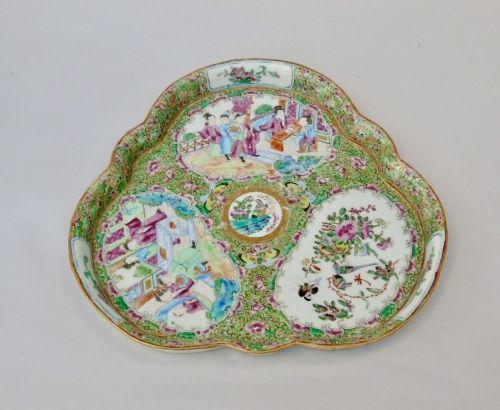
- A palette of opaque rose-pink enamel introduced to Chinese ceramics during the Qing dynasty. This grouping relies heavily on pink and carmine hues derived from colloidal gold.
- Cloisonne
- A decorative metalwork technique where compartments are formed by soldering flat metal wire to a metal base. These cells are subsequently filled with enamel paste and fired.
- Soft-paste porcelain
- A ceramic material composed of clay and glass frit, fired at lower temperatures than hard-paste porcelain. It was widely used by eighteenth-century European factories such as Worcester and Chelsea.
- Overglaze enamel
- Pigments applied to the surface of a previously fired and glazed ceramic piece. A subsequent, lower-temperature firing fuses the decoration to the glaze.
- Ginbari
- A Japanese enamelling technique featuring textured metal foil applied beneath translucent enamel. This creates patterned backgrounds visible through the coloured glass layer.
Antique Ceramic Enamel: Frequently Asked Questions
How do I clean antique enamel ceramics?
Dust these delicate surfaces gently with a soft, dry brush to remove accumulated particles without abrasive friction. Avoid submerging older pieces in water, particularly those with exposed metal mounts or delicate overglaze decorations.
Moisture can seep into hairline cracks within the ceramic body or discolour aged adhesives. Professional conservation advice should be sought for valuable or structurally vulnerable items.
What is the difference between Famille Rose and Famille Verte?
Famille Verte relies predominantly on green enamel tones accompanied by iron red, yellow, and blue pigments. This palette gained prominence during the seventeenth century under the Kangxi Emperor.
Famille Rose emerged later, defined by the introduction of an opaque pink enamel derived from gold. This allowed artists to achieve softer tonal gradations in floral and figural scenes.
How can I identify Japanese cloisonne from Chinese cloisonne?
Japanese cloisonne from the Meiji period often exhibits exceptionally fine, thin wirework and highly naturalistic depictions of flora and fauna against dark backgrounds. The metal wires are frequently polished flat and flush with the enamel surface.
Chinese pieces, such as those from the Qing dynasty, typically feature thicker, bolder bronze or brass wires and brighter, more stylised geometric or symmetrical floral patterns.
Were these decorative items used daily?
Many objects, such as tea canisters, brush washers, and lidded jars, served practical functions within scholars' studios or dining rooms. Others, including large chargers and decorative plaques, were intended purely for display.
Their survival in domestic settings indicates that while some were treasured cabinet pieces, many experienced active use before entering the collector market.