

Antique Ceramic Dishes
These antique ceramic dishes bring centuries of hand-painted artistry, intricate glazes, and global trade history directly to your table or cabinet.
Antique Ceramic Dishes
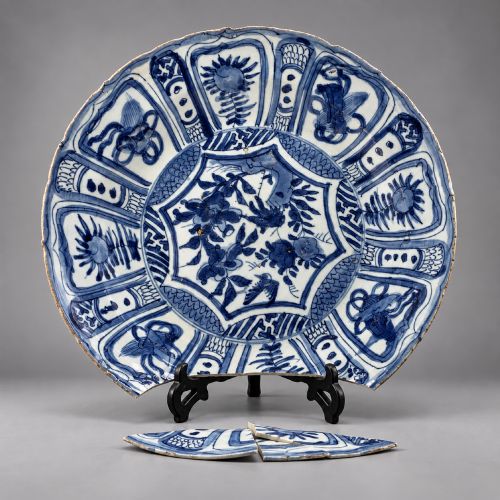
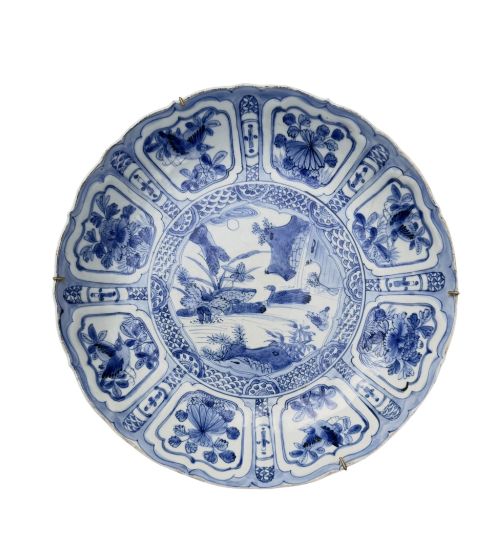
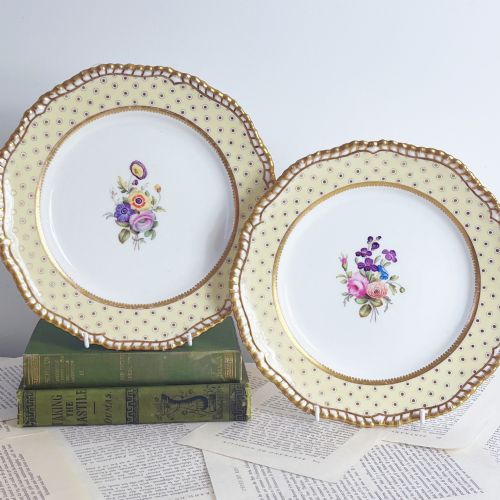
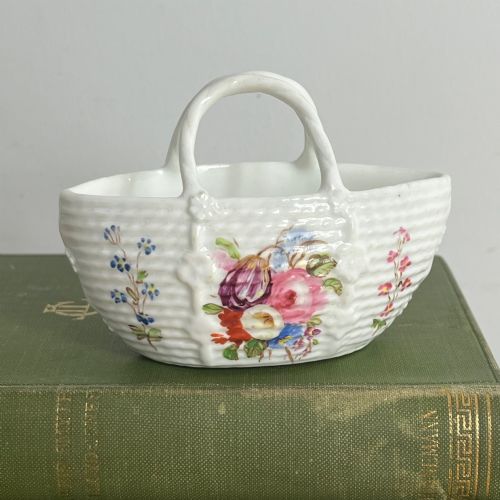
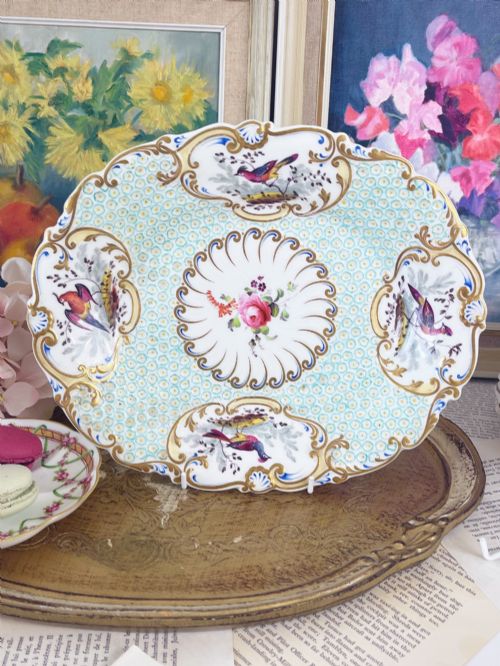
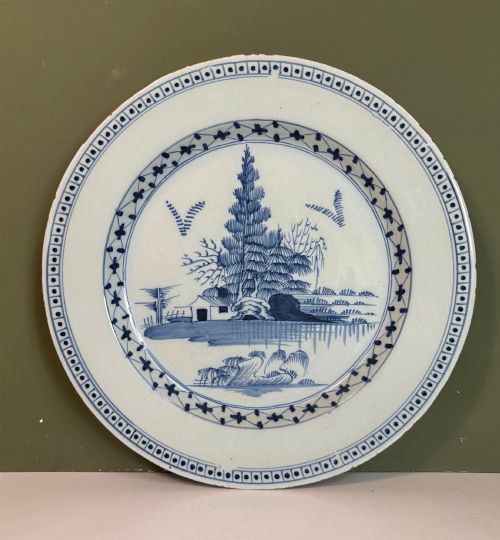
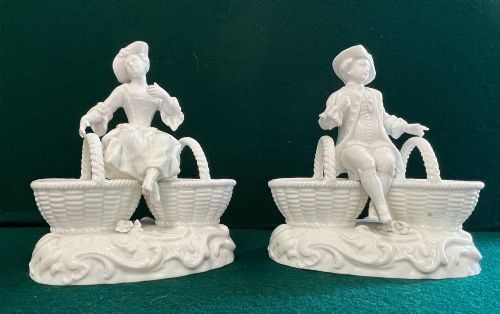
When searching for antique ceramic dishes, buyers encounter a diverse selection spanning European factories and Asian export kilns. The pieces on this page range from modest domestic earthenware to grand porcelain chargers made for display.
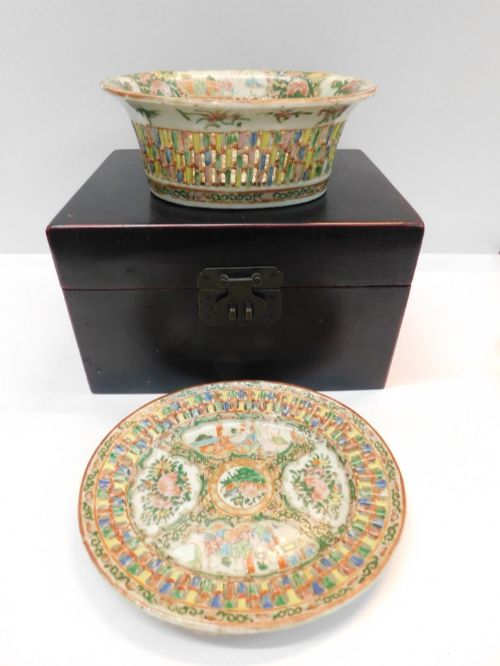
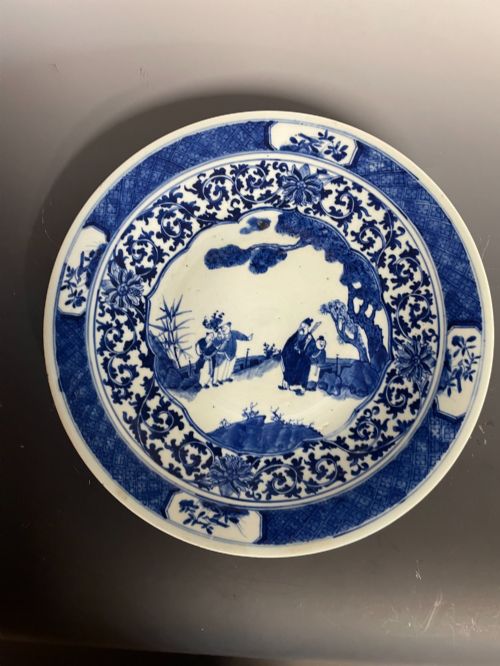
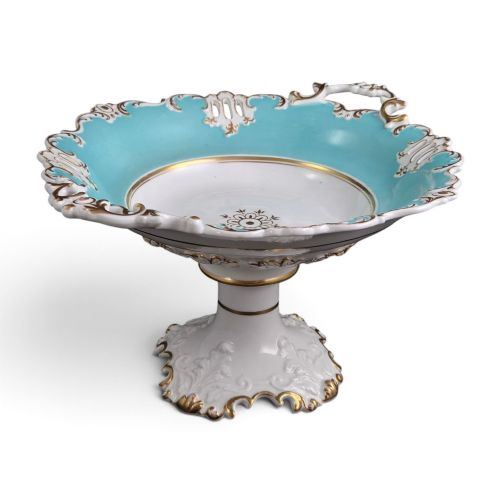
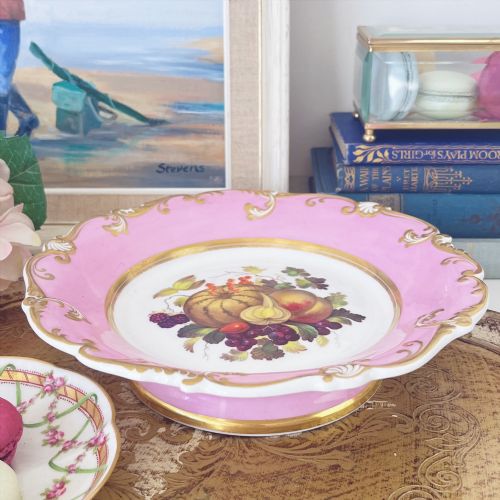
Domestic English porcelain and bone china from the Georgian and Victorian eras appear frequently, alongside earlier Delft chargers and Chinese blue and white porcelain. Forms stretch from small leaf-shaped pickle dishes to large serving bowls and tazzas.
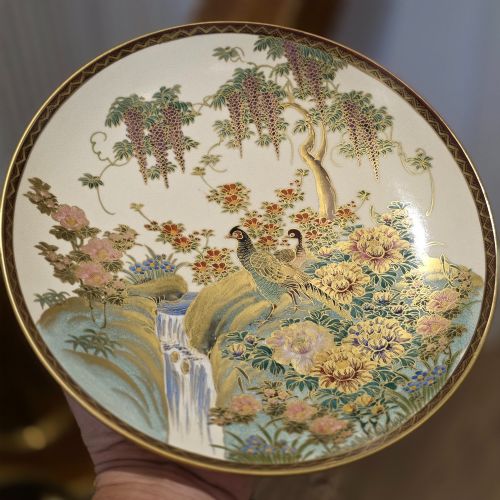
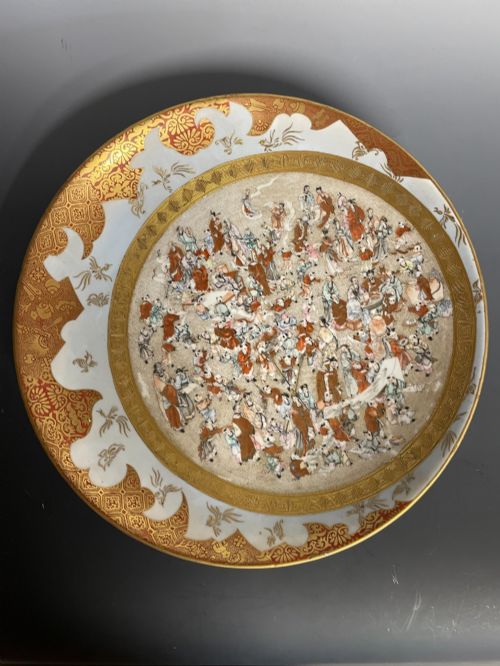
Originating across the eighteenth and nineteenth centuries, these items capture shifts in taste from Dutch Baroque and Rococo forms to Japanese Meiji aesthetics. Each serves as a tangible record of historical ceramic manufacturing and international design exchange.
Materials and Techniques
Potters utilised various paste compositions, including soft-paste porcelain, bone china, earthenware, and white ironstone. These bodies were shaped on wheels or pressed into moulds, such as leaf and shell forms, before receiving initial firing.
Decoration relied heavily on cobalt underglaze painting, hand-painted polychrome enamel work, and applied gold leaf or gilding. Many vessels were finished with transparent or coloured glazes, including turquoise and cobalt grounds, then fired again to vitrify the surface.
Listings feature eighteenth and nineteenth-century periods, including Regency, Victorian, and Qing Dynasty eras.
Distinctions in Quality
The standard of a piece rests largely on the precision of its hand-painted details, such as the execution of fancy birds, floral motifs, or figures. Crisp moulding and clean separation of colours distinguish superior works from standard production items.
Historical importance and factory provenance also dictate standing, with recognised works from periods like Dr Wall Worcester or Kangxi carrying distinct artistic weight. The harmony between body thickness, glaze smoothness, and decorative placement defines the overall execution.
Spode·Flight Barr And Barr·Coalport·H And R Daniel·Caughley·Meissen·Chelsea·Bow·Dresden·Sèvres·Royal Worcester·Davenport·KPM Berlin
The Antique Ceramic Dishes Glossary
- Bone China
- A type of porcelain incorporating bone ash, developed in England to create a strong, brilliantly white body suitable for fine tableware.
- Charger
- A large decorative plate or dish, typically intended for display on a sideboard or wall rather than for serving food at the table.
- Famille Rose
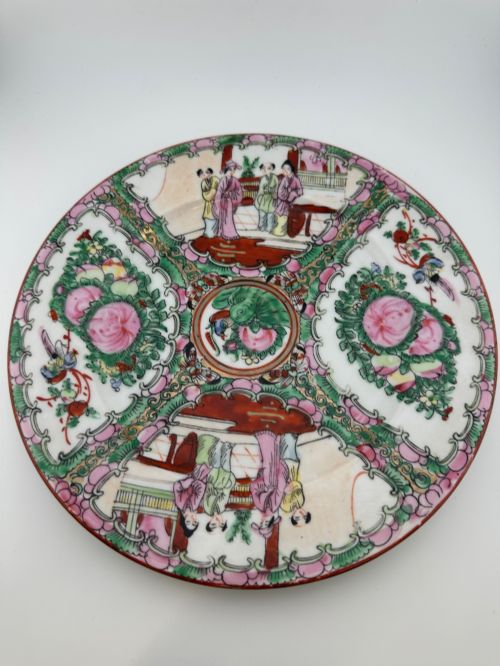
- A palette of Chinese porcelain enamels dominated by opaque pink or rose colours, introduced during the Qing Dynasty.
- Imari
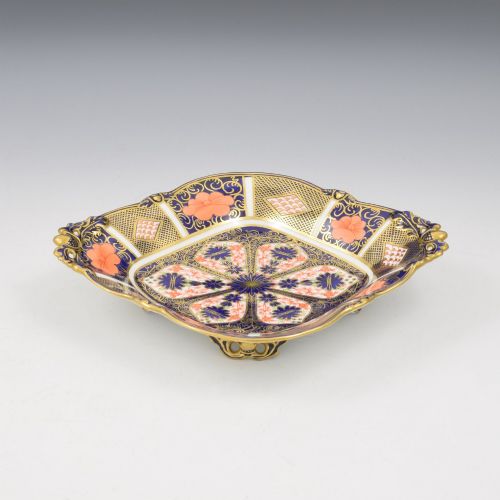
- A style of Japanese export porcelain characterised by underglaze blue, iron red, and gilt highlights, widely imitated in Europe.
- Tazza
- An Italian term for a shallow saucer-like dish mounted on a stem and foot, often used for serving desserts or sweetmeats in the nineteenth century.
Antique Ceramic Dishes: Frequently Asked Questions
How were antique ceramic dishes used originally?
Many of these vessels served practical functions at elite dining tables, holding fruits, sauces, cheese, or sweetmeats during multi-course meals. Larger chargers and decorated plates were frequently displayed on sideboards or walls to demonstrate household wealth and taste.
Over time, finer porcelain and earthenware transitioned into cabinet pieces, valued more for their artistic merit and hand-painted decoration than for daily dining service.
How can I tell English pieces from Asian exports?
English pieces often feature domestic botanical or avian patterns on bone china, ironstone, or soft-paste porcelain, sometimes marked with factory ciphers or pattern numbers. Asian export items typically utilise hard-paste porcelain with distinct stylistic elements such as Chinese blue and white or Japanese Imari palettes.
Examining the paste body through unglazed foot rims also reveals differences in clay composition and firing marks between European manufactories and Eastern kilns.
How do I care for antique ceramic dishes at home?
These items require gentle handling, washing only by hand in warm water with mild soap when necessary. Avoid soaking pieces with gilt decoration or overglaze enamels, as harsh detergents can degrade the historic pigments.
Display them securely away from direct sunlight and areas prone to sudden temperature changes to protect the glaze and body from stress.
What defines a tazza or comport?
A tazza or comport is a raised dish featuring a central stem and a supportive foot, elevating the vessel above the table surface. They were traditionally used to serve sweetmeats, nuts, or dessert fruits during formal nineteenth-century meals.
Their elevated form adds architectural height to a cabinet display and distinguishes them from flat plates or shallow bowls.