


Antique Ceramic Dinner Set
An antique ceramic dinner set brings centuries of dining history to your table through painted earthenware, creamware, and porcelain.
Antique Ceramic Dinner Set
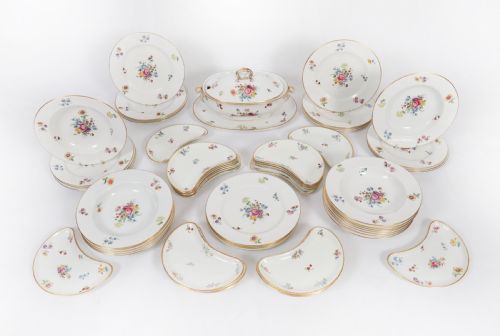
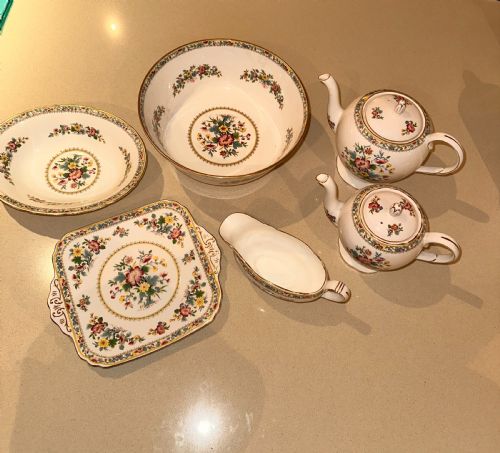
When you search for an antique ceramic dinner set, you are looking at comprehensive collections of plates, platters, and serving pieces created for formal or everyday dining across past centuries. These services range from expansive part-services numbering dozens of pieces to smaller groupings of plates and child's toy services.
The pieces you are most likely to meet on this page span the eighteenth and nineteenth centuries, including Victorian, Edwardian, and Regency periods. They showcase regional traditions from English earthenware factories to French porcelain manufactories.
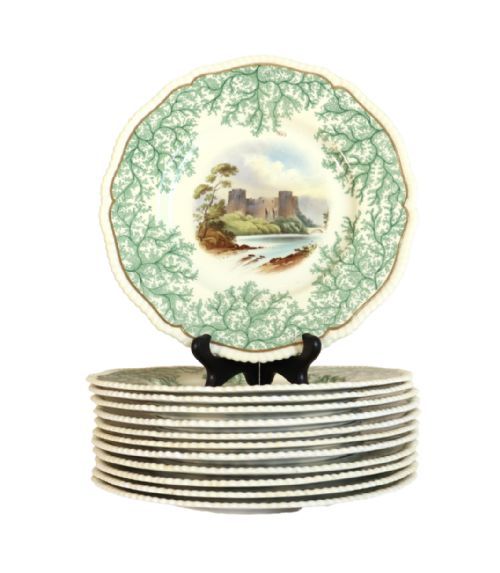
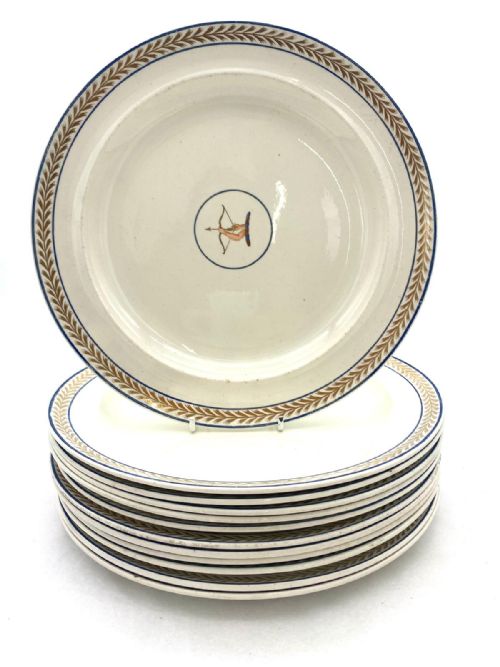
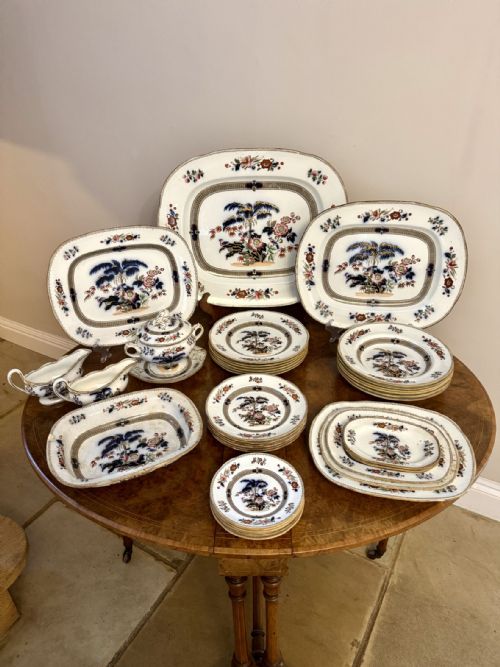
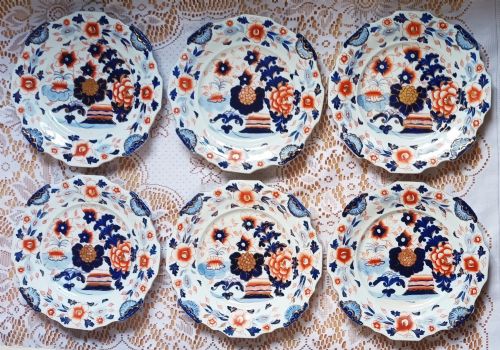
Forms include complete dinner services, armorial creamware plates, transfer-printed patterns, and hand-painted ironstone china. Each set reflects the dining habits and aesthetic preferences of its original era.
How they were made
Potters utilised earthenware, creamware, ironstone china, and soft paste porcelain as the foundational bodies for these services. These materials were shaped into plates and serving dishes before receiving glazes and specialised surface treatments.
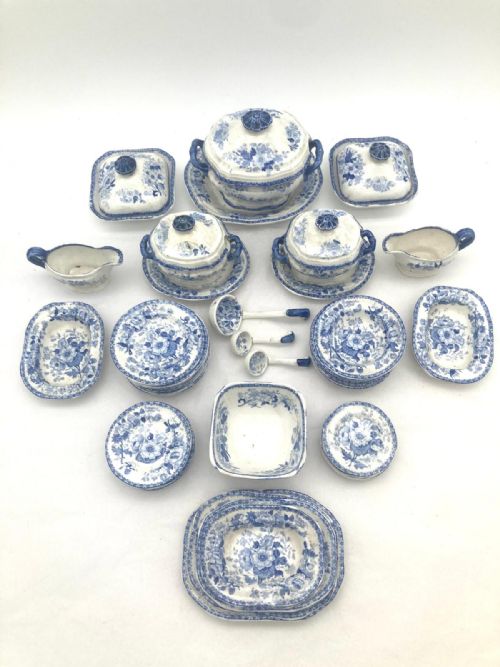
Decoration relied heavily on blue and white transfer printing, hand-painting, and gilding with gold leaf. Specialised techniques produced distinct motifs such as flow blue, botanical studies, and armorial crests.
Listings feature 18th-century creamware and soft paste porcelain alongside 19th-century ironstone, earthenware, and transfer-printed dinner services.
What varies in quality
Quality in these services rests upon the crispness of the transfer printing, the fineness of the ceramic body, and the preservation of hand-painted details and gold leaf. Superior sets maintain uniformity across large numbers of pieces, with consistent glaze application and well-defined patterns.
The prestige of the maker and the complexity of the design influence the standing of a service. Services featuring documented provenance or intricate multi-plate compositions command greater attention from collectors than standard domestic wares.
Spode·Wedgwood·Minton·Copeland·Booths·Sevres·Chantilly·Doulton·Masons
The Antique Ceramic Dinner Set Glossary
- Creamware
- A refined earthenware developed in England during the eighteenth century, known for its warm pale yellow or cream-coloured glaze. Wedgwood notably produced botanical and armorial services in this versatile body.
- Ironstone China
- A heavy, durable type of earthenware patented in the nineteenth century to imitate Chinese porcelain. Makers such as Mason's utilised it for robust dinner services decorated in vibrant patterns.
- Transfer Printing
- A technique where an engraved copper plate transfers a design onto tissue paper, which is then stamped onto the ceramic body before glazing. This method allowed for intricate scenes like Landmark Scene or London Bridge to be replicated consistently.
- Flow Blue
- A nineteenth-century ceramic printing style where the cobalt blue pigment intentionally bled into the surrounding white glaze during firing. This created a soft, misty appearance popular in Victorian dining wares.
- Soft Paste Porcelain
- An artificial porcelain composition fired at lower temperatures than hard paste, developed in Europe to replicate Chinese imports. Eighteenth-century French factories such as Chantilly and Sèvres employed this material for delicate plates.
Antique Ceramic Dinner Set: Frequently Asked Questions
How do I care for antique ceramic dinner sets?
Wash these pieces by hand in warm water using mild soap, avoiding harsh automatic dishwashers that can damage old glazes and gold leaf. Store them with protective felt dividers between plates to prevent scratching.
Inspect your pieces periodically for hairline cracks and handle serving platters with support beneath the base rather than by the rim alone.
Can I still use these dinner sets for meals?
Many people enjoy using their antique dinner sets for special occasions, provided the glaze remains intact and free from heavy deterioration. Earthenware and ironstone are generally robust enough for careful dining.
Avoid exposing older ceramics to sudden thermal shock, such as placing cold plates into a hot oven or microwave, which can craze the glaze.
What is the difference between earthenware and porcelain?
Earthenware is an opaque, porous ceramic body fired at lower temperatures, commonly seen in creamware and transfer-printed plates. It offers a heavier feel and traditional domestic utility.
Porcelain is a denser, vitrified ceramic that is often translucent when held to the light, encompassing both soft paste French wares and later fine English bodies.
How do I identify the date of a dinner service?
Examine the base of the plates for impressed maker marks, registry diamonds, or painted pattern numbers which correspond to factory production records. Stylistic clues such as floral borders, armorial crests, and manufacturing materials also point toward specific decades.
Compare the weight, glaze characteristics, and potting techniques against known examples from periods like the Regency or Victorian eras.