


Victorian China Tableware Set
These victorian china tableware set pieces bring genuine nineteenth-century craft to the dining room, offering service sets and servingware for daily dining or display.
Victorian China Tableware Set
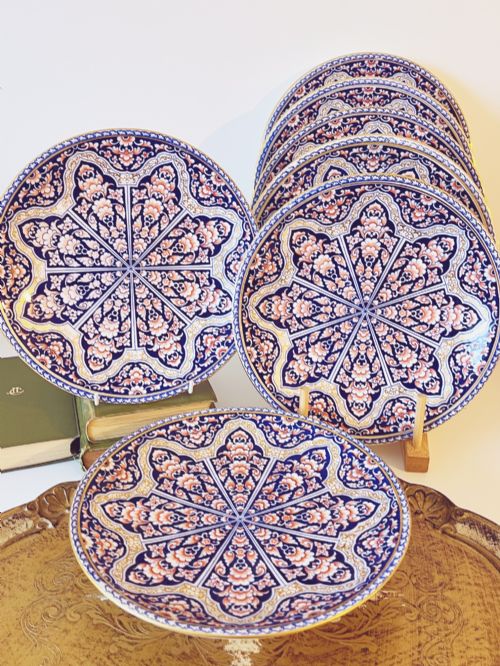
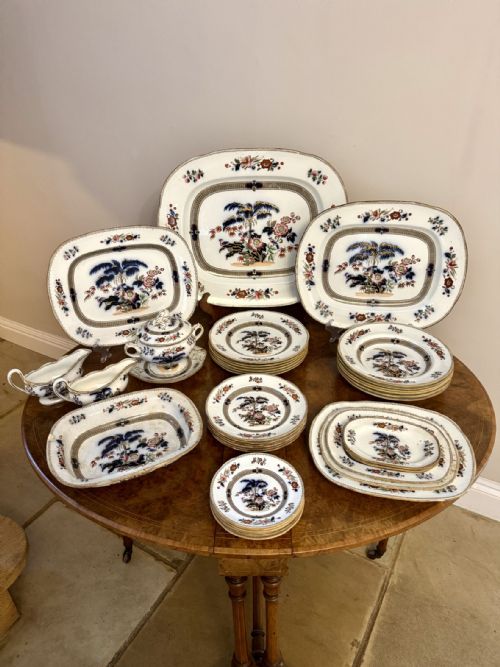
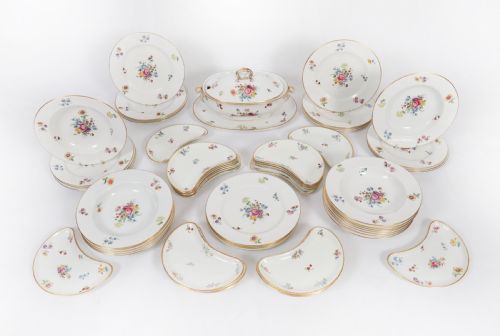
A victorian china tableware set encompasses everything from large multi-piece dinner services down to specialised dessert sets, custard sets, and individual tea services. The items appearing on this page span the nineteenth century, including pieces dated to the 1860s, 1880s, 1890s, and into the Edwardian era.
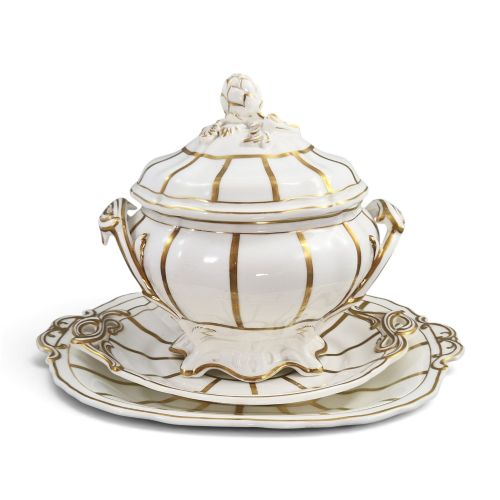
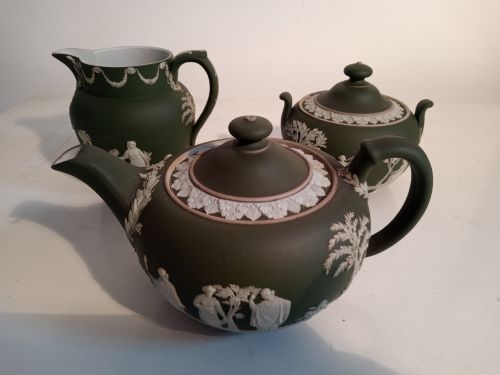
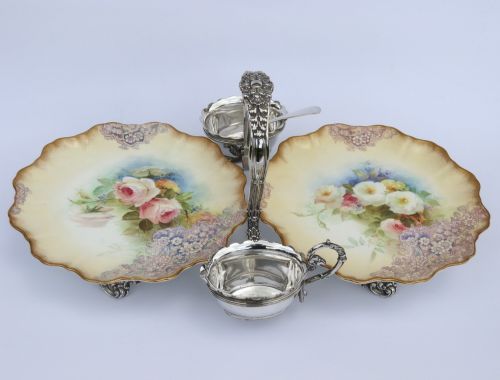
Buyers will encounter comprehensive dinner services alongside smaller configurations like sauce tureen sets, bachelor teasets, and dessert services comprising comports and plates. The forms reflect the dining habits of the period, ranging from formal multi-course dinnerware to intimate tea sets.
Origins vary across established English potteries as well as continental and Russian makers, demonstrating the wide scope of production during the Victorian epoch. Pieces range from earthenware and ironstone to fine porcelain and bone china.
Assessing Quality and Execution
Quality in a nineteenth-century service rests on the precision of the ceramic body and the skill evident in the hand-painted or gilt decoration. Finer sets display crisp moulding, balanced forms, and meticulous brushwork on botanical or patterned motifs.
The completeness of a service and the preservation of its original gilding and enamel colours dictate the standing of a set. Greater artistic ambition in the painting and the use of superior porcelain bodies elevate the production standard.
The services documented span various configurations, from large dinner services of nearly sixty pieces down to intimate bachelor teasets and custard sets.
Royal Crown Derby·Davenport·Wedgwood·Copeland Spode·Walker and Hall·Doulton Burslem·Coalport·Masons·Kornilov Brothers
The Victorian China Tableware Set Glossary
- Bone China
- A type of soft-paste porcelain containing bone ash, known for its high strength, chip resistance, and translucent quality. It became a staple of nineteenth-century English ceramic production.
- Ironstone
- A heavy, durable earthenware developed in the nineteenth century as a robust alternative to porcelain. It offered high resistance to cracking and chipping during daily use.
- Creamware
- A refined earthenware with a pale yellowish-white glaze, perfected in the eighteenth century and continued through the Victorian period. It provided an economical yet elegant canvas for transfer-printed or painted decoration.
- Comport
- A decorative pedestal dish or bowl used for serving fruit or sweets as part of a dessert service. It typically stood taller than the surrounding plates to create tiered table arrangements.
- Gilt
- A thin layer of gold applied to the surface of ceramic pieces to accentuate rims, handles, and painted motifs. Its preservation offers an indication of how carefully a service was handled over time.
- Sauce Tureen
- A small covered serving dish specifically designed for gravies and sauces, often accompanied by its own matching undertray. These vessels formed an essential part of formal nineteenth-century dining services.
Victorian China Tableware Set: Frequently Asked Questions
How do I care for antique dinnerware?
Hand wash these pieces gently using mild soap and warm water, avoiding harsh detergents and modern dishwashers that can damage old glazes and gold leaf.
Store plates with felt dividers between them to prevent scratching the decorated surfaces when stacked in cupboards.
Can I use these sets for dining?
Many nineteenth-century services remain structurally sound for occasional dining, provided they are handled with care and kept away from sudden temperature extremes.
However, pieces with delicate hand-painted enamels or extensive gilding are often reserved for display or light use to preserve their condition.
What is a dessert service?
A dessert service is a matching collection of plates and serving pieces, such as comports, specifically designated for the final course of a formal meal.
These sets often feature more elaborate hand-painted botanical or pictorial motifs than standard everyday dinnerware.
How do I identify Victorian pottery marks?
Potters stamped or printed factory marks, pattern numbers, and sometimes registration symbols directly onto the unglazed base of the ceramic body.
Reference guides cataloguing nineteenth-century British registry marks help narrow down the exact decade of manufacture for stamped pieces.