


Antique Ceramic Candlesticks
These antique ceramic candlesticks bring sculptural form and painted detail to a tabletop, offering collectors both functional lighting and ornamental depth.
Antique Ceramic Candlesticks
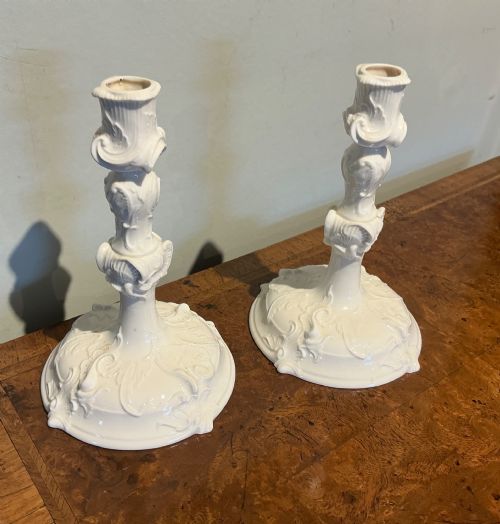
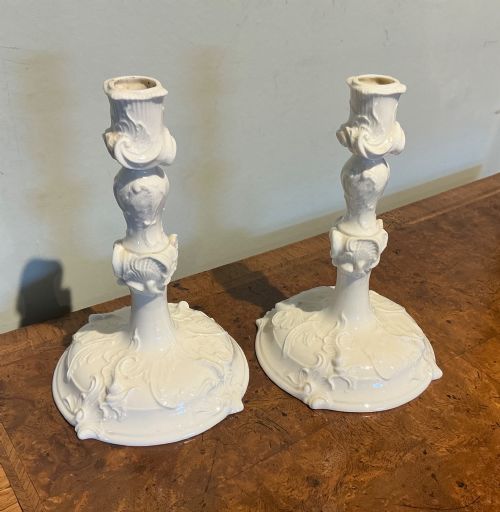
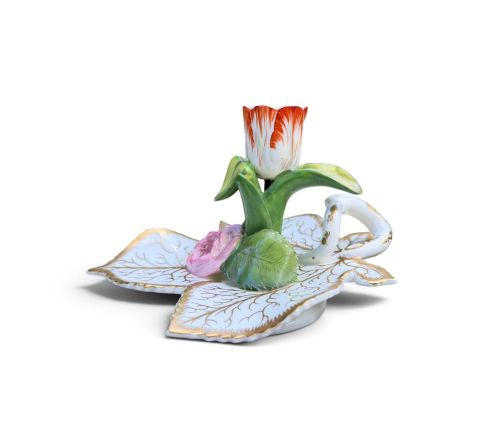
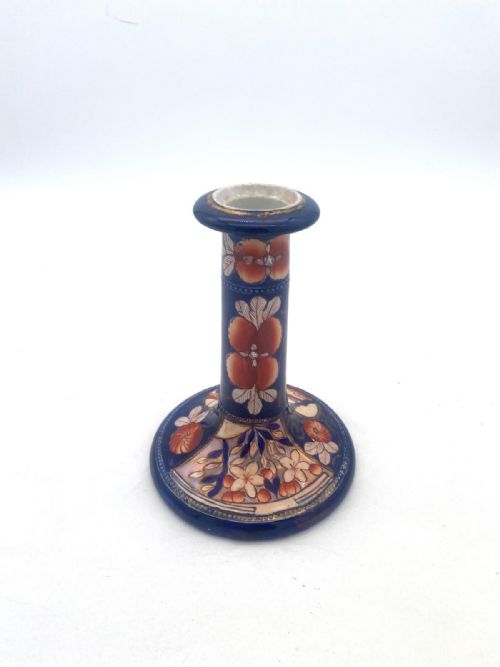
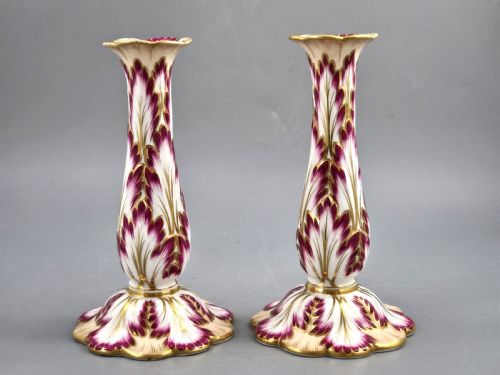
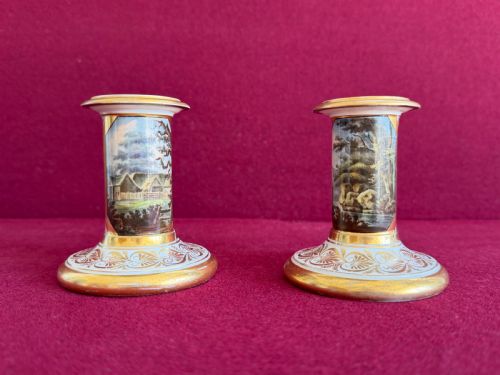
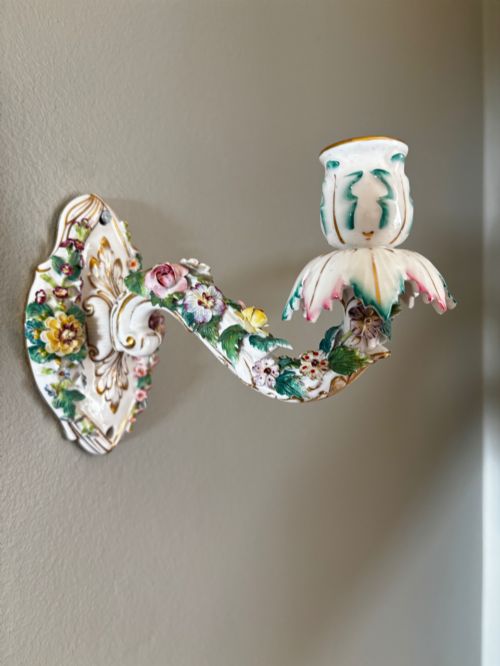
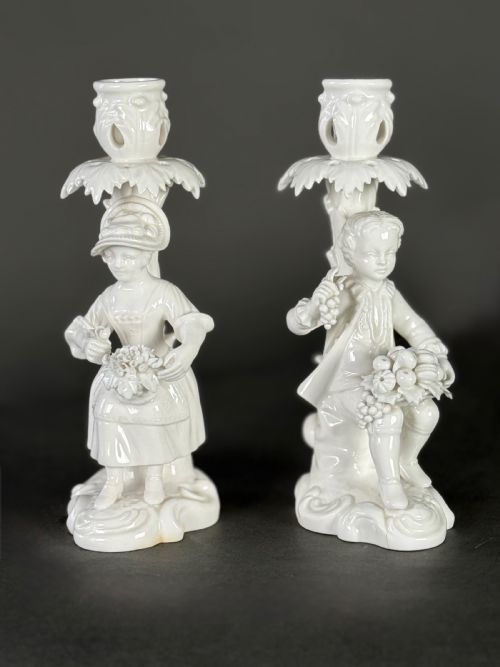
When you examine antique ceramic candlesticks, you encounter objects shaped from porcelain, ironstone, and earthenware designed to hold candles securely while adding decorative flair to a room. The items gathered here span functional chambersticks with finger loops, multi-arm candelabra, wall sconces, and elaborate figural groups depicting children, dancers, and allegorical subjects.
The pieces on this page originate predominantly from 18th-century, Georgian, Victorian, and early 20th-century workshops across Britain and continental Europe. Buyers frequently find pairs modelled in rococo, neoclassical, and regency styles, often enriched with moulded foliage, bocage backgrounds, and hand-painted polychrome glazes.
How they were made
Potters shaped these items using hard-paste and soft-paste porcelain, ironstone, and earthenware bodies, frequently employing moulds to achieve complex figural and scrollwork contours. Artisans then applied underglaze and enamel colours, sometimes incorporating gilt highlights, gold leaf, and rich glaze layers before firing the pieces in kilns.
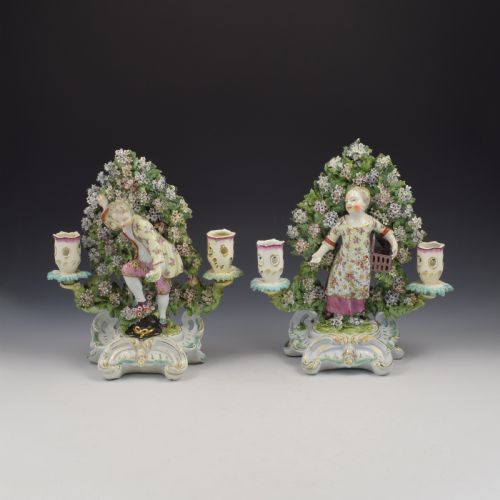
Figural models such as bocage candlesticks required delicate hand-assembly, where makers attached separately cast flowers, leaves, and figures to the main stem using liquid clay slip before the final glaze firing.
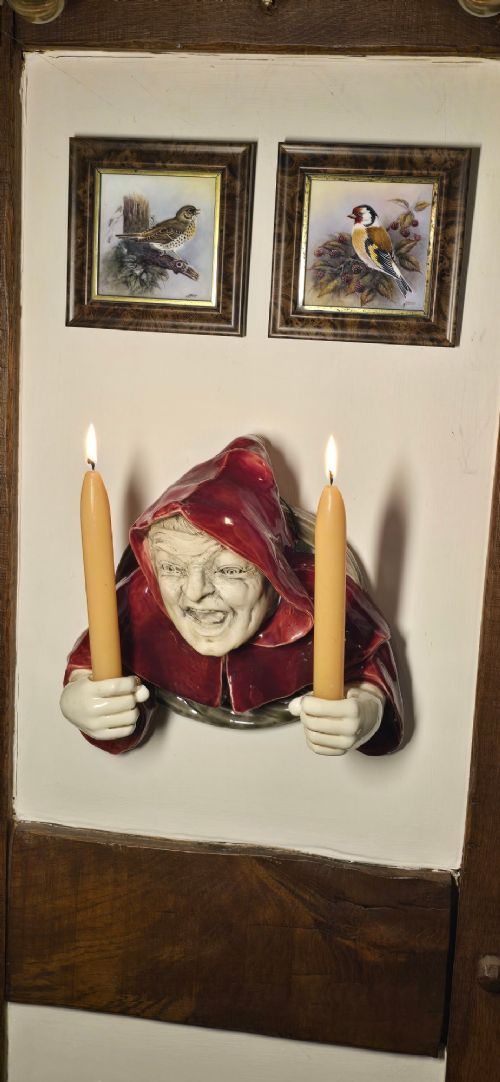
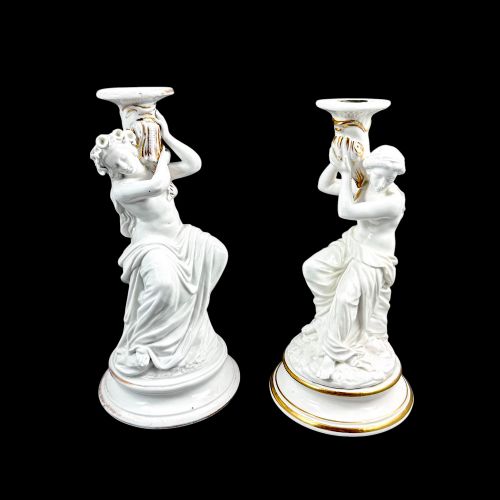
Several charming figures hold candles while posing as kneeling bishops, gardening children, and classical dancers.
What varies in quality
Compositional balance and completeness also drive distinction, particularly in complex figural groups where intricate floral bocage backgrounds can suffer losses over time. Pieces that retain their original colouring, factory marks, and structural integrity without extensive restoration occupy the upper tier of the market.
Nymphenburg·Masons Ironstone·Ridgway·Barr Flight And Barr·Meissen·Derby·Royal Worcester·Wedgwood·Sitzendorf·Spode·Royal Doulton·Chelsea·Minton·Dresden·Bow
The Antique Ceramic Candlesticks Glossary
- Bocage
- A background of applied porcelain leaves and branches that surrounds figures on 18th-century and 19th-century candlesticks. This decorative foliage creates a dense, garden-like setting behind the main subject.
- Chamberstick
- A low candlestick fitted with a saucer base and a small side handle for carrying through a house. These portable items were commonly used before the widespread adoption of domestic gas lighting.
- Hard-paste porcelain
- A durable ceramic paste composed of kaolin and petuntse fired at very high temperatures. It produces a dense, bright white body that resists scratching.
- Ironstone
- A heavy, semi-vitrified earthenware developed in Britain as a robust and cheaper alternative to true porcelain. It provides a sturdy base for colourful enamel decoration.
- Polychrome
- Decoration executed in multiple colours. Artisans applied these mineral-based pigments by hand before firing the glazed ceramic surface.
Antique Ceramic Candlesticks: Frequently Asked Questions
What is a chamberstick used for?
A chamberstick provided portable lighting for moving through dark hallways and bedrooms before electricity. The attached saucer caught dripping wax while the loop handle allowed safe transport.
Today, collectors appreciate them as intimate desk accessories or bedside pieces that showcase domestic routines of past centuries.
How do I identify porcelain periods?
Dating ceramic lighting requires examining base marks, glaze textures, and stylistic cues such as rococo scrolls or neoclassical symmetry. Eighteenth-century items often feature hand-painted underglaze blue marks or simple patch marks from kiln placement.
Later Victorian and Edwardian productions display impressed stamps, pattern numbers, or printed factory ciphers that narrow down the exact decade of manufacture.
Are figural candlesticks fragile?
Many figural examples include delicate elements like applied porcelain leaves, thin arms, and leafy bocage backgrounds that require careful handling. These intricate details make them vulnerable to knocks if placed in high-traffic areas.
Placing them on stable, level surfaces away from edge hazards ensures they remain secure during everyday display.
Can I still burn candles in them?
While these items were originally made for functional lighting, modern users often choose to display them unlit to protect the glaze and enamel work. Burning candles risks heat-stressing old ceramic bodies and causing wax to adhere to antique surfaces.
If you do use candles, select tapers that fit snugly without forcing and extinguish them well before the flame reaches the sconce rim.