
Antique Ceramic Basket
An antique ceramic basket brings tactile warmth and intricate hand-painted detail to a table, offering a glimpse into centuries of refined kiln craftsmanship.
Antique Ceramic Basket
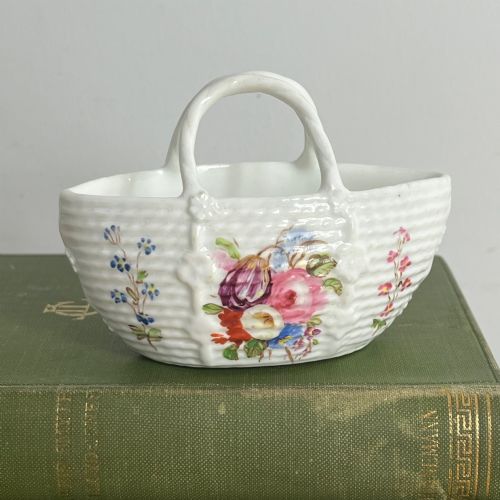
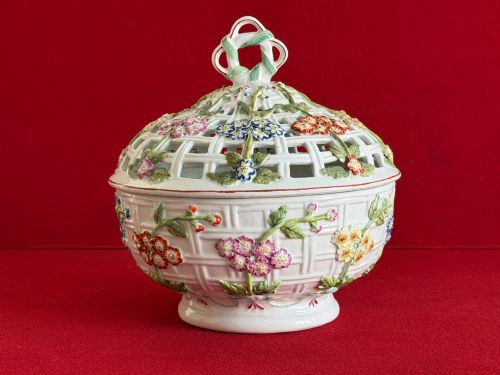
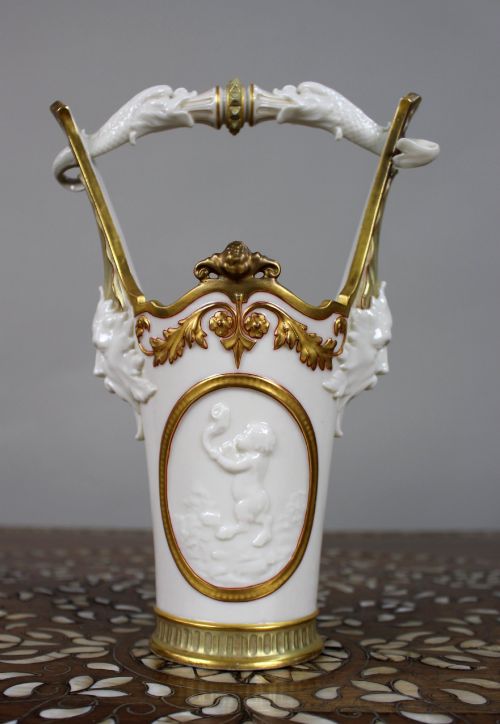
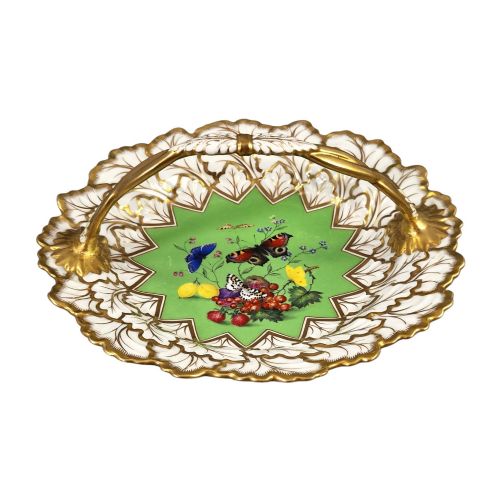
An antique ceramic basket is a decorative or functional vessel shaped to mimic woven wicker or rushes, realised entirely in fired clay, earthenware, or porcelain. When searching this phrase, a buyer encounters pieces ranging from eighteenth-century Georgian chestnut vessels to nineteenth-century majolica and Victorian floral arrangements.
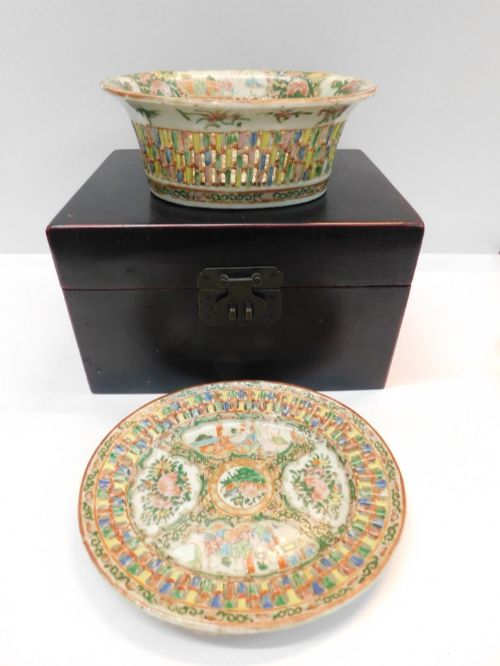
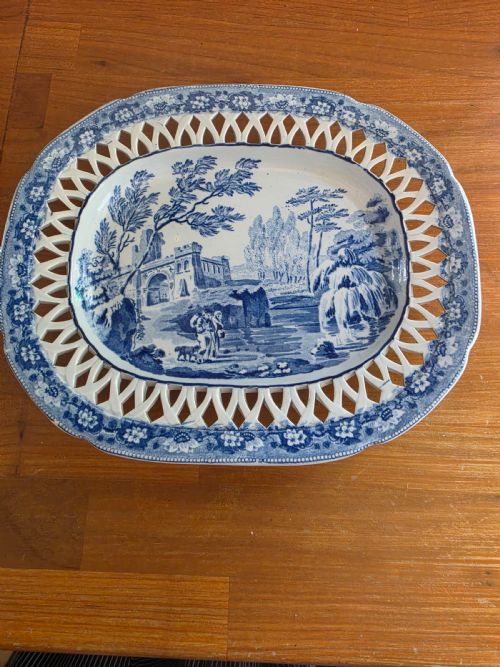
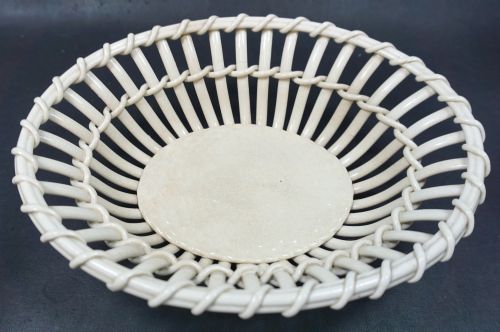
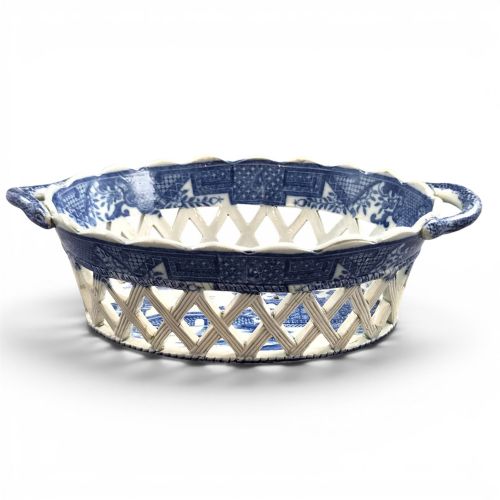
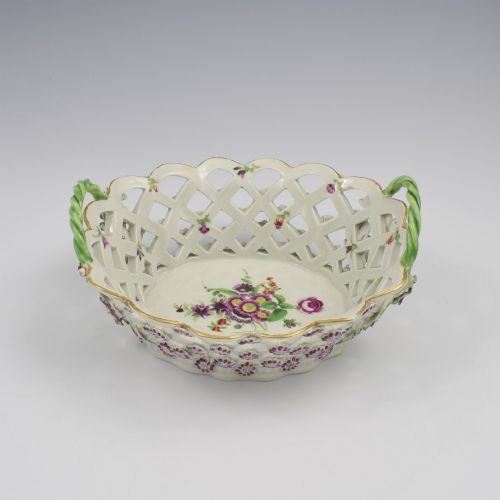
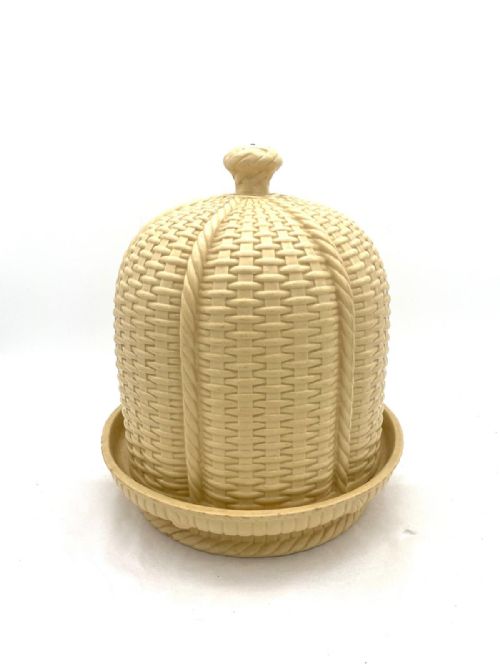
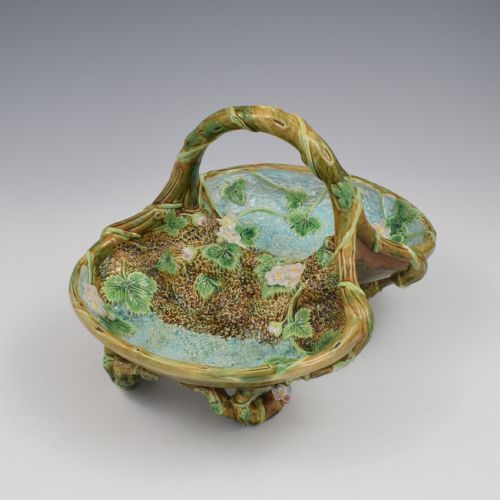
The most common examples on this page include reticulated porcelain chestnut baskets with pierced lattice walls, alongside earthenware strawberry bowls and creamware pieces featuring realistic cane textures. These objects served utilitarian dining roles or stood as elaborate table centrepieces during formal meals.
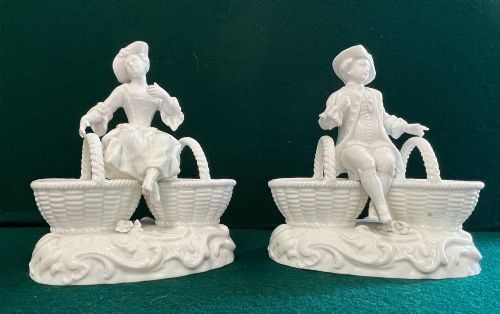
Origins span major European factories such as Worcester, Derby, and Meissen, alongside Chinese export porcelain created for Western markets. Collectors find forms that bridge the gap between sculptural figures and functional tableware, often complete with matching pierced stands.
How they were made
Potters utilised fine porcelain, earthenware, and terracotta, shaping them through a combination of throwing, moulding, and meticulous hand-piercing known as reticulation. Workers cut individual openings in the soft clay walls to create the lattice patterns characteristic of chestnut baskets before the initial bisque firing.
Decoration relied on hand-painted polychrome enamels, underglaze blue transfers, and applied ceramic flower encrustations modelled petal by petal. Artisans then sealed the pieces with transparent or coloured glazes, occasionally incorporating gold leaf and gilding highlights prior to a final low-temperature kiln fixation.
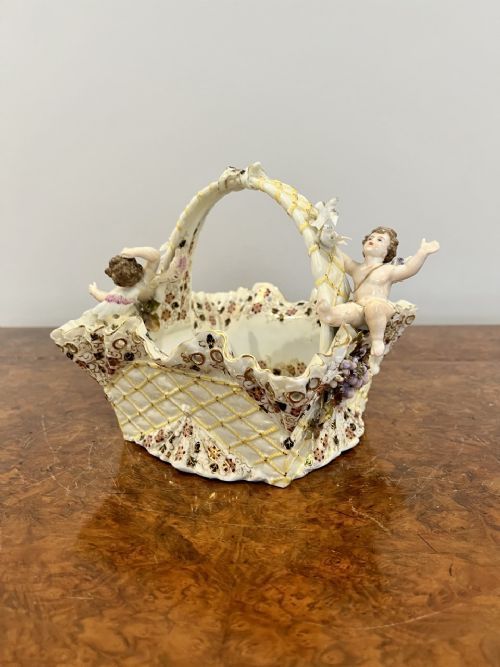
Victorian potters modeled elaborate ceramic baskets to resemble everything from woven wicker to sea coral, ensuring fruit looked thoroughly bewildered.
What varies in quality
The standard of an antique ceramic basket rests upon the crispness of its pierced reticulation and the delicacy of its applied embellishments. Superior examples display sharply defined lattice work and naturalistic flower encrustations that remain crisp and unclouded by thick glaze pools.
Painting execution dictates the upper tiers of the market, where hand-painted floral panels and landscape vignettes exhibit fine brushwork rather than stencilled outlines. The presence of a matching original stand and the preservation of delicate handles further separate masterworks from standard production pieces.
Flight Barr And Barr·Royal Worcester·Meissen·Derby Porcelain·Spode·Wedgwood·J And R Clews·Minton·Rockingham Porcelain
The Antique Ceramic Basket Glossary
- Reticulation
- The pierced lattice work characteristic of chestnut baskets and decorative bowls, formed by cutting geometric patterns into the damp clay before firing. This technique required immense skill to prevent the vessel walls from warping in the intense kiln heat.
- Chestnut basket
- A specialised lidded or open vessel designed to hold roasted chestnuts at the conclusion of a formal Georgian or Victorian dinner. They frequently include matching undertram stands to protect polished mahogany dining tables.
- Majolica
- A colourful, heavy earthenware pottery coated with an opaque tin glaze, popular during the Victorian era for naturalistic plant and fruit forms. George Jones and Minton produced notable examples featuring vivid lead-glaze coloration.
- Creamware
- A refined, light-coloured earthenware developed in eighteenth-century England, possessing a warm yellowish tone under a transparent lead glaze. Wedgwood mastered this versatile body for utilitarian and decorative wares alike.
- Drabware
- A utilitarian ceramic body finished in muted greyish-brown or olive tones, favoured for nineteenth-century kitchen and pantry items such as cheese domes. Its understated palette allowed functional forms to take precedence over decoration.
Antique Ceramic Basket: Frequently Asked Questions
What were antique ceramic baskets used for?
These vessels primarily held dry foods such as chestnuts, fruit, or sweetmeats at the conclusion of large banquets. Many also served as decorative table centrepieces filled with porcelain flowers or foliage.
Over time, their role shifted toward purely ornamental displays within Victorian parlours and drawing rooms, where their intricate lattice work could be admired up close.
How do I care for an antique porcelain basket?
Display these fragile vessels away from direct sunlight and areas subject to sudden temperature fluctuations, which can stress old glazes. Dust them gently with a soft, dry brush rather than attempting immersion in water.
If cleaning is necessary, use a damp cloth without harsh detergents, taking extra care around applied flower encrustations and delicate handles where historic adhesives or thin porcelain might be vulnerable.
How do I tell eighteenth-century pieces from nineteenth-century ones?
Eighteenth-century pieces, such as those from the First Period Worcester or early Meissen factories, typically feature softer paste bodies, hand-pencilled factory marks, and understated polychrome palettes. Their forms tend to be lighter and more closely tied to functional dining customs.
Nineteenth-century items often exhibit brighter transfer prints, heavier earthenware bodies like majolica, and crisper moulded details influenced by industrial advancements in kiln technology.
Are all ceramic baskets sold with their original stands?
Many chestnut baskets were originally manufactured alongside matching undertram stands designed to catch crumbs or moisture. However, because these pieces were handled separately during service, stands were frequently separated from their baskets over the centuries.
Finding a complete matched pair significantly enhances the historical integrity of the piece, though many fine baskets survived perfectly well on their own.