

Antique Ceramic Base
An antique ceramic base brings sculptural weight and tactile glaze to interior lighting and display.
Antique Ceramic Base
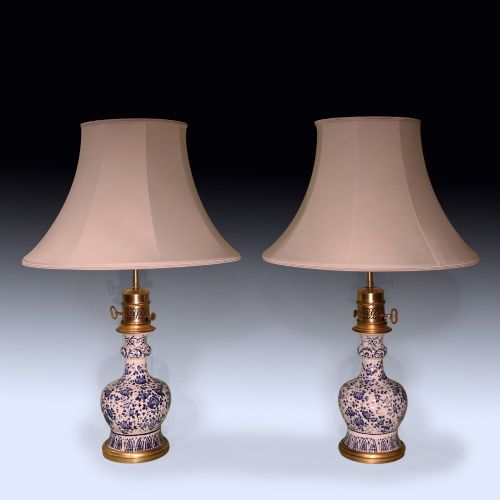
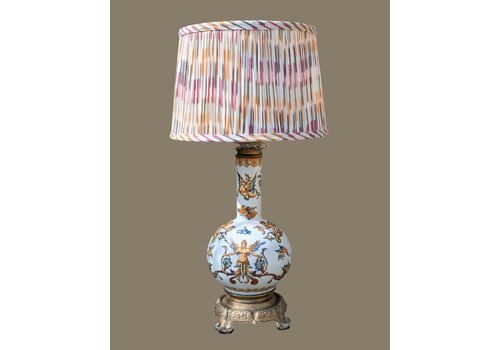
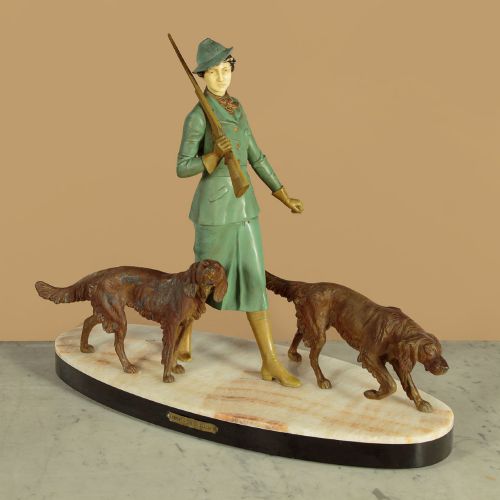
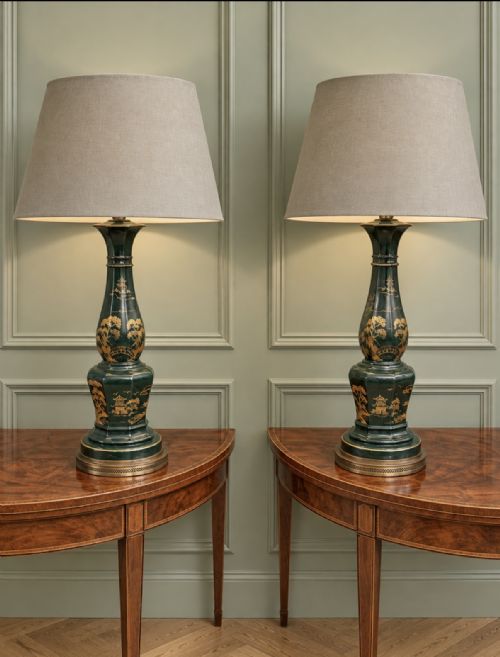
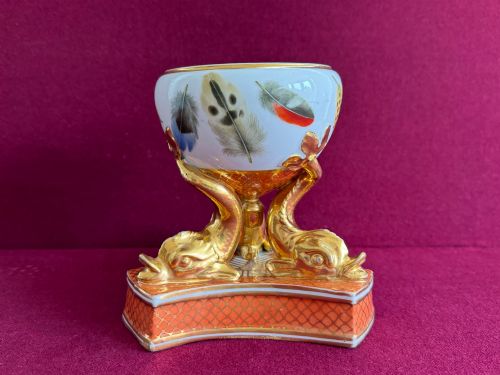
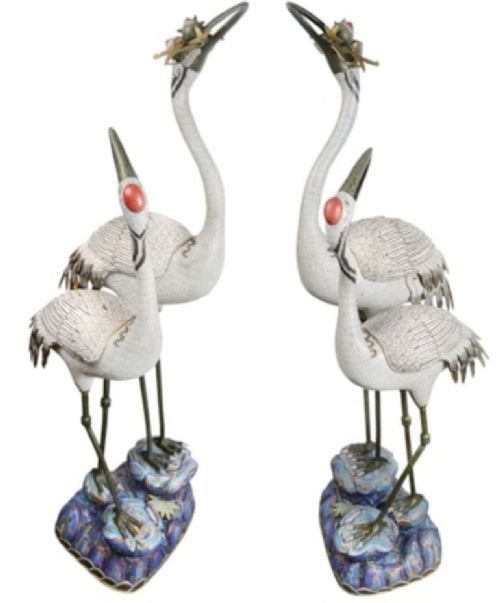
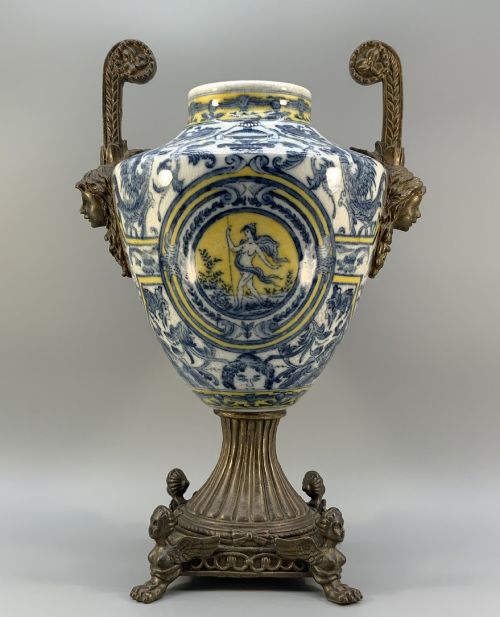
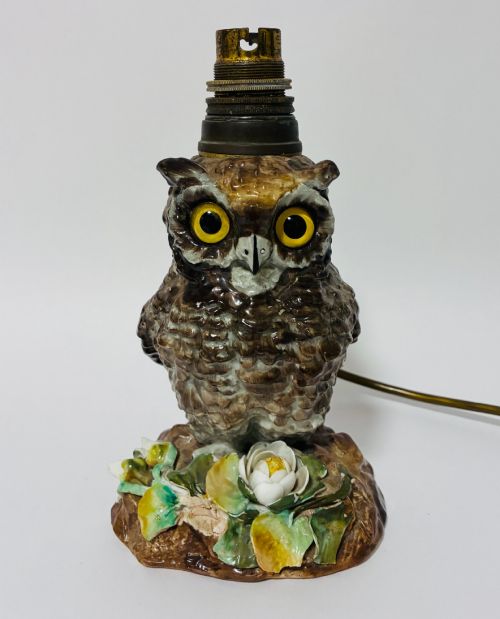
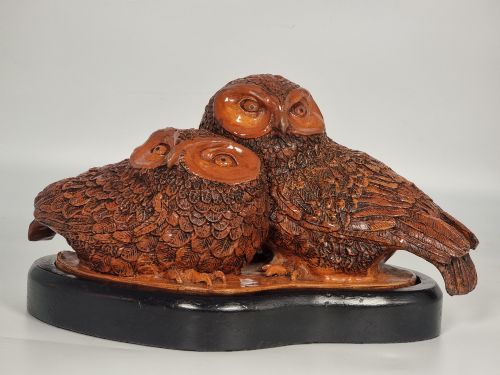
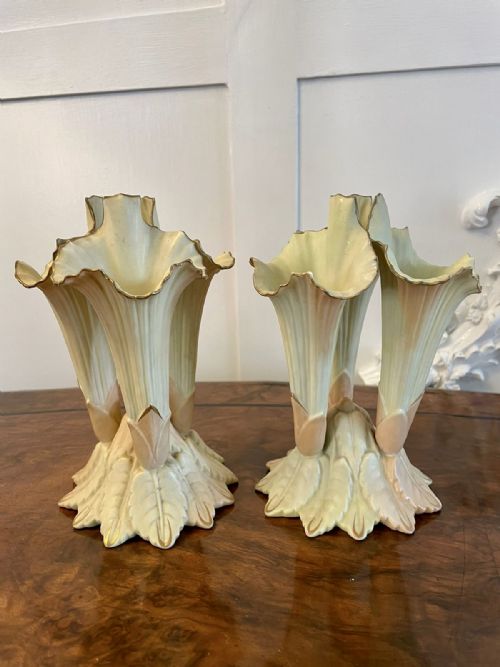
An antique ceramic base encompasses converted oil lamps, transformed vases, and sculptural figures adapted from the Georgian, Victorian, and early twentieth-century periods. These objects span English potteries, French porcelain houses, and Chinese export wares, often incorporating metal mounts.
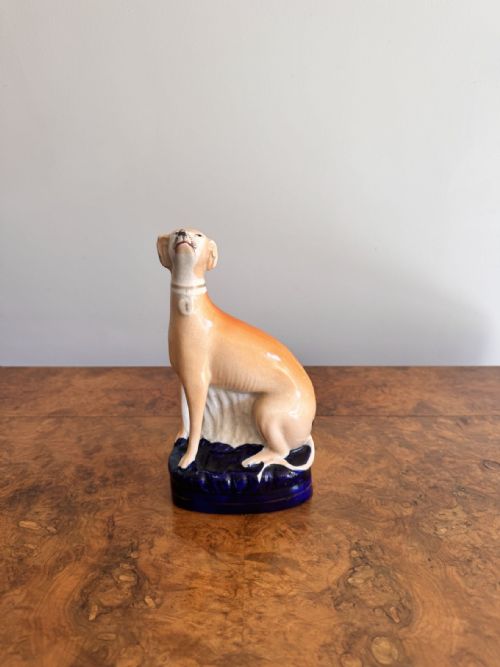
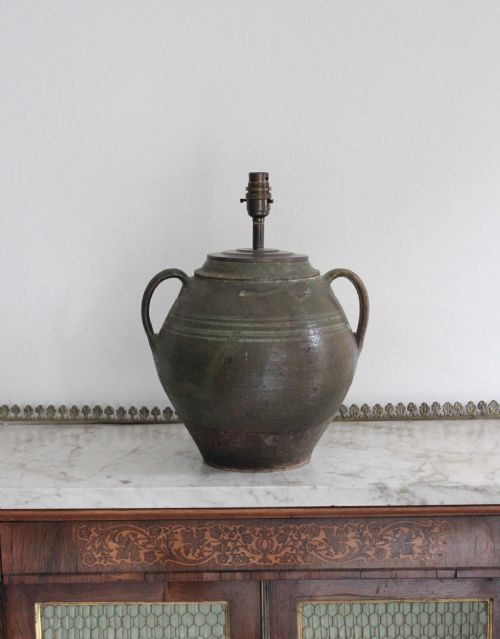
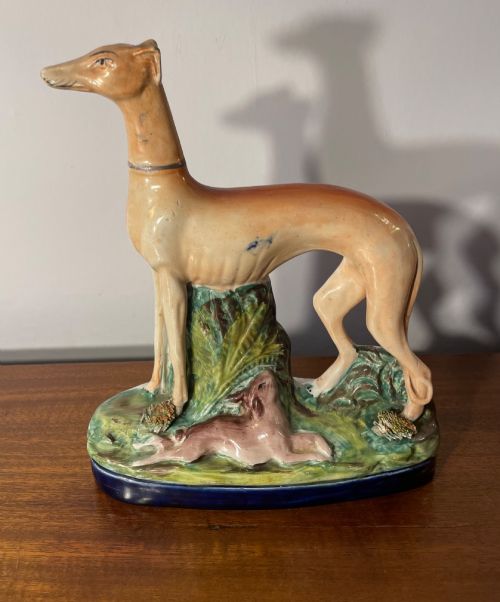
The selection leans heavily toward Staffordshire pottery animal figures, porcelain table lamp bases, and glazed earthenware vessels. Buyers encounter everything from blue and white Staffordshire dogs to majolica planters and Satsuma ceramic bodies.
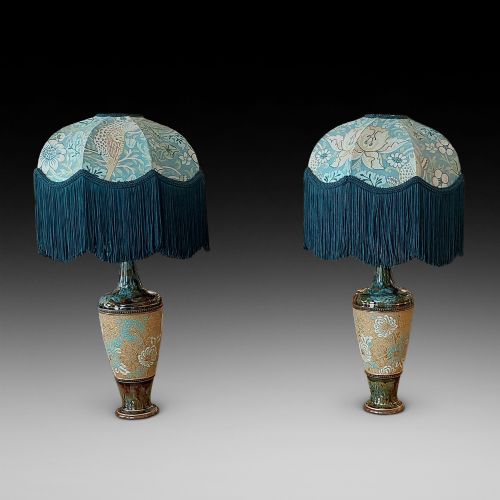
Many items originate from utilitarian beginnings, such as oil lamps or spill vases, later converted for electrical wiring or paired with custom stands. Their enduring appeal lies in combining functional support with decorative ceramic artistry.
How they were made
Potters utilised earthenware, stoneware, and fine porcelain bodies, shaping them by hand, on the wheel, or within press-moulds. These clay forms received hand-painted enamels, transfer printing, or rich monochrome glazes before undergoing high-temperature kiln firing.
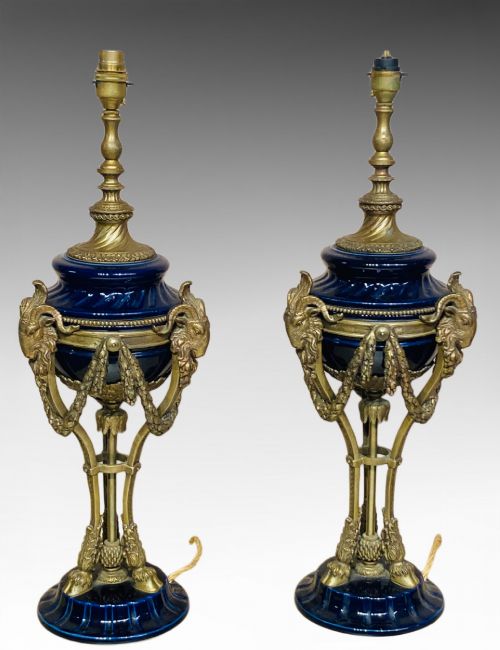
Metal components such as brass, gilt ormolu, and bronze mounts provide structural stability and decorative contrast to the ceramic bodies. These mounts are secured via threaded rods or fitted collars, anchoring the pottery securely to its base.
Antique Ceramic Base Retail Price Guide 2026
Typical asking prices for ceramic base among the pieces listed under this phrase on Sellingantiques today, from the lower quarter to the upper quarter. They describe what is for sale here now, not the wider market.
Listings feature 19th Century, Victorian, Georgian, and 1920s periods, incorporating porcelain, earthenware, brass, and gilt materials.
What varies in quality
Quality rests in the crispness of the modelling and the depth of the glaze, distinguishing mass-produced wares from exceptional studio output. Hand-painted enamel details show artistic precision, while superior porcelain bodies exhibit translucency and uniform thickness.
The integration of metal mounts reveals the maker's intent, where bespoke ormolu or cast brass elements complement the ceramic profile rather than overpower it. Preservation of original hand-applied colour without excessive restoration dictates the standing of each piece.
Royal Doulton Slaters·Locke And Co·Hicks And Meigh·Moorcroft Art Pottery·Royal Worcester·Letu And Mauger·Doulton Burslem
The Antique Ceramic Base Glossary
- Majolica
- A heavy earthenware pottery covered with an opaque tin-glaze, painted with brightly coloured metallic oxide pigments. It gained popularity during the Victorian era for decorative planters and figural wares.
- Pearlware
- A fine earthenware developed by Staffordshire potters, featuring a subtle bluish-white glaze pooled in the recesses. This material bridged the gap between creamware and true porcelain.
- Ormolu
- Cast bronze that has been mercury-gilded to produce a rich gold finish, frequently employed for mounts on French and English porcelain bases. It adds structural weight and ornamental flair.
- Transfer printing
- A decoration technique where an engraved copper plate transfers a design onto paper, which is then stamped onto the ceramic biscuit before glazing. This allowed for intricate blue and white patterns on bowls and vases.
- Spill vase
- A cylindrical container designed to hold wooden splints used for lighting candles or fires. Many examples survive as decorative mantel ornaments or form the bodies of lamp conversions.
Antique Ceramic Base: Frequently Asked Questions
How are antique ceramic lamp bases wired?
Most ceramic bases converted for electricity utilise a brass rod running through the centre or rely on fitted collar assemblies resting on the original mount. These setups preserve the ceramic body while accommodating modern flex and bulb holders.
Buyers should inspect the cord exit points and ensure professional rewiring meets current safety standards without compromising the historic fabric of the pottery.
Can I use an antique vase as a lamp base?
Vases and spill vases frequently undergo conversion into lamp bases because their height and stable footed forms suit electrical fittings. Many retain non-invasive brass mounts that clamp onto the rim or base.
This adaptation allows fragile porcelain and stoneware to serve a functional purpose in modern rooms while remaining reversible.
How do I date Staffordshire pottery figures?
Staffordshire figures from the Georgian and Victorian eras display distinct glazing styles, hollow undersides, and modelling traits. Earlier pieces often feature underglaze blue painting or pearlware glazes, while late Victorian examples exhibit brighter enamel palettes and moulded detailing.
Examining the base and the weight of the earthenware helps distinguish early nineteenth-century animal figures from later reproductions.
What care do ceramic lamp bases require?
Dusting with a dry, soft cloth prevents particulate buildup on textured glazes and gilt mounts. Avoid liquid cleaners on hand-painted enamels, as moisture can lift delicate overglaze decorations.
Checking the stability of any attached brass or ormolu mounts periodically ensures the ceramic body remains secure against the weight of the electrical fittings.