


Antique Castored Side Chair
An antique castored side chair offers nimble mobility combined with period timber and upholstery.
Antique Castored Side Chair
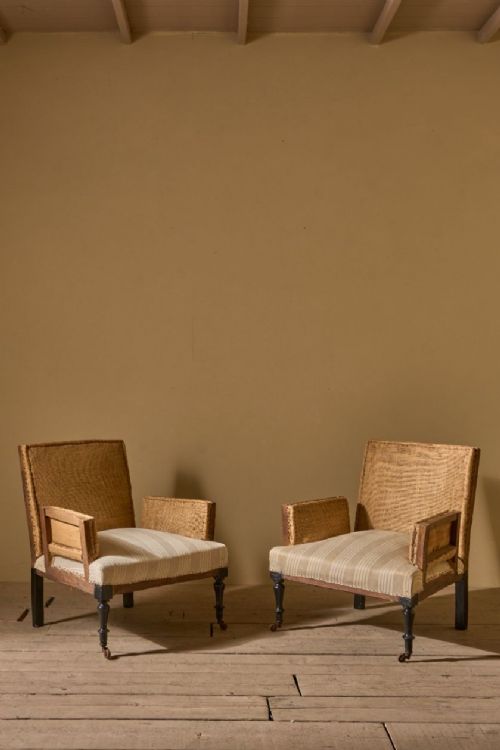
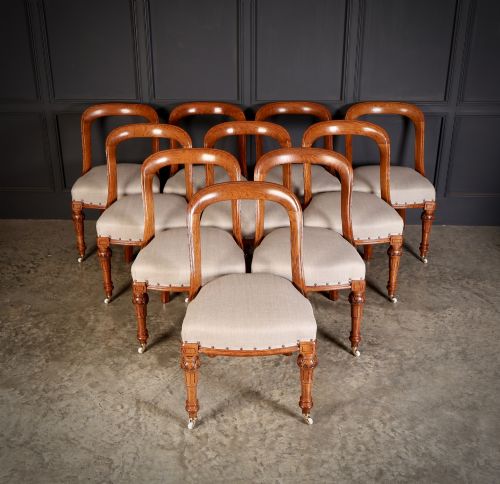
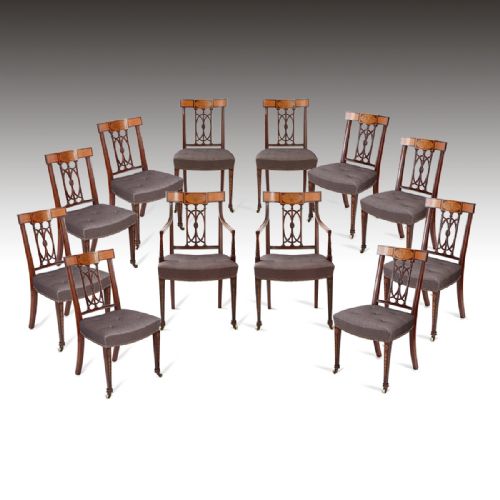
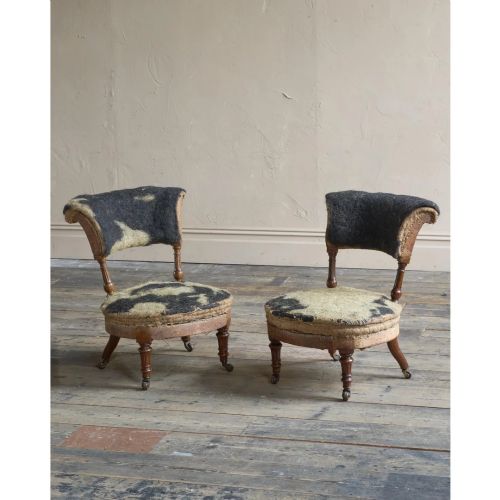
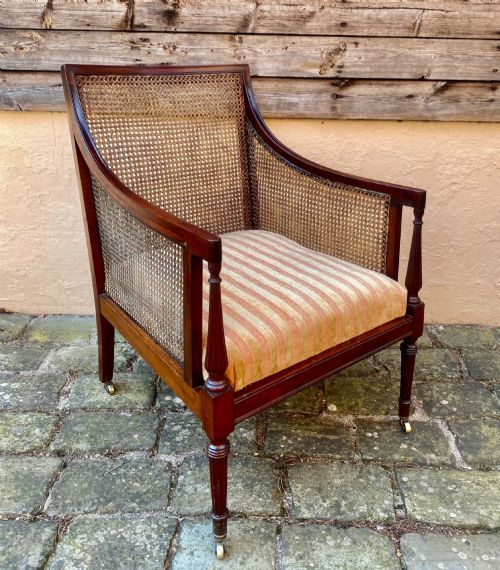
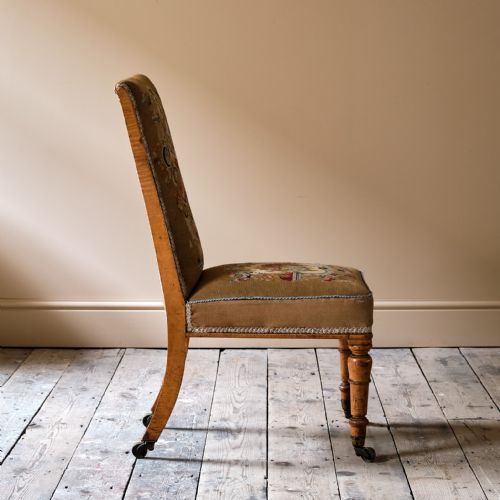
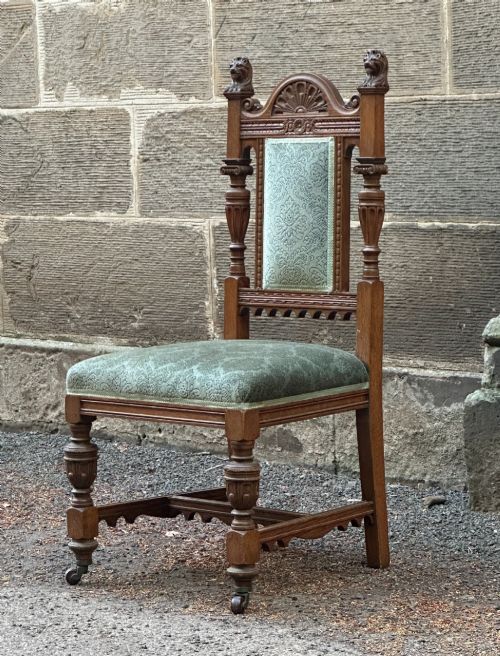
An antique castored side chair provides movable seating across dining rooms, bedrooms, and parlours, typically appearing in Victorian and Regency iterations. These versatile forms include bedroom chairs, prayer chairs, and dining chairs fitted with small wheels to ease movement across carpets and floorboards. The selections on this page span the nineteenth century, including specific decades such as eighteen fifty, eighteen sixty, and eighteen seventy.
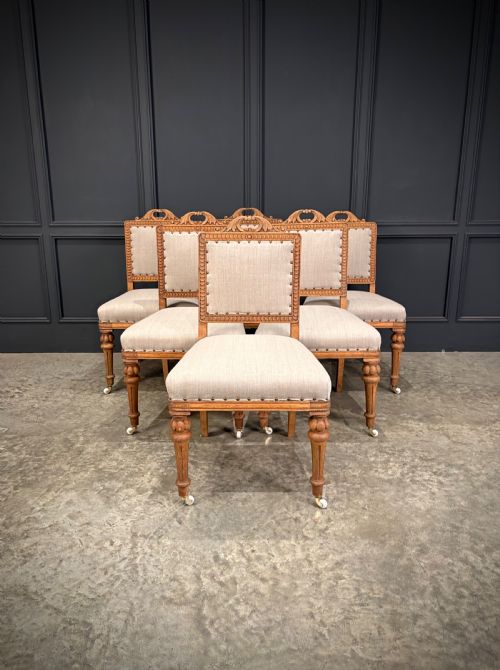
Makers and designers working in styles like Gothic Revival, Napoleon III, and Chippendale adapted these movable frames for various domestic settings. Mahogany, oak, walnut, and ebonised wood form the primary structures, often paired with contemporary or period upholstery fabrics including tapestry, velvet, and leather. Buyers encounter single chairs alongside matched pairs and larger sets intended for formal dining spaces.
How they were made
Cabinetmakers constructed these frames using solid timbers such as mahogany, oak, walnut, and birds eye maple, employing traditional joinery to ensure stability under daily use. Turned front legs frequently incorporate metal castors or ceramic rollers to facilitate smooth repositioning without straining the joints.
Upholstery techniques involved stuffing hair or fibrous materials over webbing and springs, secured beneath top covers of leather, velvet, tapestry, or geometric fabric. Carved details, button backs, and ebonised finishes required specialist hand tool work by period artisans and workshops.
Materials recorded across these movable chairs include brass, ceramic, hessian, leather, fabric, and velvet alongside traditional hardwoods.
What varies in quality
The sophistication of the timber carving and the choice of primary wood set the baseline for a piece's execution, with figured mahogany, bleached oak, and birds eye maple representing finer selections. Rigorous joint construction and crisp turning on the legs indicate superior workshop standards.
The integrity of the internal stuffing and the quality of the covering fabric, whether traditional leather or renewed velvet, dictate the tactile success of the seat. Original brass or ceramic castor hardware fixed securely to turned legs distinguishes higher grade examples.
Bruce Talbert·Gillows
The Antique Castored Side Chair Glossary
- Castor
- A small wheel mounted on a swivel attached to the foot of a chair leg to allow easy rolling. These fittings often incorporate brass collars and ceramic wheels.
- Side chair
- An upright chair without arms designed for dining or occasional use around a room. They populate parlours and dining tables alike.
- Bergere
- An enclosed upholstered armchair with exposed wooden framing and cane or upholstered sides. The style provides deep, comfortable seating.
- Prayer chair
- A low-backed devotional seat designed for kneeling and quiet contemplation. They often feature upright proportions and turned front supports.
- Ebonised
- Wood finished with a dark stain or black lacquer to imitate expensive ebony. This treatment became popular during the nineteenth century for decorative effect.
- Spoon back
- A chair back curved in three dimensions to mirror the contour of the human spine. This ergonomic shape appeared frequently on nineteenth century salon and dining chairs.
Antique Castored Side Chair: Frequently Asked Questions
What is an antique castored side chair?
An antique castored side chair is a nineteenth-century movable seat featuring small wheels attached to the base of its legs. These chairs were built from timbers like mahogany and oak for use in bedrooms, dining rooms, and sitting spaces.
The addition of castors allowed Victorian and Regency households to rearrange furniture effortlessly across heavy carpets. They survive today in diverse styles ranging from plain wooden frames to fully upholstered velvet and tapestry designs.
Where were these chairs used in a home?
These pieces served multiple domestic functions depending on their specific form, from bedroom dressing chairs to formal dining seats. Their mobility made them convenient for drawing rooms where seating arrangements shifted frequently throughout the day.
Smaller variants often stood beside dressing tables or served as prayer chairs in private chambers. Dining sets provided movable seating around large nineteenth-century tables.
How do I care for antique wood and fabric?
Protect wooden frames by applying appropriate wax polish sparingly and keeping pieces away from direct heat sources. Vacuum upholstered surfaces gently to remove dust without stressing old textiles or internal stuffing.
Check castor fittings periodically to ensure the fixings remain secure within the wooden legs. Avoid dragging the chair across uneven flooring to protect the original castor mechanism.
How can I tell Victorian chairs apart?
Victorian chairs display distinct stylistic evolutions across the decades, moving from heavy mahogany designs to Gothic Revival and ebonised aesthetic forms. Examining the turned leg profiles and upholstery styles helps distinguish early mid-century pieces from later nineteenth-century output.
Materials also shift between solid oak dining sets, walnut spoon-back chairs, and maple or mahogany bedroom pieces. Details like button-backed padding and carved crest rails identify specific workshop traditions of the period.