

Antique Cased Spoons
These antique cased spoons are fitted sets housed in custom boxes, prized for formal dining and gift-giving.
Antique Cased Spoons
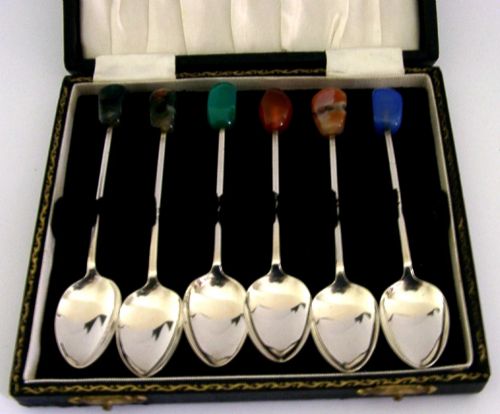
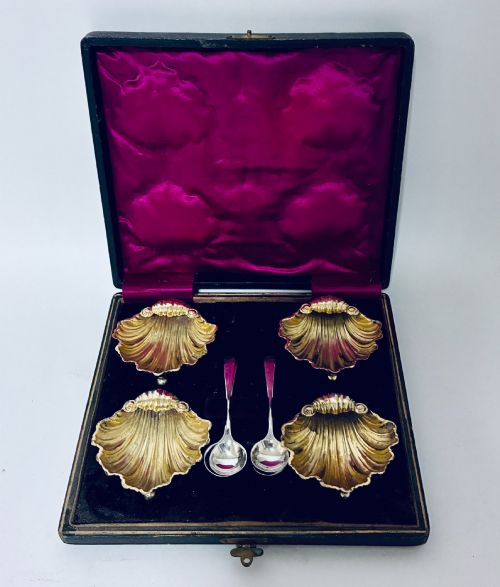
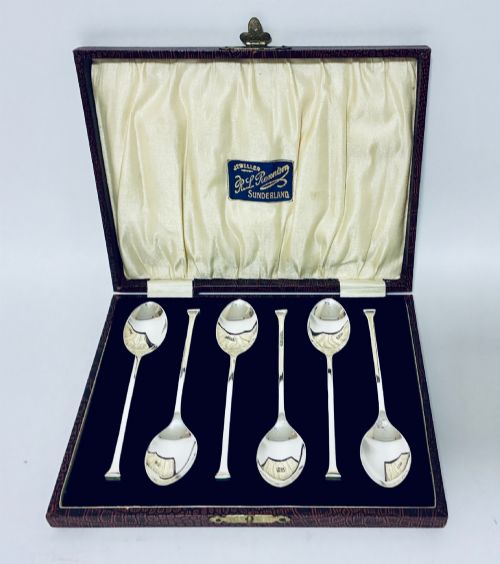
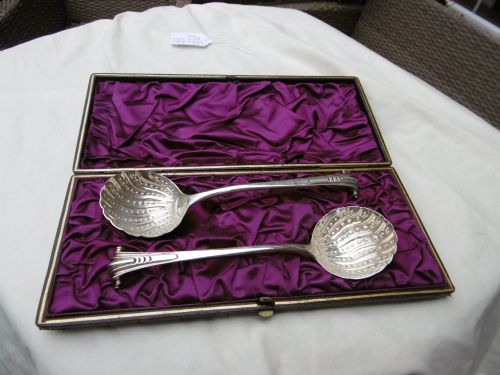
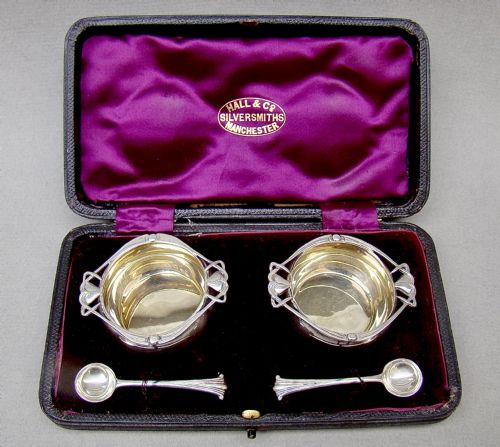
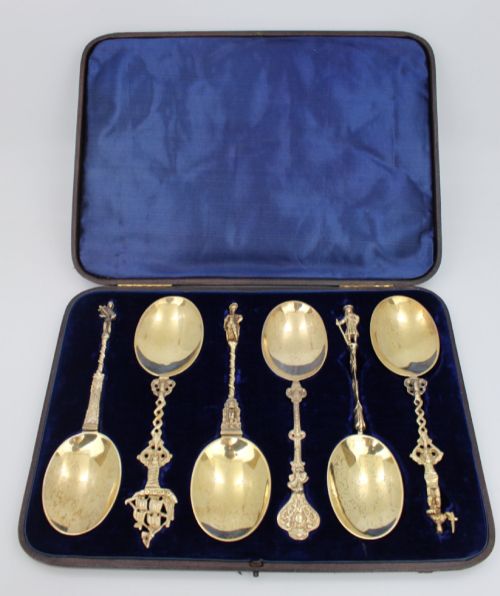
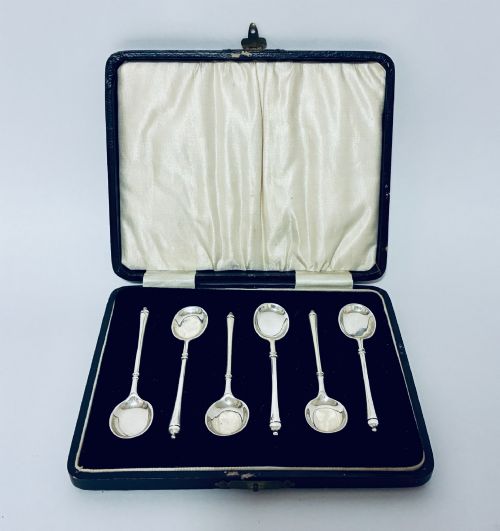
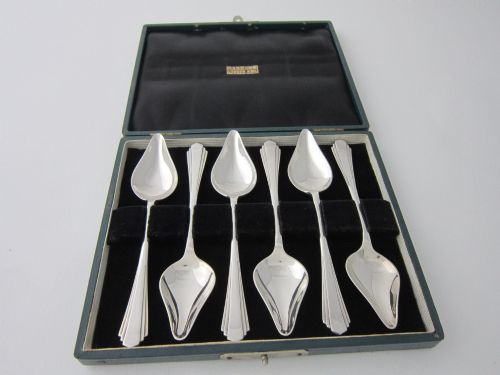
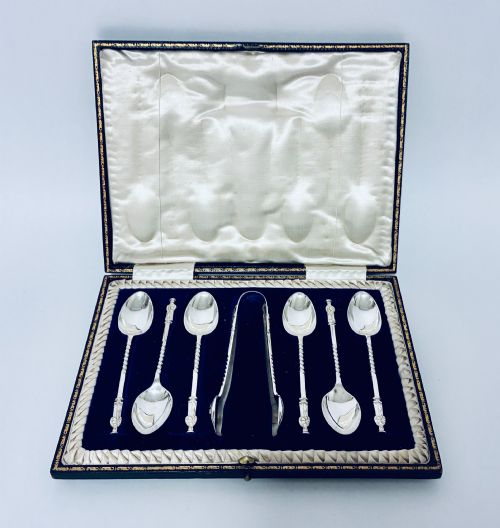
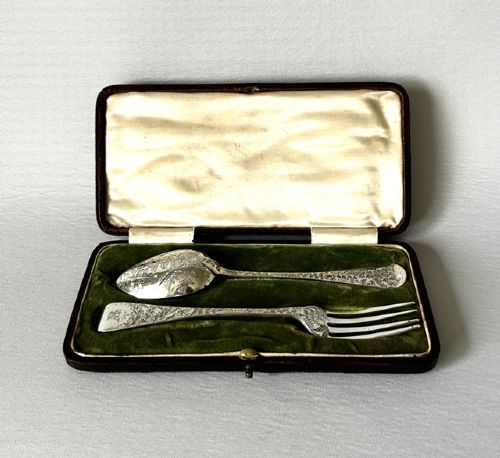
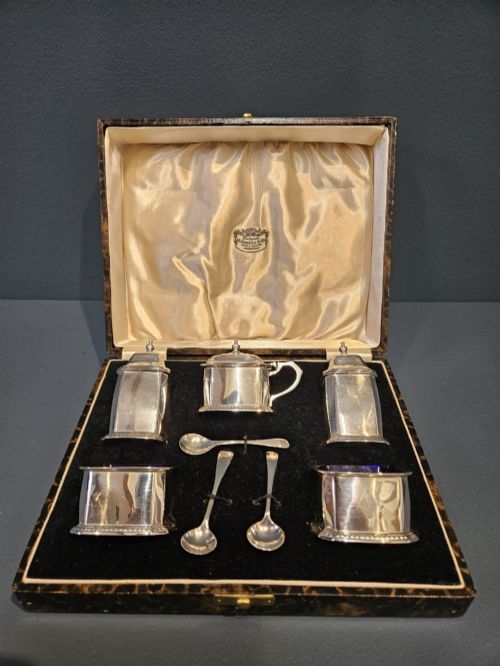
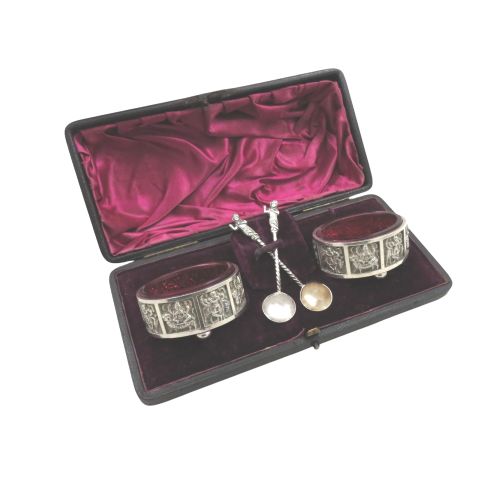
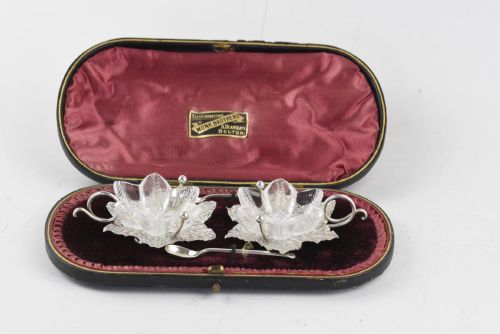
When you search for antique cased spoons, you encounter matched sets of cutlery and serving utensils safely stored in velvet or silk-lined presentation boxes. Most examples belong to the Victorian, Edwardian, and Art Deco periods, ranging from simple teaspoon collections to elaborate christening sets and salt cellars.
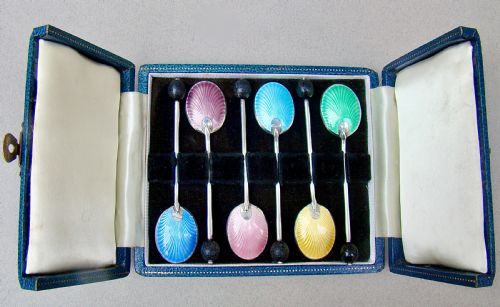
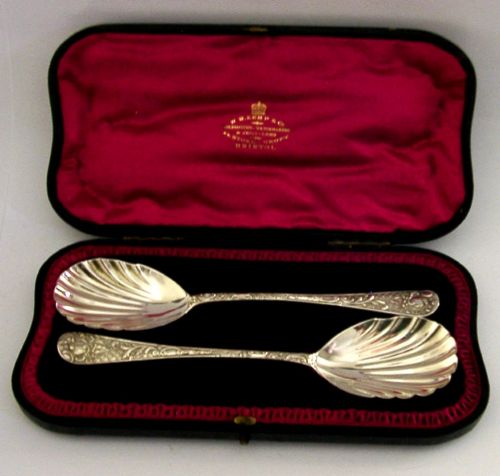
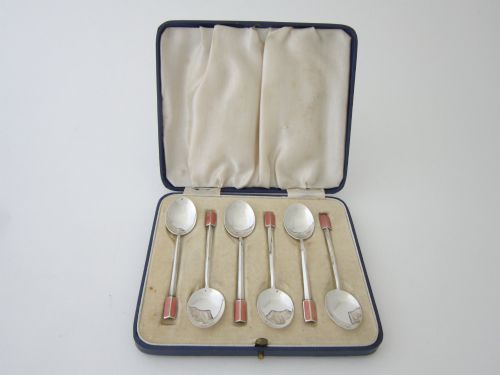
The assortment includes specialised forms such as coffee spoons, berry spoons, grape fruit spoons, and apostle spoons alongside matching tongs. These fitted boxes preserved the metal and finish, meaning the items inside frequently retain their original crisp detailing and polished lustre.
How they were made
The utensils are fashioned from sterling silver or silver-gilt, often shaped with chased handles, engraved bowls, or applied enamel decoration. Some specific pieces incorporate semi-precious stones or glass liners within their fitted compartments.
The protective cases themselves utilise sturdy wooden frames covered in leather, leatherette, or textured cloth, lined internally with fitted slots of velvet, silk, or satin to hold each spoon securely in place.
Antique Cased Spoons Retail Price Guide 2026
Typical asking prices for cased spoons among the pieces listed under this phrase on Sellingantiques today, from the lower quarter to the upper quarter. They describe what is for sale here now, not the wider market.
What varies in quality
Quality depends upon the depth of the metalwork and the originality of the fitted case. Heavier gauge sterling silver and intricate hand-chasing or detailed enamel distinguish finer sets from standard production items.
The integrity of the presentation box matters equally, as intact internal fabric linings and sound exterior hinges ensure the set remains complete and well-preserved.
Deakin & Francis·The Goldsmiths & Silversmiths·Josiah Williams & Co·Bricks & Sons·John Locker
The Antique Cased Spoons Glossary
- Apostle spoon
- A spoon with the figure of an apostle cast or engraved on the handle terminal. These traditional designs often appear in sets complete with matching sugar tongs.
- Silver-gilt
- Sterling silver that has been coated with a thin layer of gold. This technique provides a rich, two-tone appearance across the bowls and handles.
- Leatherette
- A simulated leather material utilised to cover the exterior of presentation boxes. It offers durability while mimicking the look of genuine hide.
- Cruet set
- A collection of small containers and spoons used for holding condiments at the dining table. They frequently include matching salt cellars and mustard spoons in a fitted case.
Antique Cased Spoons: Frequently Asked Questions
What were cased spoons used for?
These fitted sets were primarily used for formal dining, tea services, and special domestic occasions. They also served as popular presentation gifts for christenings, weddings, and anniversaries.
Because they remained safely stored in their boxes between uses, the silver avoided the wear and tear associated with everyday cutlery drawers.
How do I care for silver cased spoons?
Keep the pieces stored inside their original lined boxes to protect them from dust and atmospheric tarnishing. Clean the silver infrequently using a soft cloth designed specifically for precious metals, avoiding harsh dips that strip away fine engraved details.
Ensure the velvet or silk interiors of the case remain dry to prevent moisture damage to both the lining and the metal.
How can I tell the period of the spoons?
Examine the hallmarks stamped onto the silver, which indicate the assay office, the specific year of manufacture, and the maker's mark. Stylistic clues such as floral chasing, geometric Art Deco enamel, or aesthetic movement motifs also point to distinct eras.
The construction and materials of the storage box often match the prevailing design trends of the manufacturing period.
Are all cased sets made of solid silver?
While many listings feature sterling silver or silver-gilt, some options utilise silver plate over a base metal core. Hallmarks on the spoons confirm the exact metal standard used by the silversmith.
Cases similarly range from genuine leather exteriors to simulated leatherette depending on the manufacturing date and intended cost of the set.