


Antique Case
An antique case holds everything from pocket silver and vesta matches to grand Georgian bookcases and longcase clocks.
Antique Case
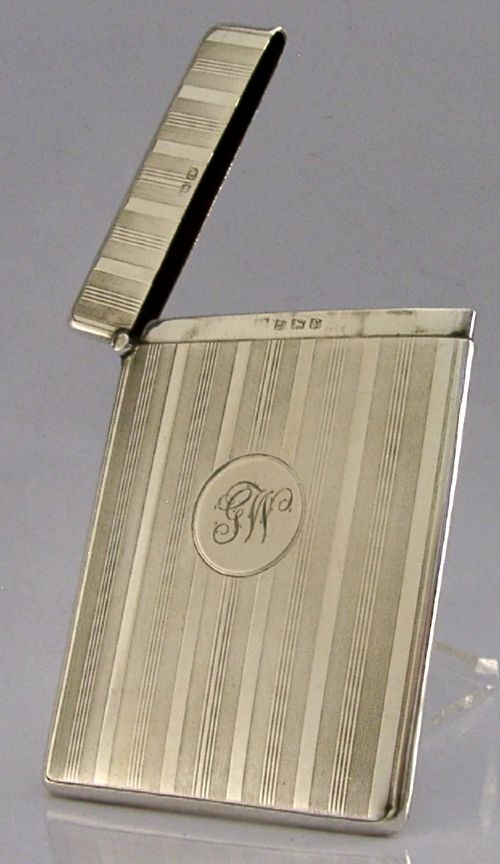
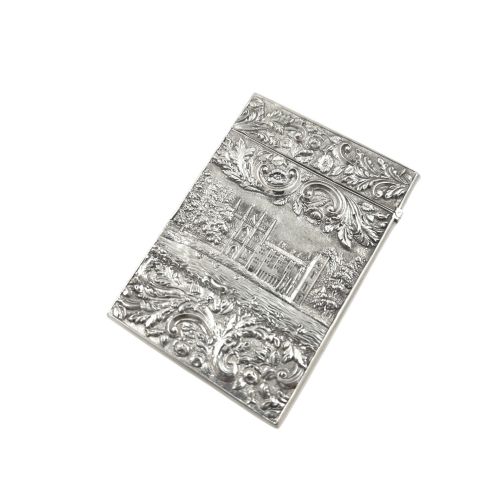
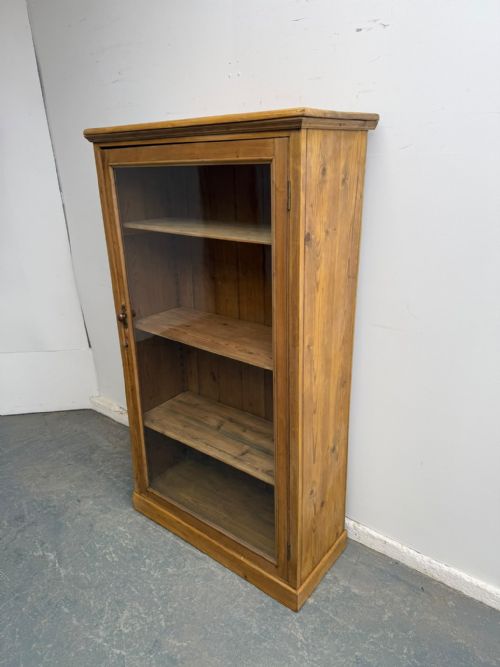
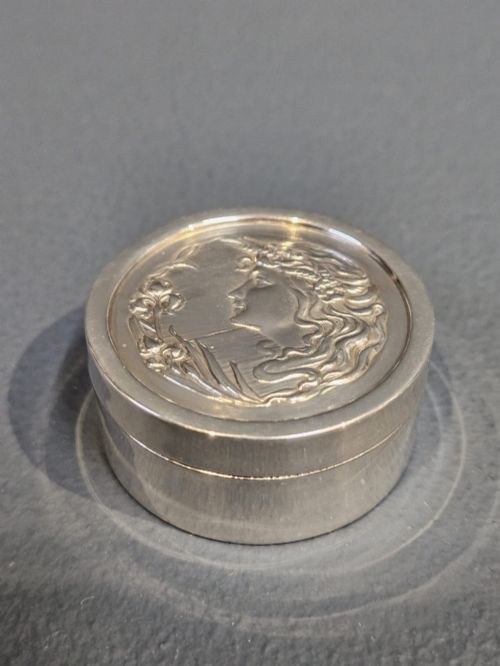
The term antique case spans a broad assortment of items, ranging from small pocket pieces such as vesta and cigarette cases to large furniture forms like display cabinets and bookcases. On this page, buyers frequently encounter smaller silver and brass items alongside timber display furniture from the Victorian, Edwardian, and Georgian periods.
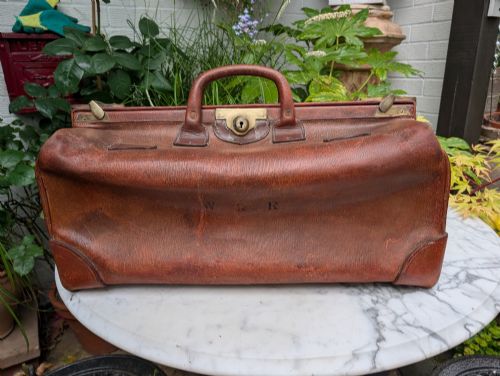
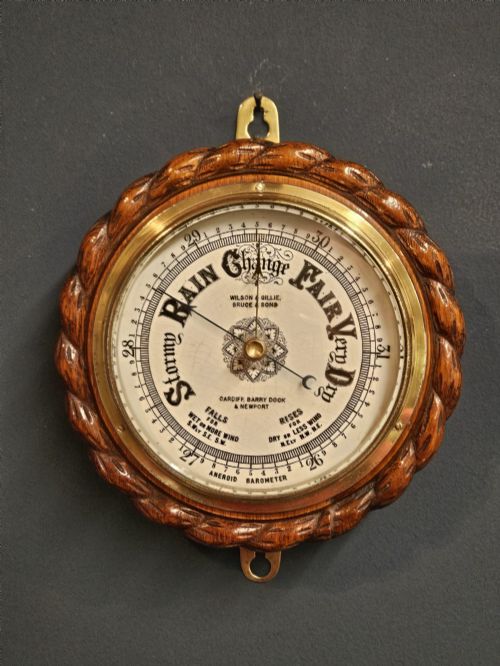
Smaller examples include sterling silver cigar cases, leather-fitted sewing kits, and pocket barometers, often stamped with hallmark dates from the early twentieth century. Larger entries comprise mahogany, oak, and walnut display cabinets with glazed doors designed for china and books.
Origins stretch from eighteenth-century Georgian workmanship through to 1930s Art Deco forms. The selection unites diverse objects solely by their shared function as protective or display enclosures for valued possessions.
Materials and construction methods
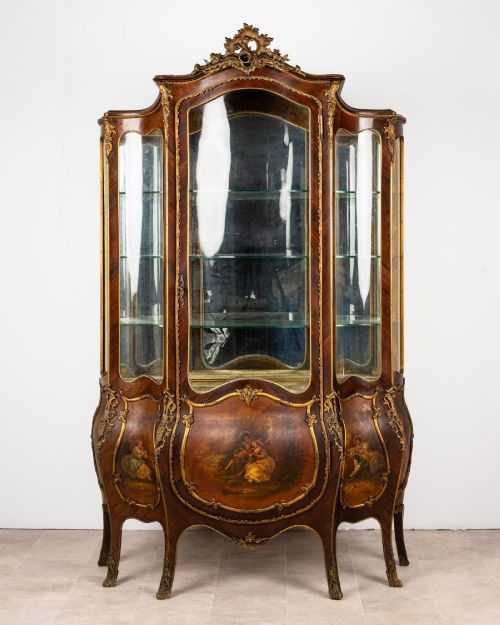
Timber cases rely upon traditional cabinet-making techniques, utilising solid mahogany, oak, and walnut, frequently enhanced by decorative marquetry inlays and brass mounts. Glazed doors on display cabinets and bookcases incorporate timber framing secured with glass panes.
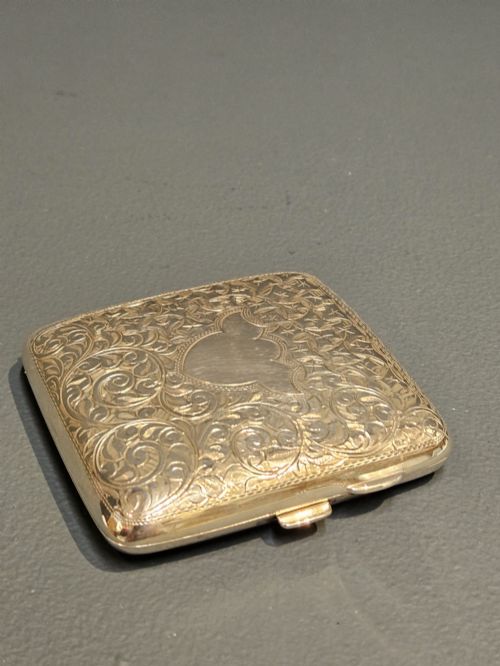
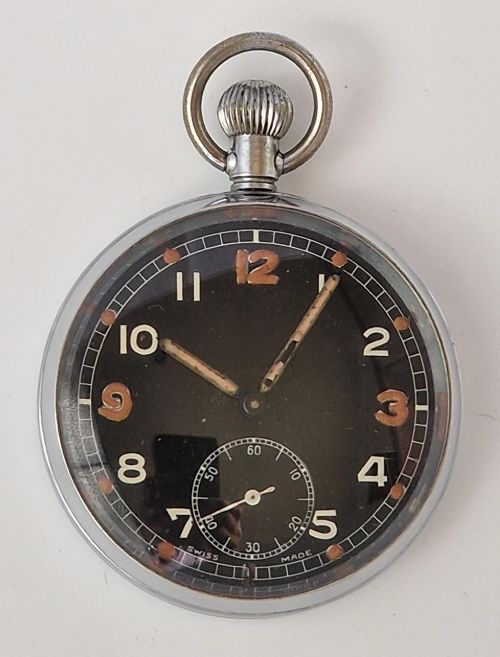
Metal items are formed from sterling silver, brass, and silver gilt, often shaped through stamping, engraving, and smithing. Interiors are lined with velvet, leather, or silk to cushion delicate contents such as pocket watches, barometers, and instruments.
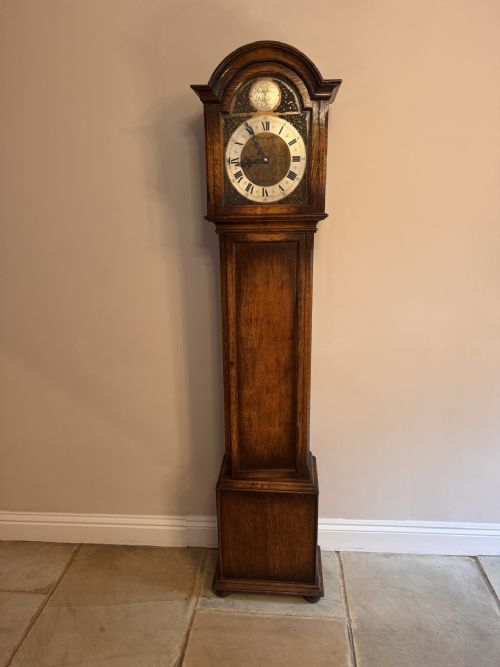
Clock cases integrate timber framing with mechanical movements, whilst smaller novelty boxes employ silver and enamel work to achieve detailed decorative finishes.
Antique Case Retail Price Guide 2026
Typical asking prices for case among the pieces listed under this phrase on Sellingantiques today, from the lower quarter to the upper quarter. They describe what is for sale here now, not the wider market.
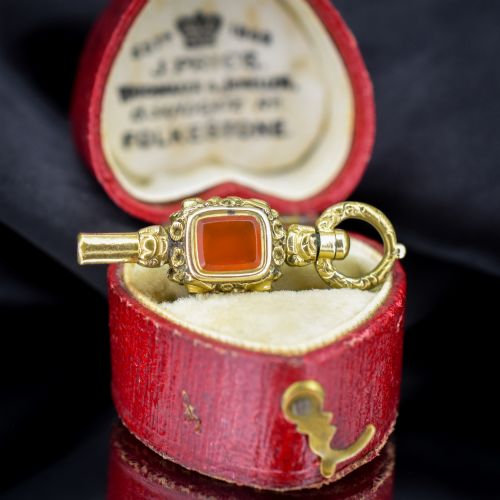
A tiny silver trowel bookmark waits inside a Victorian case, ready to mark the page of a well-read volume.
Distinctions in quality and execution
Quality rests upon the precision of the construction, the integrity of the materials, and the crispness of any decorative carving or silver chasing. Finer cabinet work demonstrates careful timber selection, such as burr walnut or figured mahogany, joined with traditional dovetails rather than modern fasteners.
In silver and metalwork, superior pieces display clear, legible assay office hallmarks, unblemished enamelling, and robust hinges that close securely. The presence of original fitted interiors, complete with velvet linings or matching glass components, elevates an item's standing above later replacements.
Maker attribution also divides the field, where documented silversmiths or cabinet makers command greater attention through superior proportional balance and refined detailing.
J H Hillcox·Joseph Gloster Ltd·Sampson Mordan·Joseph Moore·Georg Jensen·Harald Nielsen·Martin Hall & Co·William Comyns & Sons·John Taylor London
The Antique Case Glossary
- Vesta case
- A small portable container designed to hold matches, typically fitted with a striking surface on the base. These are frequently formed from sterling silver and decorated with engraved patterns.
- Display cabinet
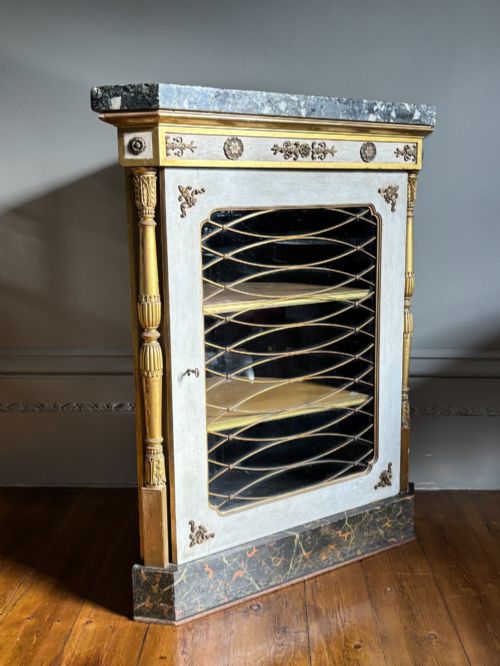
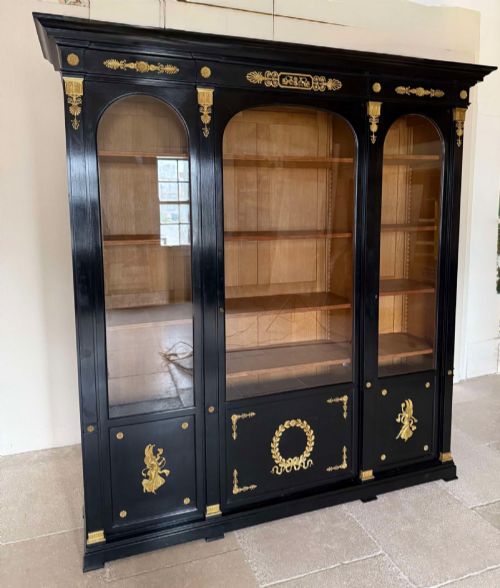
- A piece of furniture featuring glazed doors and shelves intended for the exhibition of porcelain, glass, or curiosities. Versions range from wall-mounted units to large floor-standing bookcases.
- Silver gilt
- Silver objects coated with a thin layer of gold applied through chemical or electrolytic processes. This finish provides a rich golden appearance while retaining a solid silver base.
- Longcase clock
- A tall pendulum clock enclosed in a timber case, commonly known as a grandfather clock. These pieces span from the eighteenth century into the nineteenth century.
- Hallmark
- An official stamp applied to precious metals indicating the purity, the assay office, and the year of manufacture. British silver examples carry specific date letters and maker marks.
Antique Case: Frequently Asked Questions
How do I date a silver case?
Silver pieces generally carry hallmarks stamped into the metal, which include a standard mark, a town mark for the assay office, and a specific date letter.
Matching this letter against published assay tables reveals the exact year of manufacture and often the maker's initials.
How are antique display cabinets constructed?
Cabinets from the Georgian, Victorian, and Edwardian eras utilise solid timbers like mahogany, oak, or walnut, often over softwood carcases. Woodworking joints such as dovetails secure the frame, whilst glazed doors allow visibility for interior display shelves.
Many examples incorporate decorative wood veneers or inlaid stringing to enhance the exterior panels.
Can I use an antique clock case daily?
Longcase and dial clocks require careful placement away from direct heat sources and damp walls to protect the timber and internal movements. Regular winding and occasional professional servicing keep the mechanical components running reliably.
Treating the timber with appropriate wax preserves the finish without harming the historic surface.