



Antique Carving Ornament
An antique carving ornament brings centuries of skilled handiwork into a room, offering tactile presence through sculpted wood, stone, and bronze.
Antique Carving Ornament
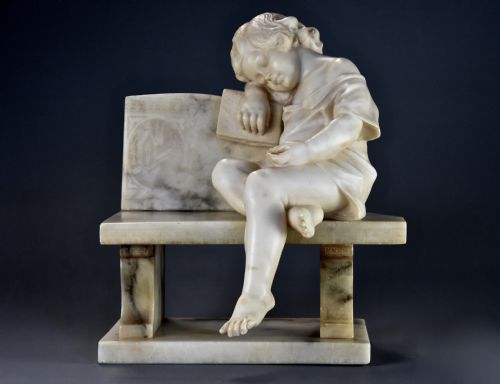
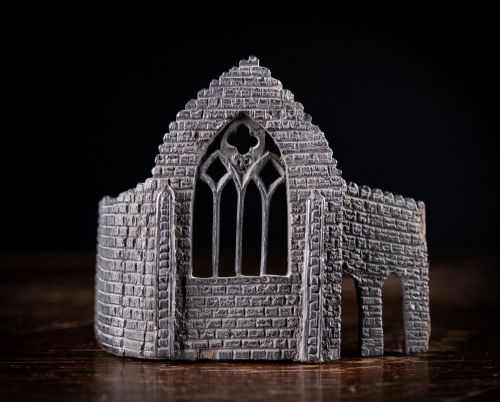
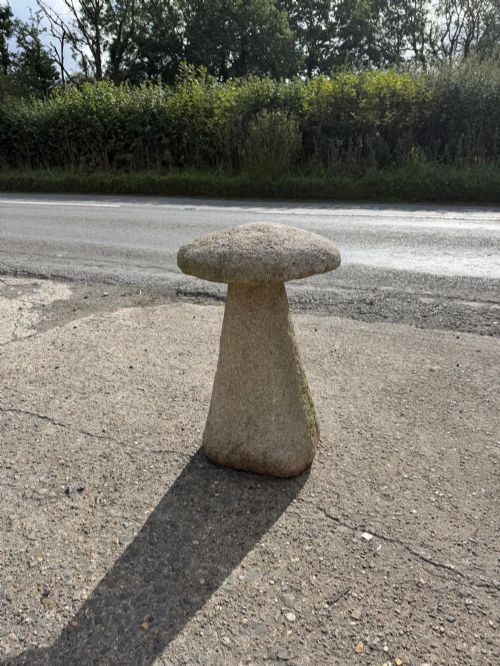
When you search for an antique carving ornament, you encounter sculptural works and decorative objects produced across the eighteenth, nineteenth, and early twentieth centuries. These range from domestic mantel figures and desk tidies to garden staddle stones and architectural wall panels.
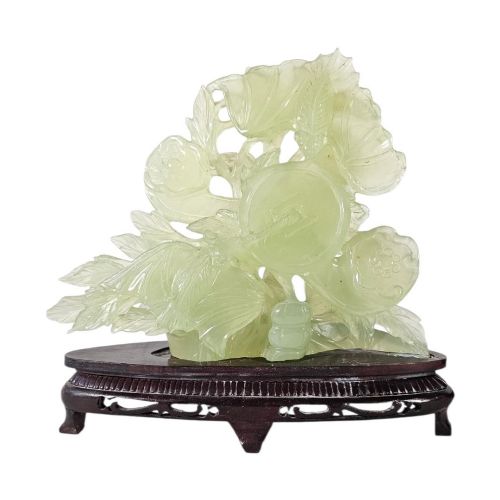
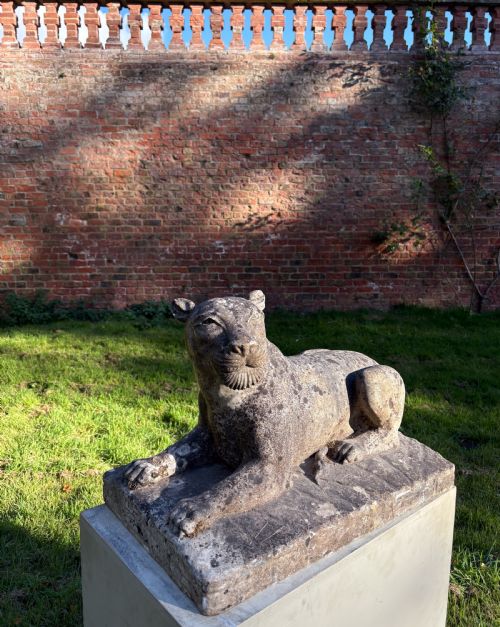
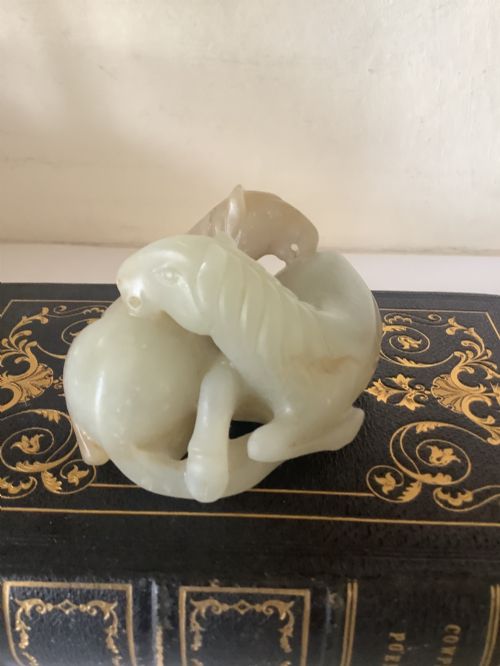
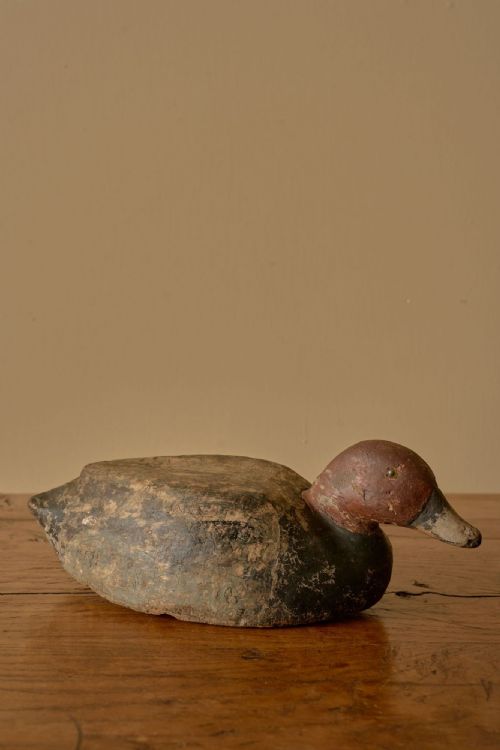
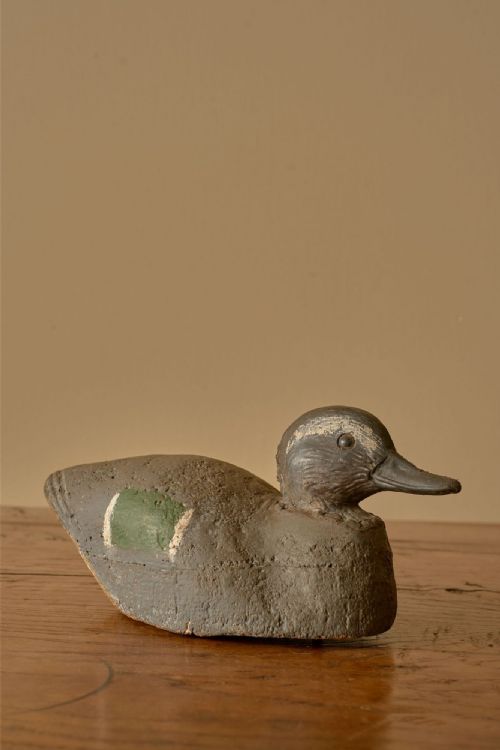
The selections span diverse regional workshops, including European Black Forest carvings, Chinese jade and hardwood scholar pieces, Japanese folk art bears, and Grand Tour marble antiquities. Wooden animal figures and stone animal sculptures appear frequently among the diverse forms.
Originating from periods such as the Qing Dynasty, Georgian era, and the late nineteenth century, these ornaments reflect both utilitarian uses and pure decorative display. Buyers find everything from small desk accessories to substantial garden statuary.
How they were made
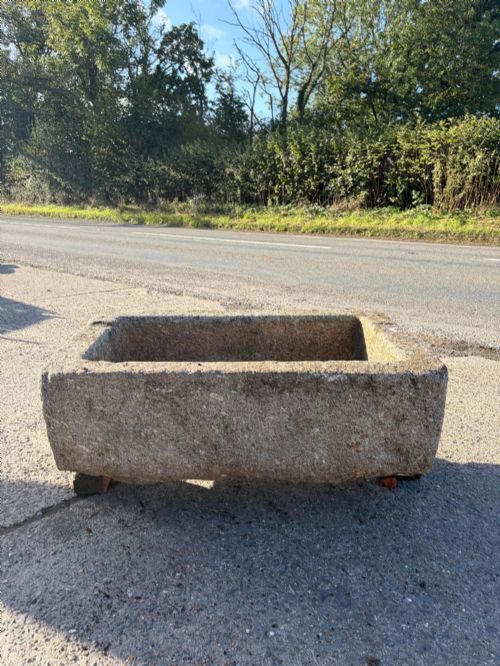
Metalwork techniques include cold-painted bronze and cast gilt bronze elements, often paired with fitted wooden stands or brass components. Stone pieces range from carved Cornish granite troughs to moulded terracotta and weathered garden stone.
Antique Carving Ornament Retail Price Guide 2026
Typical asking prices for carving ornament among the pieces listed under this phrase on Sellingantiques today, from the lower quarter to the upper quarter. They describe what is for sale here now, not the wider market.
A grinning wooden gnome acts as a match striker, dated 1916.
What varies in quality
The distinction between ordinary and superior pieces lies in the crispness and depth of the hand-carved detail, visible in the rendering of animal fur, facial expressions, and drapery. Finer examples show confident tool marks and anatomical accuracy rather than soft, mechanical smoothing.
Material selection dictates much of the value, with flawless hardstones, choice figured walnuts, and high-grade marbles marking out the better workshop output. The integration of custom-fitted stands and original patination further elevates a piece.
Poix Blin
The Antique Carving Ornament Glossary
- Grand Tour
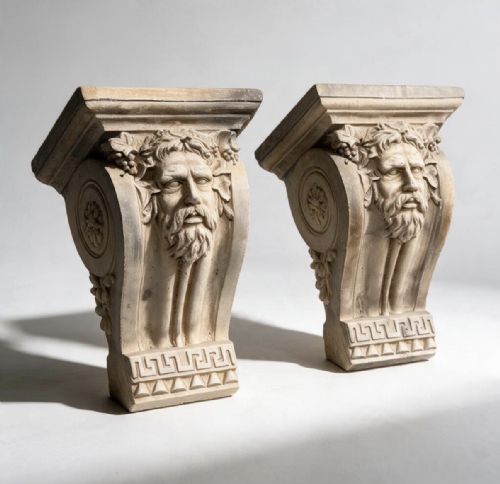
- A nineteenth-century tradition where wealthy travellers collected miniature marble and bronze classical sculptures in Italy.
- Black Forest
- A nineteenth-century carving style originating in Switzerland and Germany, renowned for realistic wooden animal figures, particularly bears.
- Staddle Stone
- A mushroom-shaped stone pedestal once used to elevate granaries above damp ground and deter vermin.
- Hardstone
- A semi-precious mineral such as jade, agate, or lapis lazuli carved into small decorative ornaments.
- Libation Cup
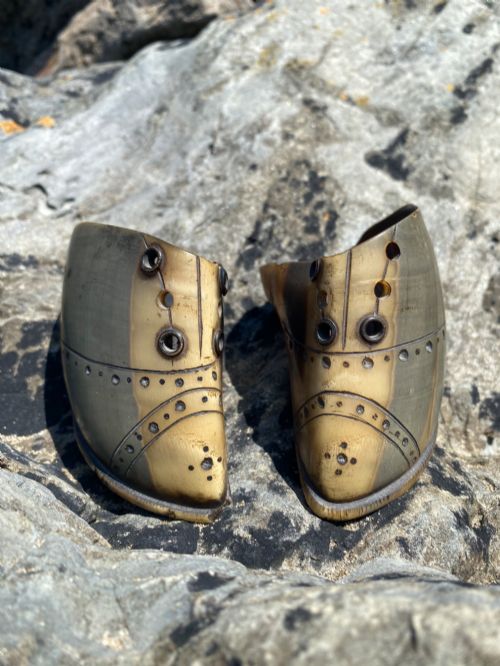
- A ceremonial vessel, often carved from horn or jade, historically used for pouring liquid offerings.
Antique Carving Ornament: Frequently Asked Questions
How do I care for wooden carved ornaments?
Keep wooden pieces away from direct heat sources and sudden humidity changes to prevent timber splitting. Dust gently with a dry, soft brush rather than using wet cloths or harsh chemical polishes.
Applying a microcrystalline wax occasionally helps protect the original patination without building up heavy residues. Handle items by their main body rather than protruding delicate limbs or ears.
Where were Black Forest carvings made?
These decorative wooden sculptures originated primarily in the mountainous Brienz region of Switzerland during the nineteenth century. Local woodcarvers utilised native timber like walnut and linden to produce detailed forest animals.
Many of these pieces were sold to travellers touring Europe. The workshops became internationally famous for their lifelike bears and intricate foliate ornament.
How do I identify Chinese hardstone carvings?
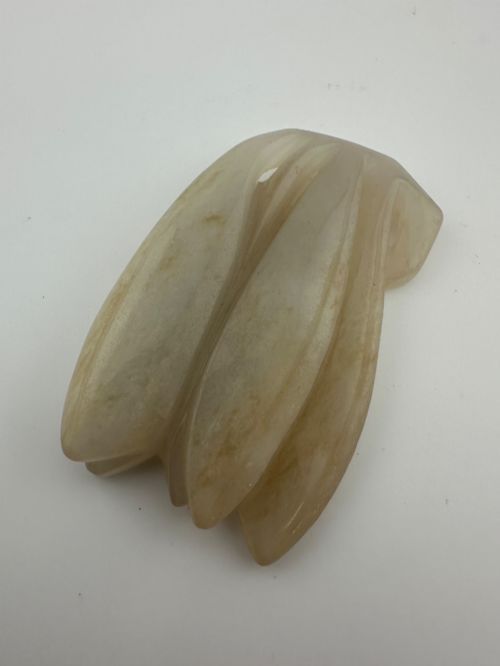
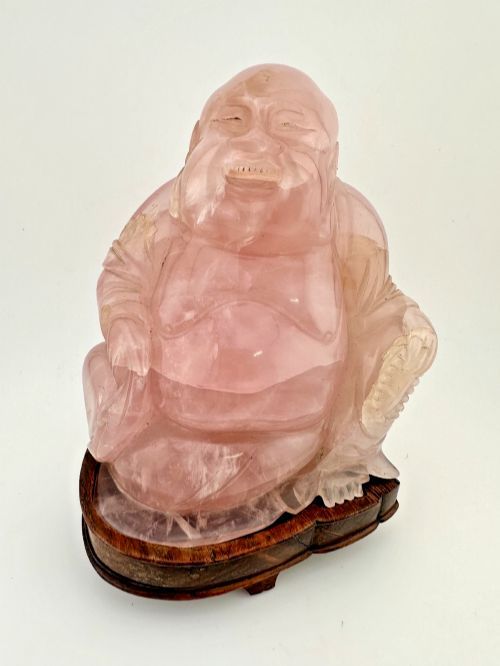
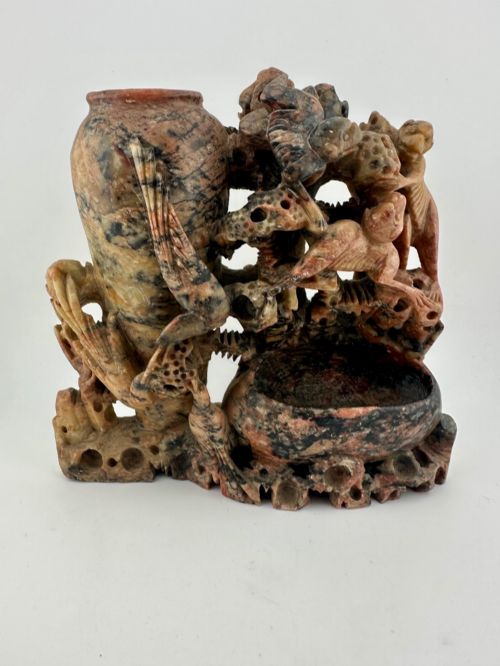
Chinese hardstone carvings utilise minerals such as jade, lapis lazuli, and carnelian agate, often mounted on fitted wooden stands. Examining the surface under magnification reveals ancient polishing marks and the natural grain of the stone.
Many pieces reflect traditional iconography, depicting immortals, auspicious animals, or mythical beasts. Dating relies on stylistic cues from periods like the Qing Dynasty or the Republic era.