

Antique Carving Jewellery
Antique carving jewellery brings together wearable miniature sculptures and precious settings from the Victorian, Edwardian, and Art Deco eras.

Antique Carving Jewellery
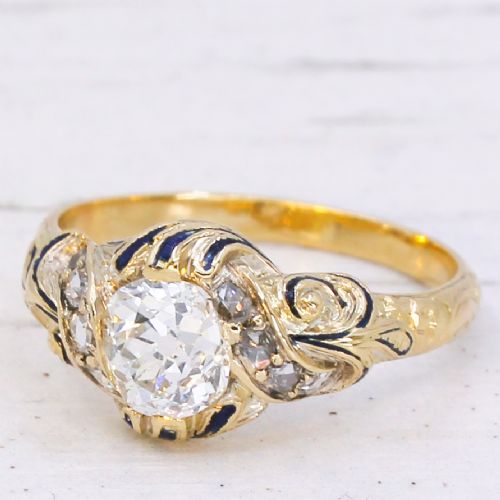
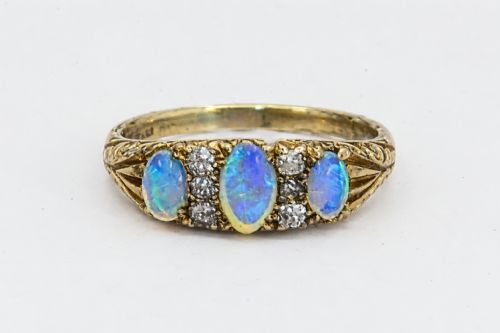
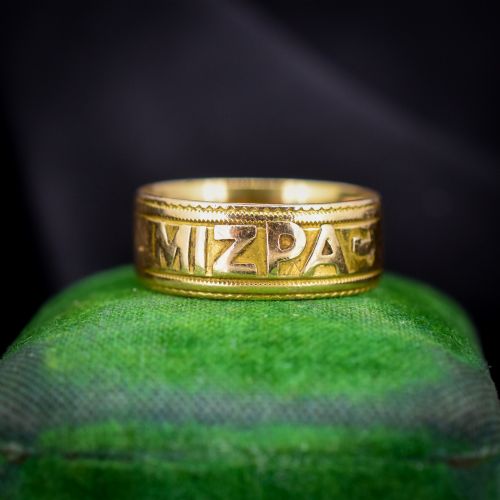
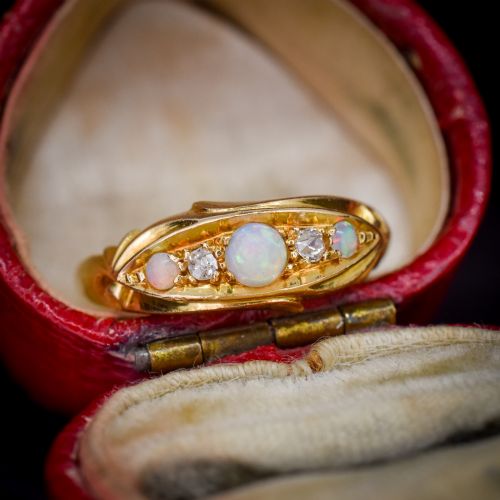
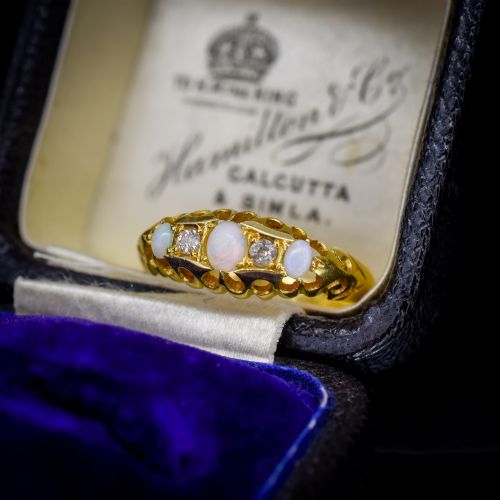
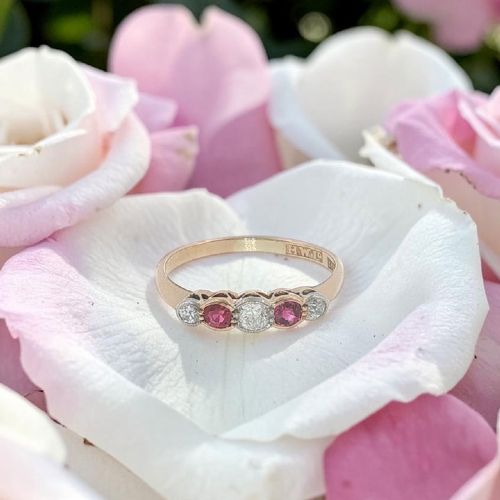
Antique carving jewellery encompasses rings, drop earrings, pendants, and charms fashioned from materials worked by hand into distinct shapes. The selection leans heavily toward rings set with opals, diamonds, rubies, and jade, alongside carved gemstone components.
Makers from the nineteenth and early twentieth centuries applied sculptural techniques to precious metals and organic stones, producing detailed motifs ranging from floral patterns to figurative charms. Pieces date from the Victorian period through to the mid-century, reflecting shifting tastes in ornamentation.
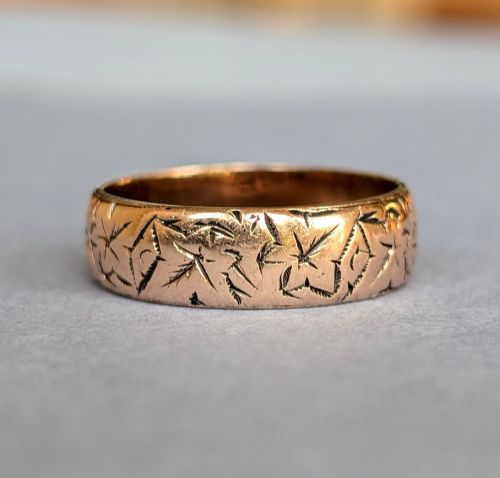
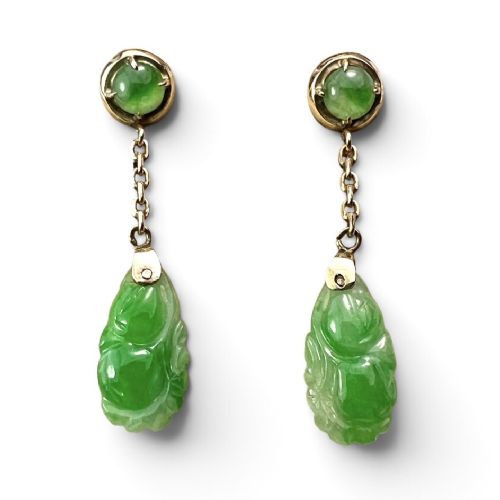
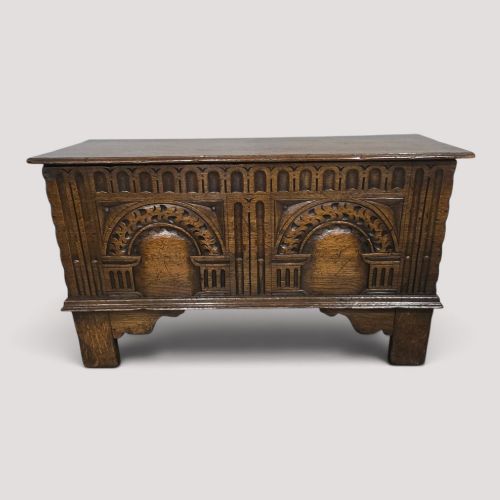
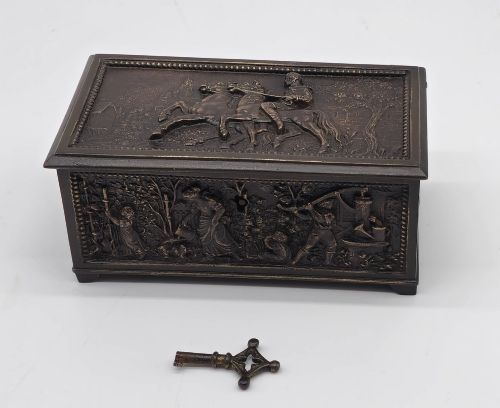
Wearers encounter both intimate personal adornments, such as engraved band rings and mother-of-pearl pendants, and bolder statement items like jade drop earrings and carved sandalwood display caskets. Each object serves a decorative function rooted in historical craftsmanship.
How they were made
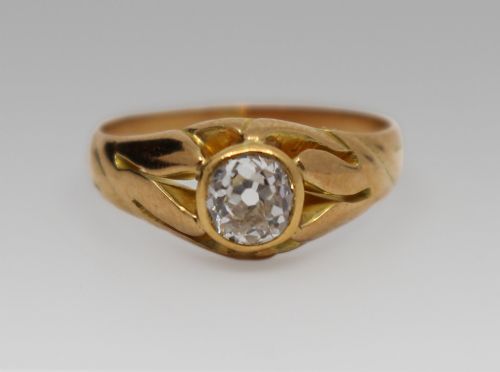
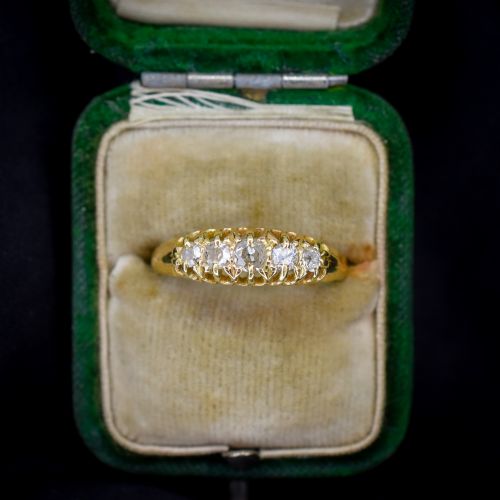
Craftspeople shaped hard materials using hand tools, cutting jadeite, sandalwood, and shell into specific contours before mounting them in gold or silver settings. Gemstones such as diamonds and rubies received old mine or old cuts that conformed to the natural crystal shape rather than standardised modern proportions.
Metalwork involved casting and forging 18ct yellow and rose gold, sterling silver, and bronze, often enhanced with granulation, engraving, or specific regional hallmarks. Artisans combined these metals with organic elements like mother-of-pearl, coral, and beads to create layered textural contrast.
Listings feature items from the Victorian, Edwardian, and Art Deco periods, utilising jade, gold, diamond, and ruby.
What varies in quality
The degree of fineness in the hand-cut details dictates the distinction between standard production and superior examples. Sharply defined contours in carved jade or sandalwood indicate a practiced hand, whereas softened edges suggest a hurried or lesser execution.
The integration of the carved element with its precious metal mount reveals the maker's skill. Secure claw or bezel settings that respect the fragility of carved organic materials demonstrate a higher tier of workmanship than straightforward mass assembly.
The Antique Carving Jewellery Glossary
- Boat ring
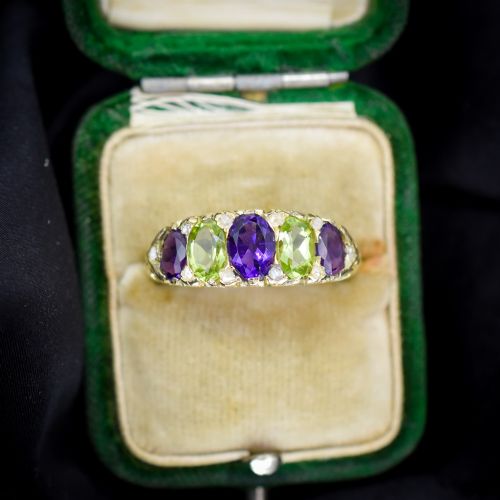
- A ring setting featuring a curved, elongated boat shape that houses a row of graduated gemstones.
- Old cut diamond
- A diamond cut by hand before modern machinery, characterised by a smaller table, higher crown, and open culet.
- Bijouterie table
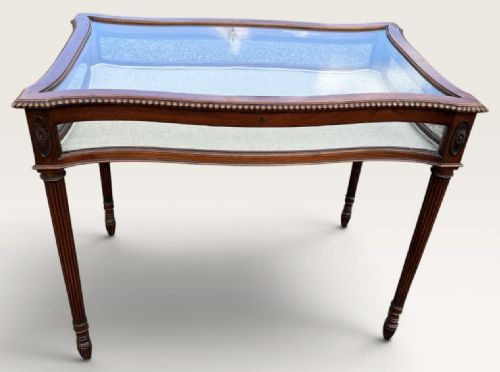
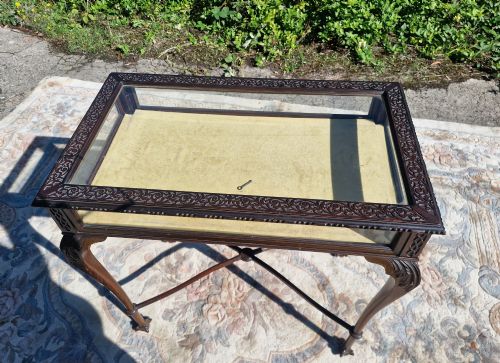
- A glass-topped display table designed specifically for showcasing small valuable objects and jewellery.
- Sarcophagus-shaped
- A container or casket form tapering outward toward the top, mimicking the ancient architectural style.
Antique Carving Jewellery: Frequently Asked Questions
What periods do these carved pieces come from?
The listings span the Victorian, Edwardian, Art Deco, and mid-century periods, running from the nineteenth century into the twentieth.
Craftsmanship styles shift across these decades from ornate revivalist designs toward streamlined geometric modernist forms.
How should I care for antique carved jewellery?
Organic materials like pearl, shell, and jade require gentle handling and protection from harsh chemicals and ultrasonic cleaners.
Store pieces individually in lined boxes to prevent abrasion between delicate carved surfaces and harder gemstone facets.
What materials were commonly used for carving?
Artisans worked with a range of substances including hardstones like jadeite and nephrite, organic materials such as sandalwood and mother-of-pearl, and precious metals.
Each material demanded specific cutting techniques, from abrasive wheel grinding for stones to fine chiselling for wood.
How do I identify an Edwardian carved ring?
Edwardian pieces frequently combine lighter platinum or yellow gold settings with intricate openwork, millegrain edges, and delicate floral motifs.
Many bear British hallmarks indicating assay offices such as Birmingham or Chester alongside specific date letters.