



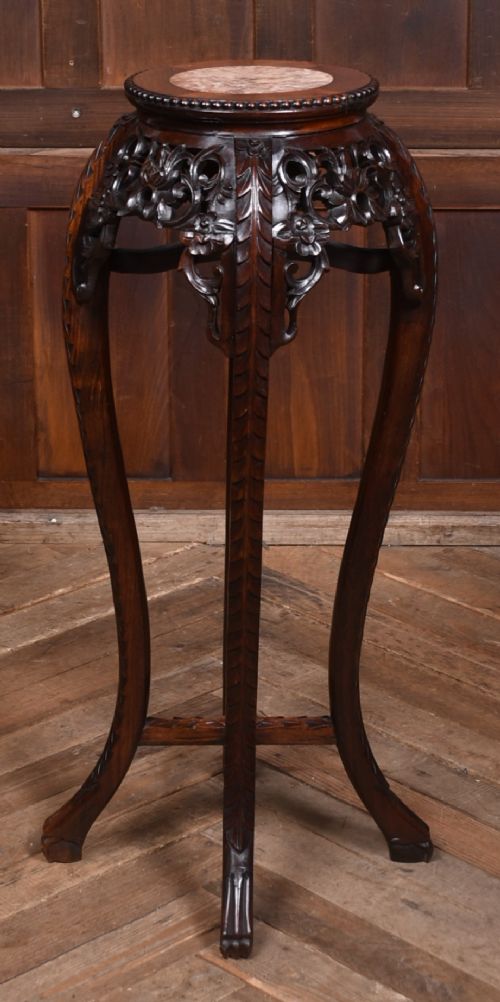
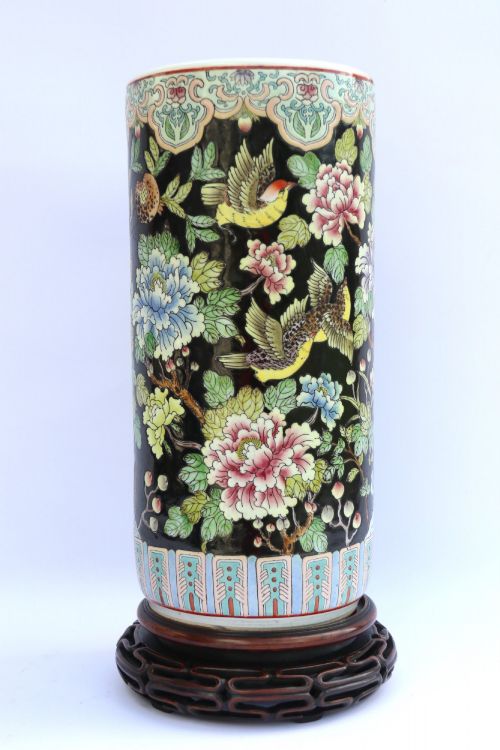


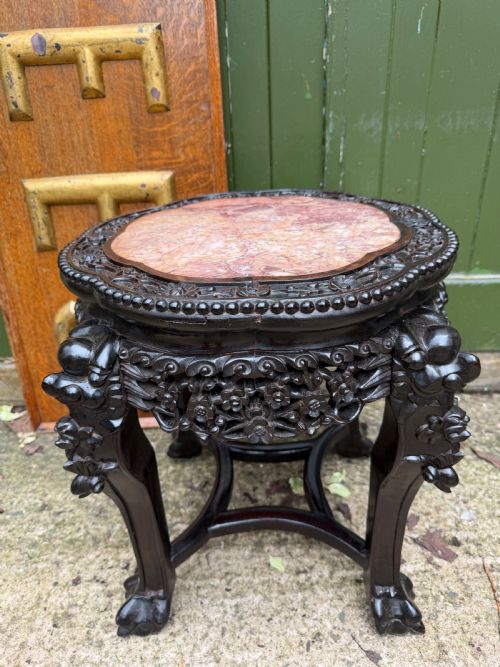


Antique Carved Vase Stand
An antique carved vase stand elevates a display piece with craftsmanship from the Victorian and Edwardian eras, combining timber and marble.

Antique Carved Vase Stand
An antique carved vase stand functions primarily as a decorative support for heavy vessels, jardinieres, and plants within interior spaces. Buyers seeking an antique carved vase stand encounter low tables, pedestals, and plant stands designed to showcase oriental and Victorian ceramics.
The selections span the nineteenth century, including Qing Dynasty and Meiji Period pieces imported from China and Japan. Forms range from small occasional tables with inset marble surfaces to substantial floor-standing pedestals.
Many examples double as lamp tables or wine tables depending on their height and surface area. The typology intersects closely with planter stands and display vessels across diverse regional aesthetics.
What varies in quality
The distinction between standard and superior pieces rests on the depth and crispness of the carving, alongside the density and grain of the chosen wood. Heavier hardwoods like hongmu demonstrate greater structural integrity than softer woods, holding intricate undercutting without splintering.
The quality of the inset marble top, particularly the vibrancy of the stone veining and its precise fit within the wooden rebate, signals superior workshop production. The balance of the proportions and the symmetry of the leg assembly also separate ordinary utility stands from refined decorative examples.
Antique Carved Vase Stand Retail Price Guide 2026
Typical asking prices for carved vase stand among the pieces listed under this phrase on Sellingantiques today, from the lower quarter to the upper quarter. They describe what is for sale here now, not the wider market.
Listings combine Chinese export hardwoods with Japanese Meiji bronze and porcelain pieces, spanning the Victorian and Edwardian eras.
Fukagawa
The Antique Carved Vase Stand Glossary
- Hongmu
- A dense, dark traditional Chinese hardwood used extensively for fine furniture and display stands. It translates literally to red wood and provides a stable substrate for deep relief carving.
- Huali
- A prized category of fragrant Chinese rosewood valued for its rich grain patterns and durability. Pieces constructed from this material typically date to the late Qing Dynasty.
- Jardiniere stand
- A specialised low table or pedestal designed specifically to hold a large ornamental plant pot or flower bowl. These stands frequently feature water-resistant inset tops like marble.
- Meiji Period
- The era of Japanese history spanning from 1868 to 1912, characterised by distinct bronze casting and porcelain production seen on this page. Works from this time often exhibit intricate surface decoration.
- Qing Dynasty
- The final imperial dynasty of China, lasting from 1644 to 1912, encompassing the primary manufacturing periods for the carved hardwood stands found here.
Antique Carved Vase Stand: Frequently Asked Questions
What is an antique carved vase stand used for?
These stands were originally built to elevate heavy porcelain vessels, jardinieres, and decorative plants off the floor to protect delicate flooring and improve sightlines in a room.
Today, collectors repurpose them as small side tables, lamp bases, or display pedestals for sculpture and decorative objects.
How do I identify a Qing Dynasty stand?
Qing Dynasty stands are typically identified by the use of dense Asian hardwoods such as hongmu or huali, combined with deep relief carving and mortise-and-tenon joinery.
They frequently incorporate inset marble tops and traditional scroll or floral motifs characteristic of Chinese export craftsmanship from the nineteenth century.
Are these stands strong enough for heavy pots?
Solid hardwood construction and rigid joint design allow many of these stands to support substantial weight, including large ceramic urns and damp planters.
Stands featuring inset marble tops were specifically engineered to bear heavy loads without warping or succumbing to moisture damage from plants.
How do I tell Japanese Meiji pieces apart from Chinese ones?
Japanese pieces from the Meiji period often showcase distinct materials such as cast bronze, lacquer over painted wood, and Imari porcelain rather than carved dense hardwoods.
Stylistic motifs on Japanese items typically feature specific fauna like koi or intricate metallic patination that differs from the dense timber relief work of Chinese Qing pieces.