

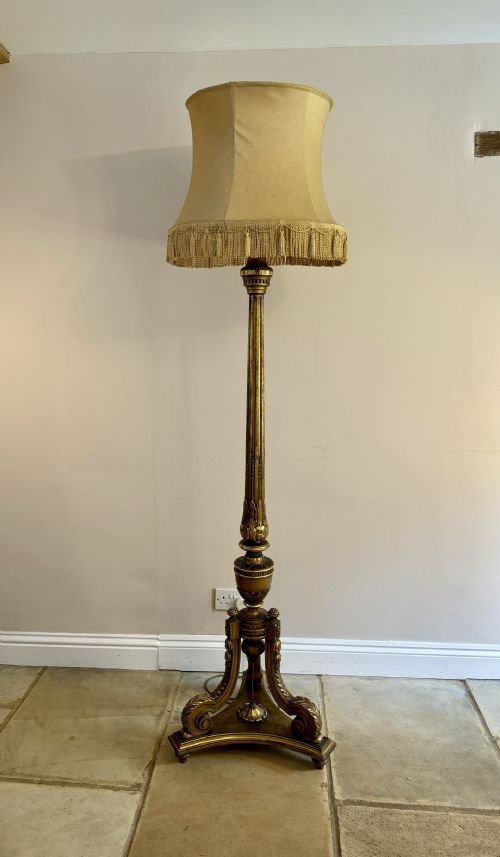
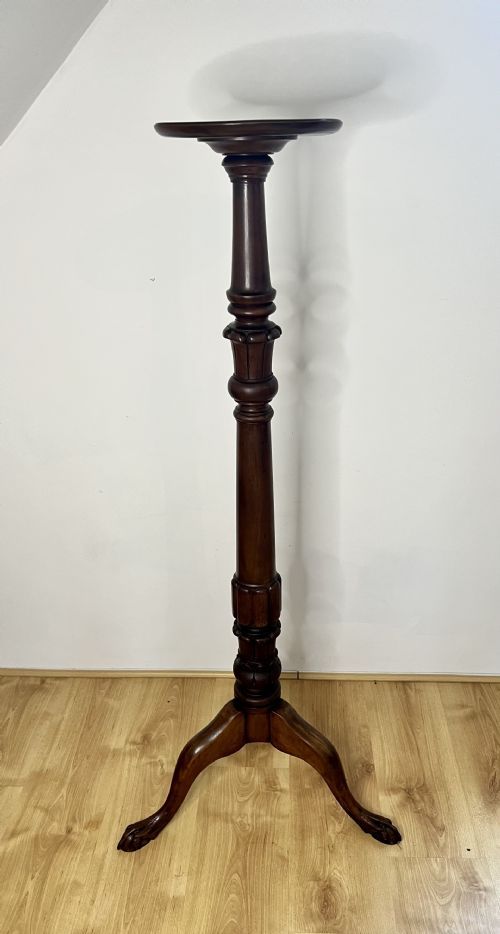
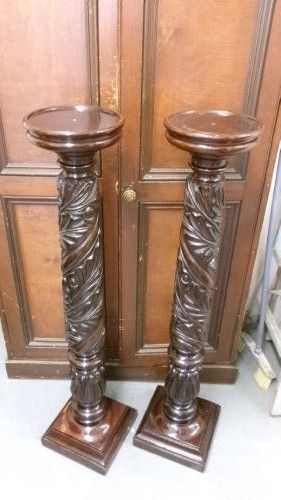
Antique Carved Torchere
An antique carved torchere raises a lamp or plant with vertical presence, offering a sculptural silhouette that brings height to corners and empty rooms.
Antique Carved Torchere
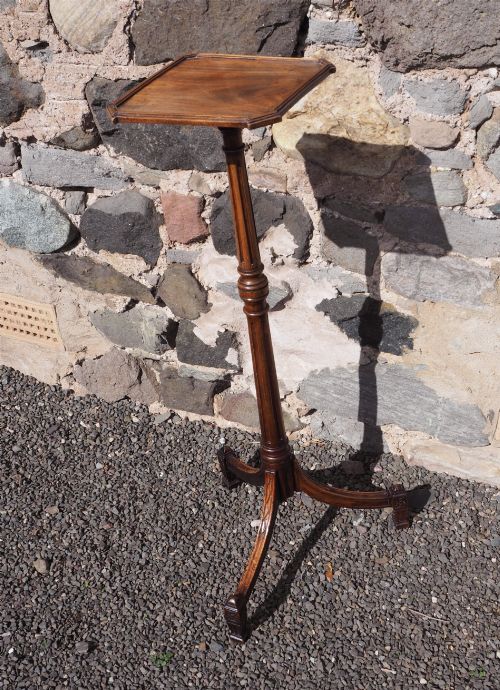
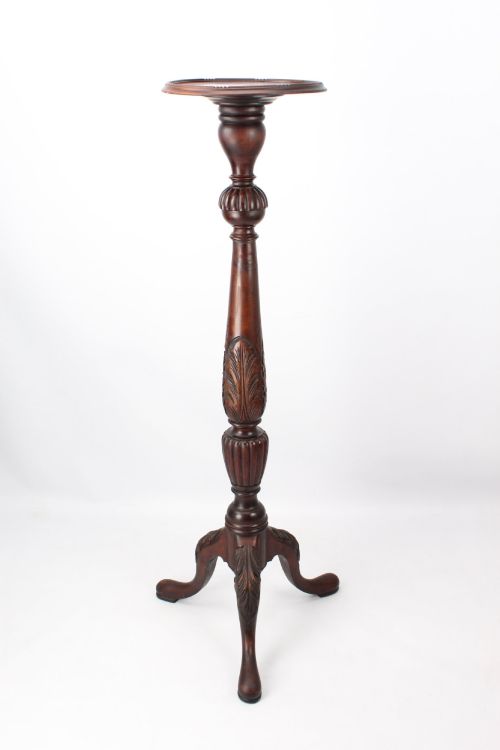
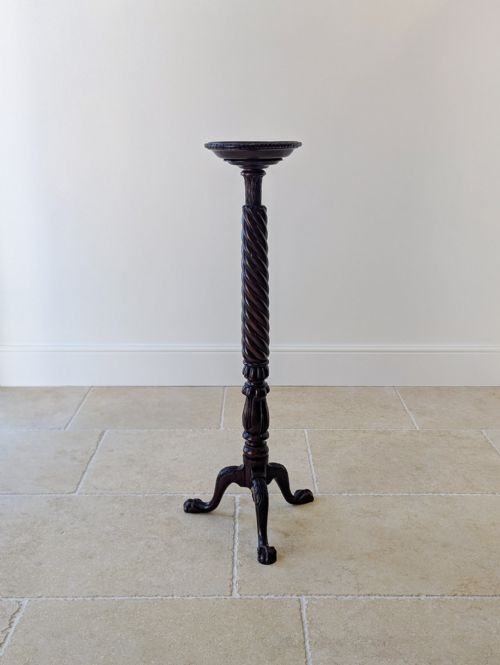
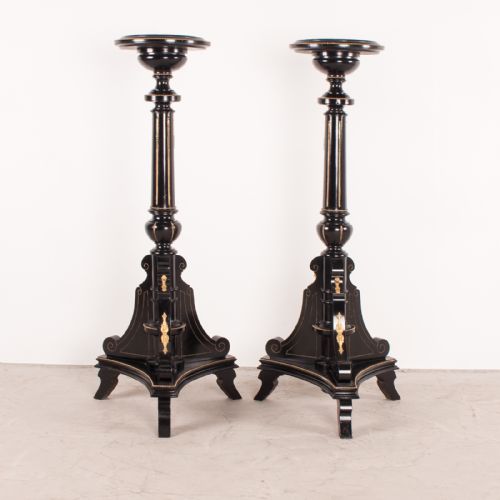
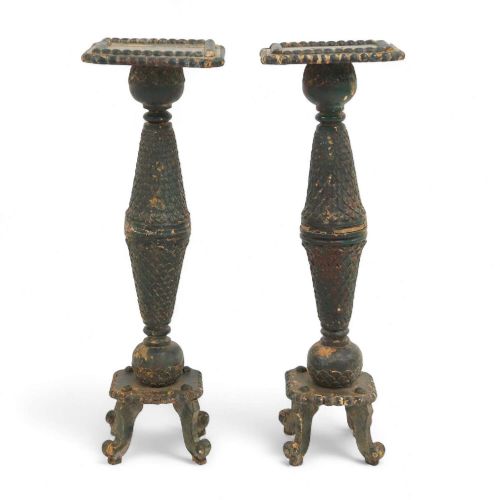
An antique carved torchere takes the form of a tall, slender stand designed originally to hold a candle, and later adapted for lamps, vases, or plants. The selections here span the eighteenth, nineteenth, and early twentieth centuries, drawing on Victorian, Edwardian, and Georgian aesthetic influences.
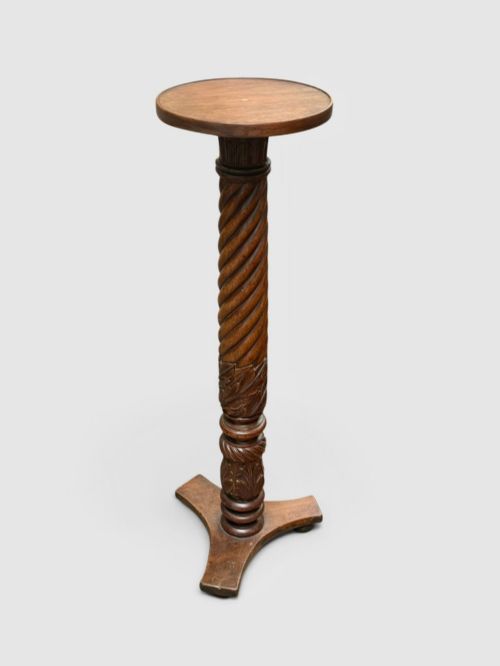
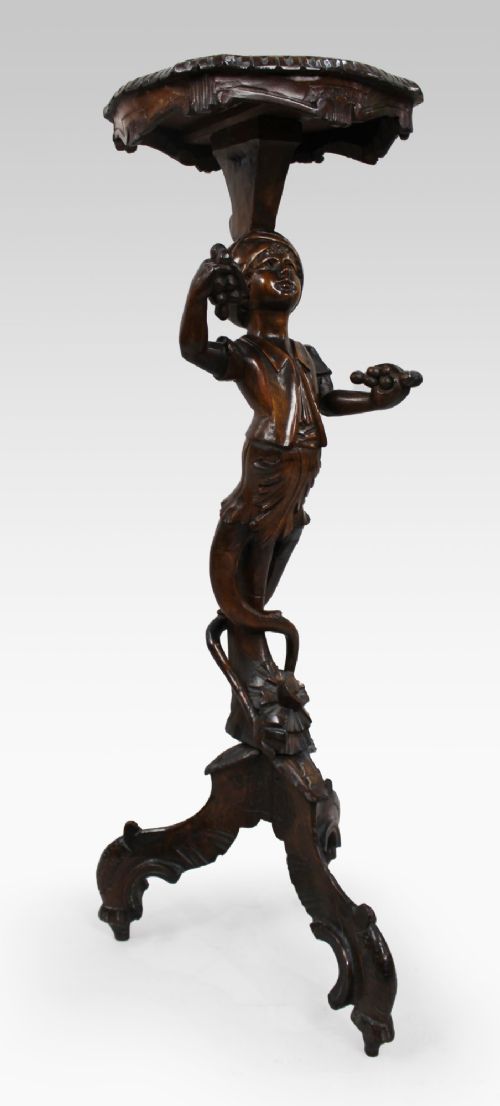
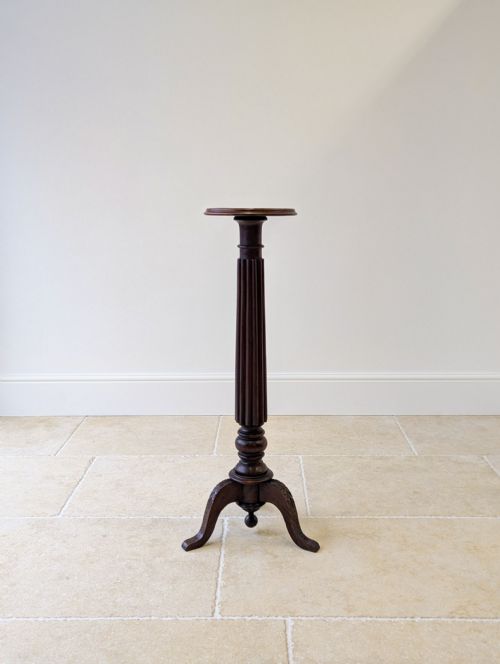
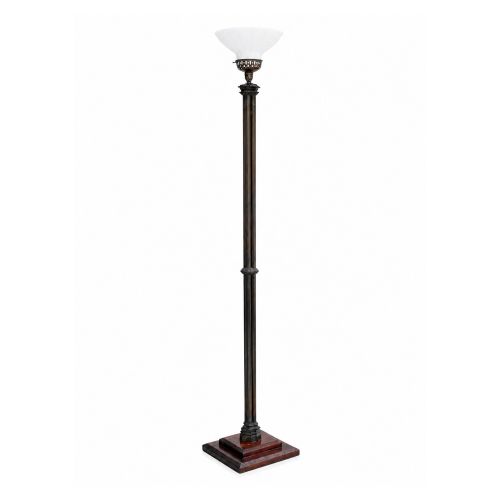
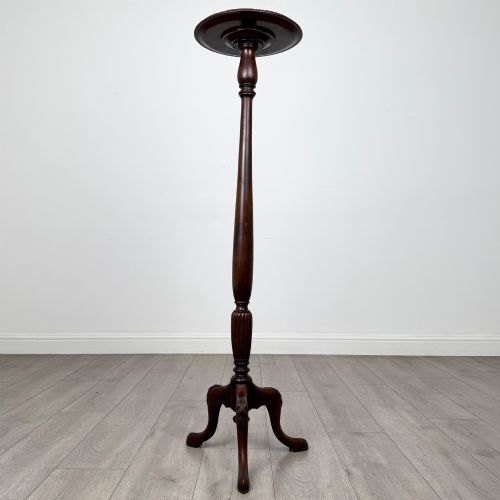
Buyers frequently encounter mahogany column stands and plant pedestals alongside figural Blackamoor carvings and Venetian styles. These pieces function variously as side tables, floor lamps, and display columns, often standing on tripod bases or square plinths.
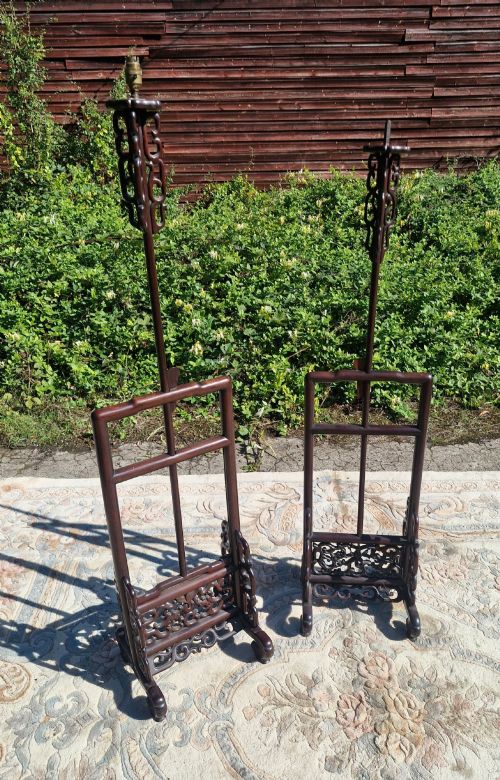
Origins stretch across English, Italian, French, and Chinese workshops, presenting a mix of architectural fluted columns and ornate carved wood figures. The primary function remains elevation, turning a simple corner into a focal point for display.
Materials and construction
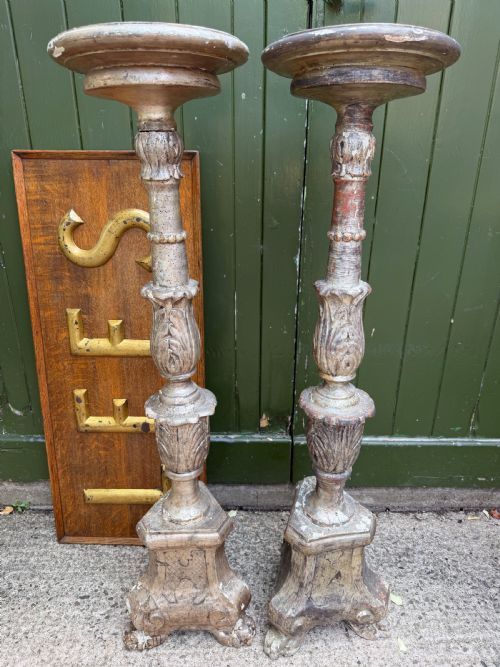
Carved wood dominates the construction, with mahogany, walnut, and oak forming the structural backbone of most English and continental examples. Artisans shaped these hardwoods through detailed hand-carving, applying gilt, silver, gesso, or paint finishes to decorative surfaces.
Brass fittings and marble tops appear on select pieces, adding weight and contrasting textures to the timber columns. Joinery relies on traditional turning and pegged joints to maintain stability in structures built for height.
The listings feature mahogany, walnut, and oak across Victorian, Edwardian, and eighteenth-century periods.
Markers of distinction
Depth and crispness in the hand-carving separate standard turned columns from exceptional figural or acanthus-leaf pedestals. The weight of the timber and the stability of the base dictate the structural integrity of a tall stand.
Original surface treatments, whether aged paint, gilt, or polished French polish, preserve the historical character of the piece. Proportion matters greatly, with superior items maintaining a balanced silhouette from the crown to the tripod or plinth foot.
Gillows
The Antique Carved Torchere Glossary
- Torchere
- A tall stand or ornamental candlestick holder originating in the seventeenth century, later used for displaying plants and lamps.
- Jardiniere
- An ornamental pot or stand for holding plants and flowers, frequently integrated into tall pedestals.
- Gesso
- A plaster-like mixture applied to wood surfaces as a base for painting or gilding, common on decorative Italian and French stands.
- Triform
- A base or stand supported by three feet or legs, typical of tripod torchere designs from the eighteenth and nineteenth centuries.
- Vernis Martin
- A type of simulated Japanese lacquer developed in France, found on select eighteenth and nineteenth-century furniture pieces.
Antique Carved Torchere: Frequently Asked Questions
What is an antique torchere used for?
Originally built to hold candles or torches for illumination, these tall stands now serve primarily as pedestals for lamps, vases, or potted plants.
Their narrow footprint allows them to occupy neglected corners and hallways, adding vertical dimension and architectural interest to interior spaces.
How do I tell Victorian torcheres apart from Georgian ones?
Georgian torcheres typically feature restrained classical proportions with straight fluted columns and crisp mahogany carving reflecting Palladian influences.
Victorian examples often display heavier ornamentation, including deeper relief carving, ebonised finishes, or elaborate figural elements influenced by Gothic and Rococo revivals.
Can these stands support heavy table lamps?
Most antique torcheres are structurally sound for standard lamps and plant pots, provided the weight is balanced centrally over the top surface.
Heavier tripod and triform bases offer superior stability for tall lamp standards, though buyers should check the diameter of the top platform against the base of any proposed lamp.
What woods were commonly used?
Mahogany remains the most prevalent timber across English and colonial pieces, prized for its strength and deep reddish-brown grain.
Walnut, oak, and rosewood appear frequently in continental and luxury English items, sometimes paired with exotic hardwoods or enhanced with painted and gilded surfaces.