
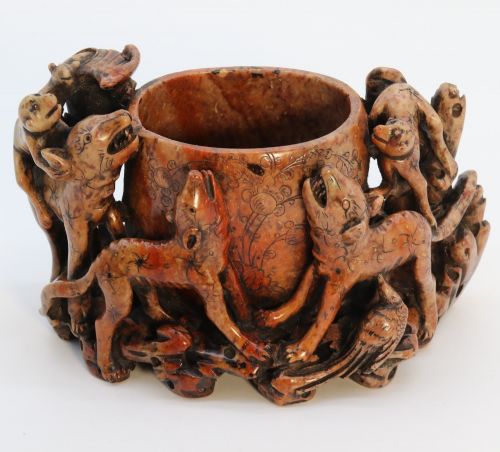
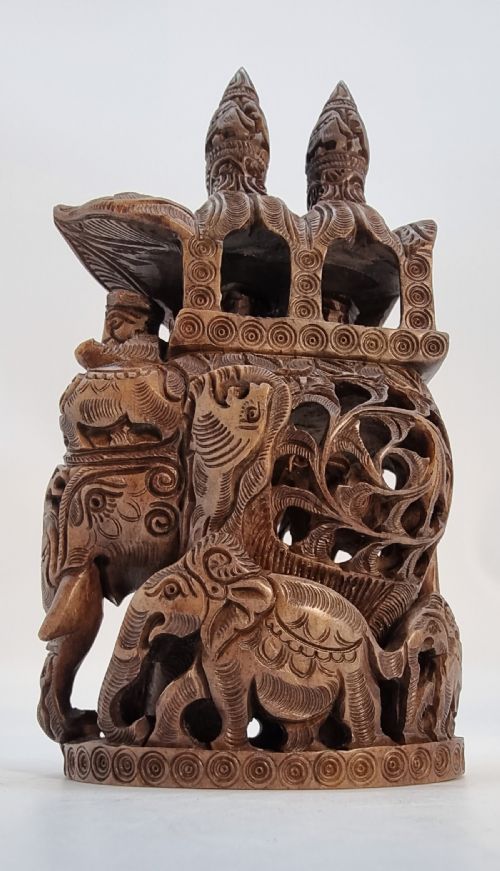


Antique Carved Stone Animal
These antique carved stone animal sculptures range from Grand Tour marbles to Chinese jade and soapstone studies, offering tactile charm for any mantelpiece.
Antique Carved Stone Animal
When you search for antique carved stone animal, you encounter a diverse gathering of sculptural forms ranging from European Grand Tour figures to Chinese brush pots and miniature carvings. These pieces span the nineteenth and early twentieth centuries, capturing subjects from wild boars and lions to domestic dogs, horses, and elephants.
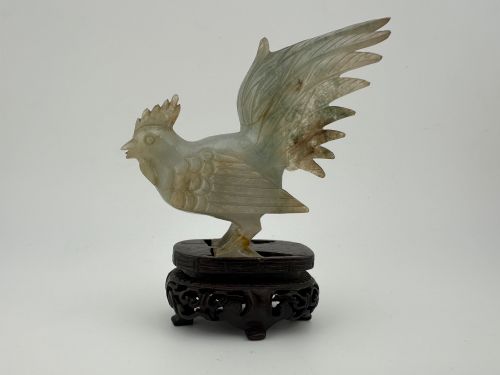
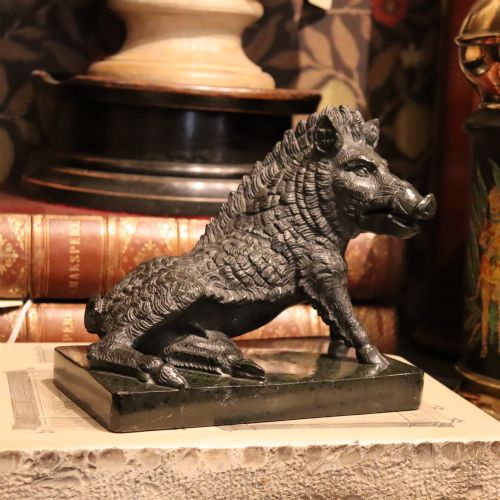
The selections on this page demonstrate the broad geographical and stylistic reach of stone carving. European workshops produced classical models like the Florentine boar and Venetian lions in serpentine and Carrara marble, while Asian makers utilised jade and soapstone for depictions of horses, fish, and sows with piglets.
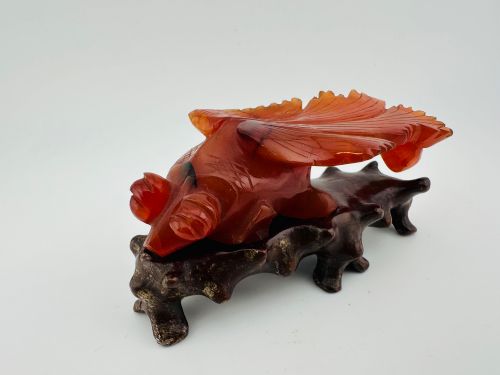
Object types vary widely between functional items like bookends and brush pots and pure decorative sculptures. Buyers find everything from miniature jade fish to substantial pairs of alabaster dogs and marble equestrian studies.
Judging the quality of stone animal carvings
Quality rests primarily on the anatomical accuracy and expressive vitality captured by the carver. Superior pieces convey realistic movement and muscular tension, whereas lesser examples appear stiff and lack naturalistic proportions.
The choice and natural figure of the stone also dictate distinction. Artisans who positioned veins in the marble to accentuate an animal's form created works superior to those cut blindly from plain material.
Several stone animals wear an expression of mild grievance, as though deeply offended by the sculptor's artistic interpretation.
Bright And Sons
The Antique Carved Stone Animal Glossary
- Grand Tour
- A cultural journey undertaken by wealthy young Europeans in the eighteenth and nineteenth centuries, bringing home souvenir sculptures modeled after classical antiquities.
- Serpentine Marble
- A dark green, mottled mineral rock often resembling snakeskin, frequently utilised by Italian carvers for classical animal models.
- Soapstone
- A soft, talc-based metamorphic rock prized in Chinese carving for its smooth feel and ease of intricate shaping.
- Hardstone
- A collective term for semi-precious stones such as jade, agate, and jasper that require specialised abrasive techniques to carve.
- Alabaster
- A fine-grained, translucent stone that allowed nineteenth-century sculptors to achieve soft contours and subtle light transmission in animal figures.
Antique Carved Stone Animal: Frequently Asked Questions
How do I clean antique stone animal sculptures?
Dust gently with a dry, soft brush to remove surface debris without abrading the polish. Avoid water and chemical cleaners, as porous stones like soapstone and alabaster absorb moisture easily.
Consult a professional conservator if the stone requires deeper cleaning. Harsh detergents can strip historical patina and ruin the finish.
Where were serpentine marble sculptures made?
Many serpentine marble animal carvings originated in Italian workshops catering to nineteenth-century travellers on the Grand Tour. Artisans in cities like Florence and Rome reproduced classical sculptures for foreign buyers.
These pieces often drew direct inspiration from ancient Roman monuments and museum collections. The local stone gave the reproductions an authentic classical weight and colour.
What is the difference between soapstone and jade?
Soapstone is a soft, easily worked mineral with a soapy texture, frequently utilised in Chinese brush pots and animal carvings. Jade is an extremely tough hardstone requiring specialised abrasive wire and diamond cutting tools.
While soapstone allows for quick, deep incisions and shows opaque earthy tones, jade possesses a cool density and translucent quality that resists scratching.
How are nineteenth-century bookends used safely?
Place stone bookends on sturdy, level shelving capable of supporting their considerable weight. Ensure the base sits flush against the shelf to prevent tipping under the pressure of heavy volumes.
Position felt pads underneath the stone bases to protect both the furniture surface and the underside of the carving from friction damage.