

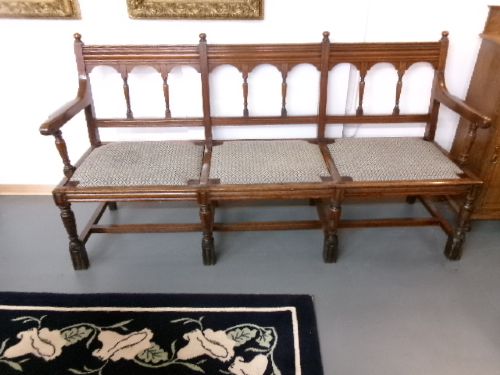
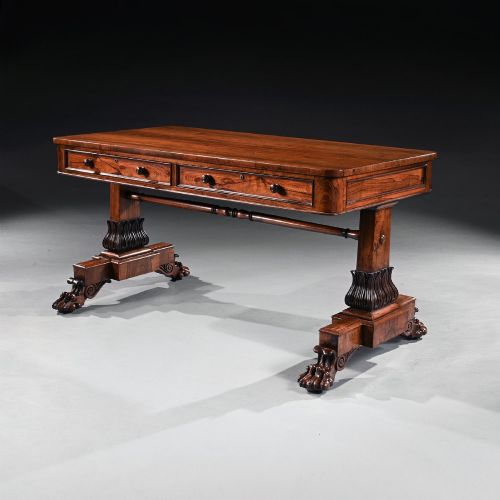
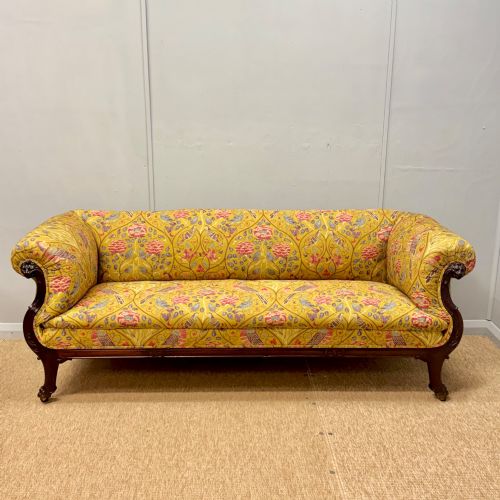
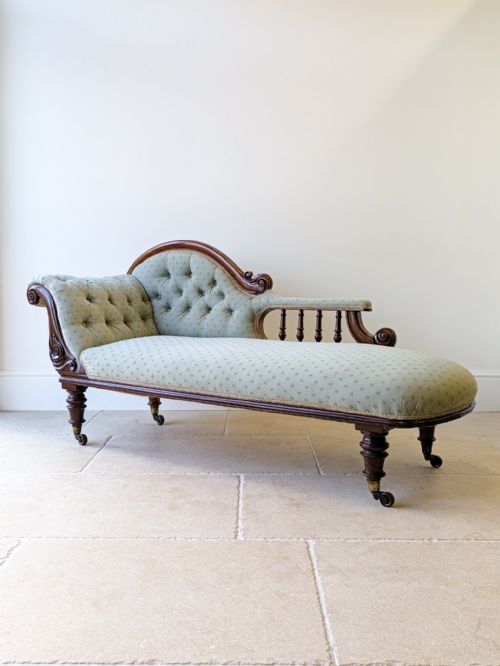
Antique Carved Sofa
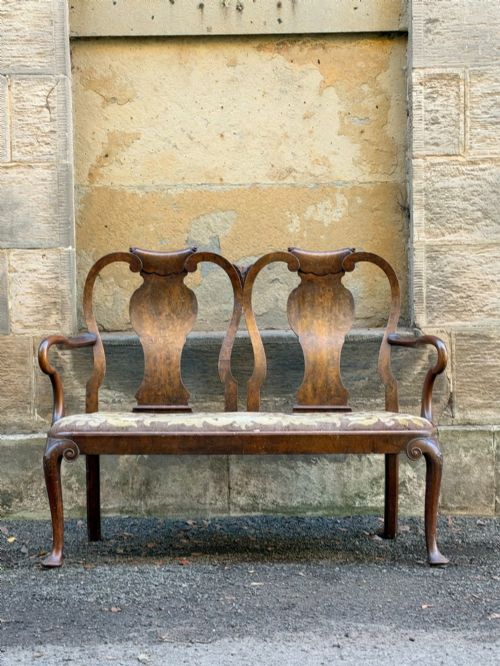
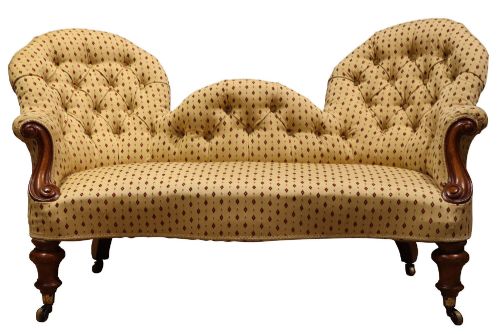
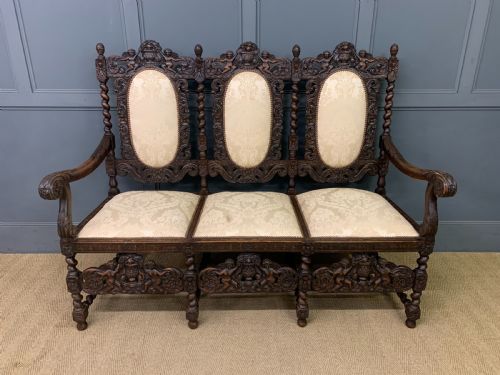
An antique carved sofa brings heavy walnut, mahogany and rosewood frames into a drawing room with robust nineteenth century presence.
Antique Carved Sofa
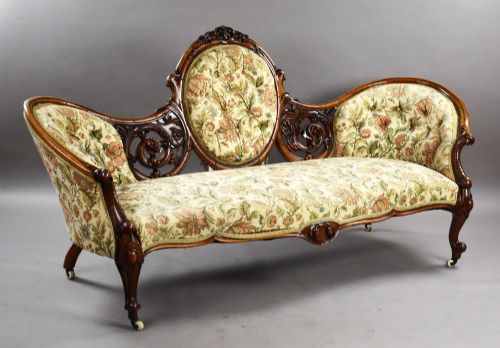
An antique carved sofa covers heavy nineteenth century seating spanning Victorian, William IV and Regency periods alongside later Edwardian and twentieth century examples. Buyers hunting this phrase encounter substantial timber frames built for formal reception rooms, often featuring camel back shapes, double ended designs or twin chair backs.
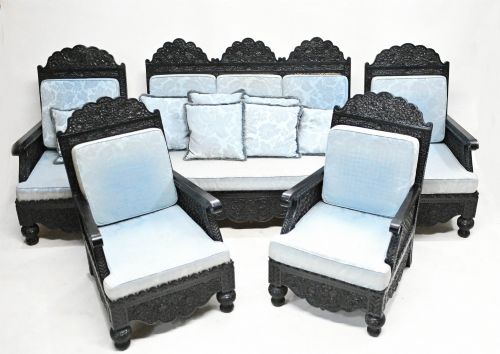
The material selection leans heavily toward dark timbers like walnut, burr walnut, mahogany and rosewood, frequently upholstered in velvet or brocade fabrics. Alongside standard settees, pieces appear within larger salon suites accompanied by matching armchairs and footstools.
Origins stretch across British workshops and continental makers, incorporating styles from Rococo Revival and Baroque Revival to French Provincial and Chippendale Revival. These seating pieces served as focal points for nineteenth century interiors, combining structural timberwork with deep sprung bases.
Timbers and upholstery techniques
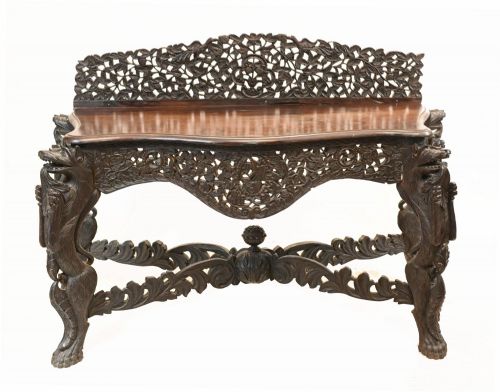
Frames rely on dense hardwoods such as mahogany, walnut and rosewood, selected for their stability when subjected to deep carving. Cabinet makers shaped these timbers into elaborate crest rails, cabriole legs and framed backs using traditional joinery.
Upholstery techniques combined sprung seat bases with durable fillings, finished in heavy textiles including burgundy deep pile brocade and velvet. Cane work also appears on specific continental forms like the French Bergère sofa, requiring meticulous hand weaving around exposed wooden arm structures.
Antique Carved Sofa Retail Price Guide 2026
Typical asking prices for carved sofa among the pieces listed under this phrase on Sellingantiques today, from the lower quarter to the upper quarter. They describe what is for sale here now, not the wider market.
Assessing timber and carving depth
Quality rests in the crispness of the hand carving upon the wooden frame and the selection of figured veneers such as burr walnut. Superior pieces display deep, undercut moulding and sculptural definition along the crest rail and legs, whereas simpler versions show softer, shallow incision.
Structural integrity of the timber frame and the authenticity of the show wood determine distinction across the range. Finer examples retain their original harmonious proportions, solid secondary woods and uncompromised joinery beneath modern or historic upholstery.
Howard & Sons
The Antique Carved Sofa Glossary
- Camel back sofa
- A seating form featuring a graceful, undulating serpentine top rail reminiscent of a camel's hump. This profile gained popularity during the eighteenth century and influenced later revival pieces.
- Double ended sofa
- A couch designed with matching scroll arms at both ends, allowing a sitter to recline comfortably in either direction. These symmetric forms frequently anchor nineteenth century drawing rooms.
- Burr walnut
- A prized timber veneer harvested from walnut tree growths, yielding intricate swirling grain patterns. Cabinet makers utilised this decorative wood on prominent surfaces of fine Victorian tables and cabinet furniture.
- Gadrooned edge
- A carved decorative border consisting of parallel convex curves or oval ornaments. This classical motif often edges the top of mahogany and oak side tables.
Antique Carved Sofa: Frequently Asked Questions
What defines an antique carved sofa?
These seating pieces are heavy nineteenth century and early twentieth century wooden couches featuring detailed hand carved decoration along the frame. They utilise solid timbers like mahogany, walnut and rosewood.
Buyers select them to anchor formal rooms with period character, combining structural joinery with upholstered sprung bases and traditional textiles.
How do I care for the upholstery?
Protect the fabric from direct sunlight to prevent fading of deep pile brocades and velvets. Regular gentle vacuuming keeps dust from settling into the textile weaves.
Treat the exposed wooden frames periodically with appropriate wax to maintain the finish without harming the surrounding fabric.
Where were these sofas used?
Original placement was primarily in formal nineteenth century drawing rooms, salons and grand hallways. They served as central seating for entertaining guests and family gatherings.
Today, they transition easily into living spaces as statement pieces that contrast against modern minimalist interiors.
How are different periods told apart?
Victorian and William IV pieces tend to feature heavy rosewood and mahogany with dense, sculptural carving and dark finishes. Edwardian and later twentieth century examples often show lighter mahogany framing or simpler oak structures.
Stylistic revivals provide further clues, mirroring eighteenth century Chippendale or Baroque designs interpreted through nineteenth century workshop practices.