




Antique Carved Oak Fragment
An antique carved oak fragment brings centuries of architectural history and relief sculpture directly into a room.
Antique Carved Oak Fragment
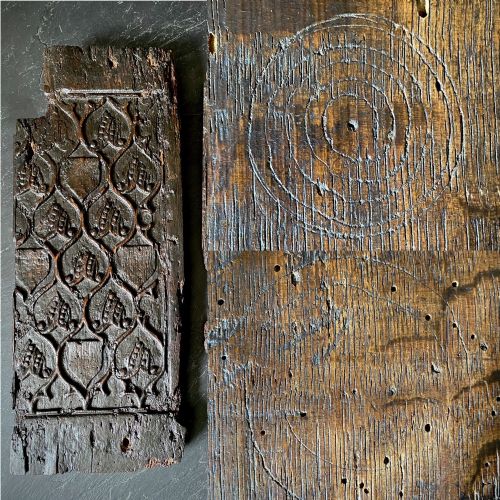
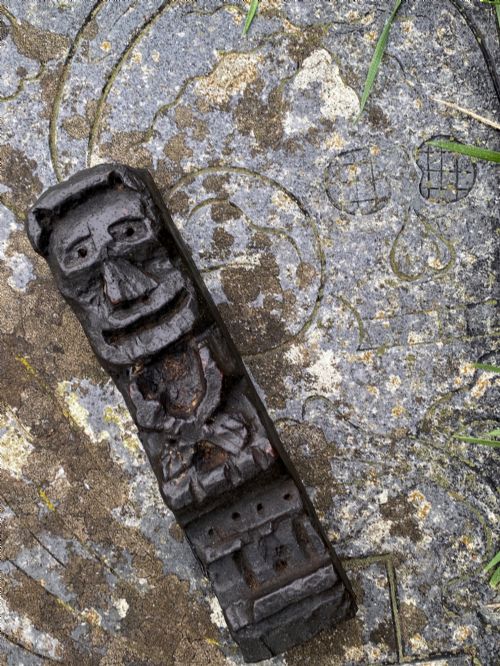
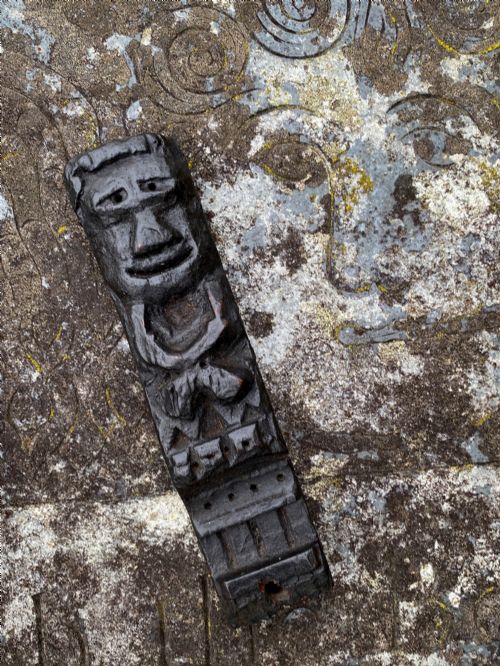
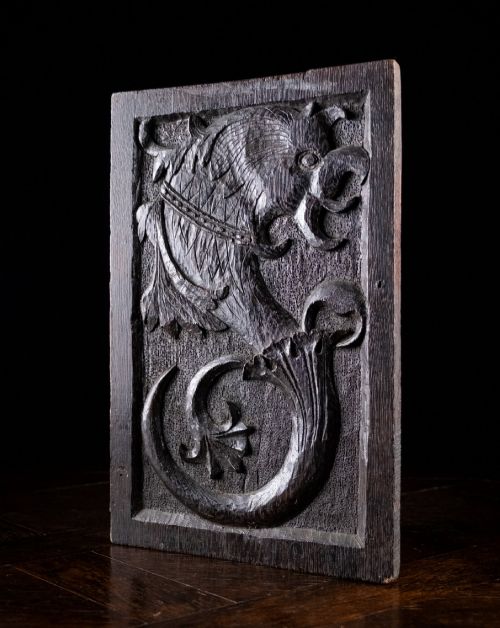
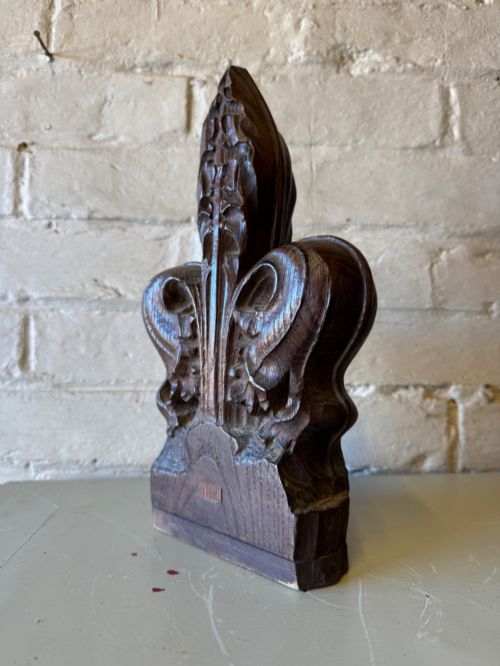
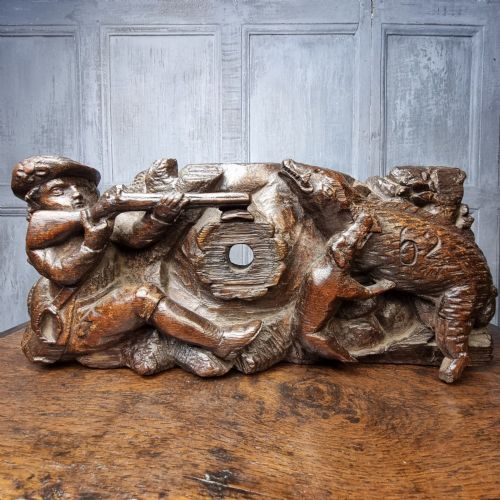
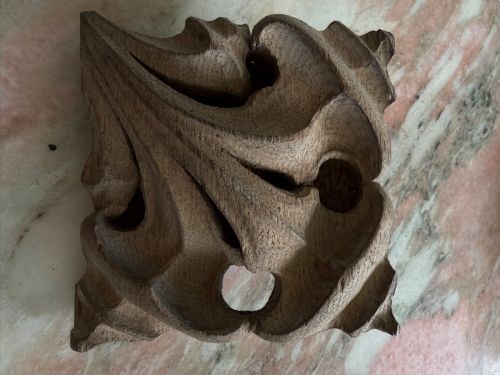
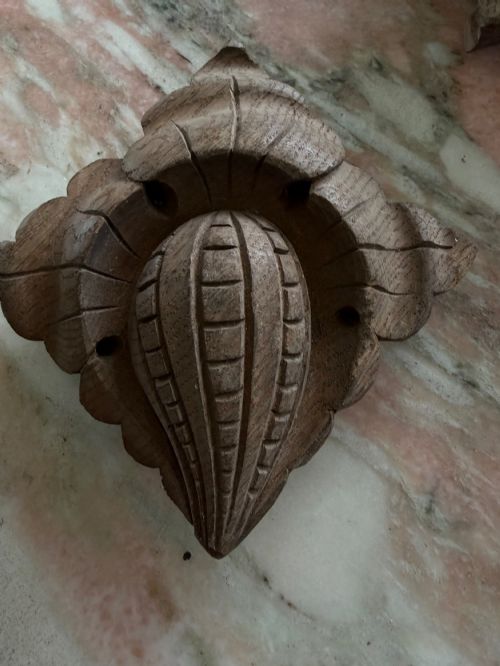
An antique carved oak fragment is a surviving piece of historical woodwork, ranging from architectural salvage and ceiling bosses to relief sculptures and wall carvings. These items originate predominantly from the sixteenth, seventeenth, and eighteenth centuries, with occasional medieval gothic tracery and nineteenth century revivals.
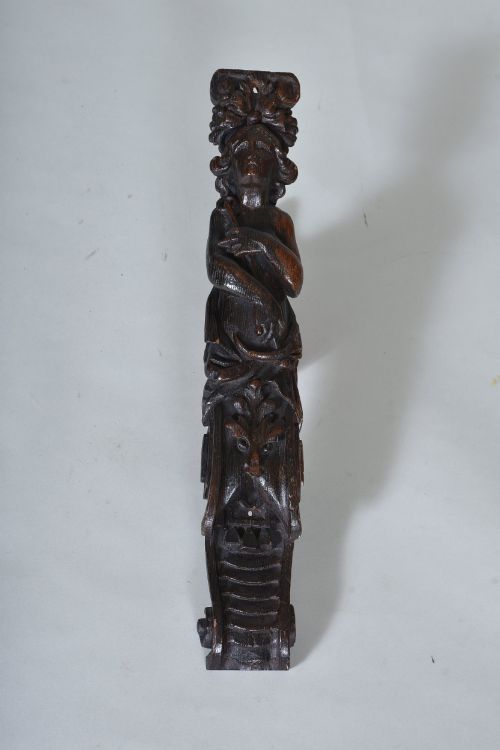
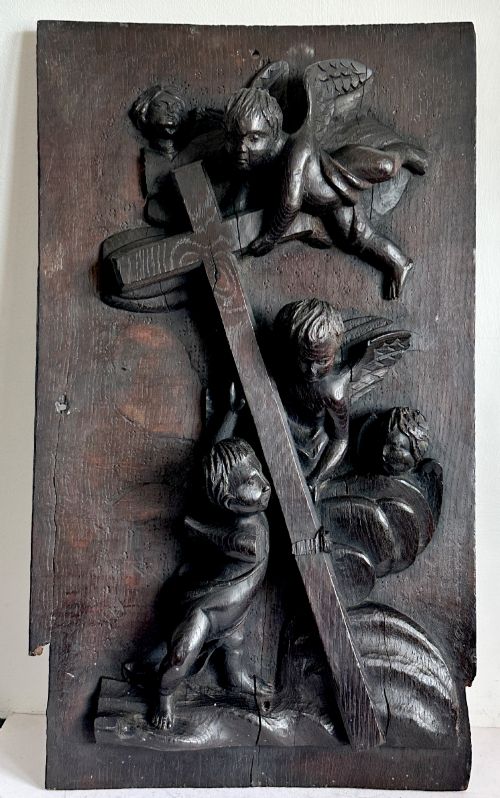
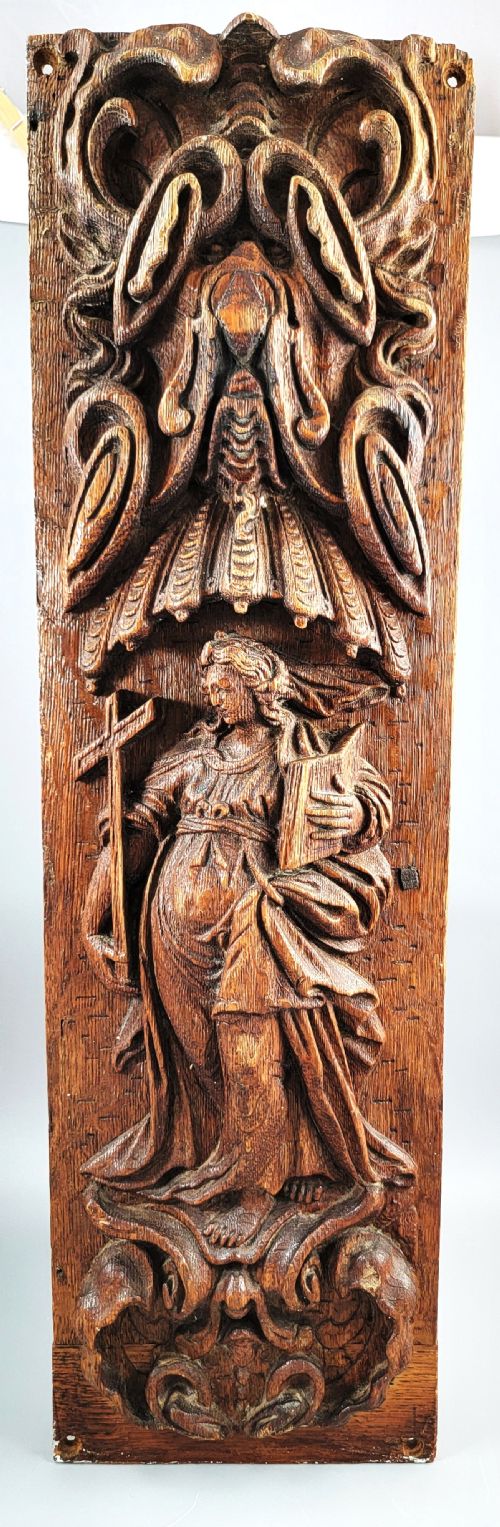
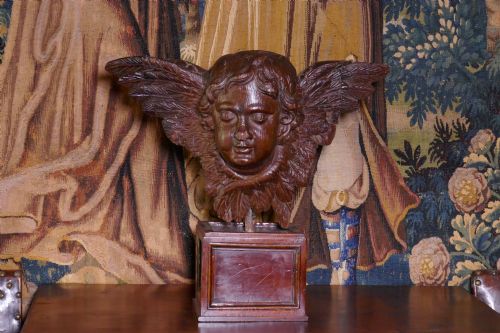
Buyers encounter panels, friezes, caryatids, and figures of saints or angels rescued from ecclesiastical and secular buildings. The version most frequently met on this page is the seventeenth century oak panel or architectural carving, often bearing Flemish, French, or English origins.
These fragments function today as standalone wall art or decorative interior elements. Their survival preserves the sculptural craft of historic joinery and woodwork.
Materials and construction methods
The material used is predominantly solid oak, alongside related hardwoods, timber, and occasional accents of iron or remnants of old paint. Carpenters and sculptors worked directly on seasoned timber using hand chisels and gouges to produce deep relief carvings.
Panels and figures were shaped through manual chipping, incision, and piercing techniques to create three dimensional depth. Tracery and ceiling bosses required precise joinery to fit within larger timber frameworks.
Antique Carved Oak Fragment Retail Price Guide 2026
Typical asking prices for carved oak fragment among the pieces listed under this phrase on Sellingantiques today, from the lower quarter to the upper quarter. They describe what is for sale here now, not the wider market.
Materials recorded across the inventory include solid oak, dark oak, iron, and painted hardwood timbers.
Assessing quality in carved fragments
The integrity of the timber surface and the clarity of the period tool marks determine the desirability of a piece. Original patination and uncompromised structural survivals distinguish finer workshops from secondary provincial work.
The Antique Carved Oak Fragment Glossary
- Ceiling Boss
- A projecting block of wood placed at the intersection of ribs in a ceiling. They often feature carved leaves or figurative motifs.
- Caryatid
- A carved architectural figure acting as a support column. They frequently appear as draped female figures.
- Tracery
- Openwork stonework or woodwork elements found in Gothic architecture. Wooden fragments often preserve delicate intersecting patterns.
- Frieze
- A broad horizontal band of sculpted decoration. These run along the upper walls of historic interiors or furniture.
- Relief Sculpture
- Carving where the figures project from a background plane. Depictions range from shallow incisions to deep high relief.
Antique Carved Oak Fragment: Frequently Asked Questions
Where did these fragments come from?
These fragments originate from historic buildings, churches, and demolished architectural structures. Artisans incorporated them into larger schemes before later dismantling separated them.
Many pieces began as structural elements like ceiling bosses, friezes, or architectural panels before entering the decorative market.
How do I date an oak fragment?
Dating relies on stylistic clues, tool marks, and the characteristics of the oak timber itself. Sixteenth and seventeenth century pieces display distinct period motifs such as linenfold, strapwork, or Renaissance figures.
Comparative analysis with dated architectural salvage helps narrow the century of manufacture.
How should I display a fragment?
Fragments are typically mounted directly onto walls as standalone works of art or incorporated into interior joinery. Their sculptural relief benefits from directional lighting that accentuates the carved depth.
Placing them away from direct heat sources protects the historic oak timber from splitting.
What is architectural salvage?
Architectural salvage consists of building components rescued from structures undergoing demolition or restoration. This category preserves doors, panels, and carvings for modern reuse.
Such pieces allow contemporary interiors to incorporate genuine historical craftsmanship.