

Antique Carved Handle
An antique carved handle brings tactile history to furniture and utensils, offering a tangible connection to past craftsmanship through timber, metal, and bone.
Antique Carved Handle
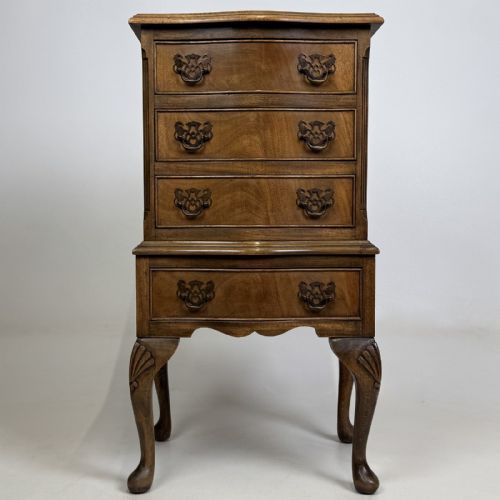
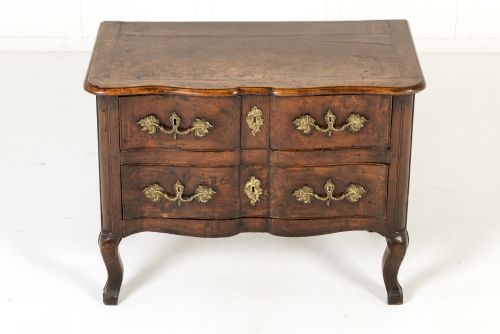
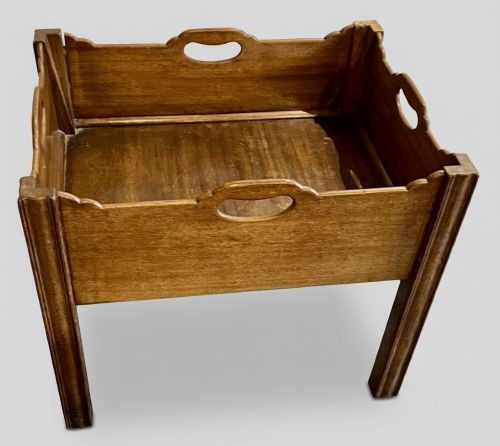
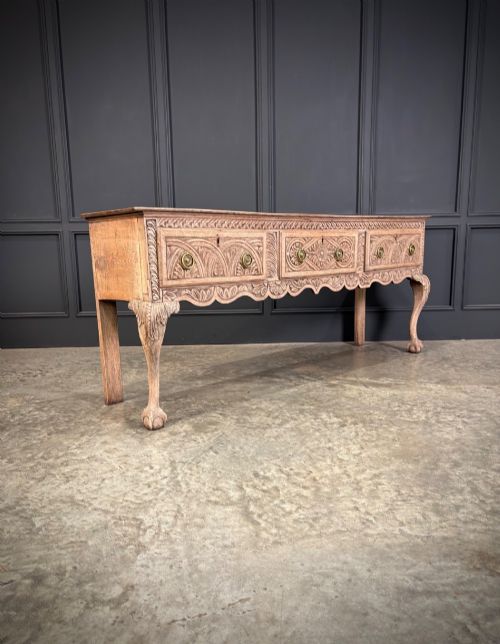
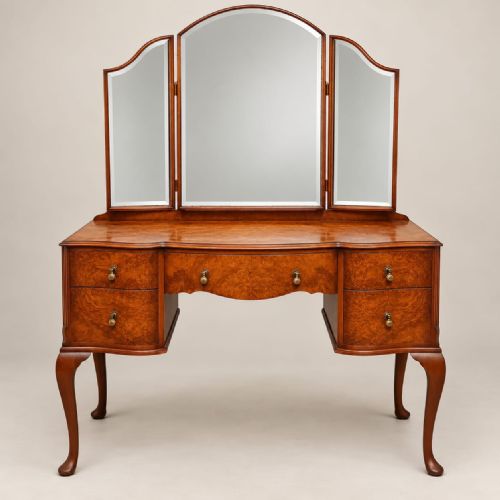
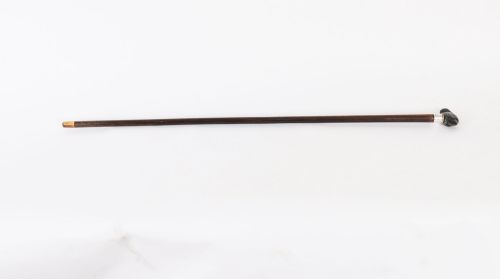
When you search for an antique carved handle, you encounter decorative and functional elements drawn from furniture, walking canes, and cutlery across multiple centuries. The selection encompasses items shaped from brass, oak, mahogany, walnut, silver, steel, and bronze.
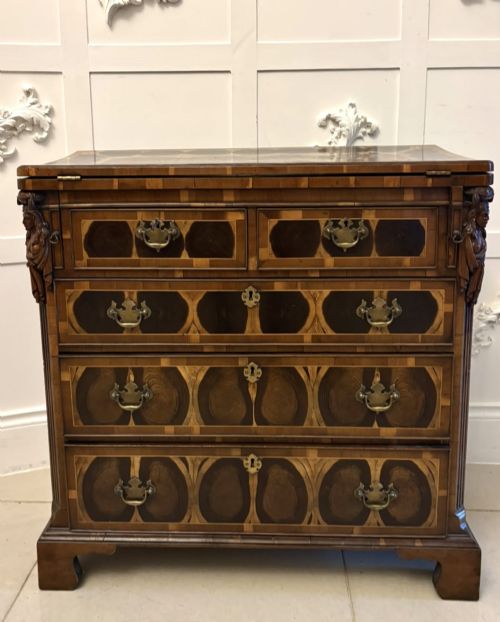
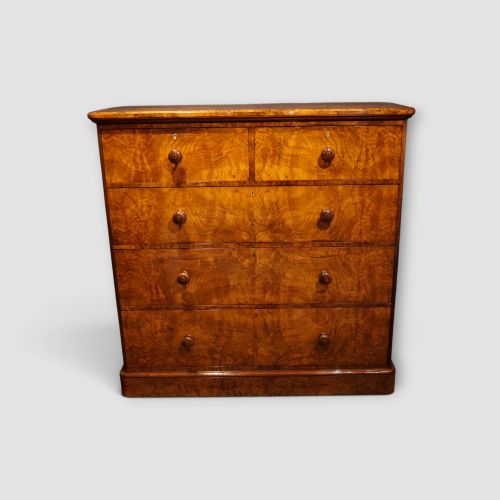
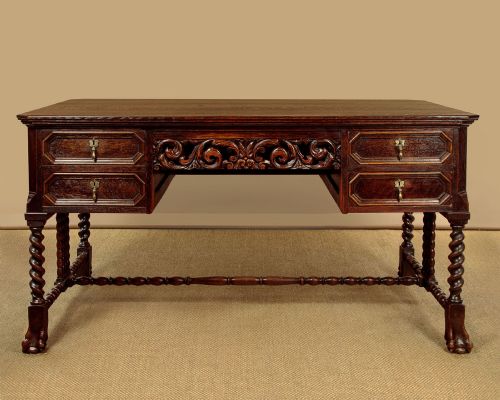
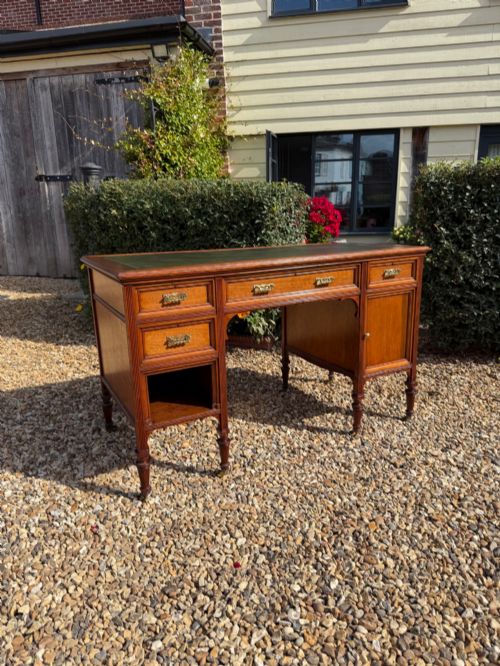
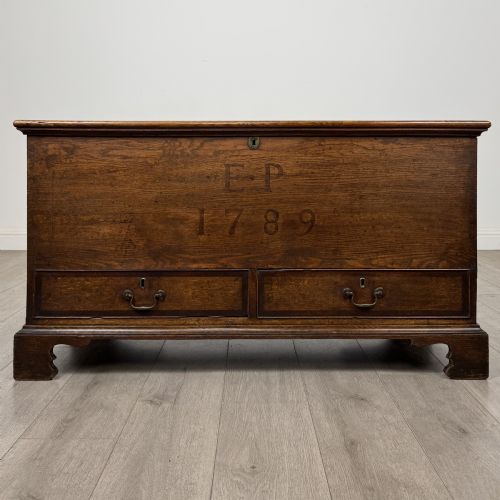
You are most likely to meet drawer pulls, drop handles, and decorative grips attached to chests of drawers, desks, and dressers spanning the seventeenth century through to the 1930s. These pieces reflect broader historical styles, including Georgian, Victorian, Edwardian, and French Provincial, alongside specialised implements like walking sticks and fruit knives.
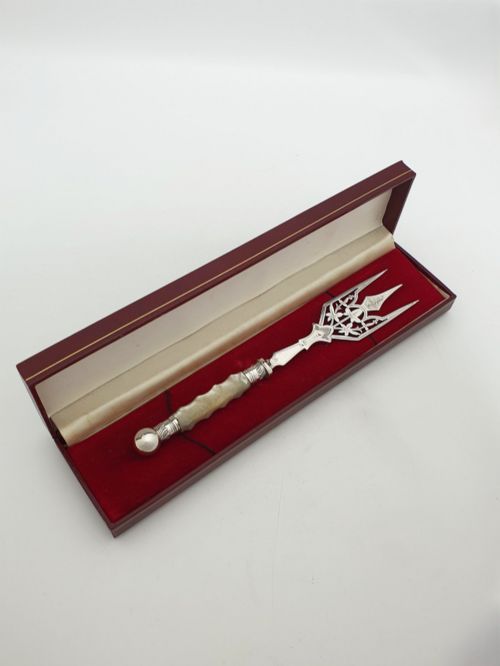
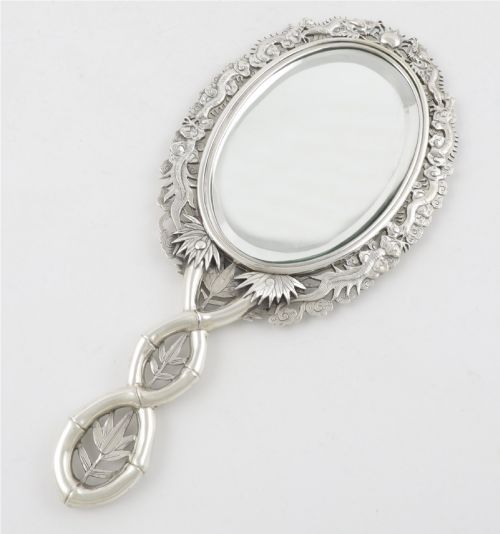
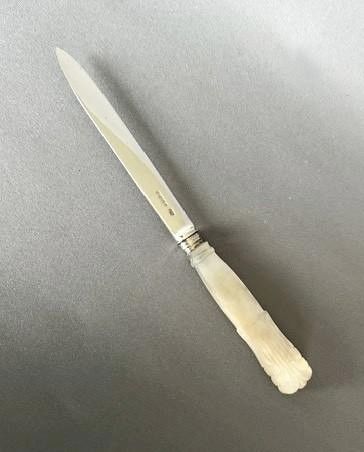
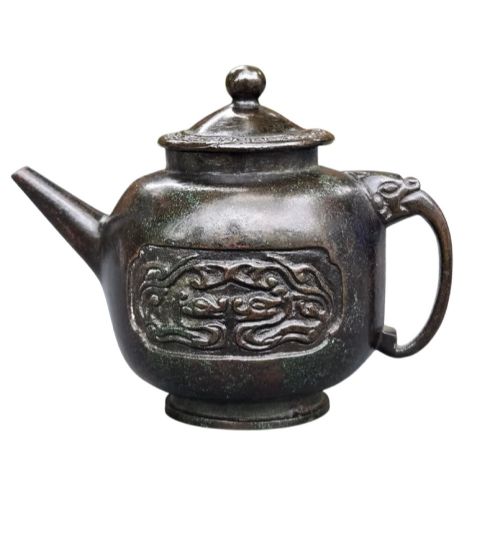
The objects vary greatly in scale, ranging from heavy architectural bronze vessel mounts to delicate silver-handled fruit knives and mother-of-pearl implements. Each piece demonstrates how historical makers applied carving, casting, and turning to everyday functional items.
Materials and construction
Makers utilised a combination of dense hardwoods such as oak, mahogany, walnut, and burr elm, shaping them through carving and turning to achieve ergonomic grips and decorative backplates. Timber components often relied on the natural grain of the wood to provide visual depth alongside relief carving.
Metal components, including brass, bronze, silver, and steel, were shaped through casting, hammering, and chasing. Artisans combined these metals with organic materials like horn, mother-of-pearl, and agate to create contrasting textures on handles for cutlery, walking sticks, and furniture hardware.
Antique Carved Handle Retail Price Guide 2026
Typical asking prices for carved handle among the pieces listed under this phrase on Sellingantiques today, from the lower quarter to the upper quarter. They describe what is for sale here now, not the wider market.
Listings span periods from the 17th Century to the 1930s, incorporating woods like oak, mahogany, and walnut alongside brass, bronze, and silver.
Evaluating quality and execution
The distinction between standard utility hardware and superior examples lies in the crispness of the carving and the fidelity of the cast. Finer pieces display deliberate undercutting, balanced proportions, and tool marks that evidence skilled handwork rather than mass production.
Integration between the handle and its mount determines the success of the piece. High-quality examples maintain original fixings, patination appropriate to the age of the material, and harmonious proportions relative to the object they adorn.
Howard and Sons·Roberts Cadman·Benedetto Boschetti·Brigg·Maples of London and Paris
The Antique Carved Handle Glossary
- Casting
- A manufacturing method where molten metal is poured into a mould to form complex shapes such as bronze handles or brass mounts. This technique allows for intricate relief details.
- Patina
- The surface sheen and coloration developed through handling, ageing, and polishing over centuries. A genuine patina indicates age and use.
- Turned
- Shaped on a lathe by rotating the material against cutting tools. This method produces symmetrical wooden components like furniture knobs and cane shafts.
Antique Carved Handle: Frequently Asked Questions
What are antique carved handles made from?
These items are fashioned from a variety of durable materials, prominently featuring hardwoods such as oak, mahogany, walnut, and burr elm. Metals like brass, bronze, silver, steel, and old Sheffield plate also appear frequently.
Additional materials include horn, mother-of-pearl, and agate, particularly on smaller handheld items like fruit knives, magnifying glasses, and walking stick grips.
How do I care for antique wooden and metal handles?
Maintenance requires gentle cleaning with a dry or barely damp soft cloth to remove dust without disturbing the historic surface. Avoid harsh chemical cleaners or abrasive pads that can strip the natural patination.
For wooden elements, occasional application of appropriate wax helps nourish the timber. Metal parts benefit from careful handling to preserve their existing finish.
Can I use replacement handles on antique furniture?
Replacement is sometimes necessary for structural integrity, though matching the period style and fixing dimensions is essential for historical cohesion. Original hardware significantly contributes to the character and authenticity of a piece.
Whenever possible, retaining existing mounts and fixings maintains the integrity of the item. Sourcing period-appropriate hardware ensures the piece remains visually balanced.
How do I identify the age of a handle?
Dating relies on examining the manufacturing techniques, tool marks, and material composition visible on the piece. Hand-cut threads, irregular casting flaws, and specific alloy mixtures often point to earlier centuries.
Context also plays a role, as hardware attached to documented furniture styles like Georgian or Victorian offers clear stylistic clues. Comparing the wear patterns to the stated period helps confirm authenticity.