
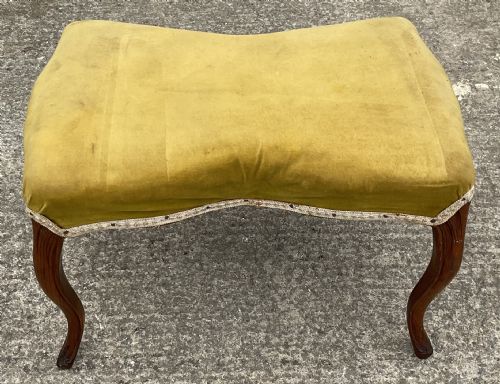
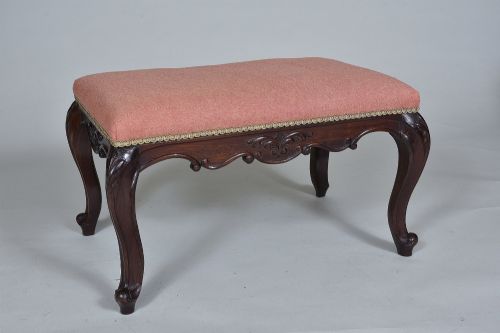
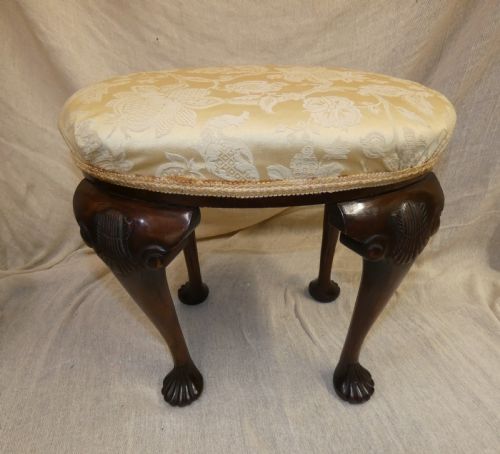
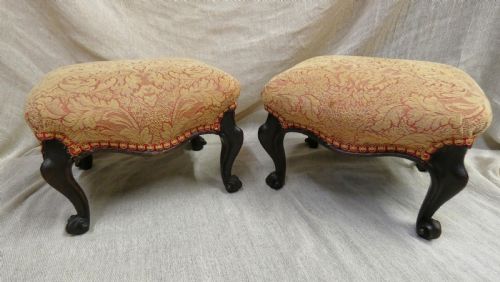
Antique Carved Footrest
An antique carved footrest provides a low, supportive perch for tired feet, pairing solid timber frames with rich upholstery.
Antique Carved Footrest
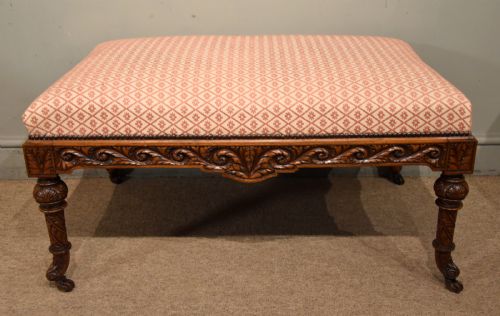
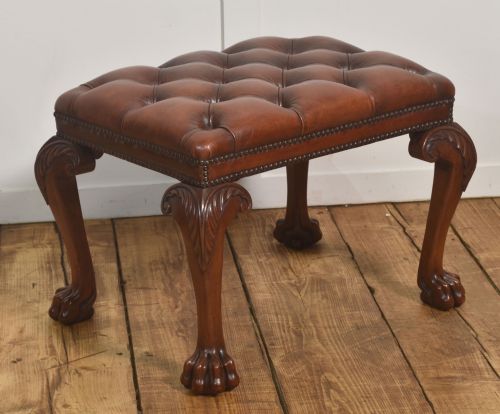
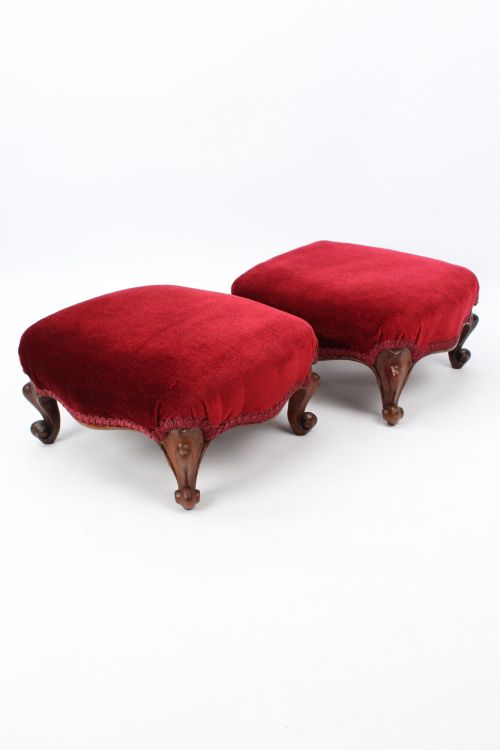
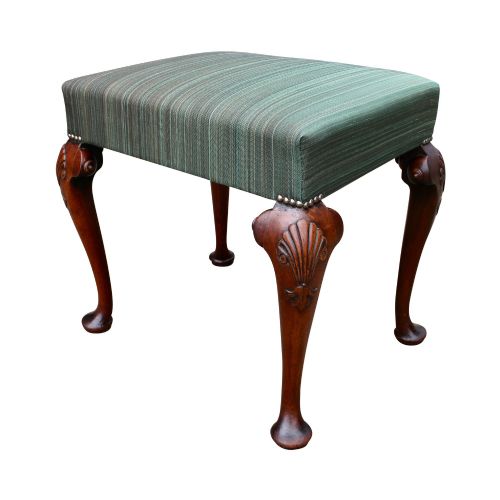
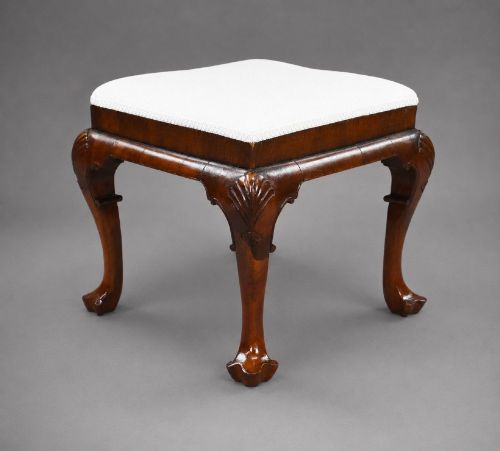
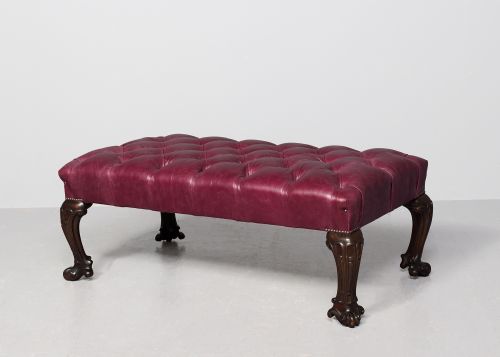
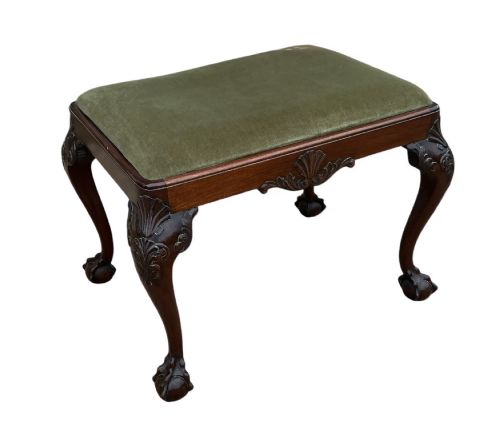
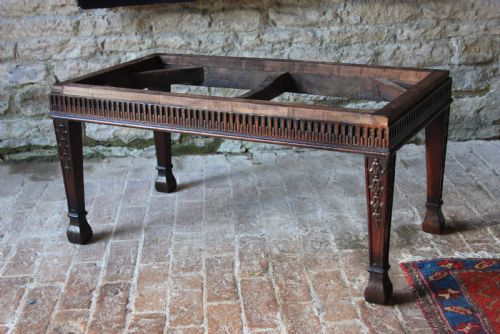
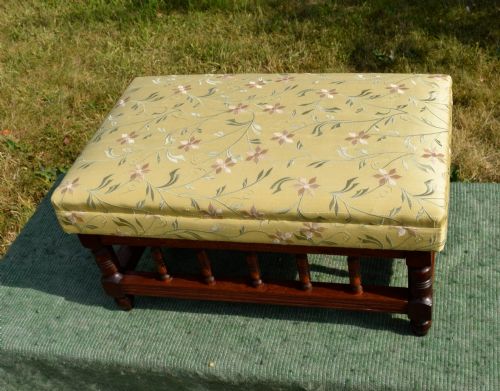
When you search for an antique carved footrest, you encounter low timber stools designed to support the feet while sitting in a parlour or drawing room. These pieces range from compact fireside footstools to larger dressing table stools and ottomans.
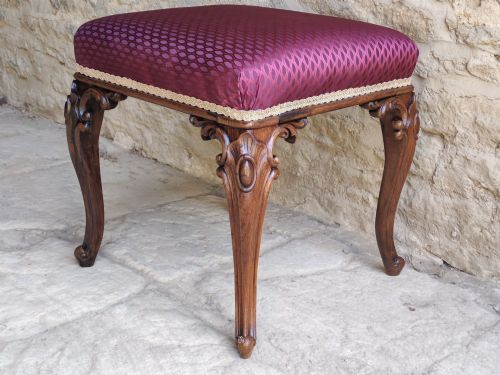
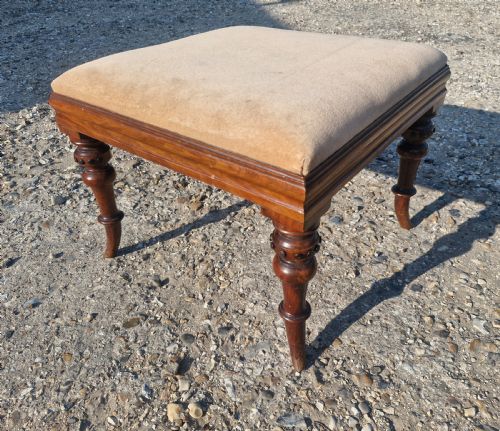
The version you are most likely to meet on this page belongs to the Victorian period or the nineteenth century, often fashioned from walnut or mahogany with carved wooden frames. Many examples display revival styles, drawing on Queen Anne, Chippendale, or French design motifs.
What varies in quality
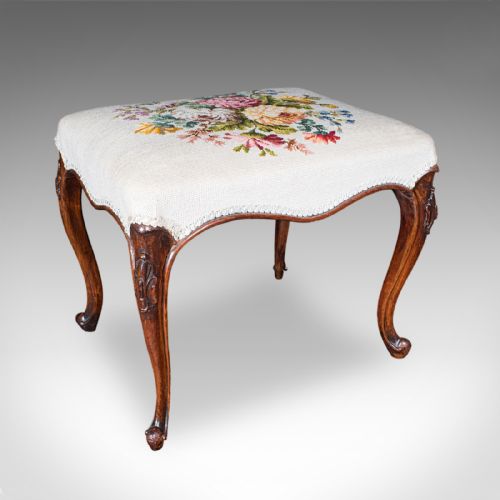
The depth and crispness of the hand-carving on the wooden frame separate standard production from superior examples. Sharply defined foliage, scrolls, and cabriole legs indicate skilled joinery and thoughtful design.
The choice of primary timber and the integrity of the underlying frame construction dictate longevity. Dense, finely figured rosewood or walnut frames combined with robust mortise and tenon joints stand above simpler constructions.
Listings span the eighteenth century through the early twentieth century, encompassing Victorian, Regency, and Edwardian aesthetic movements.
Loidrault Freres Paris·Miles & Edwards
The Antique Carved Footrest Glossary
- Cabriole leg
- A furniture leg that curves outward and then tapers inward, mimicking an animal's leg. This shape appears frequently on walnut and mahogany stools from the eighteenth and nineteenth centuries.
- Needlepoint
- A type of canvas work embroidery used for upholstery. Period examples often feature colourful wool stitches depicting floral or geometric patterns.
- X-frame
- A structural furniture base formed by intersecting curved or straight wooden members. This form creates an X shape when viewed from the side, providing stable support.
- Giltwood
- Timber coated with a thin layer of gold leaf or gilt paint. This finish appears on French revival and decorative nineteenth-century stools.
Antique Carved Footrest: Frequently Asked Questions
How were footstools used?
Victorian households utilised low stools to elevate feet away from cold draughty floors near fireplaces. They also served as dressing table seats or portable perches in reception rooms.
Over time, larger variants functioned as low coffee tables or ottomans within grand drawing rooms.
How do I live with one?
Place a carved footrest beside a favourite armchair or sofa to introduce textural warmth and historic character to a modern sitting room. Their compact footprint makes them versatile additions to hallways or bedrooms.
Protect the upholstery from direct sunlight and nourish exposed hardwood frames with appropriate furniture wax to maintain the timber finish.
How do I tell periods apart?
Victorian pieces often feature heavy walnut or rosewood frames with elaborate floral carving and cabriole legs. Earlier eighteenth-century revival pieces display restrained lines and distinct regional cabinetmaking traits.
Nineteenth-century French revival variants frequently incorporate giltwood finishes or elaborate tapestry covers.
Are these stools sturdy?
Hardwood frames constructed from mahogany or walnut offer robust structural integrity suitable for supporting weight. Traditional joinery methods ensure long-term durability for daily use.
Loose joints benefit from professional tightening to preserve the original timber framework.