
Antique Carriage
When you search for an antique carriage, you uncover a diverse array of horology, lighting, and transport-related pieces spanning the nineteenth and early twentieth centuries.
Antique Carriage
The term antique carriage most commonly leads you to mechanical timepieces housed in brass and glass cases designed for travel, alongside heavy transport items and related lighting.
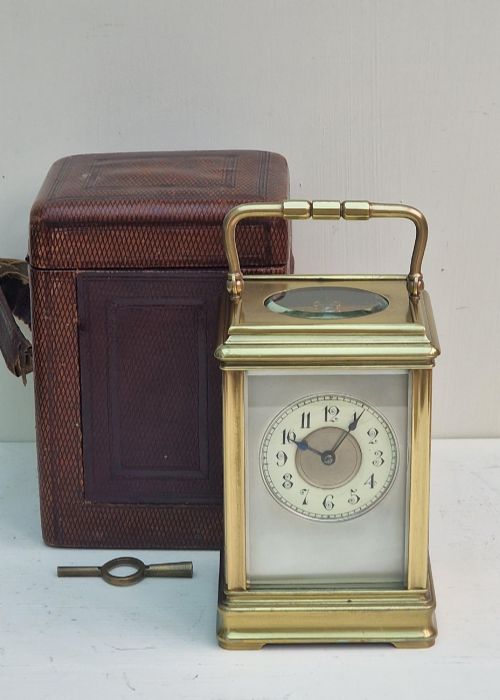
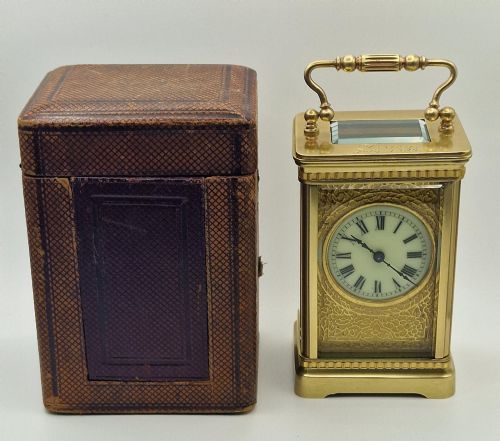
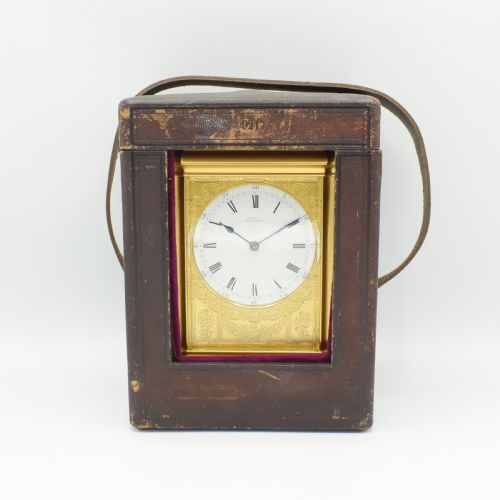
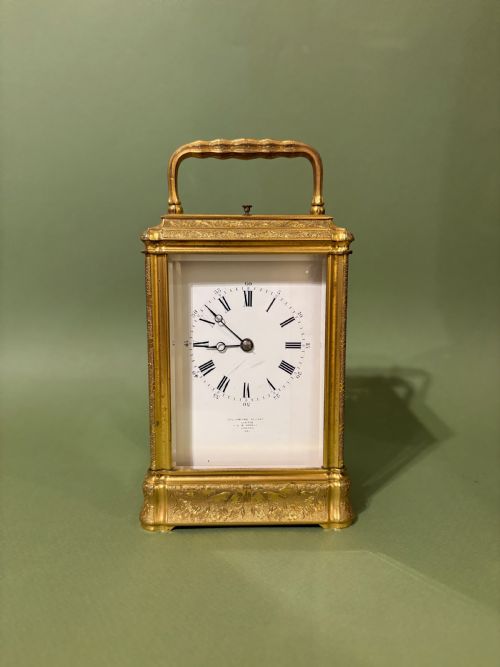
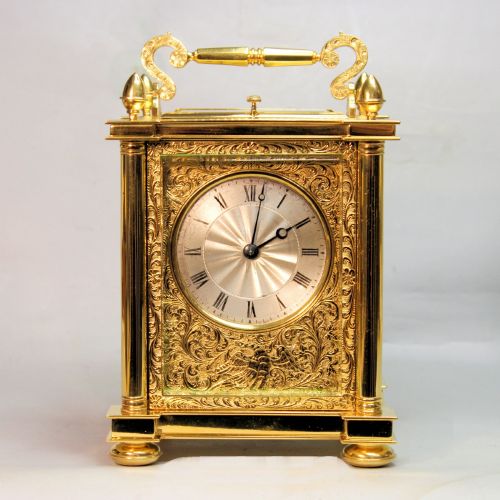
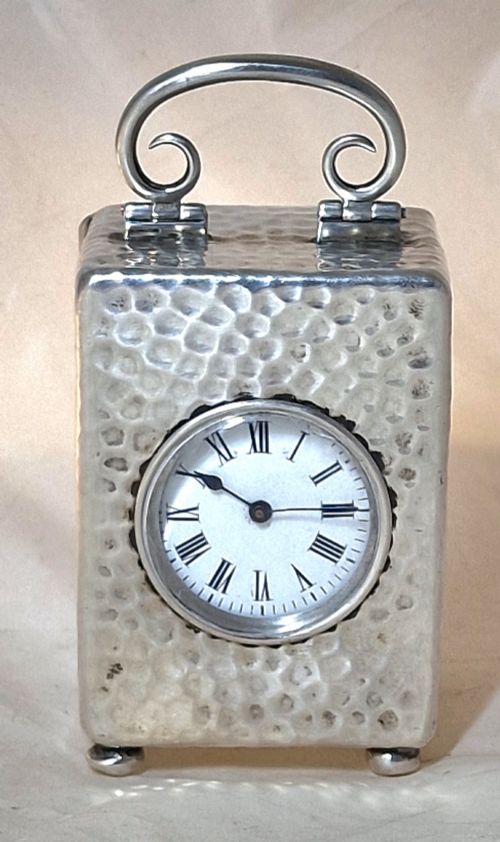
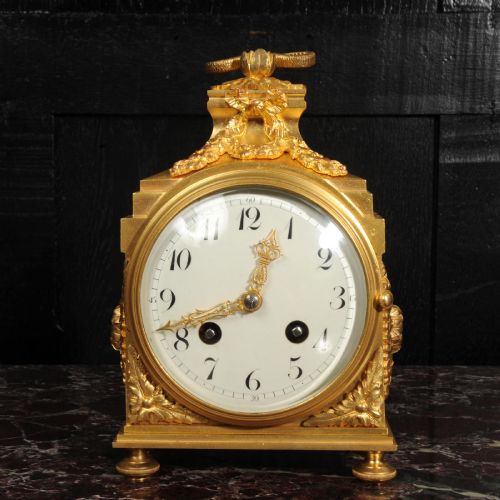
You will frequently encounter French and English carriage clocks originating from the Victorian and Edwardian eras, often featuring striking or repeating movements and original leather travel cases.
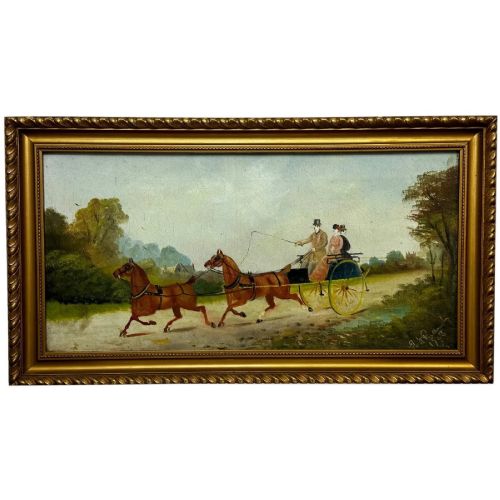
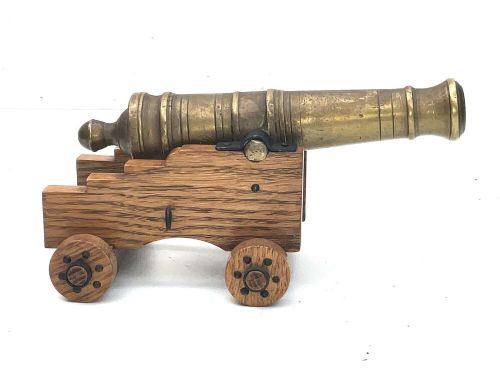
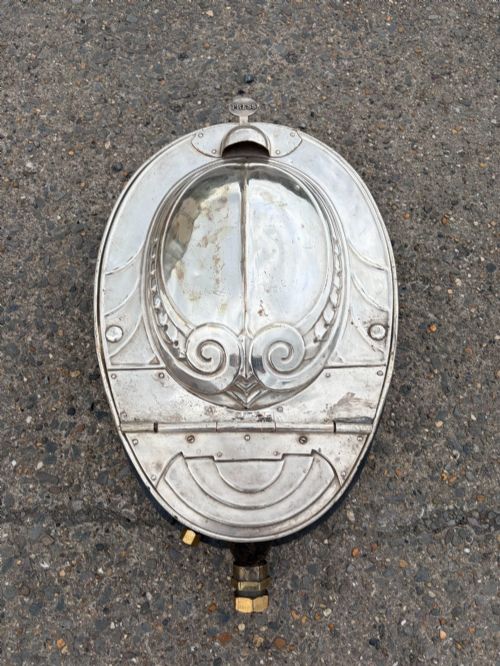
Beyond portable horology, the category embraces cast iron signal cannons mounted on wooden carriages, coach-house wall lanterns, brass Pullman lamps, and handcrafted models of horse-drawn vehicles.
How they were made
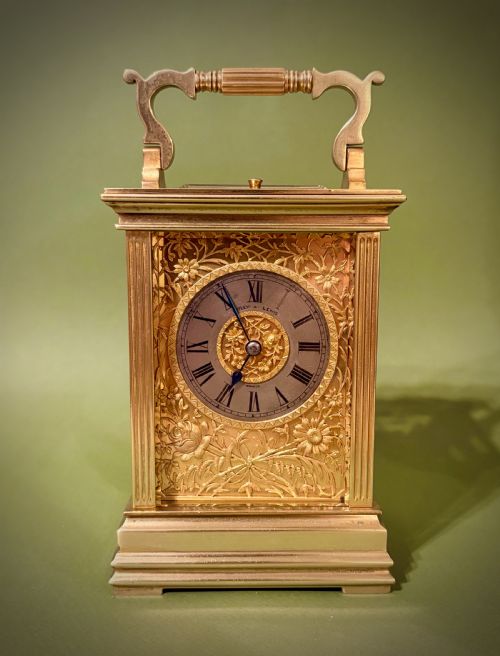
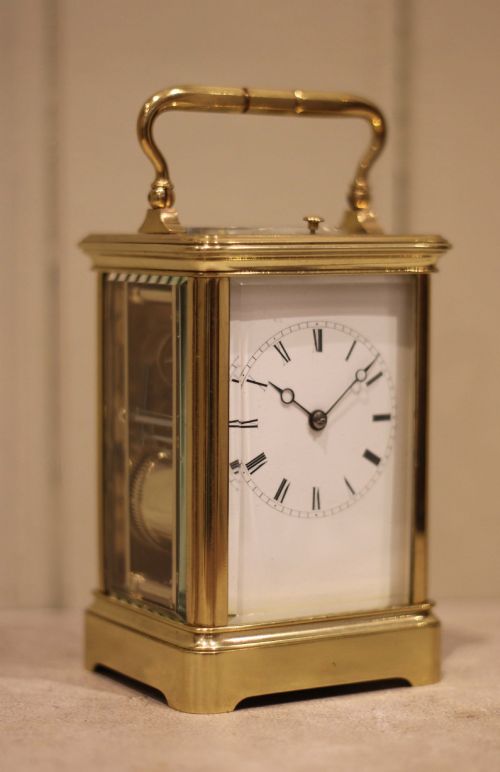
Clockmakers utilised heavy brass frames, bevelled glass panels, and gilded brass or ormolu mounts to construct portable timepieces that could withstand the rigours of transit.
Lighting and signal pieces combined cast iron, copper, brass, and oak, frequently incorporating verdigris patination or hand-stitched leather elements.
Artisans employed enamel work, porcelain panels, and intricate silver hallmarks to embellish the exterior casings of both clocks and decorative items.
Signal cannons mounted on sturdy oak carriages were historically fired to mark royal birthdays, celebrate evening meals, or signal maritime arrivals.
What varies in quality
The calibre of a timepiece is evident in the complexity of its movement, such as the inclusion of quarter-striking mechanisms, repeating functions, or Swiss escapements.
Casing construction dictates value, with heavy gorge cases, champlevé enamel, and intact porcelain plaques marking out the superior examples from standard production pieces.
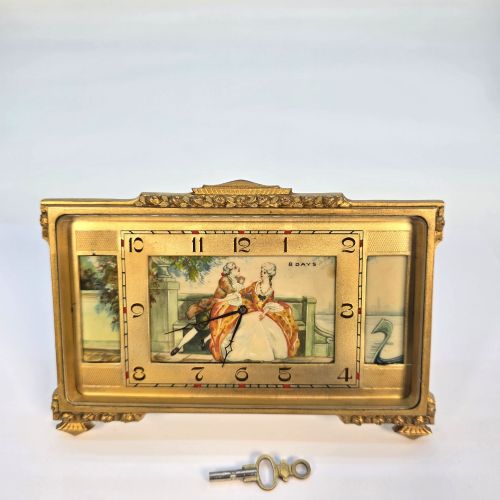
Completeness alters desirability, particularly where original leather travel cases, matching keys, and signed maker dials remain preserved alongside the main object.
Henri Jacot·Cousens And Whiteside·Goldsmiths Alliance Ltd·Howell And James·Georg Adam Scheid·Mappin And Webb
The Antique Carriage Glossary
- Carriage clock
- A small, spring-driven clock designed for travelling, enclosed in a brass and glass case with a handle on top.
- Repeating movement
- A clock mechanism that chimes the hours and quarters on demand when a lever or cord is activated by the user.
- Gorge case
- A stepped, rectangular brass case style commonly found on nineteenth-century French carriage clocks.
- Signal cannon
- A small ordnance piece mounted on a wooden carriage, historically used for firing salutes or giving signals on estates and vessels.
- Champlevé
- An enamelling technique where troughs are dug into a metal surface and filled with vitreous enamel before firing.
Antique Carriage: Frequently Asked Questions
How do I wind a carriage clock?
Most portable timepieces utilise a dedicated winding key inserted into arbors located on the underside or backplate of the movement. Turn the key gently until resistance indicates the mainspring is fully tensioned.
Take care not to overwind the mechanism, and ensure you support the clock securely by its case rather than the handle during the process.
Were carriage clocks actually used for travel?
Horologists originally engineered these robust spring-driven timepieces for officers and travellers during the nineteenth century. They were housed in thick brass frames to absorb the shocks of horse-drawn coaches and early railways.
Many survived alongside their original fitted leather travel cases, which protected the glass panels and delicate escapements from transit damage.
What is a repeating carriage clock?
A repeating movement allows the owner to press a button or pull a cord on the top of the case to hear the last hour and quarters chimed aloud in the dark. This complication required intricate rack and snail gearing inside the brass chassis.
Such mechanisms represented a higher tier of clockmaking, often produced by prominent Parisian and London workshops for discerning clients.
How do I care for antique brass cases?
Maintain the original lustre of brass and gilt surfaces by dusting them regularly with a soft, dry cloth rather than applying aggressive chemical polishes. Harsh abrasives can strip away thin fire-gilt or patination accumulated over generations.
Keep mechanical clocks away from direct sunlight, damp environments, and sudden temperature shifts to protect both the exterior metalwork and the internal steel pivots.