


Antique Card Table Castors
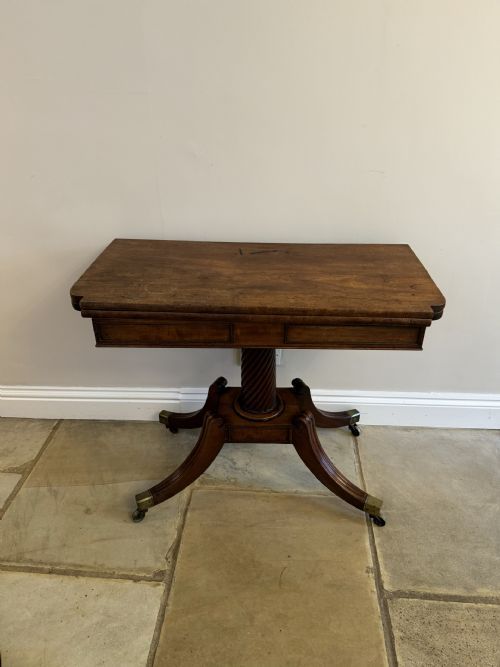
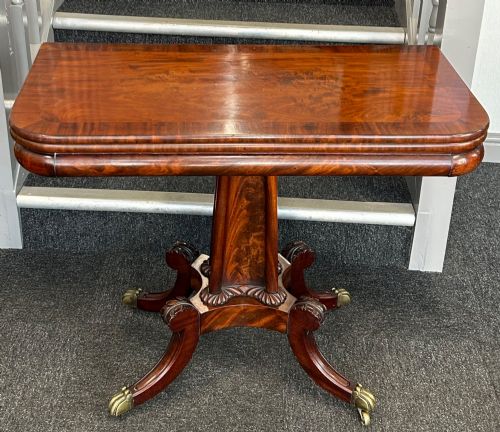
Antique card table castors support the legs of folding tables designed for evening gaming, moving smoothly across carpets when the top turns and opens.
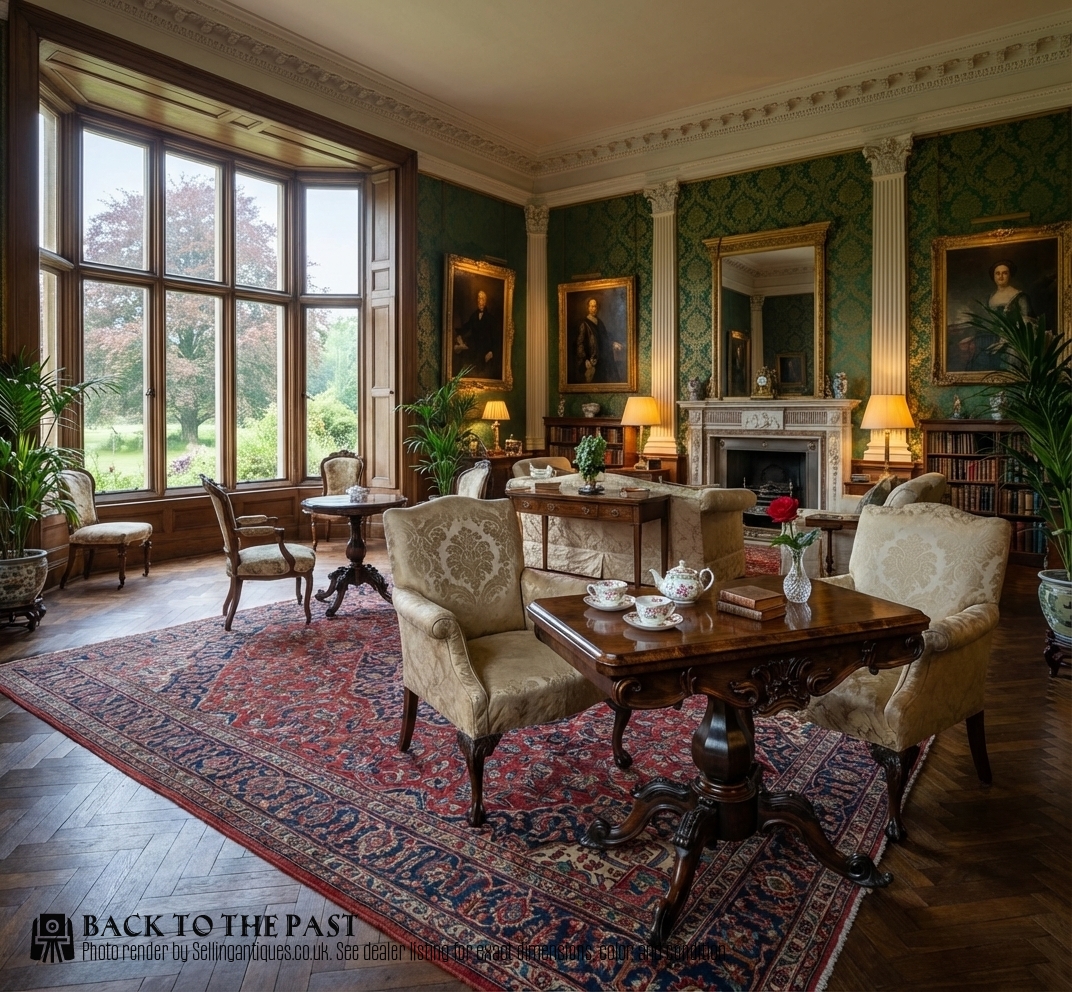
Antique Card Table Castors
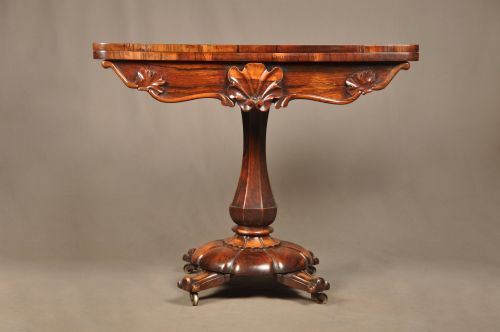
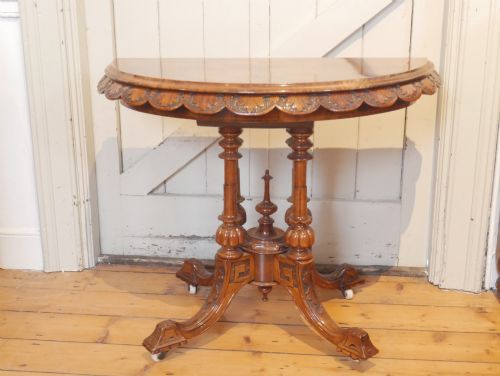
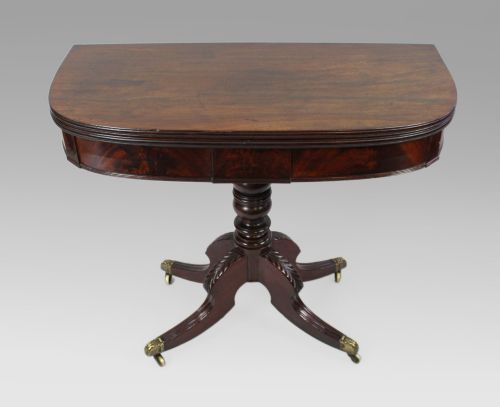
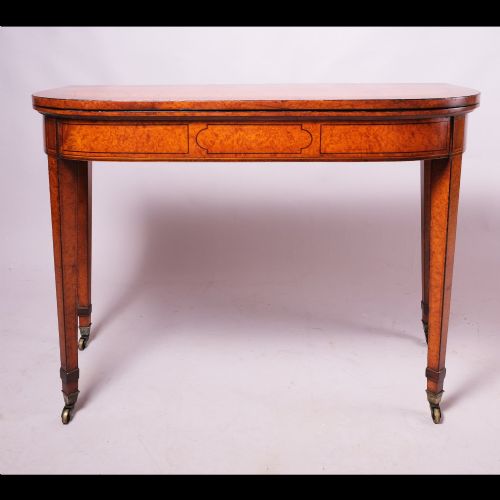
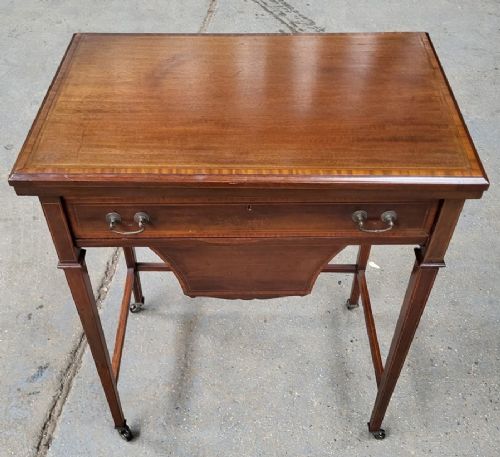
When you search for antique card table castors, you are looking at the small wheel assemblies fitted to the feet of gaming and tea tables from the Georgian, Regency, and Victorian periods. These fittings allowed heavy timber tables to shift position easily when players needed extra room around the board.
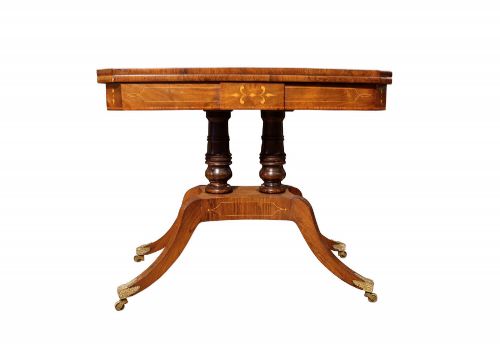
The pieces on this page appear on card tables, games tables, and tea tables constructed from dense hardwoods like mahogany, rosewood, and walnut. Many of these tables feature folding tops supported by swiveling frames, placing weight directly onto the corner legs where the castors are mounted.
The periods represented stretch from the late eighteenth century through the nineteenth century, encompassing Regency brass-inlaid designs and Victorian burr walnut examples. Some listings also show related items like tea trolleys and occasional tables that incorporate similar mobility hardware.
Distinctions in quality
Quality in these furniture components depends upon the integration between the metal castor and the timber leg it supports. Superior examples show precise fitting where the brass socket meets the turned wood, ensuring the weight distributes evenly without splitting the grain.
The refinement of the surrounding table also reflects the grade of the hardware, as pieces attributed to notable makers or featuring elaborate brass inlay typically employ heavier, more carefully cast metal wheels and mounts.
Listings span the Georgian, Regency, and Victorian periods, utilising mahogany, rosewood, burr walnut, and solid brass hardware.
Gillows·William Trotter
The Antique Card Table Castors Glossary
- Castor
- A small wheel on a swivel mounted to the foot of a piece of furniture to allow easy movement. They appear frequently on nineteenth-century gaming tables.
- Sabot
- A metal shoe fitted to the foot of a furniture leg for protection and decoration. These often match the brass work of the castors on Regency tables.
- Turn-over top
- A table top hinged to fold open and double the surface area for card games or tea. This design places specific stress on the supporting legs and castors.
- Inlay
- Material embedded into a contrasting background to form a design. Common examples in the evidence include brass, ebony, and satinwood.
Antique Card Table Castors: Frequently Asked Questions
Why do card tables have castors?
Gaming tables needed frequent repositioning in drawing rooms to accommodate players around the candlelit board. Castors allowed heavy timber tables to move without dragging across expensive carpets.
This mobility was essential for fold-over designs that transformed from small side pieces into full gaming surfaces during evening gatherings.
How do I date a card table?
Dating relies on timber choices, leg profiles, and decorative details like brass inlay or veneers. Regency examples often use rosewood with brass stringing, while Georgian pieces favour solid mahogany.
The presence of specific hardware styles and secondary woods helps narrow the decade of manufacture between the late eighteenth and late nineteenth centuries.
Are these castors original to the table?
Checking originality involves looking for consistent wear between the metal components and the surrounding wood of the foot. Replacement castors often leave old screw holes or slight alterations in the socket recess.
Period pieces frequently retained their original brass hardware because the weight distribution kept the assemblies securely fastened over generations.
What woods were used for these tables?
Cabinetmakers utilised dense tropical hardwoods such as mahogany and rosewood to construct the structural frames and folding tops. These durable timbers supported the mechanical stress of rotating and unfolding leaves.
Decorative surfaces often incorporated burr walnut, satinwood, ebony, and boxwood veneers to create contrasting borders and inlaid patterns.