



Antique Canine Figurines
These antique canine figurines capture hounds and pets in bronze, porcelain, and terracotta from the Georgian period through the Art Deco era.
Antique Canine Figurines
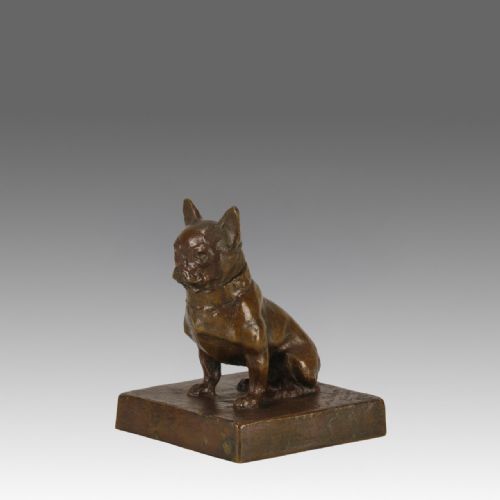
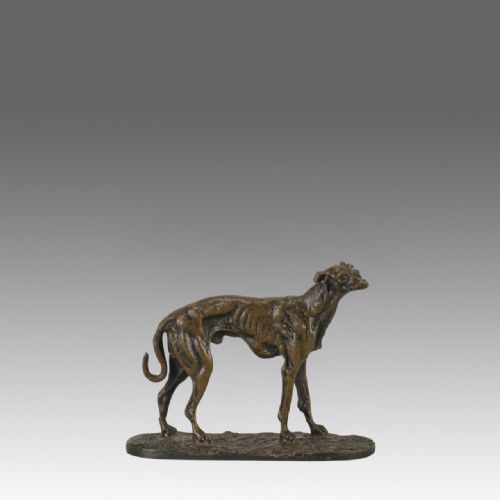
Antique canine figurines encompass bronze sculptures, porcelain figures, and terracotta models depicting specific dog breeds from the nineteenth and early twentieth centuries. When you search for antique canine figurines, you encounter varied forms ranging from miniature mantel pieces to life-size decorative objects and practical doorstops. The selection spans distinct historical eras, including Georgian, Victorian, Edwardian, and Art Deco periods, each reflecting the prevailing tastes in animalier art.
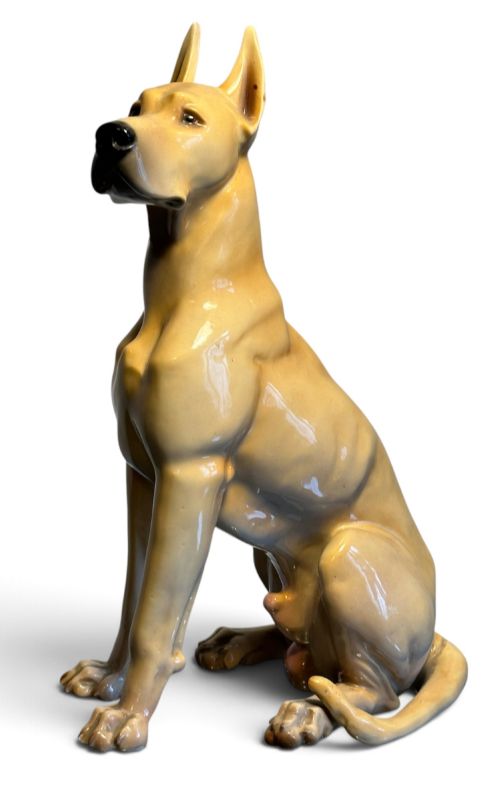
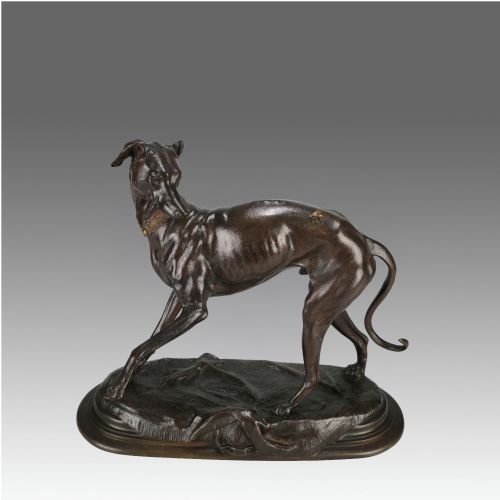
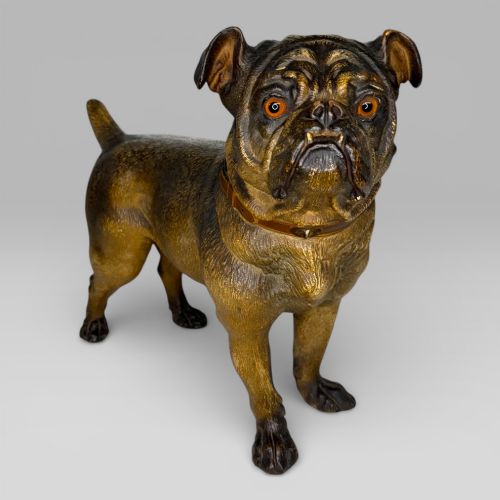
French animalier bronzes dominate the sculptural offerings, capturing greyhounds, pugs, spaniels, and terriers with careful attention to canine anatomy. Porcelain works from German factories like Meissen and Rosenthal represent dogs in glossy glazes and hand-painted finishes. Terracotta and plaster pieces appear in larger scales, portraying pugs and hounds with textured surface treatments characteristic of their respective periods.
How they were made
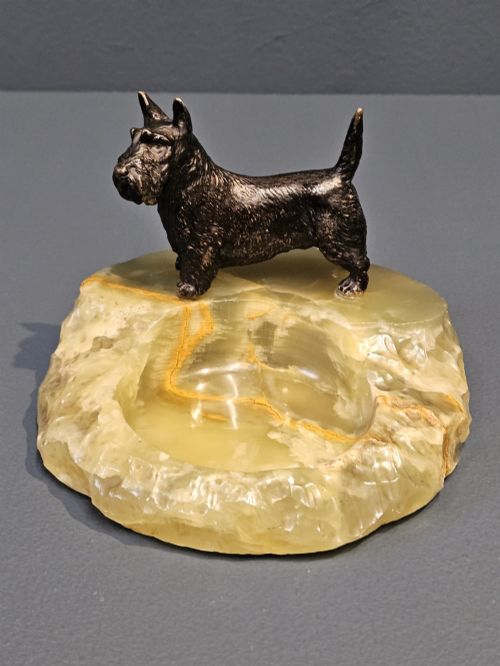
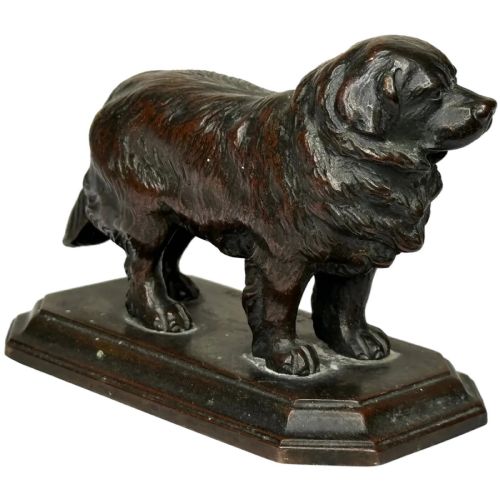
Metal sculptures utilise the lost-wax casting method for bronze or employ spelter as a base, frequently finished with a dark patina or cold-painted pigments. Bronze works often display detailed chasing and signatures from known nineteenth-century animalier sculptors.
Ceramic figures combine moulded porcelain or terracotta bodies with applied glaze, hand-applied paint, and blanc de Chine finishes. Firing techniques determine the smoothness of the porcelain surface and the depth of colour in painted Staffordshire and continental models.
Antique Canine Figurines Retail Price Guide 2026
Typical asking prices for canine figurines among the pieces listed under this phrase on Sellingantiques today, from the lower quarter to the upper quarter. They describe what is for sale here now, not the wider market.
Several bronze terriers and pugs double as car mascots, ready to ride shotgun on dusty nineteen-twenties motoring adventures.
What varies in quality
The crispness of the casting and the fidelity of the musculature and fur distinguish superior bronze sculptures from routine foundry work. Master sculptors achieve lifelike tension in hounds and terriers through precise anatomical definition and expressive postures.
Alfred Barye·Dora Heber·P J Mêne·Prosper Lecourtier·Antoine Louis Barye·Edith Parsons·Arthur Waagen·Joseph Francois Victor Chemin·Franze Bergman·Louis Riche·C Masson
The Antique Canine Figurines Glossary
- Animalier
- A nineteenth-century artistic movement focused on the realistic depiction of animals, particularly in bronze sculpture. Practitioners studied live subjects at menageries to achieve accurate forms.
- Cold-painted bronze
- A technique where bronze figures are painted with oil or enamel colours after casting, rather than being fired in a kiln. This finish is susceptible to wear if handled frequently.
- Blanc de Chine
- A white porcelain originating from China that inspired European factories to produce unglazed or clear-glazed white ceramic figures. The smooth surface highlights sculptural contours.
- Spelter
- An alloy of zinc and lead used as a cheaper alternative to bronze during the nineteenth and twentieth centuries. It is softer than bronze and typically bears a painted or patinated coating.
Antique Canine Figurines: Frequently Asked Questions
What breeds do these figures show?
The pieces depict a wide range of specific dogs, including greyhounds, pugs, King Charles spaniels, terriers, bulldogs, and German Shepherds. Sculptors and ceramists focused on capturing the distinct traits of each breed.
Breeds reflect the popular pets and hunting dogs of the Georgian, Victorian, and Edwardian eras, rendered in materials suited to the maker's workshop.
How do I identify the period?
Dating relies on stylistic markers, material choices, and foundry marks or artist signatures stamped into the bronze or painted on the ceramic base. Victorian and Georgian pieces often show heavier casting or traditional earthenware.
Later pieces from the Art Deco period introduce stylised forms, spelter materials, and sleeker greyhound motifs associated with the nineteen-twenties.
Were these figures purely decorative?
Many bronze sculptures and porcelain figurines served as mantel ornaments, desk accessories, or cabinet pieces designed to showcase an owner's appreciation for animals. Some items had specific domestic functions.
Examples include heavy plaster or terracotta models used as doorstops, and smaller bronze figures adapted as car mascots during the early twentieth century.
How should I care for bronze dogs?
Bronze figures require minimal maintenance, needing only gentle dusting with a soft, dry cloth to protect the original patina. Avoid chemical cleaners or abrasive cloths that can strip the surface finish.
Cold-painted bronzes demand extra care to prevent the loss of delicate surface pigments applied after the initial casting process.