



Edwardian Dog Ornaments
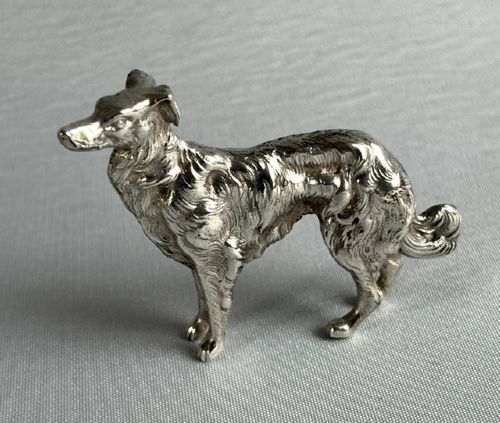
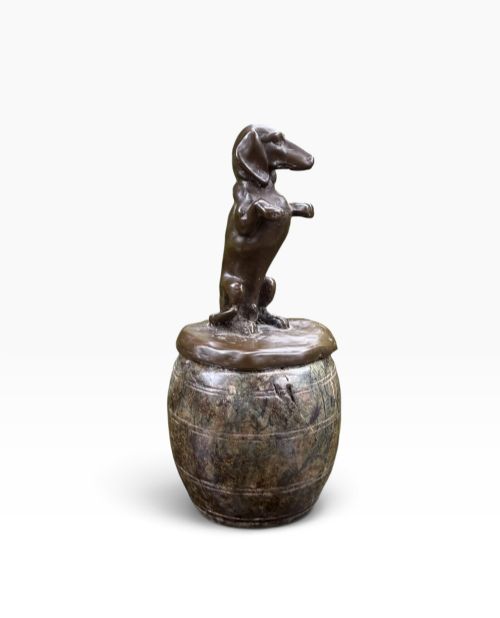
Edwardian dog ornaments capture the character of hounds and pets in cast brass, bronze, earthenware and iron.
Edwardian Dog Ornaments
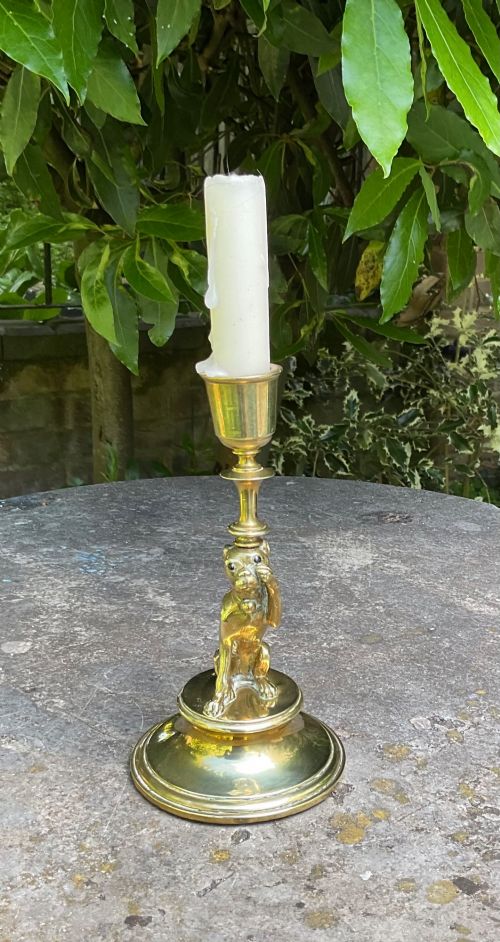
Edwardian dog ornaments include decorative figures, functional doorstops, candlesticks and inkwells modelled after popular breeds like pugs, terriers, poodles and spaniels. The pieces span domestic mantel ornaments and heavier cast metal items designed for practical use around the home.
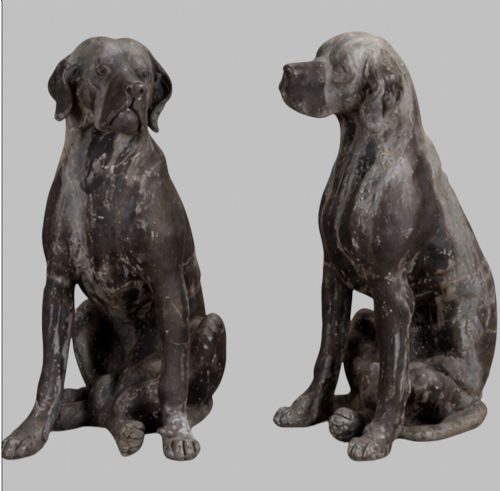
Most examples found in this selection originate from the late nineteenth century through to the 1920s, drawing upon Victorian novelty styles and Edwardian country tastes. The forms range from small cabinet bronzes to life-size lead hounds and pottery groups depicting hunting dogs with hare.
How they were made
Manufacturers utilised traditional casting methods for metals, producing solid brass candlesticks, cast iron doorstops and cold painted bronze figures. Spelter and lead were also shaped into sculptural animal forms, sometimes finished with hand painting.
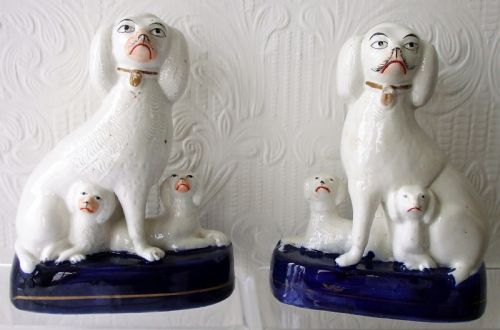
Ceramic pieces rely on earthenware and pottery techniques, shaped into Staffordshire style poodles, glazed dogs with pups, and china figures. Plaster and glass also appear among the material record for heavier utilitarian items.
Edwardian Dog Ornaments Retail Price Guide 2026
Typical asking prices for edwardian dog ornaments among the pieces listed under this phrase on Sellingantiques today, from the lower quarter to the upper quarter. They describe what is for sale here now, not the wider market.
A nodding dog in cold painted spelter waits to greet visitors with a gentle bob of the head.
What varies in quality
Quality rests in the anatomical accuracy of the modelling and the crispness of the cast or the hand-painted details. Finer bronzes and pottery figures capture realistic textures in the fur and distinct facial expressions.
Utilitarian items such as doorstops and candlesticks vary according to the weight of the metal and the preservation of the original surface finish or paintwork.
Wedgwood & Co Ltd
The Edwardian Dog Ornaments Glossary
- Cold painted bronze
- Bronze sculpture finished with oil-based paint that is applied without heat, often seen on small Vienna animal bronzes. The technique allows for detailed polychrome surface decoration.
- Spelter
- An alloy of zinc and copper used as a cheaper alternative to bronze for decorative figures. It is softer than bronze and typically carries a bronze-toned or painted finish.
- Staffordshire pottery
- Earthenware figures produced in the Staffordshire potteries of England, known for painted animal groups and mantel ornaments. Many feature distinct underglaze colouring and modelled details.
- Doorstop
- A heavy utilitarian object designed to keep doors open, frequently cast in iron or moulded in plaster and painted to resemble dogs. These combine domestic utility with decorative appeal.
- Car mascot
- A sculptural ornament mounted on the radiator cap of an early motor vehicle, sometimes taking the form of a cast metal dog.
Edwardian Dog Ornaments: Frequently Asked Questions
What materials were used for these dog figures?
Makers utilised a wide range of materials including cast iron, brass, bronze, earthenware, pottery, lead, plaster and glass. Metals were often cast and sometimes cold painted.
Ceramics relied on traditional pottery techniques with glazed and painted finishes to represent different dog breeds and hunting scenes.
How were these decorative dog items used?
Many pieces served as ornamental figures for mantelpieces, cabinets and desks, including inkwells and cabinet bronzes. Others had specific household uses.
Heavier items functioned as doorstops or practical candlesticks, while some metal sculptures doubled as car mascots on early automobiles.
How do I identify an Edwardian piece?
Dating relies on stylistic markers from the late Victorian and Edwardian periods, alongside material evidence like cast iron and cold painted bronze. Construction methods and pottery glazes offer further clues to the era of manufacture.
Objects often reflect the domestic tastes and popular dog breeds of the early twentieth century and late nineteenth century.
Are these dog ornaments English in origin?
The selection includes many English pieces, notably Staffordshire pottery figures, cast iron doorstops and brass candlesticks. Other items originate from continental workshops, such as Vienna bronzes.
Makers and foundries across Britain and Europe contributed to the range of animal sculptures available from this timeframe.