


Antique Candle Pricket
An antique candle pricket carries a central metal spike designed to secure a wax pillar, originating primarily from ecclesiastical and domestic lighting traditions.
Antique Candle Pricket
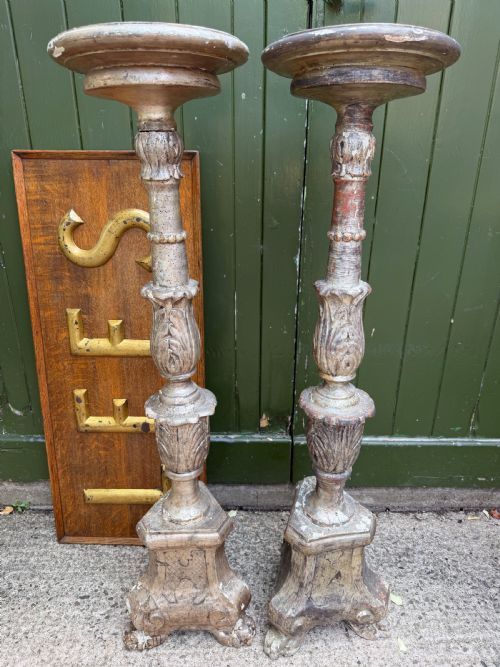
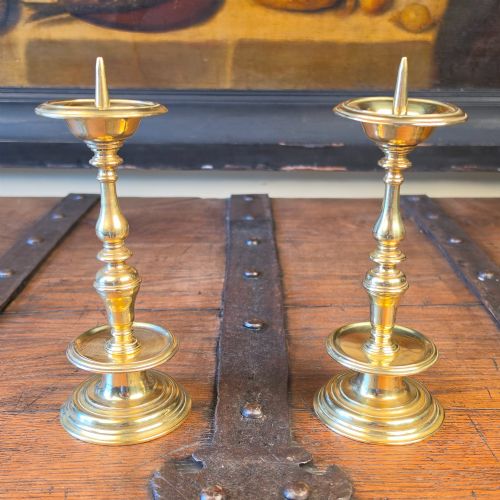
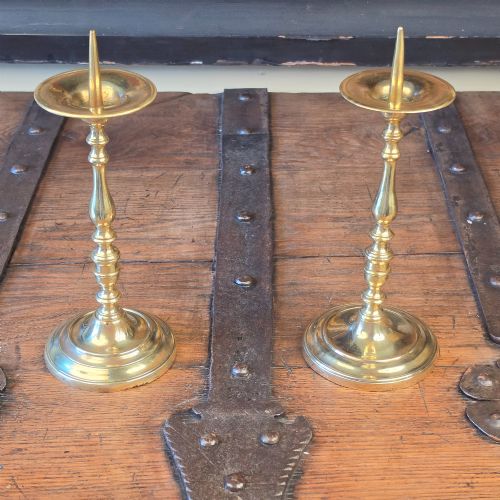
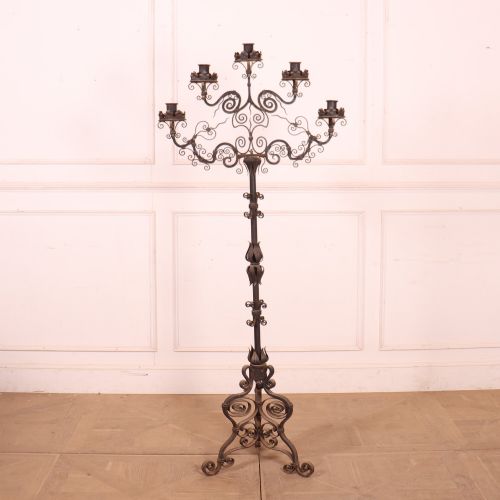
When you search for an antique candle pricket, you encounter heavy metal and carved wooden lighting designed around a vertical spike rather than a socket. These items range from small domestic table pieces to towering floor-standing church candle holders originating across Britain and continental Europe.
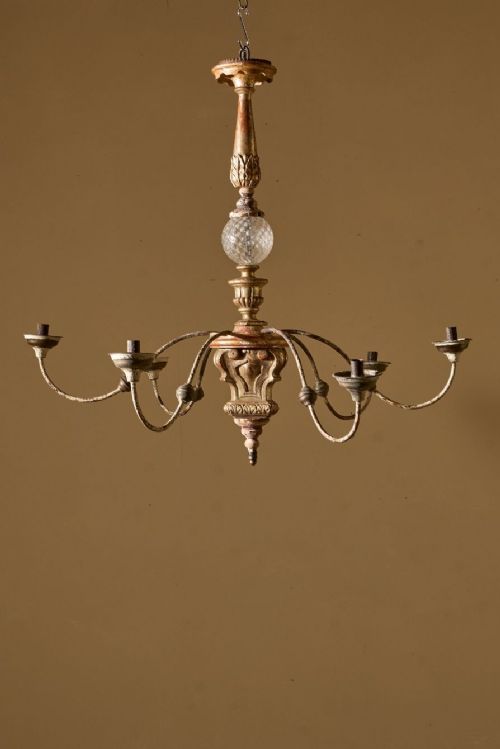
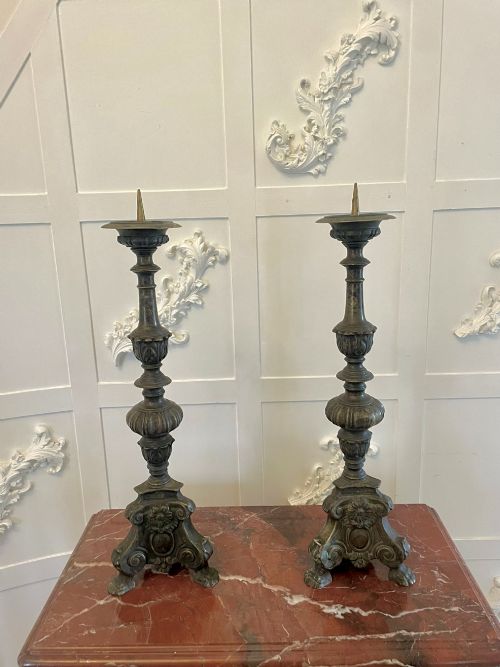
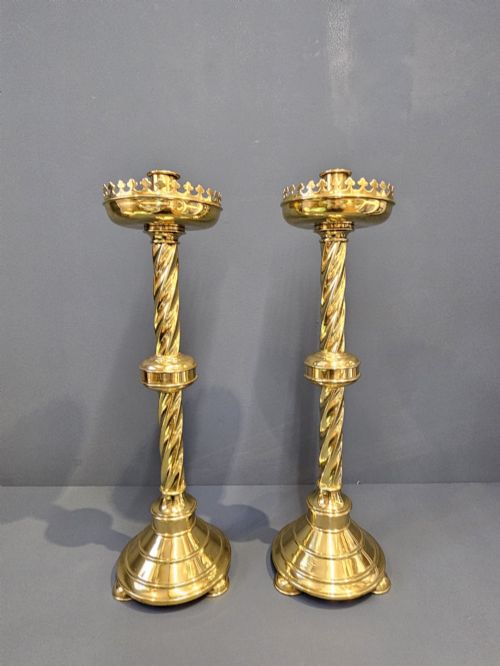
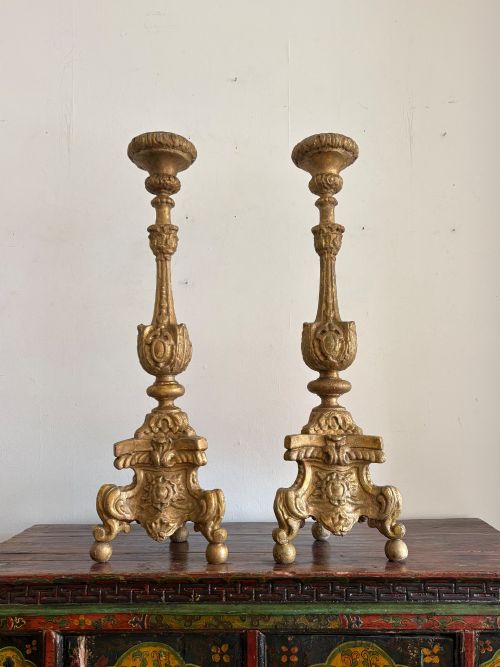
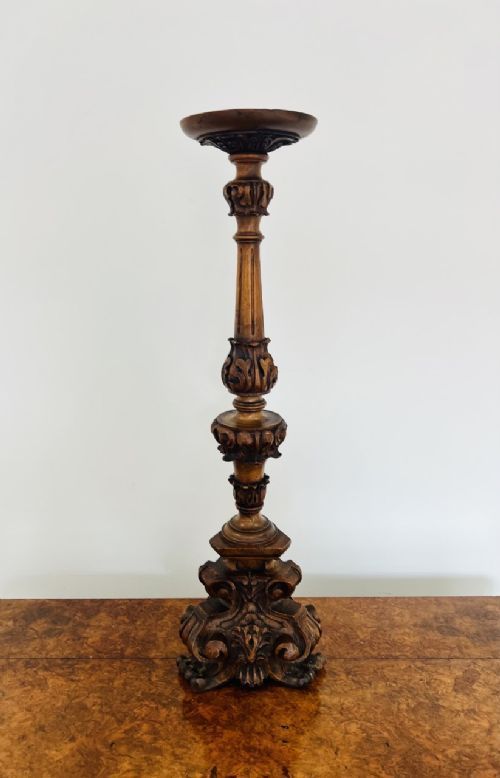
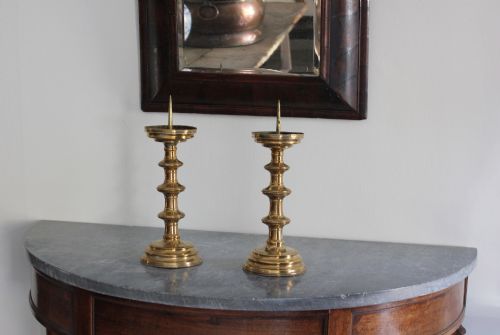
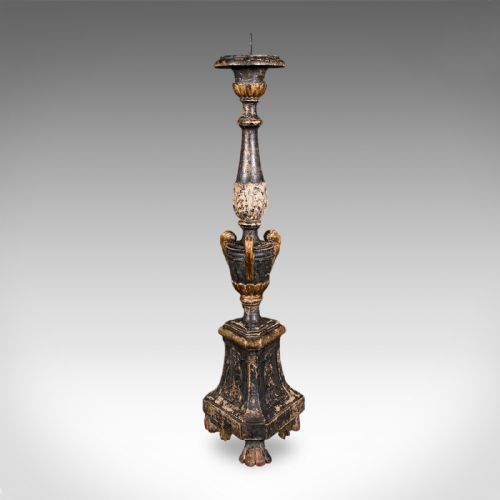
The most common forms met on this page include brass and bronze altar candlesticks alongside carved and giltwood wooden torcheres from the seventeenth to the nineteenth centuries. Ecclesiastical settings generated the majority of surviving tall examples, whilst domestic pieces appear in smaller brass or iron formats.
Stylistic influences span from early Gothic and Baroque designs up to Amsterdam School and later revival periods. Pieces emerge singly or in matched pairs, demonstrating the functional evolution of lighting over several hundred years.
How they were made
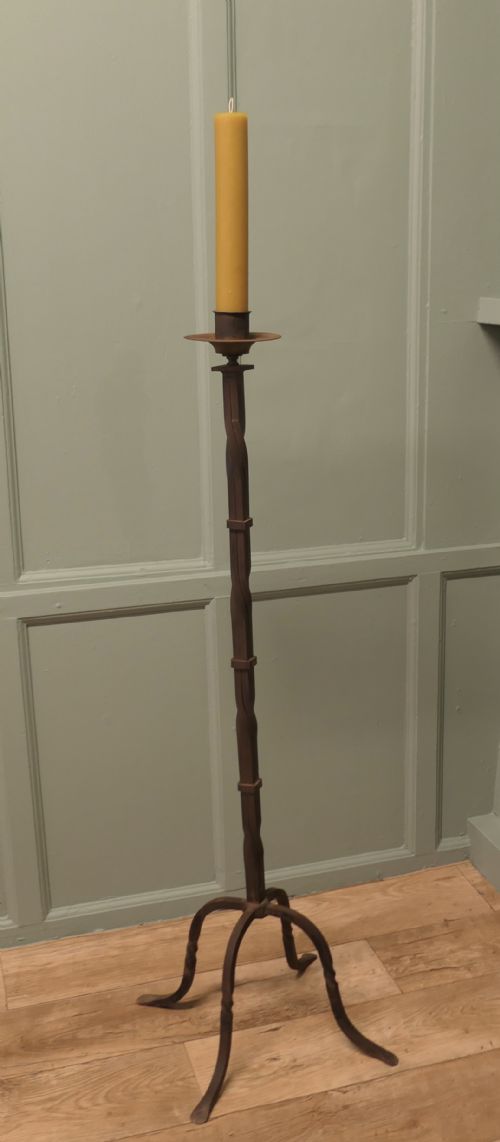
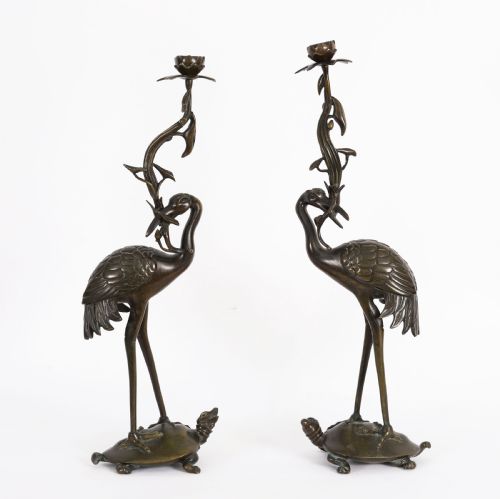
Metal items rely on casting and turning techniques, with heavy brass, bronze, and copper shaped into robust stems and wide drip pans. Wrought iron versions demonstrate blacksmithing methods, utilising hammered joints and riveted braces.
Wooden examples involve seasoned timber such as pine, walnut, and various hardwoods carved into complex fluted shafts. Artisans then applied gesso, silver leaf, or giltwood finishes to emulate more costly materials or to achieve ecclesiastical splendour.
Materials span from cast brass and bronze to carved wood, gesso, and wrought iron.
What varies in quality
The distinction between ordinary and superior pieces rests upon the crispness of the original casting or carving. Hand-chased detailing on metal stems and deeply undercut foliage on wooden pieces separate standard workshop output from exceptional commissions.
Proportion and weight dictate the structural integrity of the object, particularly in tall floor-standing examples where a heavy base ensures stability. Original surface treatments, such as untouched patination on brass or intact gilding on wood, preserve the integrity of the piece.
The Antique Candle Pricket Glossary
- Pricket
- The sharp metal spike positioned on top of a candlestick to hold the base of a candle in place. This method predates the socket candlestick and was standard in medieval and church lighting.
- Torchere
- A tall ornamental stand designed to hold a light source such as a candle or lamp. These pieces often feature elaborate carved wooden shafts and tripod bases.
- Giltwood
- Timber that has been coated with a thin layer of gold leaf or gold dust. This finish is frequently found on Baroque and neoclassical church furnishings.
- Altar candlestick
- A heavy lighting fixture specifically created for placement on or beside a church altar. They typically appear in matched pairs and display formal decorative motifs.
- Amsterdam School
- An architectural and design movement from the early twentieth century characterised by expressive brickwork, traditional craftsmanship, and dynamic metalwork.
Antique Candle Pricket: Frequently Asked Questions
What is a pricket candlestick?
A pricket candlestick is a lighting device that uses an upright metal spike to hold a candle securely in place. Instead of slipping into a hollow socket, the base of the candle is pressed directly onto this point.
This form was historically favoured in churches and large households because it accommodated heavy wax pillars reliably. Surviving examples often display wide drip pans situated beneath the spike to catch melting wax.
How do I date an old candlestick?
Dating relies on examining the manufacturing techniques, material composition, and stylistic markers visible on the piece. Early examples from the sixteenth and seventeenth centuries tend to show heavy hand-beaten or cast construction with simple structural lines.
Later Victorian and revival pieces incorporate machine tooling alongside historical motifs drawn from Gothic or Baroque styles. Comparing the patination and wear patterns on the metal or wood provides further clues to its age.
Were these used in homes?
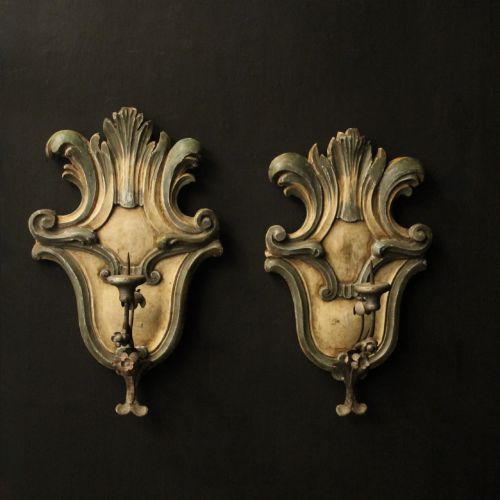
Whilst many large examples originated in ecclesiastical settings, smaller versions were made for domestic interiors. Tabletop models and wall sconces provided illumination in wealthy residences before the advent of gas and electric lighting.
Floor-standing torcheres also served domestic halls and reception rooms to illuminate dark corners. Their decorative presence meant they functioned as status symbols as much as practical light sources.
How do I care for antique metalwork?
Maintaining antique metal involves keeping it free from dust and moisture using a soft, dry cloth. Aggressive metal polishes should be avoided because they strip away historical patination and can damage delicate chased surfaces.
Leaving the natural aged finish intact preserves the character and historical value of the piece. Regular gentle cleaning is sufficient to protect brass, bronze, and iron surfaces.