



Antique Cameo Pin
An antique cameo pin holds a carved portrait or mythological scene close, bringing wearable history from the nineteenth century straight to your lapel.

Antique Cameo Pin
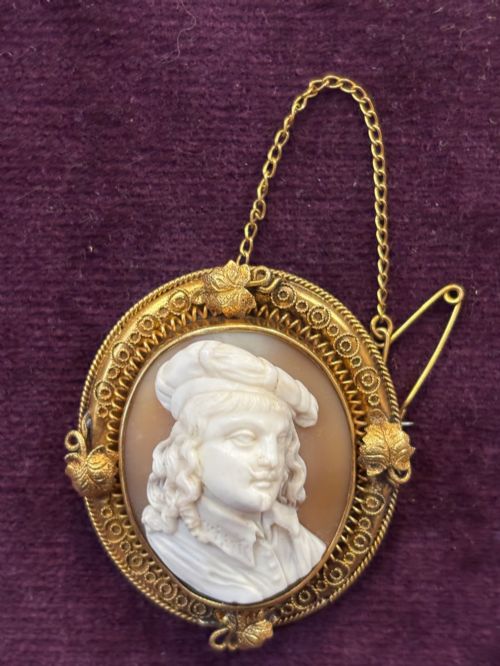
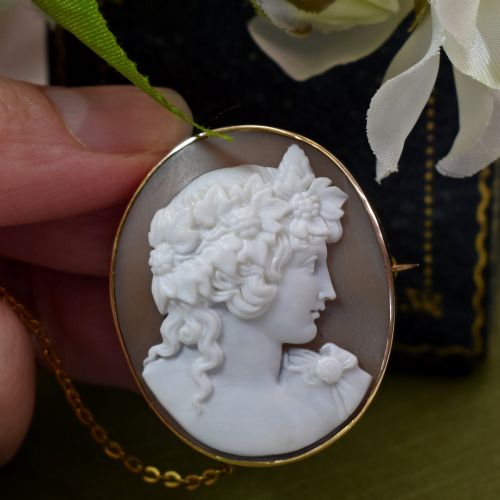
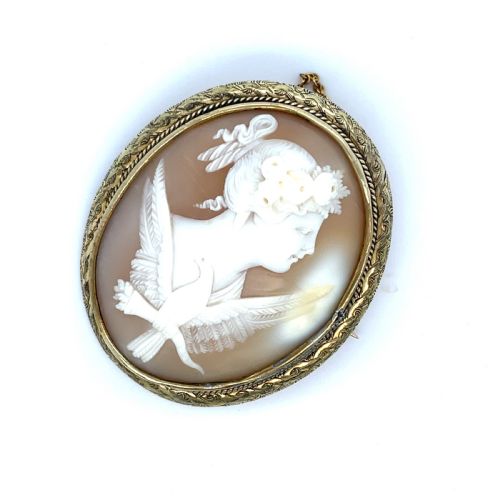
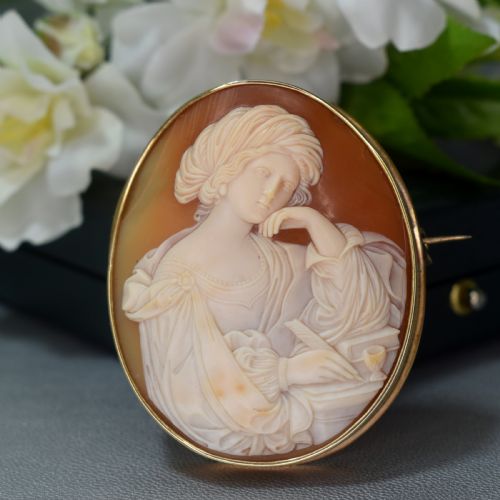
When you search for an antique cameo pin, you encounter miniature carvings worn as brooches or stick pins, largely originating from the Victorian and Georgian periods. These pieces bring together classical motifs and portraits, ranging from mythological figures like Demeter and Flora to specific likenesses such as Bonnie Prince Charlie.
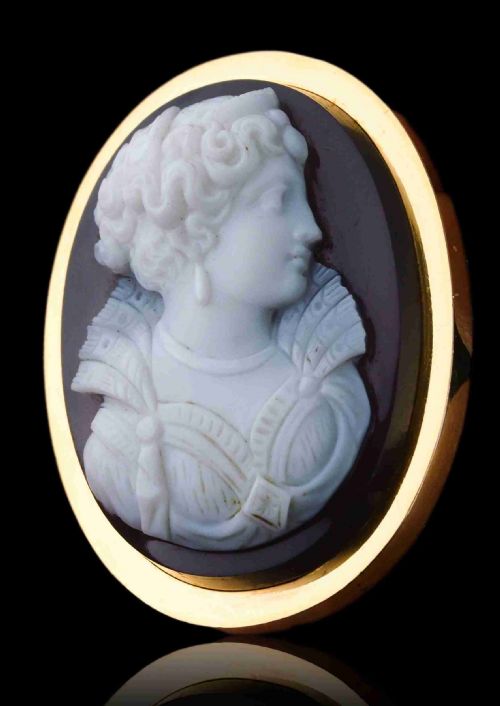
The version you meet most frequently on this page is the shell cameo set within a gold or silver mount, often reflecting Italian craftsmanship from the Grand Tour era. Hardstone and lava stone variations also appear, offering alternative textures and monochromatic depths that contrast with traditional layered shell carvings.

Materials and construction
Carvers shaped shell, agate, hardstone and lava stone to create relief images, taking advantage of natural colour strata in the material to make the subject stand out. Shell provides warm peach and white tones, whereas hardstone and agate offer crisper monochrome contrasts.
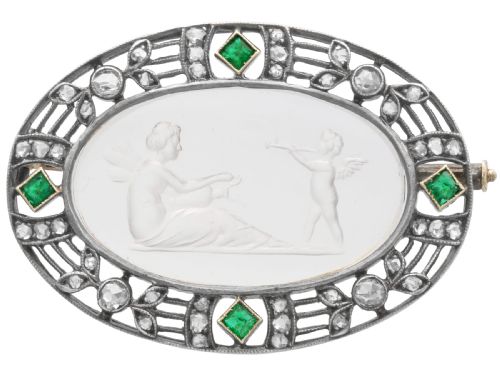
Mounts utilise yellow gold, ranging from nine carat up to twenty carat, alongside silver and pinchbeck. Frames frequently show intricate filigree or ornate detailing, housing the carved relief securely while doubling as wearable art.
Antique Cameo Pin Retail Price Guide 2026
Typical asking prices for cameo pin among the pieces listed under this phrase on Sellingantiques today, from the lower quarter to the upper quarter. They describe what is for sale here now, not the wider market.
Listings span from the Georgian era through the Victorian period and into Edwardian times, using shell, agate, lava stone, and various carats of gold.
Distinguishing quality
Depth of relief and crispness of detail separate superior carvings from simpler output, as master carvers achieved subtle facial expressions and realistic drapery. The choice of medium also plays a role, with finely layered hardstone and large, well-balanced shell carvings representing the higher end of the range.
The quality of the mount matches the carving, with substantial gold frames, elaborate filigree, and integrated gemstone accents elevating the piece. Lesser examples rely on simpler metalwork and shallower carving that loses definition upon close inspection.
R.Pernice·Wedgwood
The Antique Cameo Pin Glossary
- Cameo
- A method of carving an object such as an engraved gem, item of jewellery, or vessel. Relief carving relies on contrasting layers of material to make the subject emerge.
- Hardstone
- Stones of sufficient hardness to resist scratching, typically agates or onyx used for cameo carving. These materials allow for sharp, precise detail.
- Grand Tour
- A cultural trip through Europe undertaken by upper-class young European men of means in the eighteenth and nineteenth centuries. Souvenirs included Italian shell and lava cameos.
- Pinchbeck
- An alloy of copper and zinc invented in the eighteenth century to imitate gold. It provides a warm metallic appearance without the expense of precious metal.
- Filigree
- Ornamental work of fine wire formed into delicate tracery. This technique frequently frames Victorian jewellery.
Antique Cameo Pin: Frequently Asked Questions
How do I wear an antique cameo pin?
Pin the piece securely to the lapel of a jacket, the collar of a blouse, or a heavy wool scarf. Ensure the fabric has enough weight to support the metal mount without sagging.
Traditional placement places the brooch near the left shoulder, though modern styling permits pinning to hats, waistbands, or heavy knitwear for daily use.
Are cameo pins made of real shell?
Carvers typically utilised helmet shell or queen conch shell, taking advantage of the natural colour variations between the outer dark layer and the inner white stratum.
This biological origin gives each carved portrait a warm, organic depth that distinguishes shell pieces from later synthetic imitations.
How do I date an antique cameo pin?
Examine the style of the mount, the clasp mechanism, and the subject matter depicted. Georgian and early Victorian pieces often feature closed-back settings and hand-carved classical motifs.
Later Victorian and Edwardian examples introduce different pin hinges, tubular catch mechanisms, and hallmarks that help narrow down the decade of production.
What is a lava cameo?
Lava cameos were carved directly from volcanic rock sourced near Mount Vesuvius in Italy, becoming popular souvenirs during the nineteenth century Grand Tour.
These pieces typically present a matte finish in grey, cream, or terracotta hues, depicting classical deities and mythological scenes with a distinct tactile quality.