

Antique Caddy
An antique caddy is a small vessel designed to store and preserve precious loose tea leaves, built to last for generations.
Antique Caddy
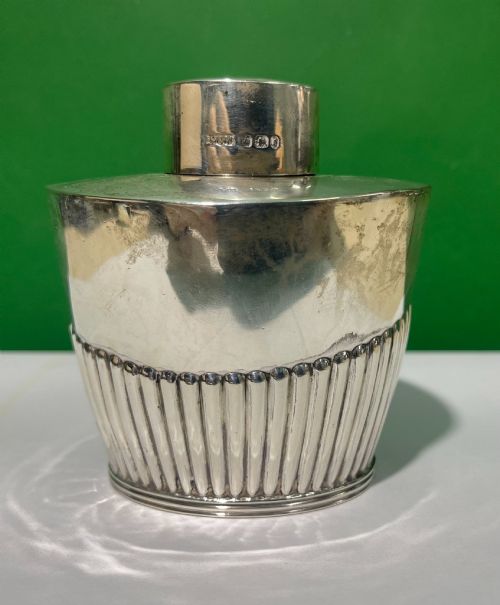
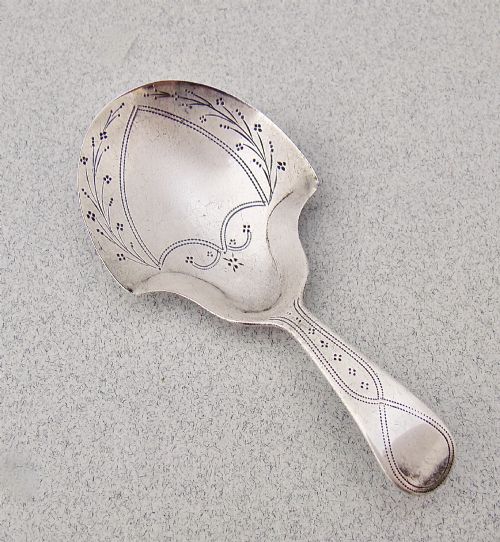
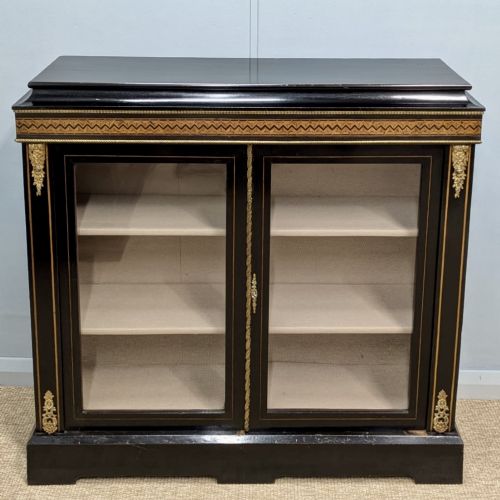
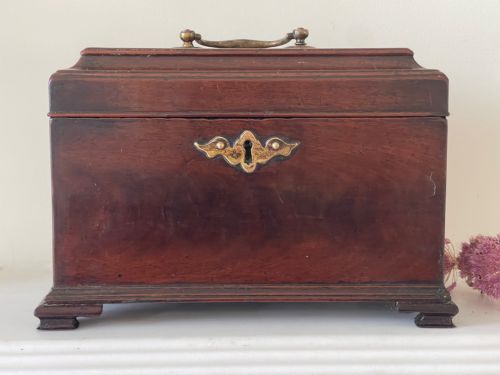
When you search for an antique caddy, you enter a field defined by fine woodwork and precious metals made to protect leaf tea when it was a costly commodity. The pieces available here span several centuries and styles, taking the form of lidded wooden containers and smaller handled spoons.
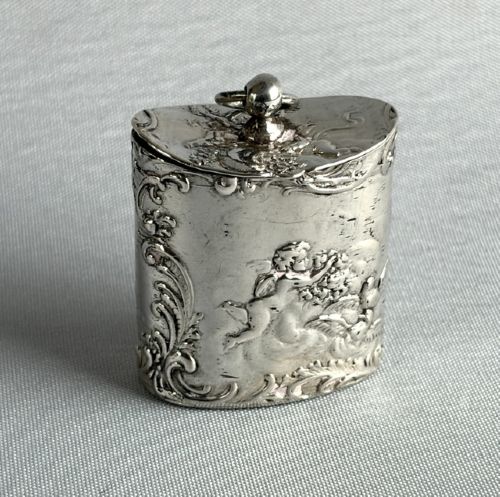
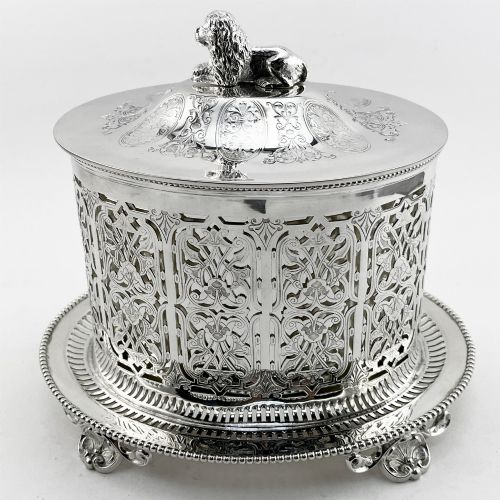
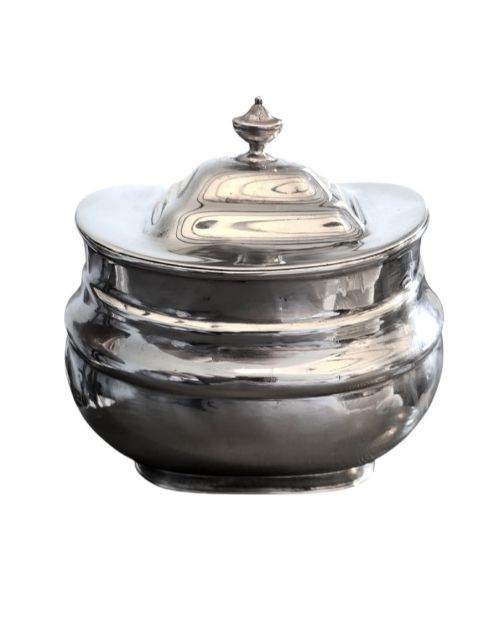
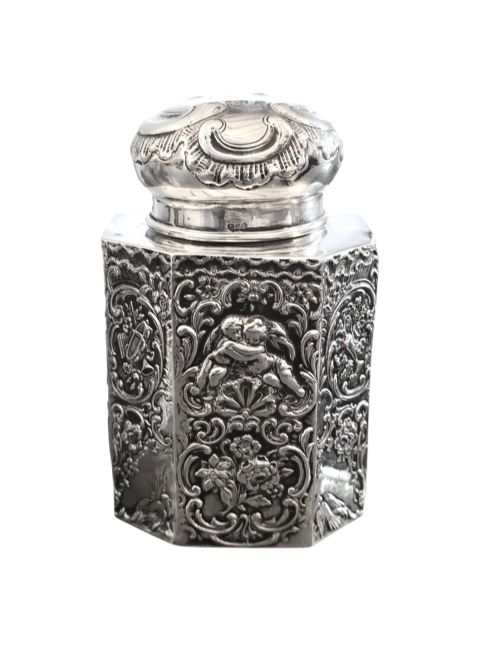
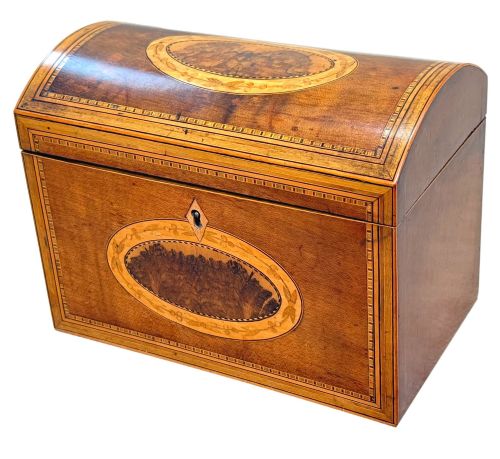
The wooden examples range from plain mahogany boxes to elaborate straw work and amboyna wood. Silver and silver-plated containers appear frequently, often featuring repousse decoration or fitted interiors designed for dispensing tea leaves.
Materials and Construction
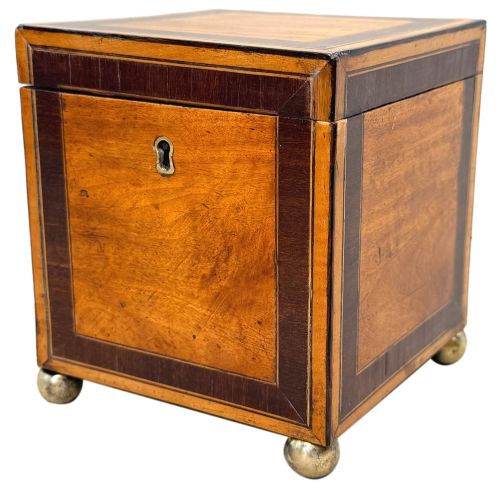
Woodwork dominates the early and mid-nineteenth century selections, utilising dense timbers like mahogany and exotic amboyna with detailed inlay or carved relief. Craftsmen employed tight joinery to protect dry contents from moisture.
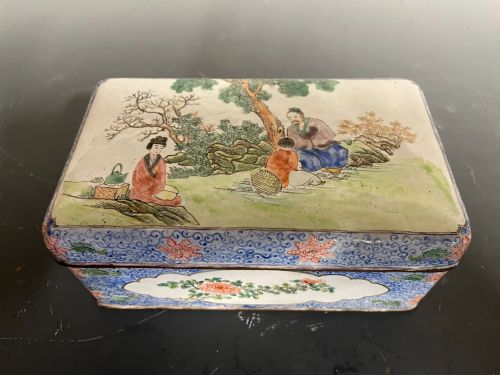
Metal vessels rely on sterling silver or Sheffield plate, shaped through hammering, repousse work, and delicate filigree. Bone, enamel, and mother-of-pearl details provide contrast on surfaces of both wood and metal.
Antique Caddy Retail Price Guide 2026
Typical asking prices for caddy among the pieces listed under this phrase on Sellingantiques today, from the lower quarter to the upper quarter. They describe what is for sale here now, not the wider market.
Judging Quality and Execution
Quality rests in the crispness of the hand-chased metalwork and the precision of the cabinet maker's joints. Superior wooden boxes display well-matched grain patterns and intact interior compartments.
Lesser items show blurred hallmarks, loose hinges, or replaced veneers. The depth of relief in silver repousse and the integrity of internal foil or wooden linings distinguish standard production from superior workshop output.
Joseph Willmore·Tahan
The Antique Caddy Glossary
- Caddy spoon
- A short-handled spoon specifically proportioned to measure loose tea leaves into a pot. They frequently feature shell bowls and elaborate handle designs.
- Repousse
- A metalworking technique where the artisan hammers the design from the reverse side to form a raised pattern in relief on the front. This method is common on silver containers from the Victorian period.
- Sheffield plate
- A fused composite material made by melting a thin sheet of sterling silver to a thicker copper base. It appears on eighteenth and nineteenth-century domestic wares.
- Champleve
- An enamelling technique where troughs or cells are carved into the metal surface and filled with vitreous enamel before firing. It appears on decorative containers from the Edwardian era.
Antique Caddy: Frequently Asked Questions
What was an antique caddy used for?
These vessels served to store and lock away expensive tea leaves when tea was a heavily taxed luxury. They kept the aroma potent and protected the dry leaves from damp air.
Wealthy households kept them in the parlour or dining room, often retaining the key to restrict access by domestic staff.
How do I date a wooden tea caddy?
Dating relies on timber choice, construction methods, and hardware styles such as hinges and escutcheons. Georgian boxes often display plain mahogany or subtle string inlay.
Later Victorian examples utilise exotic veneers like amboyna and incorporate heavier decorative mounts and plush silk or velvet interior linings.
Are caddy spoons made of silver?
Many examples are fashioned from sterling silver, though silver-plated versions also exist. Silver resisted corrosion from the damp oils of tea leaves.
Silversmiths experimented with shell forms, floral motifs, and novelty shapes during the Georgian and Victorian periods.
How do I care for an antique wood caddy?
Keep wooden boxes away from direct sunlight and steady heat sources to prevent the timber and delicate veneers from warping or cracking. Maintain a stable room humidity.
Dust gently with a dry, soft cloth and avoid modern liquid polishes that can damage old wax finishes or infiltrate tiny gaps in the grain.