


Antique Cabinet with Shelves
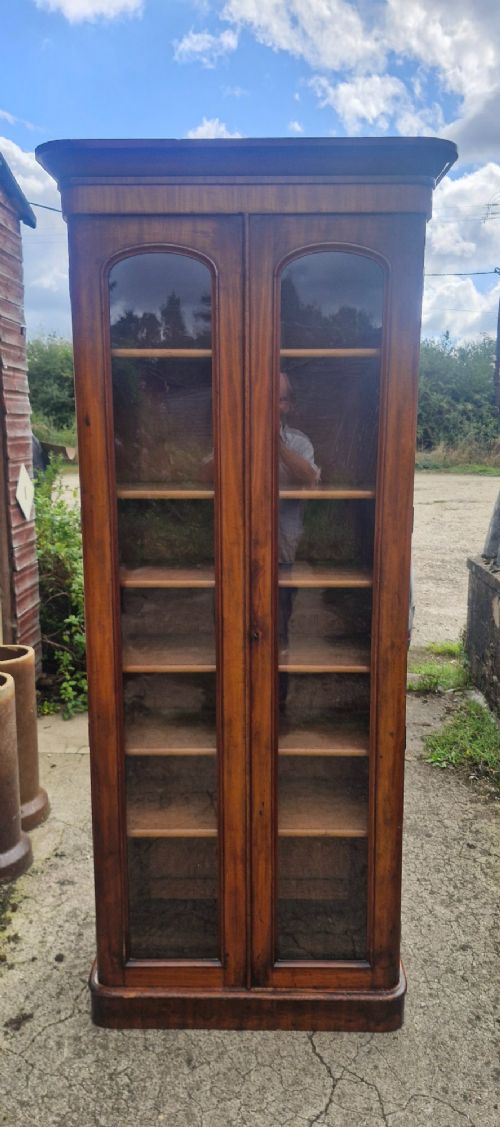
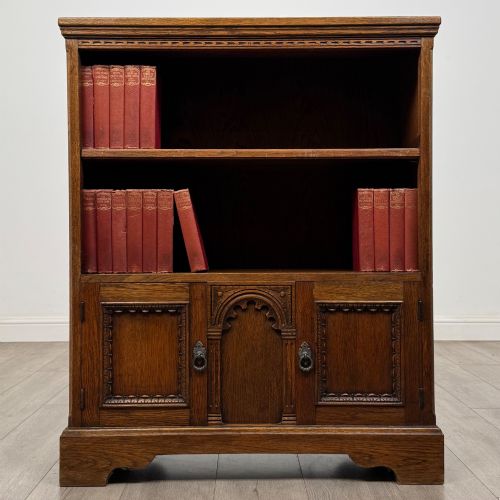
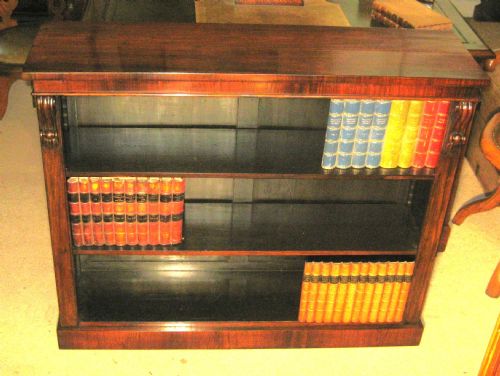
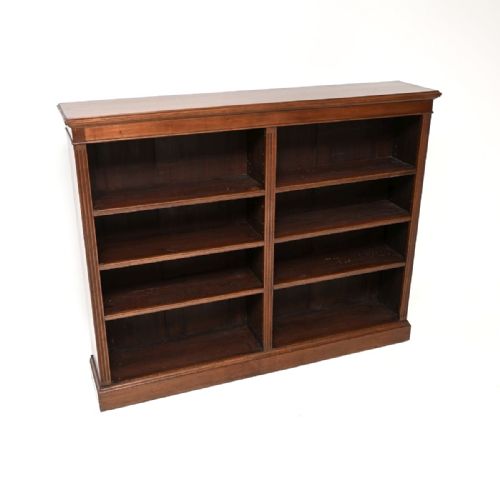
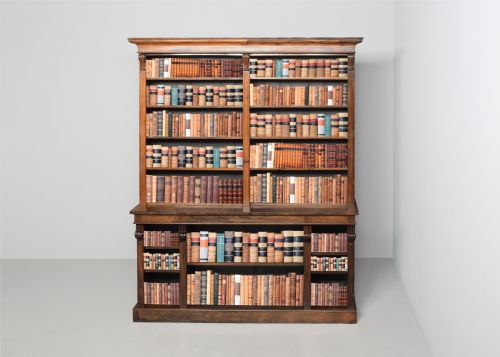
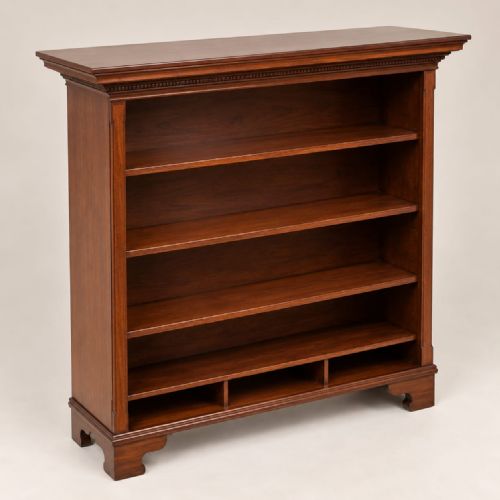
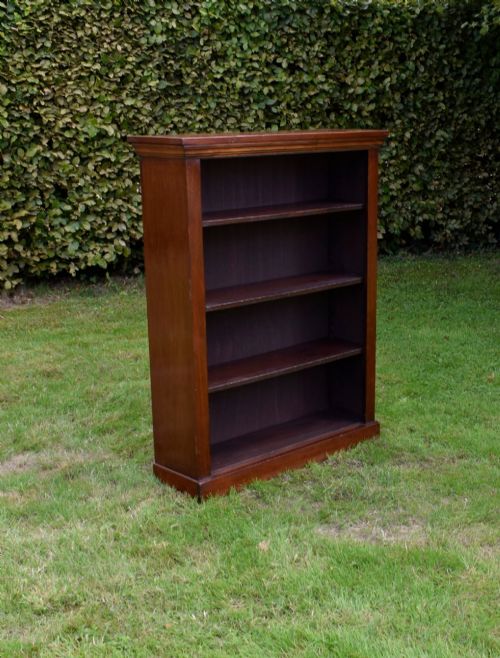
An antique cabinet with shelves brings period timber and glass into a room, offering practical storage for books and display.
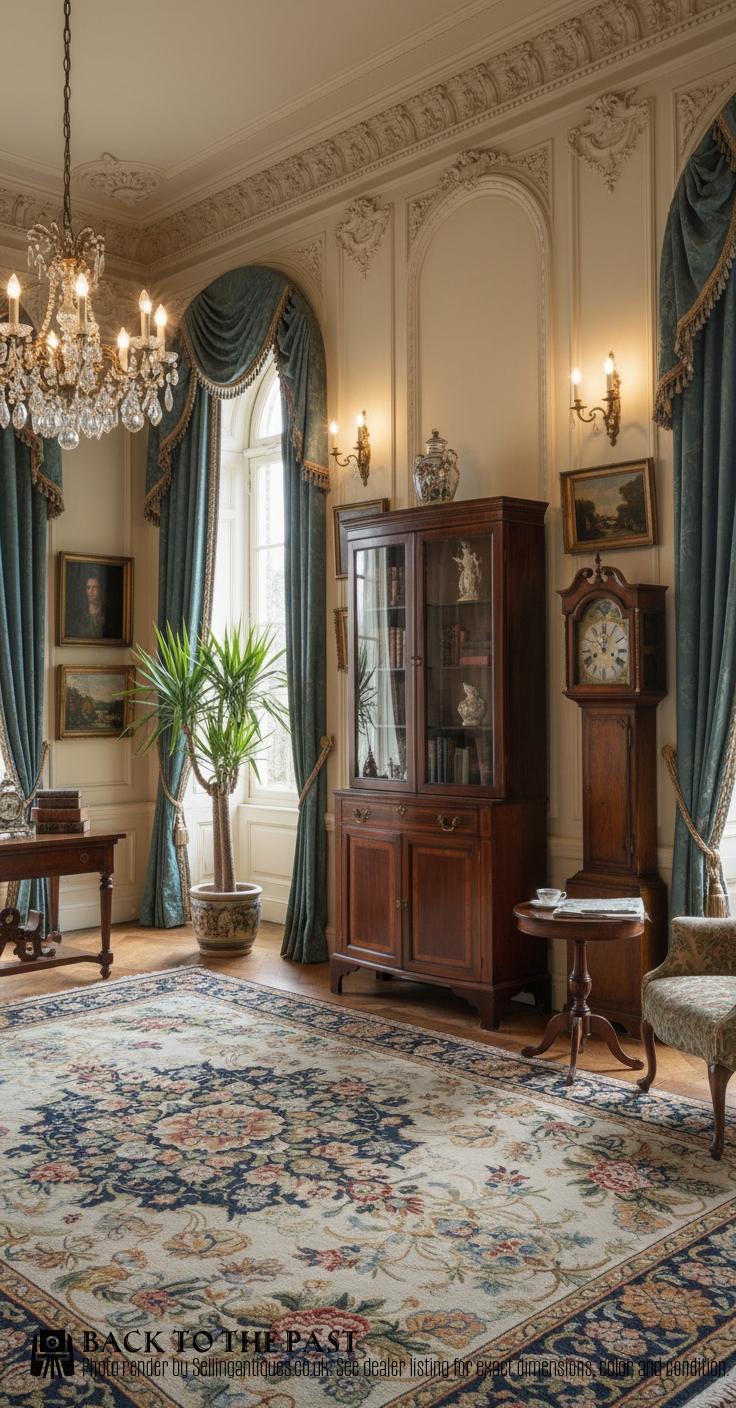
What these cabinets are
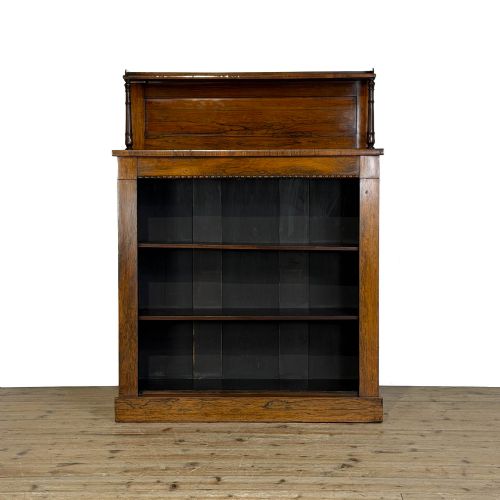
When you search for an antique cabinet with shelves, you encounter a varied group of English and French pieces designed to hold books, china and display items. The selection spans the nineteenth century, including Regency, Victorian, Edwardian and Sheraton Revival examples.
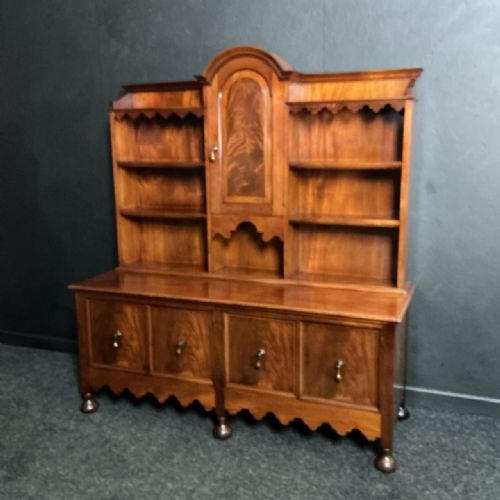
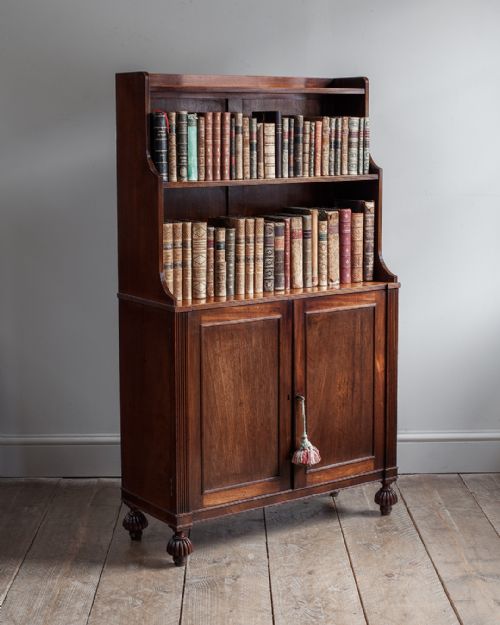
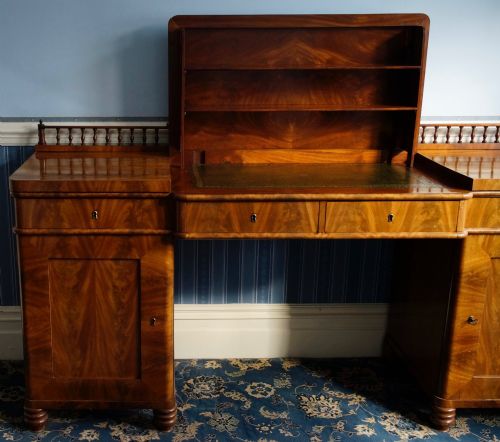
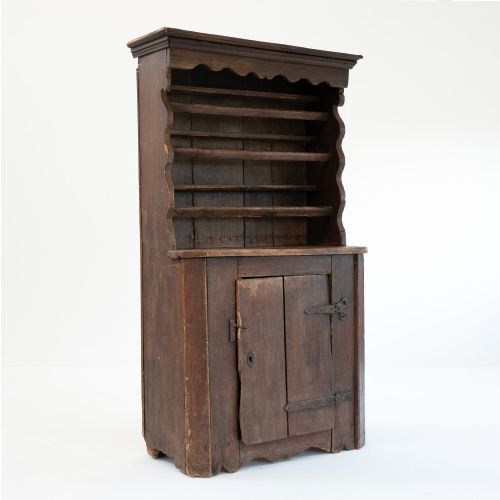
The forms on this page include bookcases, credenzas, display cabinets, dressers and hutches, pier cabinets and side cabinets. Many feature glazed doors, open shelving or adjustable wooden boards.
You are most likely to meet Victorian and turn-of-the-century walnut, mahogany or satinwood pieces fitted with glass panels and brass mounts.
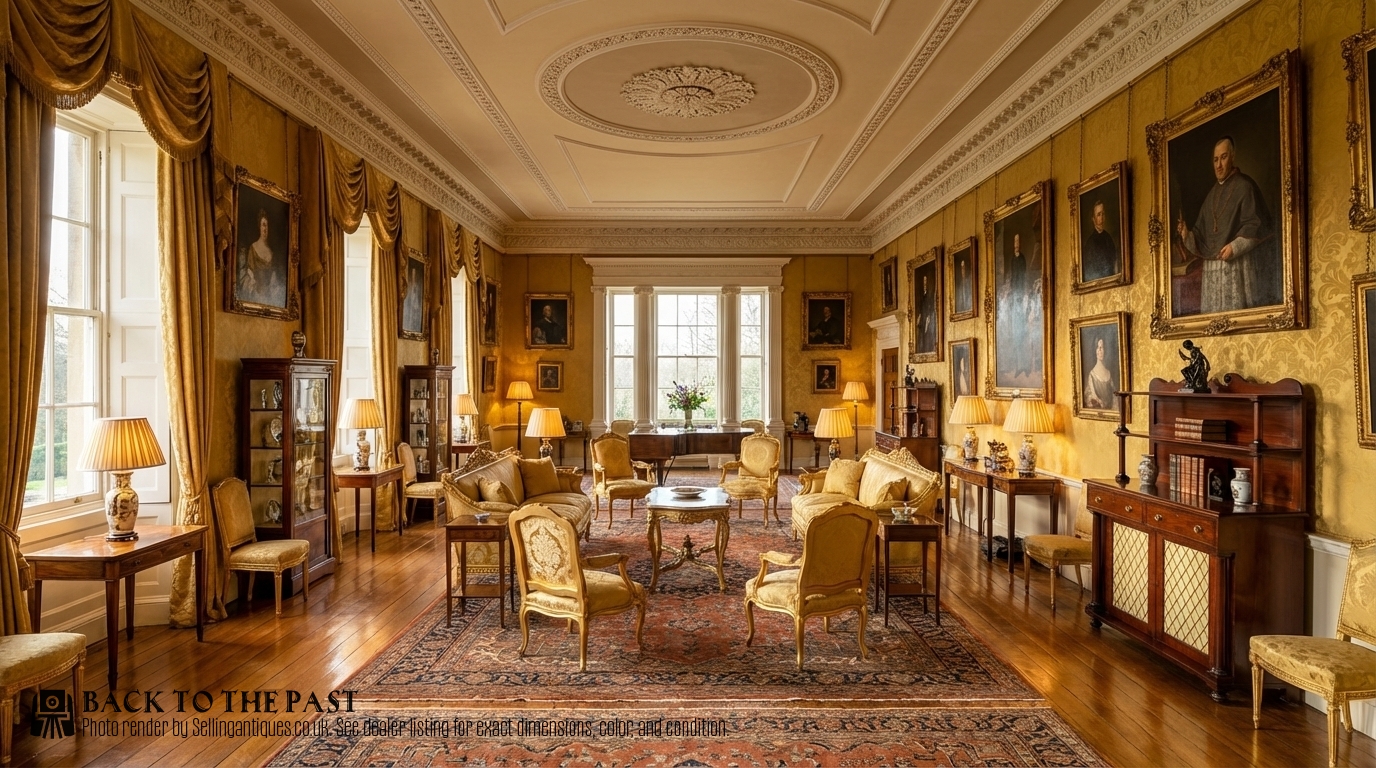
How they were made
Cabinet makers utilised solid woods and decorative veneers, incorporating mahogany, burr walnut, satinwood, elm, rosewood and ebony. Timber construction was often enhanced with intricate wood inlay, marquetry and brass stringing.
Glazing was standard for display sections, set within timber doors alongside brass or ormolu mounts, handles and hinges. Interiors commonly incorporated adjustable shelving supported by wooden or brass tracks.
Retail Price Guide 2026
Typical UK retail prices for cabinet with shelves, calculated from the Sellingantiques database of over a million retail prices indexed since 2003. This retail price guide relies exclusively on Sellingantiques data; no external sources or auction records are used, so the figures do not describe the wider market.
Listings feature items built from mahogany, burr walnut, satinwood, elm, rosewood and ebony, alongside glass and ormolu.
What varies in quality
The standard of an antique cabinet with shelves rests on the choice of timber and the precision of its veneers. Highly figured burr walnut, satinwood and rosewood display greater depth than plain secondary woods.
Construction detail separates simpler items from workshop pieces. Fine mounts in ormolu and brass, crisp marquetry inlay and maker stamps indicate higher tier production.
Gillows·Maple & Co.·Druce & Co.·Edwards and Roberts
The Antique Cabinet with Shelves Glossary
- Credenza
- A low cabinet, often fitted with doors and shelves, originating in the nineteenth century for dining rooms and drawing rooms. They frequently incorporate ormolu mounts and glass display sections.
- Pier Cabinet
- A narrow cabinet designed to stand against the wall space between windows. These pieces often feature glazed doors to protect collections.
- Ormolu
- Gilt-bronze mounts applied to furniture for decoration. This technique was widely used in nineteenth-century cabinet making.
- Marquetry
- Decorative veneer work formed by fitted pieces of different coloured wood. It creates pictorial or geometric patterns on cabinet doors and panels.
- Vitrine
- A glass-fronted cabinet used for displaying porcelain, curiosities and books. These pieces emphasise all-round visibility through glazed sides and doors.
Frequently Asked Questions
What are adjustable shelves?
Adjustable shelves rest on movable supports within the cabinet interior. This allows you to alter the shelf height to accommodate books and objects of varying sizes.
Such systems appear frequently in nineteenth-century bookcases and display cabinets, providing practical flexibility for modern use.
How do I identify a Victorian cabinet?
Victorian pieces date from the reign of Queen Victoria and often employ dense timbers such as mahogany and walnut. Look for characteristic proportions and decorative detailing like glazing and brass mounts.
Later Victorian examples may also show revival styles reflecting earlier Georgian or Gothic tastes.
Where should I place a side cabinet?
Side cabinets suit living rooms, hallways and dining spaces where surface area and enclosed storage are required. Their compact footprint allows them to fit against walls without dominating the room.
Ensure the cabinet does not block walkways and keep it away from direct heat sources to protect the antique wood.
How do I care for inlaid wood?
Inlaid wood and marquetry require gentle treatment with regular dusting using a soft, dry cloth. Avoid commercial polishes that contain silicones or harsh solvents.
Maintain stable room humidity to prevent the fine veneers and timber panels from drying out or warping over time.