



Antique Cabinet with Grill
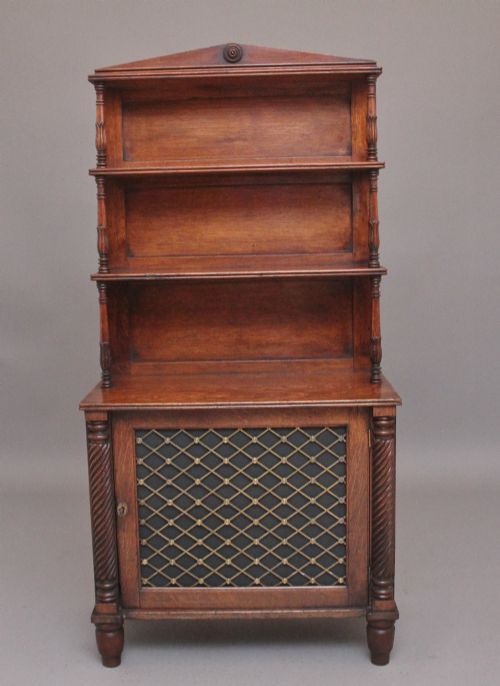
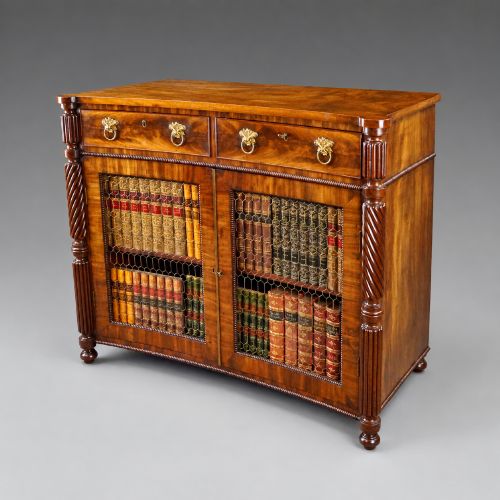
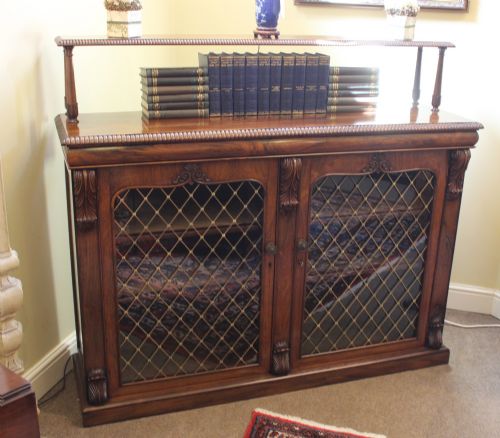
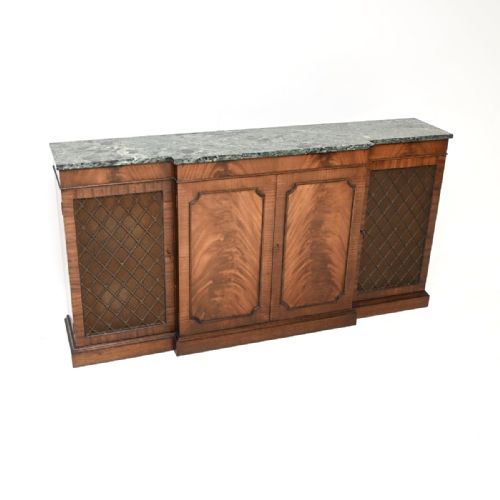
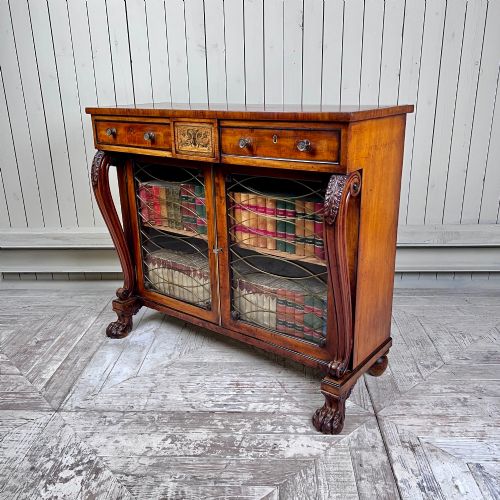
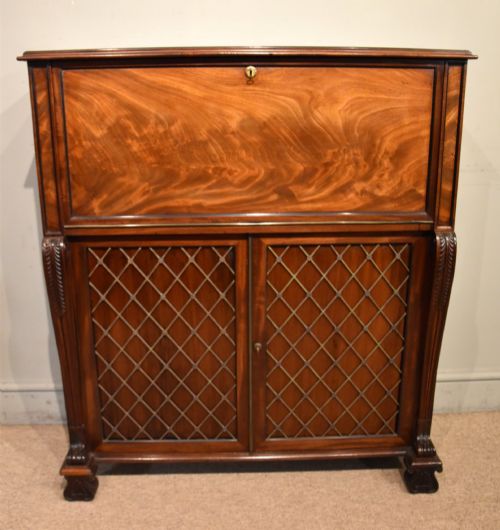
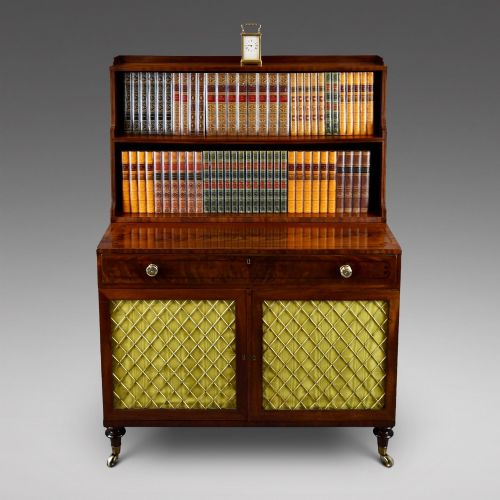
These antique cabinet with grill pieces bring timber and metal mesh together for storage, offering a practical way to house books and display belongings.
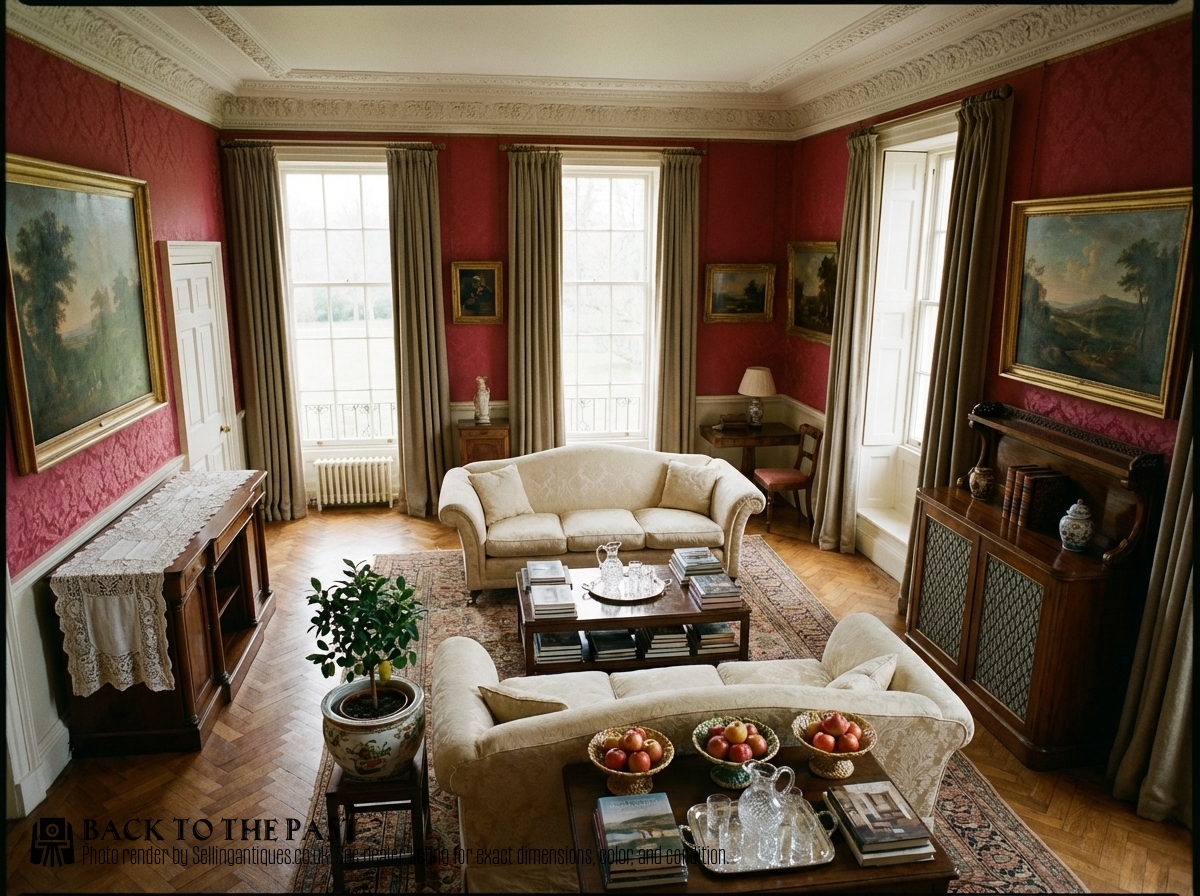
Antique Cabinet with Grill
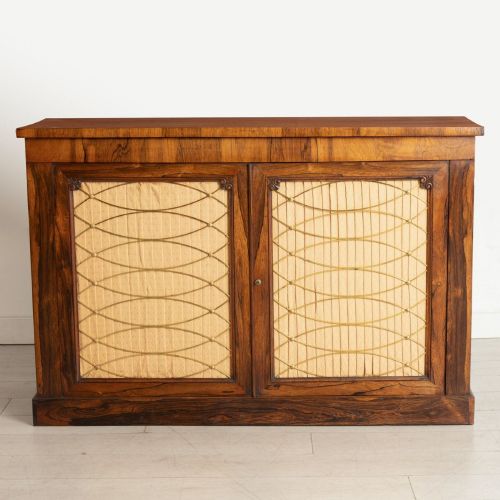
You are most likely to meet rosewood and mahogany examples dating from the nineteenth century, often equipped with adjustable shelves or fabric-backed doors. These items originate from workshops and periods that valued figured timbers and functional enclosed shelving.
How they were made
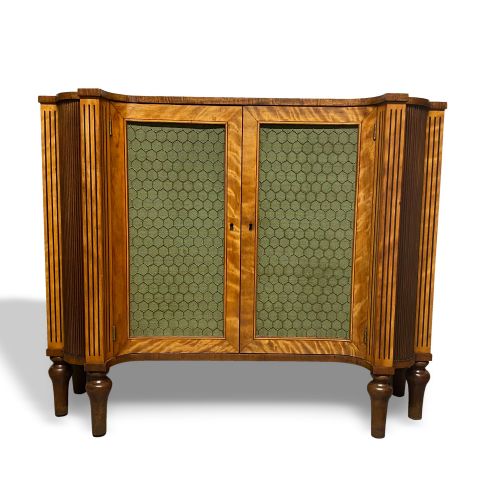
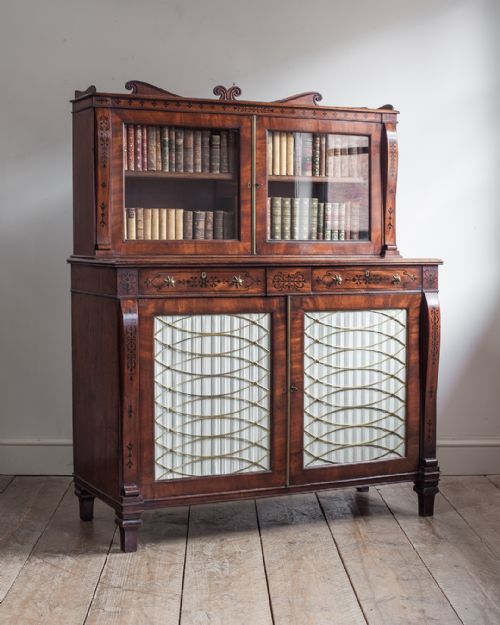
Cabinet makers utilised dense hardwoods such as mahogany, rosewood, and walnut for the primary structures, frequently selecting flame veneers for visual depth. Brass inlay and boxwood stringing appear on select pieces to accent the timber surfaces.
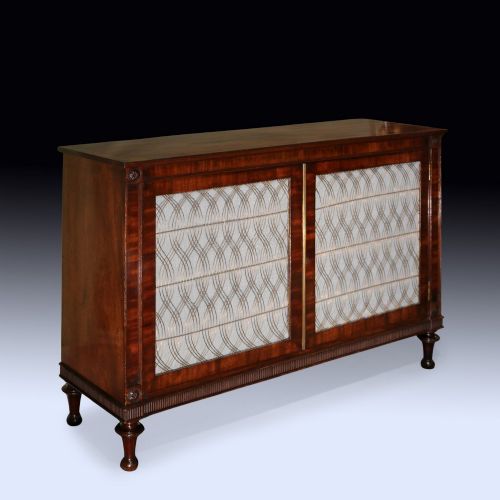
Metal grilles, often made of brass wire, were fitted into door frames to protect contents while allowing visibility, sometimes backed with fabric to conceal the interior. Marble tops and mirror panels also feature in specific side cabinets and chiffoniers from the period.
Antique Cabinet with Grill Retail Price Guide 2026
Typical asking prices for cabinet with grill among the pieces listed under this phrase on Sellingantiques today, from the lower quarter to the upper quarter. They describe what is for sale here now, not the wider market.
Listings feature rosewood, mahogany, and walnut cabinets spanning the Georgian, Regency, and Victorian eras.
What varies in quality
The standard of timber selection and veneer matching defines the upper tier of these cabinets, where grain patterns flow naturally across doors and drawers. Finer examples display meticulous brass inlay and well-fitted wire grilles that integrate cleanly into the frame.
Construction methods also separate utilitarian pieces from high-end commissions, seen in the thickness of the timber, the precision of the joinery, and the presence of original internal fittings like adjustable shelving.
Gillows·John McLean
The Antique Cabinet with Grill Glossary
- Grill
- A lattice of metal wire fitted into cabinet doors to provide ventilation or visibility while keeping contents secure. It is characteristic of library bookcases and side cabinets.
- Chiffonier
- A low sideboard or cabinet developed in the Regency period, typically featuring enclosed shelving below and sometimes a raised superstructure.
- Secretaire
- A desk form incorporating a pull-down writing flap that conceals small drawers and pigeonholes. It often forms the upper or middle section of a larger cabinet.
- Breakfront
- A piece of furniture where the central section projects forward from the flanking wings. This architectural arrangement adds depth and presence to larger bookcases.
- Flame mahogany
- A veneer cut from the fork of the mahogany tree where the branches join the trunk, producing a distinctive flickering flame pattern. It was favoured for principal display surfaces.
Antique Cabinet with Grill: Frequently Asked Questions
What is an antique cabinet with grill?
An antique cabinet with grill is a storage piece featuring wire mesh panels set into the doors, originating primarily in the Georgian, Regency, and Victorian eras.
These grilles allowed air circulation and visibility for books and valued objects while keeping them securely enclosed.
How were grilled cabinets used originally?
They served mainly as library bookcases, side cabinets, and chiffoniers in polite rooms to house precious volumes and display collections.
The metal mesh protected fragile items from handling while maintaining a lighter visual weight than solid timber doors.
How do I tell Regency from Victorian pieces?
Regency pieces often display classical proportions, brass inlay, and rosewood timbers reflecting early nineteenth-century design tastes.
Victorian items tend towards heavier proportions, walnut or mahogany construction, and distinct regional variations in manufacturing.
Are the fabric linings behind grilles original?
Fabric behind the wire mesh was frequently added to prevent dust from entering or to hide contents, and was often replaced over time.
Original silk or pleated backing materials are uncommon due to natural wear and tear during the life of the cabinet.