



Antique Cabinet with Castors
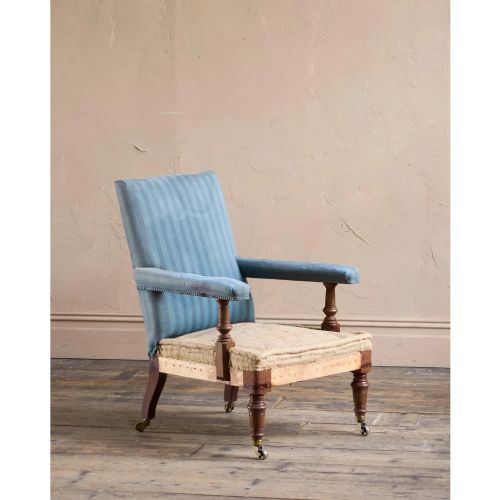
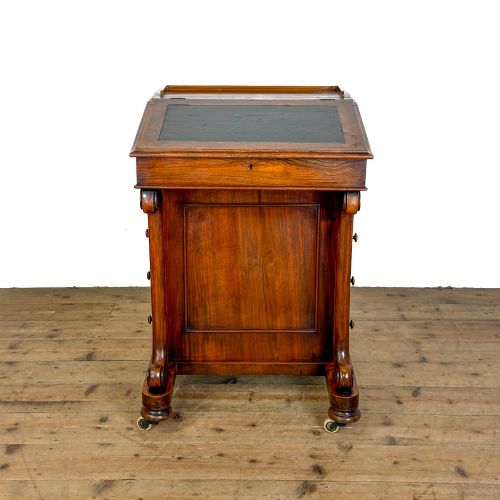
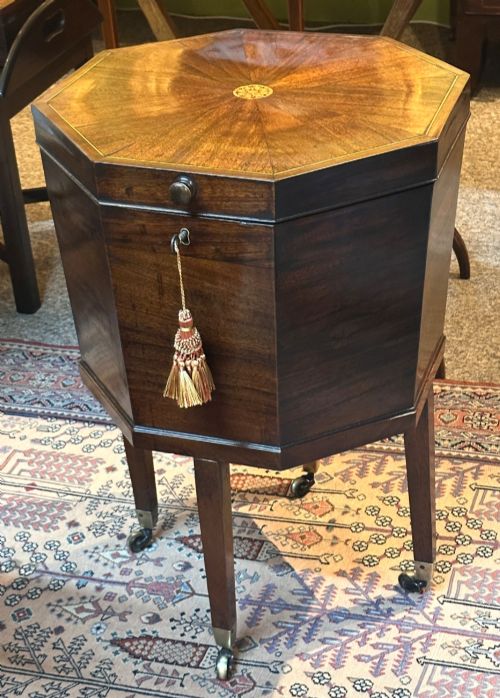
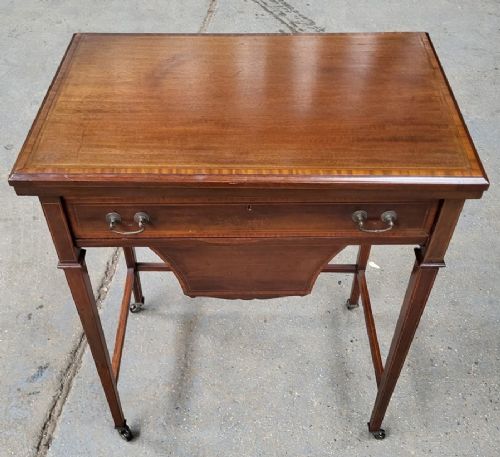
An antique cabinet with castors brings movable utility to a room, offering mahogany storage raised on brass wheels.
Antique Cabinet with Castors
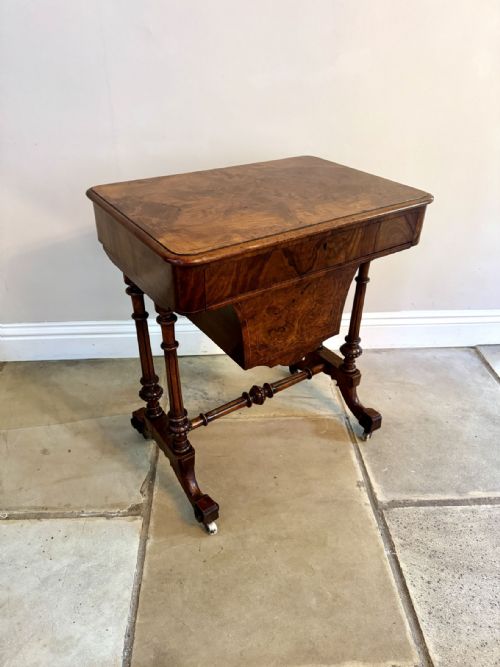
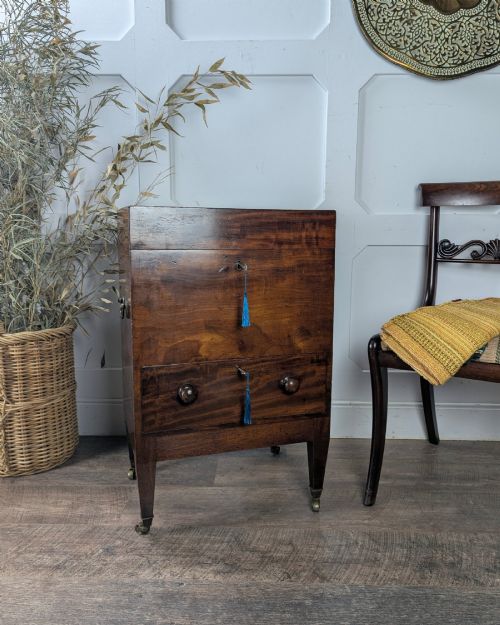
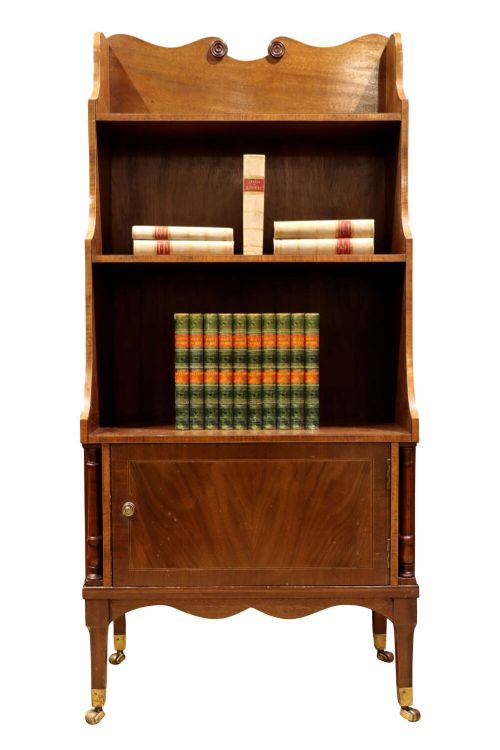
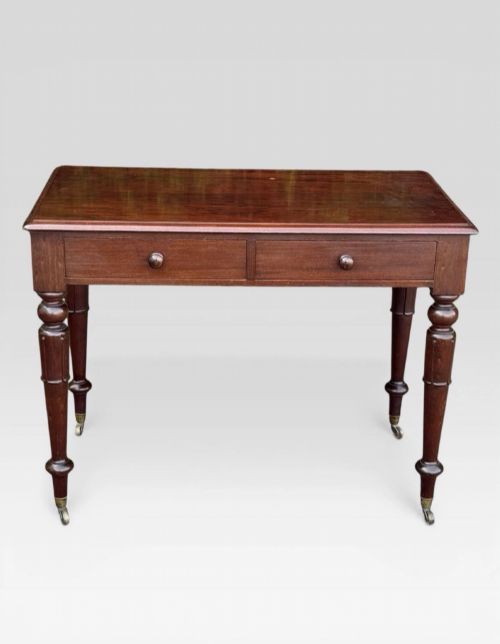
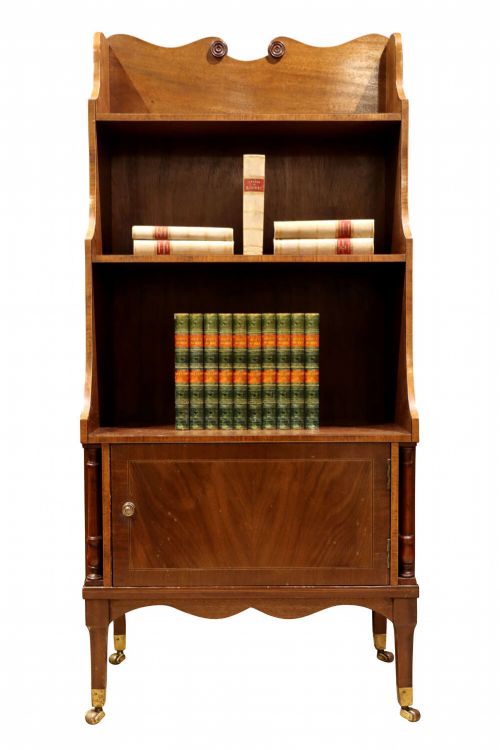
When you search for an antique cabinet with castors, you find movable storage pieces designed to shift position easily across a room. The selection spans side tables, side cabinets, canterburys, and waterfall bookcases equipped with small wheels beneath.
The versions you are most likely to meet on this page date from the Georgian, Regency, Victorian, and Edwardian periods. Mahogany forms the primary wood across these eras, alongside occasional rosewood, walnut, and glass.
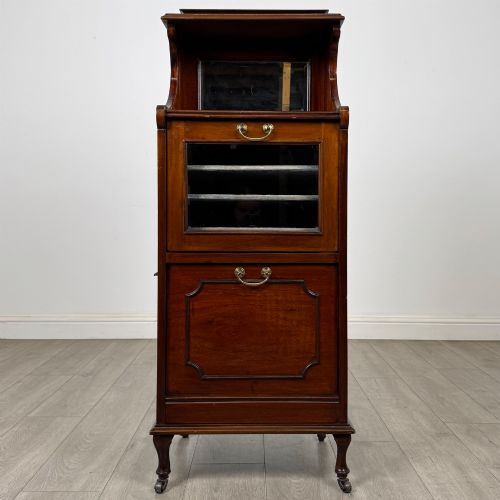
Forms vary from music stands and sheet music cabinets to collectors cabinets and sewing tables. Each example rests upon castors, usually brass, allowing the furniture to serve flexible domestic roles.
How they were made
Cabinet makers utilised dense timber stocks, predominantly figured mahogany and rosewood, shaped into side tables, canterburys, and display cabinets. Wood selection provided both structural rigidity and rich grain patterns across the panels and tops.
Brass fittings appear consistently, forming the castors that elevate the legs and allow movement. Additional decorative elements include fine inlay work seen on late Victorian waterfall bookcases and ebonised bijouterie cases.
Antique Cabinet with Castors Retail Price Guide 2026
Typical asking prices for cabinet with castors among the pieces listed under this phrase on Sellingantiques today, from the lower quarter to the upper quarter. They describe what is for sale here now, not the wider market.
Listings span the Georgian, Regency, Victorian, and Edwardian periods, constructed primarily in mahogany with brass and glass elements.
What varies in quality
The refinement of the timber grain and the crispness of any inlay set the finer examples apart from simpler utility pieces. Figured mahogany and delicate stringing distinguish elevated cabinet work from plain construction.
The integration of the castor fittings and the proportion of the main body influence the overall character. Well-balanced proportions and original brass hardware elevate a piece above standard domestic furniture.
J A Mein Edinburgh Cabinet Maker
The Antique Cabinet with Castors Glossary
- Castor
- A small wheel mounted on a swivel assembly attached to the base of a piece of furniture. This mechanism allows heavy cabinets and tables to roll across floor surfaces with minimal effort.
- Canterbury
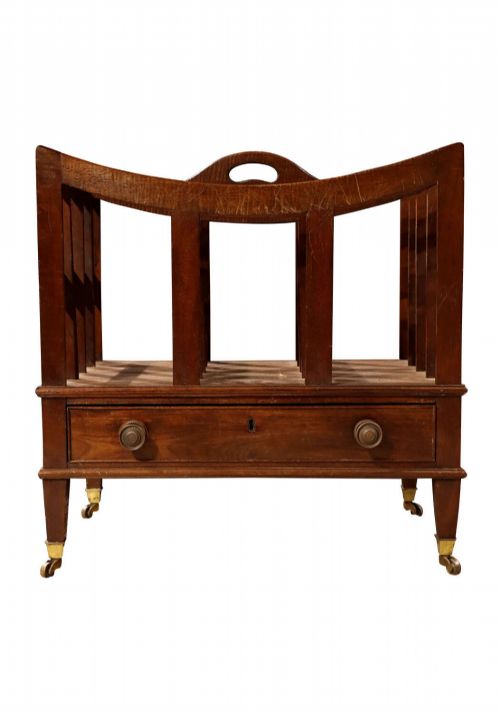
- A low, partitioned stand used historically for holding sheet music, newspapers, or magazines. Many examples feature a single drawer beneath and rest upon small wheels.
- Bijouterie case
- A glass-topped display cabinet designed specifically for showing small valuables, jewellery, or curiosities. These glazed table-style cabinets often incorporate lined interiors and brass mobility fittings.
- Waterfall bookcase
- A set of open shelves arranged in descending tiers where each level steps back from the one below. These tall storage units sometimes combine with enclosed cabinet sections and wheel mounts.
- Stringing
- A thin inlay of contrasting wood or light-coloured material set flush into the surface of furniture. It creates fine decorative borders around panels and drawer fronts.
Antique Cabinet with Castors: Frequently Asked Questions
What is an antique canterbury used for?
A canterbury serves as a compartmentalised rack designed to hold sheet music, periodicals, and newspapers within easy reach of a chair or piano. The divided upper sections keep papers upright while lower drawers store smaller accessories.
Most versions incorporate small wheels to let owners roll the stand across the floor as needed. This movable design made them popular additions to nineteenth-century sitting rooms.
How do I identify a Regency period piece?
Regency furniture dates from the early nineteenth century and typically displays clean architectural lines combined with figured mahogany timbers. Pieces from this era often favour classical restraint over heavy ornamentation.
Subtle brass mounts and simple turned supports frequently characterise these items. Their proportions remain compact and functional for domestic spaces.
Are all these cabinets made of mahogany?
Mahogany forms the predominant timber across these listings, appearing in the majority of tables, canterburys, and bookcases. The wood provided strength and a deep red-brown grain.
Alternative materials do appear in the selection. You will also encounter pieces constructed from rosewood, walnut, and glass.
Why did makers put castors on small cabinets?
Castors allowed domestic staff and homeowners to rearrange sitting room furniture quickly for different daily activities. A movable table or music stand could shift closer to a hearth or light source.
This mobility offered practical flexibility before rooms had fixed layouts. Small brass wheels ensured heavy wood pieces slid smoothly over carpets and floorboards.
What distinguishes an Edwardian display cabinet?
Edwardian display cabinets often incorporate glass panels designed for showing table jewellery and delicate ornaments. These early twentieth-century pieces reflect lighter decorative tastes than preceding Victorian styles.
They frequently combine glazed sections with fitted compartments and raised stands. The overall effect prioritises visual presentation over heavy storage.