

Antique Buttons
These antique buttons and buttoned seating span the nineteenth and early twentieth centuries, offering tactile period craftsmanship for the discerning interior.
Antique Buttons
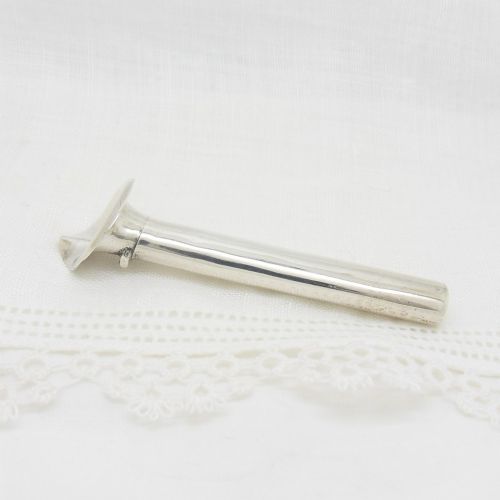
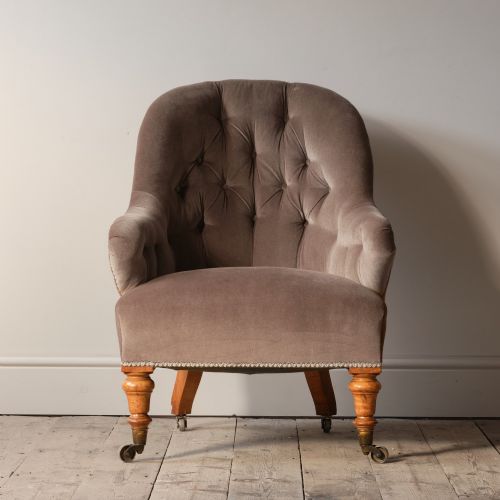
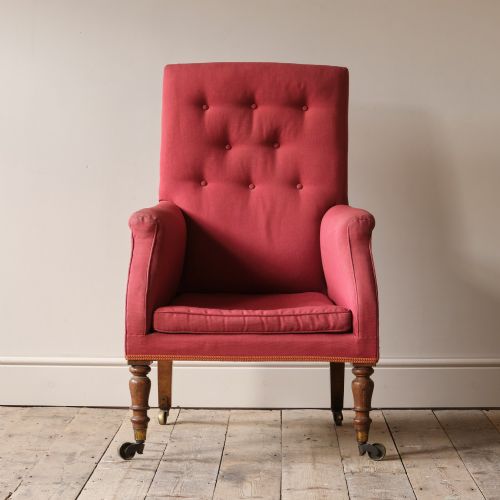
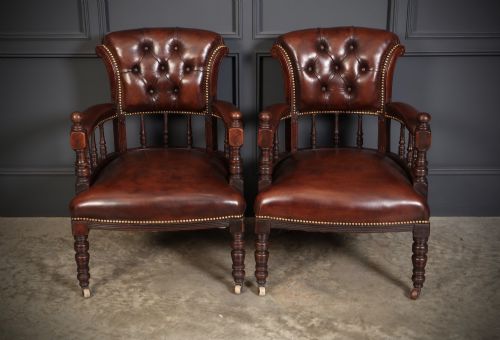
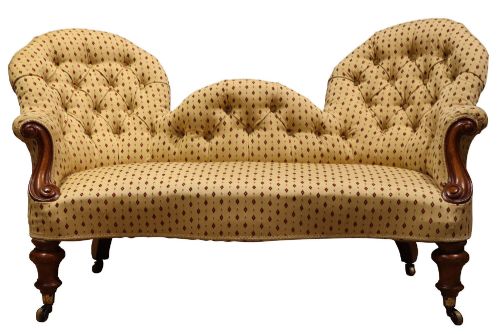
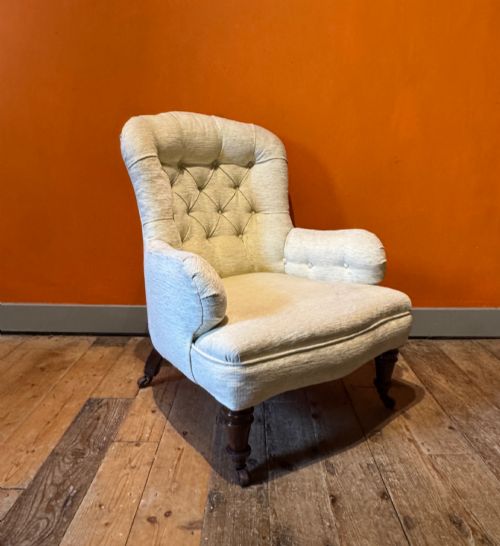
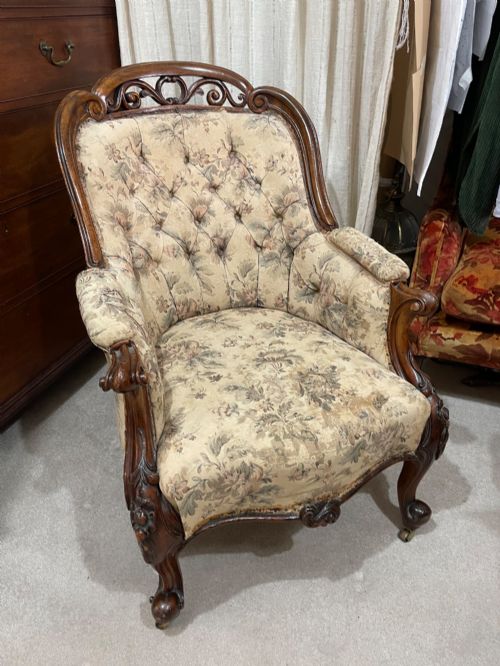
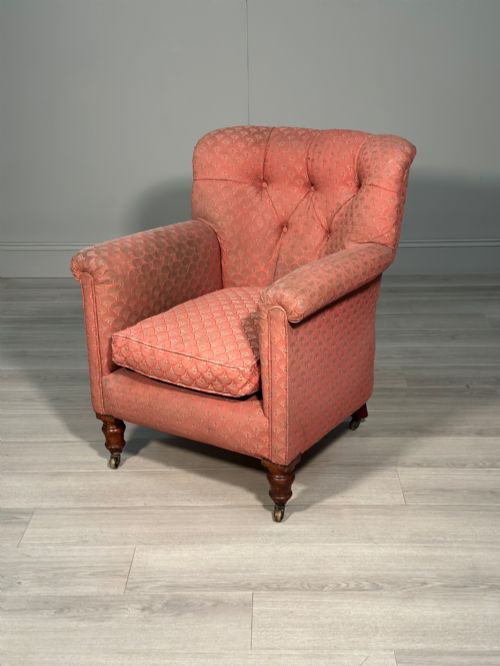
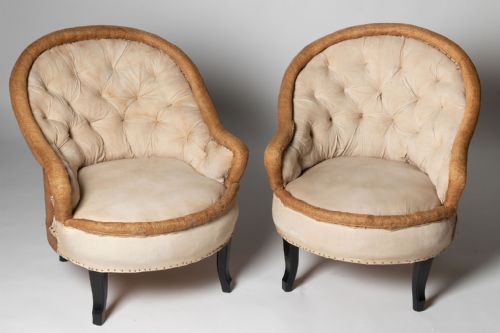
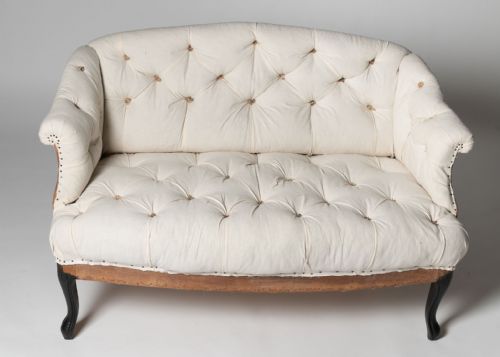
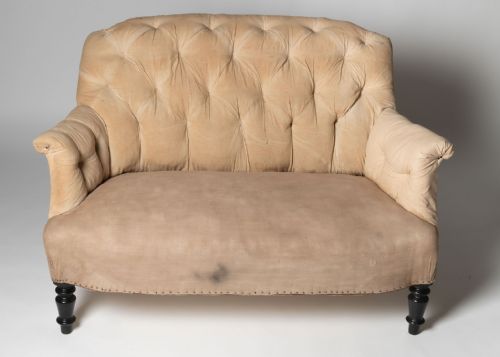
When buyers search for antique buttons, they encounter both small fastened accessories fashioned from silver and enamel and the prominent buttoned upholstery defining larger furnishings. This selection most frequently yields nineteenth-century seating featuring button-back padding alongside cased sets of metal and enamel pieces.
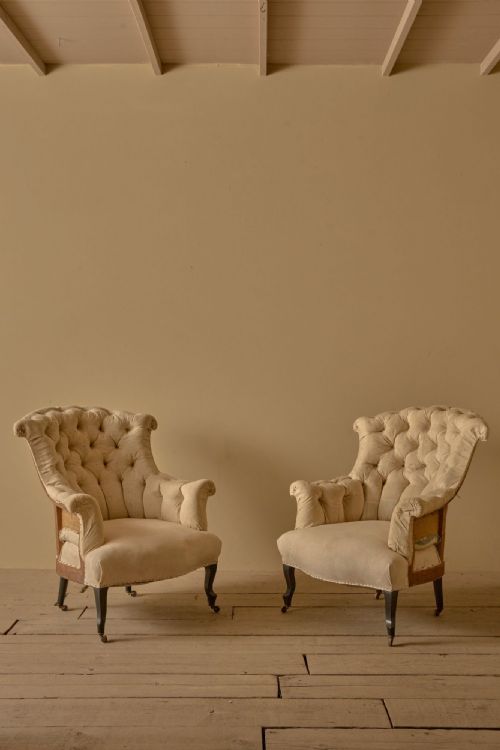
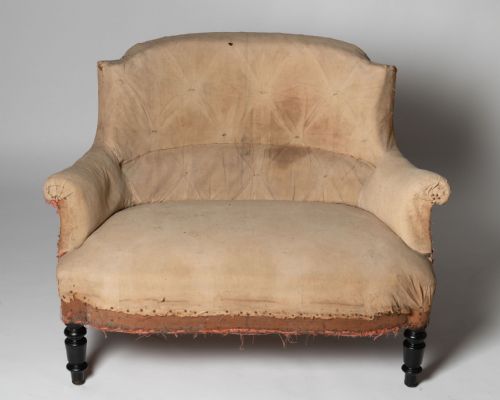
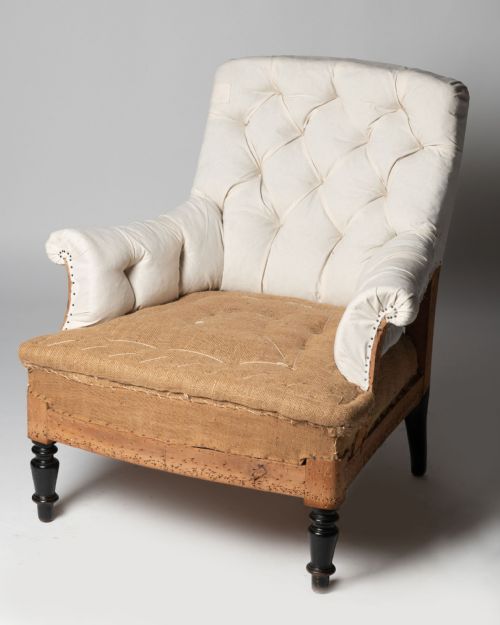
The objects stem predominantly from Victorian, Regency, and Edwardian periods, demonstrating how fastening methods and padded upholstery evolved over time. Craftsmanship ranges from English country house armchairs to French Napoleon III sofas and cased sets originating in the early twentieth century.
Buyers will find that smaller items survive in fitted presentation cases, while larger pieces integrate buttoning directly into mahogany, walnut, rosewood, and leather frameworks. Each variation reveals distinct regional stylistic tendencies from the 1800s onward.
Materials and construction
Artisans constructed the supporting frames of these pieces using dense hardwoods such as mahogany, walnut, rosewood, oak, and timber, often applying carved detailing to the exposed wooden elements. Iron and giltwood also appear as structural or decorative components in specific Regency and nineteenth-century forms.
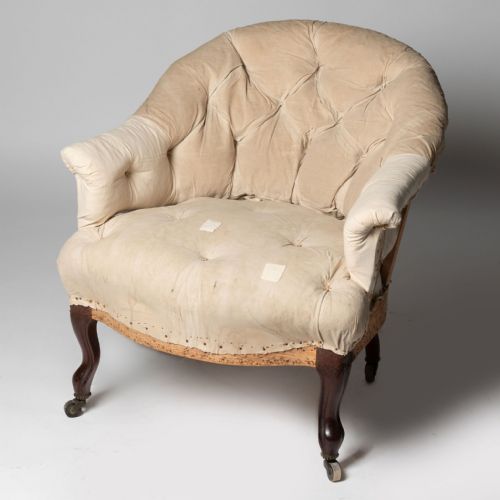
Upholstered seating incorporates leather, velvet, fabric, and traditional stuffing secured by deep buttoning techniques that pull the textile taut against the frame. Smaller accessories utilise sterling silver and enamel, shaped and fitted into dedicated presentation cases.
Antique Buttons Retail Price Guide 2026
Typical asking prices for buttons among the pieces listed under this phrase on Sellingantiques today, from the lower quarter to the upper quarter. They describe what is for sale here now, not the wider market.
Listings feature items from the 1850s, 1860s, 1870s, 1880s, and 1900s alongside Regency and Edwardian eras.
Assessing quality in execution
The distinction between tiers of quality rests upon the precision of the joinery and the integrity of the materials employed. Solid timber frames with hand-carved ornamentation represent superior production compared to simpler utility builds.
In upholstered works, the regularity of the buttoning pattern and the durability of the chosen leather or fabric dictate the standard of execution. Finer cased items display meticulous metalwork and secure enameled detailing within well-preserved protective housings.
Howard and Sons·Daws Patent
The Antique Buttons Glossary
- Button-back
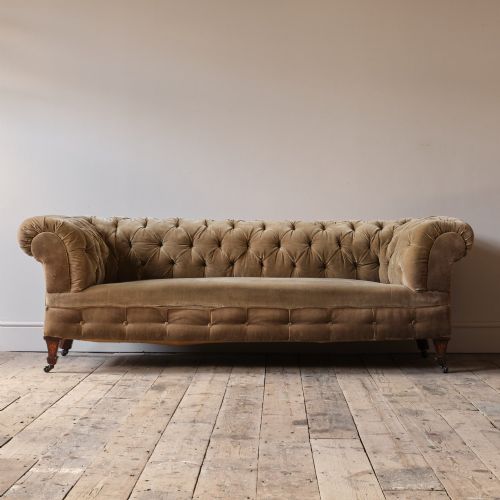
- An upholstery technique where buttons are deeply recessed into padded material in a grid pattern. This method creates characteristic tufting found on Victorian armchairs and chesterfield sofas.
- Enamel
- A glassy substance fused to metal surfaces through firing to produce decorative coloured coatings. It appears frequently on Edwardian cased buttons.
- Mahogany
- A durable tropical hardwood utilised extensively for nineteenth-century chair frames and stools. Its stability allowed for intricate carved details.
- Chesterfield
- A large upholstered sofa style characterised by arms and back of the same height and deep buttoned upholstery. Examples often feature leather coverings.
- Regency
- An English design period spanning the early nineteenth century noted for classical revival styles and the use of rosewood and mahogany.
Antique Buttons: Frequently Asked Questions
What periods do these antique buttons represent?
The items span the nineteenth and early twentieth centuries, encompassing Regency, Victorian, and Edwardian eras. Pieces reflect the prevailing stylistic shifts of those decades.
Manufacturing dates cluster predominantly around the mid to late 1800s, with select items extending into the 1900s.
How were buttoned chairs used historically?
Buttoned seating served domestic functions in libraries, drawing rooms, and country houses as comfortable lounging furniture. Large armchairs and chesterfield sofas provided formal seating for reading or social gatherings.
Smaller stools and footrests supported relaxation, while revolving desk chairs accommodated study and administrative tasks.
What materials are common in these items?
Frames and accessories incorporate woods such as mahogany, walnut, rosewood, oak, and timber. Upholstery utilises leather, velvet, and fabric fastened with deep buttoning.
Smaller wearable or cased pieces feature sterling silver and enamel construction.
How should I care for leather button-back furniture?
Leather upholstery requires regular dusting and periodic conditioning to maintain its suppleness and prevent cracking around the recessed buttons. Avoiding direct sunlight helps preserve the natural tone of the material.
Wooden frames benefit from gentle cleaning with appropriate polishes suitable for historic timber surfaces.