





Antique Butterfly Cabinet
An antique butterfly cabinet brings together the precise storage needs of natural history and the rich decorative arts of the nineteenth and early twentieth centuries.
Antique Butterfly Cabinet
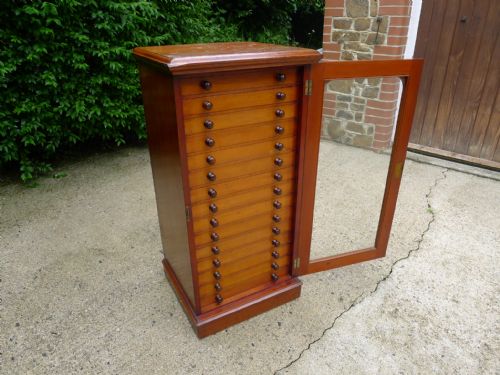
When you search for an antique butterfly cabinet, you encounter multi-drawer storage pieces designed specifically for housing insect specimens, alongside lacquer and porcelain items carrying butterfly motifs. The core of the selection comprises mahogany, walnut, oak, and pine specimen chests containing numerous shallow drawers intended for entomological collections.
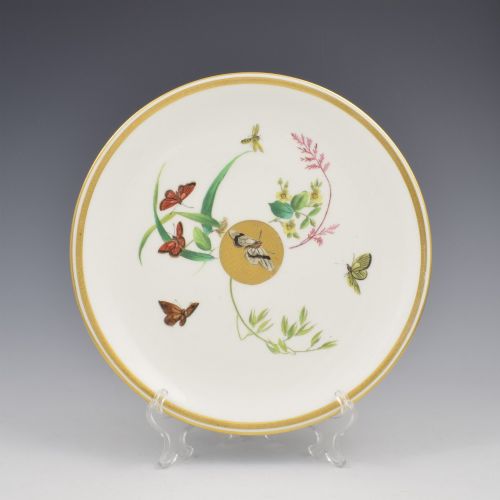
The surviving examples range from modest six-drawer chests to monumental forty-drawer cabinets constructed by specialist natural history outfitters. Alongside these utilitarian scientific pieces, the category extends to Chinese red and blue lacquered cabinets, Chinoiserie cupboards, and decorative dessert plates incorporating butterfly themes.
The Victorian and Edwardian periods dominate the material on offer, though Georgian pieces and early twentieth-century examples also appear. Buyers will find both English hardwood cases built for serious collectors and exotic decorative forms reflecting contemporary stylistic movements.
Materials and construction
The makers of these cabinets relied heavily on dense timbers such as mahogany, walnut, oak, and pitch pine to ensure structural stability and protect fragile contents from environmental shifts. Drawer construction involved precise joinery, often paired with glass-fronted doors or dust-proof closures to safeguard delicate specimens.
Decorative pieces utilise traditional Far Eastern lacquer techniques on wood, alongside enamel, brass hardware, and intricate gilt work. Porcelain items from the Victorian era employ hand-painted ceramic techniques featuring Japanese-style motifs and metallic gilding.
Specialist workshops integrated brass pulls, locking mechanisms, and numbered drawer pulls designed for systematic cataloguing. The exterior finishes range from polished mahogany and burr walnut veneers to vibrant red and blue lacquer work.
Antique Butterfly Cabinet Retail Price Guide 2026
Typical asking prices for butterfly cabinet among the pieces listed under this phrase on Sellingantiques today, from the lower quarter to the upper quarter. They describe what is for sale here now, not the wider market.
Certain Victorian entomologists required forty entire drawers just to organise their winged subjects properly.
Separating the ordinary from the exceptional
The distinction between a standard storage chest and a premier piece rests upon the identity of the maker, the scale of the drawer count, and the selection of timber. Cabinets bearing the signatures of established natural history makers command attention through their robust engineering and sophisticated drawer fitting.
Timber selection dictates much of the visual appeal, with figured English oak, burr walnut, and rich mahogany representing the higher tiers of craftsmanship. The retention of original glass, brass hardware, and functional locking mechanisms further elevates a piece above standard utility items.
Decorative quality in lacquered or ceramic examples depends upon the precision of the hand-painted detailing, the preservation of the original surface finish, and the harmonious integration of the butterfly motif within the broader aesthetic design.
Watkins and Doncaster·Brady of Edmonton·Charles William Schofield·J. T. Crockett·Standish
The Antique Butterfly Cabinet Glossary
- Specimen cabinet
- A piece of furniture fitted with multiple shallow drawers designed to hold natural history objects, particularly insects. These cases feature tightly fitted drawers to protect contents from dust and pests.
- Chinoiserie
- The European interpretation and imitation of Chinese and other East Asian artistic traditions, popular in furniture and decorative arts. This style frequently incorporates motifs such as butterflies, landscapes, and figures.
- Aesthetic Movement
- A late nineteenth-century British design movement that emphasised visual and sensuous qualities over narrative or moral message. Works in this style often drew direct inspiration from Japanese art and nature.
- Cloisonne
- An ancient technique for decorating metal object surfaces using enamel held in place by raised metal strips. Miniature vases employing this method appear within the wider collector market.
- Dessert plate
- A small ceramic plate intended for the final course of a formal meal, frequently decorated with elaborate painted scenes or motifs. Nineteenth-century examples often showcase botanical or insect subjects.
Antique Butterfly Cabinet: Frequently Asked Questions
What were these cabinets originally used for?
These multi-drawer chests served as professional and amateur storage units for naturalists and collectors to organise insect specimens, butterflies, and other natural history artefacts. The shallow drawers kept fragile specimens flat, secure, and easily accessible for study.
Alternative pieces in this category, such as lacquer cupboards and ceramic plates, functioned as decorative household furnishings rather than scientific storage. Both branches of the category reflect the Victorian and Edwardian fascination with natural science and exotic design.
How do I tell a scientific cabinet from a decorative one?
Scientific specimen cabinets are immediately identifiable by their numerous internal shallow drawers, often numbering between eight and forty, frequently secured behind glass-fronted locking doors. They prioritise dense hardwoods like mahogany and oak over surface decoration.
Decorative butterfly cabinets and cupboards rely instead on exterior finishes such as red or blue lacquer and Chinoiserie artwork. These pieces are built for visual display in reception rooms rather than housing scientific collections.
Which periods are represented in these pieces?
The available selection spans from the late Georgian era through the Victorian and Edwardian periods up to the 1930s. The majority of the scientific cabinets date from the nineteenth century, reflecting the peak of amateur and professional natural history collecting.
Stylistic influences include Regency, William IV, the Aesthetic Movement, and traditional Chinese design. Each period brings distinct timber choices and hardware styles to the construction.
How should I care for a wooden cabinet?
Maintain these pieces in stable indoor environments away from direct sunlight and extreme humidity fluctuations to protect the timber and any delicate veneers. Regular dusting with a soft, dry cloth preserves the polished surface without damaging historic finishes.
Avoid using harsh chemical polishes, particularly on lacquered surfaces or antique hardware. Drawer runners benefit from occasional light maintenance to ensure smooth operation without forcing tight joints.