

Antique Bureau with Legs
An antique bureau with legs brings proper writing height and fitted compartments to a room, drawing the eye with rich timbers and raised supports.
Antique Bureau with Legs
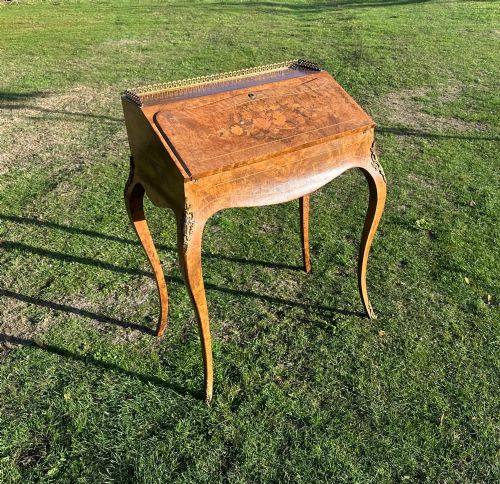
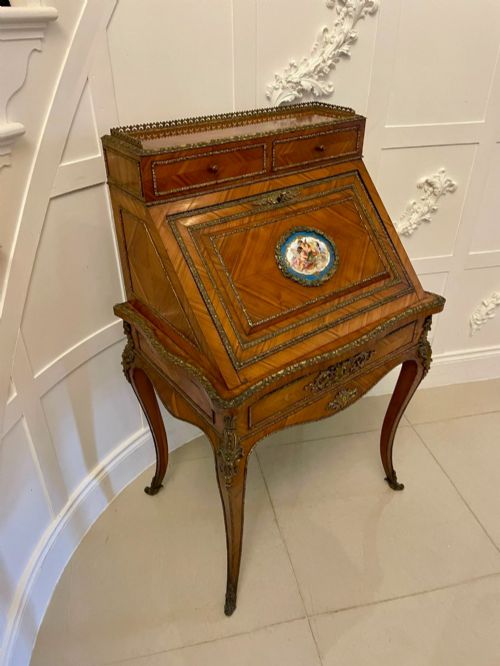
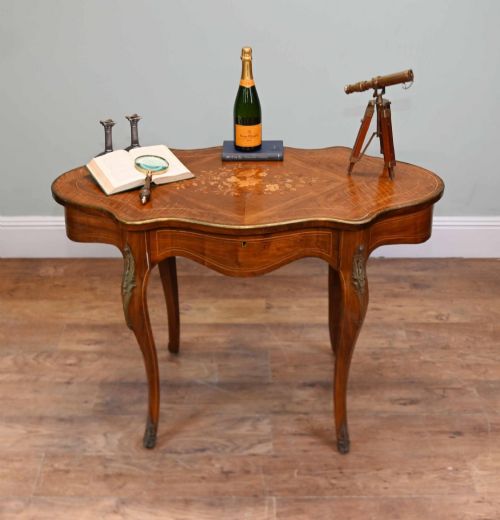
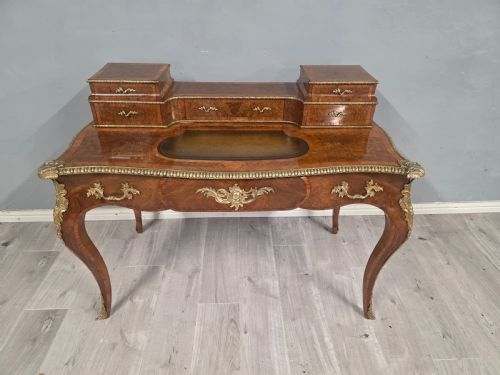
An antique bureau with legs combines a writing surface with raised supports, drawing from periods such as the 18th century, Victorian era, Edwardian period and the 1920s and 1930s. These pieces appear as writing desks, bureaux, writing tables and bureau bookcases, offering fitted interior compartments for correspondence.
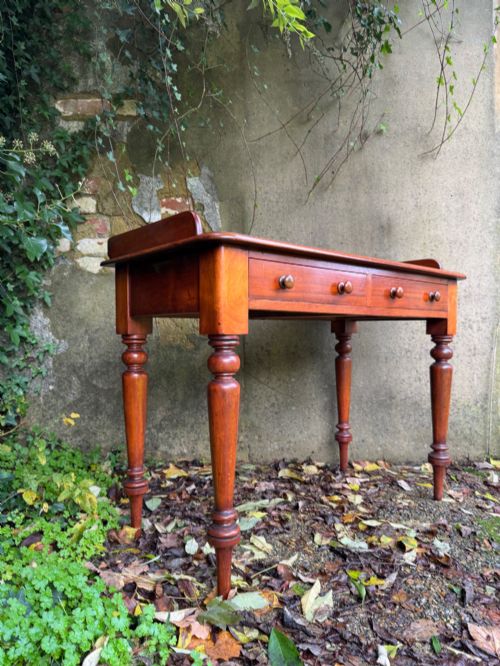
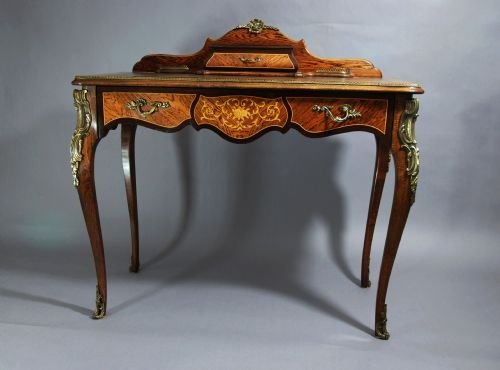
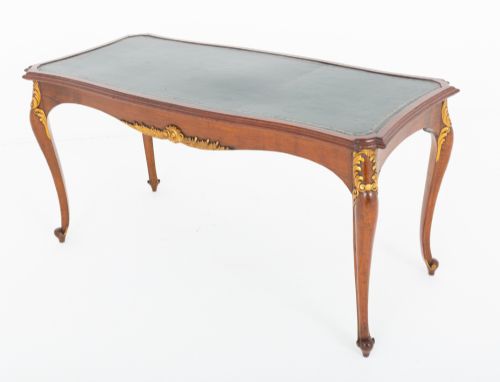
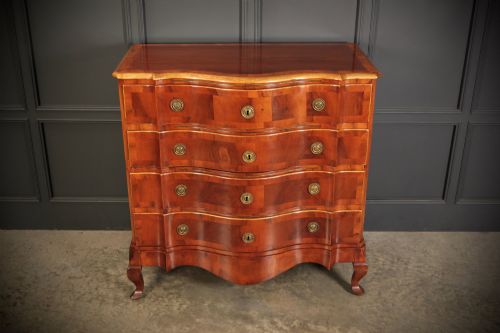
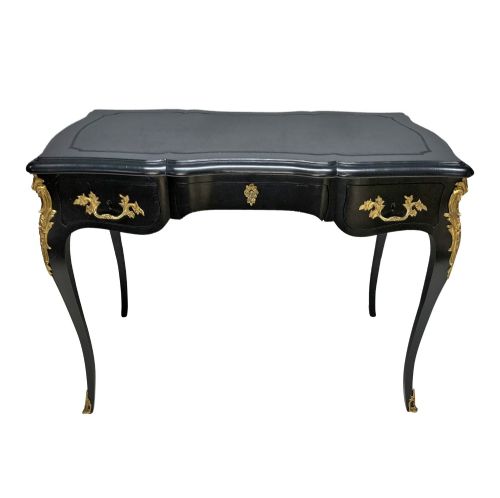
The version most commonly met on this page is walnut or mahogany, often styled in revival forms like Queen Anne, Sheraton or Louis XV. Such pieces stand upon cabriole legs, baluster supports or slender tapered legs, lifting the writing body clear of the floor.
How they were made
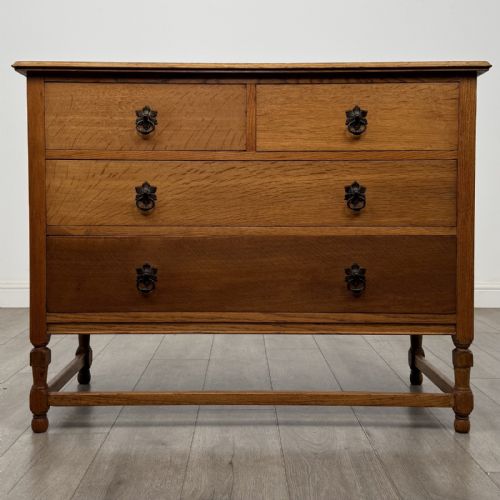
Cabinetmakers constructed these writing pieces using solid hardwoods and decorative veneers such as mahogany, walnut, burr walnut, kingwood and oak. Surfaces often feature flame mahogany figuring, satinwood inlay or intricate parquetry and marquetry.
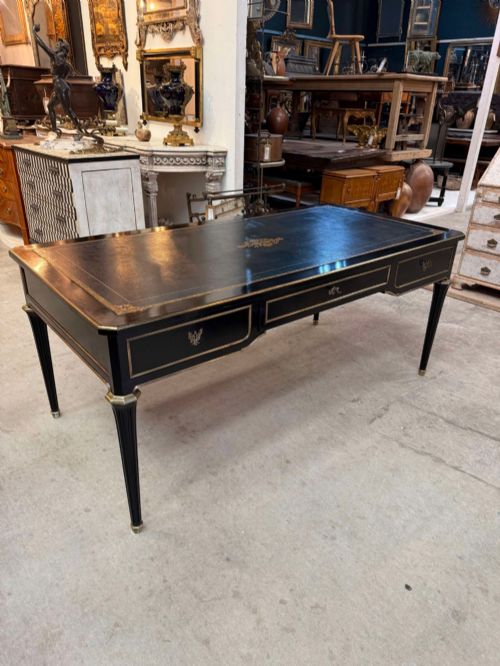
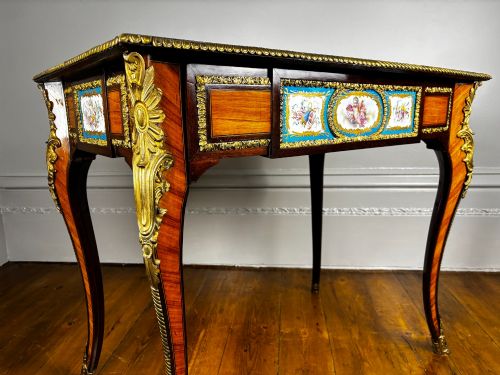
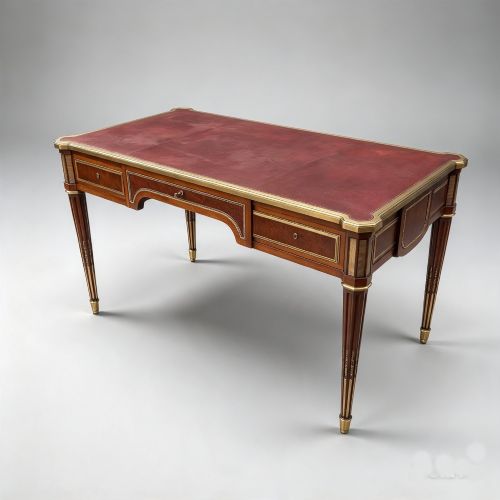
Metal and leather components complete the construction, with brass handles, ormolu mounts and inset tooled leather writing surfaces. French pieces frequently incorporate marble tops and porcelain plaques.
Antique Bureau with Legs Retail Price Guide 2026
Typical asking prices for bureau with legs among the pieces listed under this phrase on Sellingantiques today, from the lower quarter to the upper quarter. They describe what is for sale here now, not the wider market.
The listings on this page span the eighteenth, nineteenth and twentieth centuries, featuring woods from oak and mahogany to exotic kingwood and zebrawood.
What varies in quality
The grade of timber selection marks the distinction in these writing pieces, where deeply figured burr walnut or carefully matched flame mahogany distinguishes superior cabinet work. Secondary timbers and the crispness of carved details on cabriole legs reveal the hand of a skilled maker.
The integrity of surface ornamentation, from cast ormolu mounts to inlaid satinwood stringing, separates standard production from finer examples. Original hardware and well-fitted internal drawers retain the structural harmony intended by the maker.
James Mein of Kelso·Heals of London
The Antique Bureau with Legs Glossary
- Escritoire
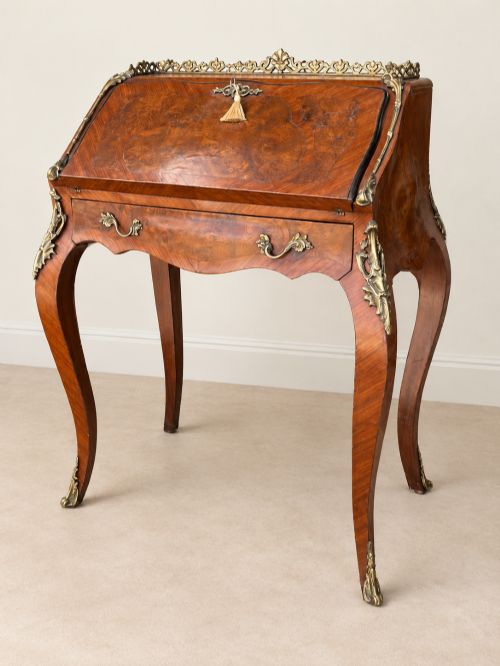
- A writing cabinet featuring a fall-front flap that conceals small drawers and pigeonholes. It stands elevated on legs rather than resting directly on a plinth.
- Bonheur du jour
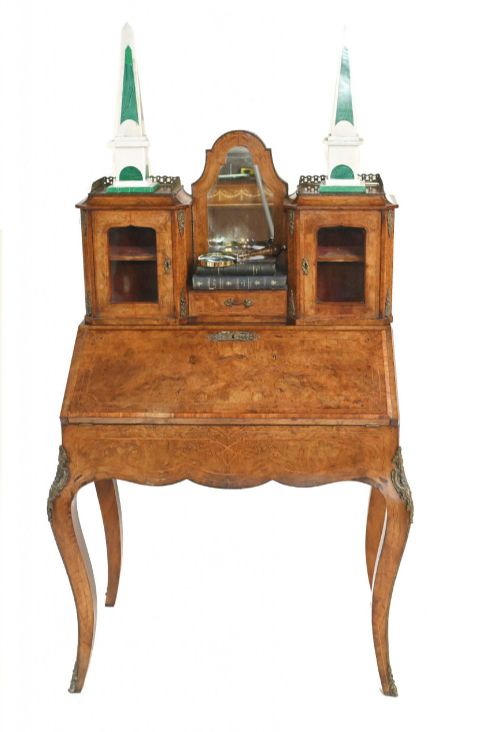
- A light ladies writing desk with a small cabinet or set of drawers on the upper surface. These delicate tables typically date from the nineteenth century and rest on slender legs.
- Ormolu
- Gilded bronze mounts applied to furniture for decorative effect. Frequently seen on French writing desks alongside porcelain plaques and kingwood veneers.
- Cabriole leg
- A furniture leg that curves outward at the knee and tapers inward toward the foot. This form derives from classical furniture design and appears frequently on walnut writing tables.
- Tambour
- A sliding door made of narrow vertical strips of wood glued to a canvas backing. It conceals the writing compartment on certain nineteenth-century desks.
Antique Bureau with Legs: Frequently Asked Questions
How do I care for a leather top?
Dust the surface regularly with a dry, soft cloth to prevent grit accumulation. Apply a neutral wax conditioner periodically to keep the leather supple without dampening the underlying wood.
Avoid placing writing desks in direct sunlight or near heat sources to prevent the leather from cracking or shrinking over time.
What is a bureau bookcase?
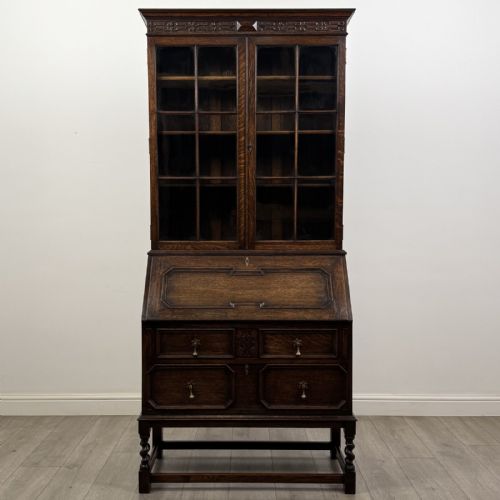
A bureau bookcase combines a lower writing desk with an upper enclosed shelving unit for books. The drop-front writing surface opens to reveal pigeonholes and small drawers for paperwork.
These taller furniture pieces provide dual utility for working and storage while maintaining a raised profile on feet or legs.
How do I distinguish Edwardian from Victorian?
Victorian writing furniture tends to feature heavier proportions, darker mahogany or walnut timbers, and more robust carving. Edwardian pieces often display lighter satinwood inlays, brighter golden oak, and more slender legs.
Revival styles appear across both eras, making timber choice and decorative restraint the primary indicators of date.
Where should I place a writing desk?
Position the desk near a natural light source, such as a window, to illuminate the workspace. Placing the piece away from direct heat prevents timber shrinkage and veneer lifting.
Desks finished on all sides can sit in the centre of a room, while others suit placement flat against a wall.