

Antique Bureau Dressing Table
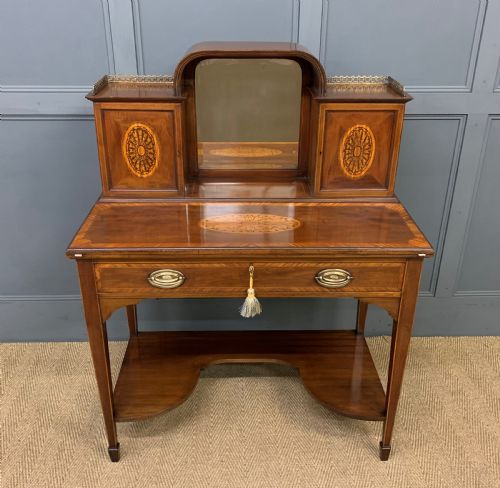
An antique bureau dressing table brings together fitted writing compartments and grooming surfaces in timber such as mahogany, walnut, and satinwood.
Antique Bureau Dressing Table
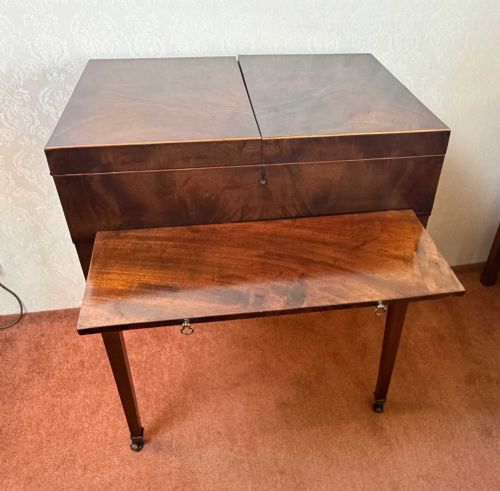
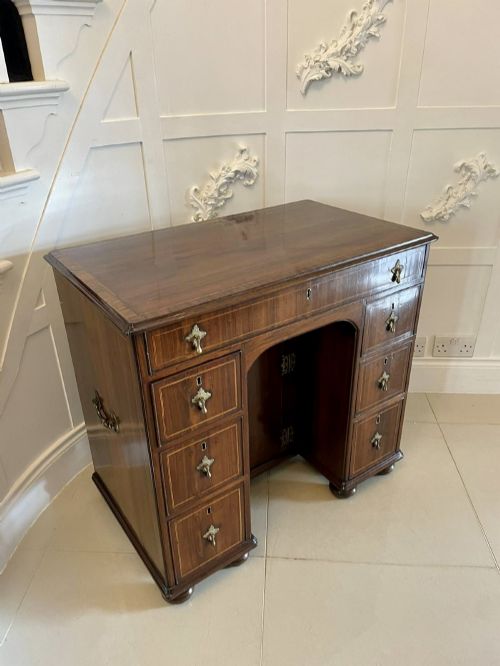
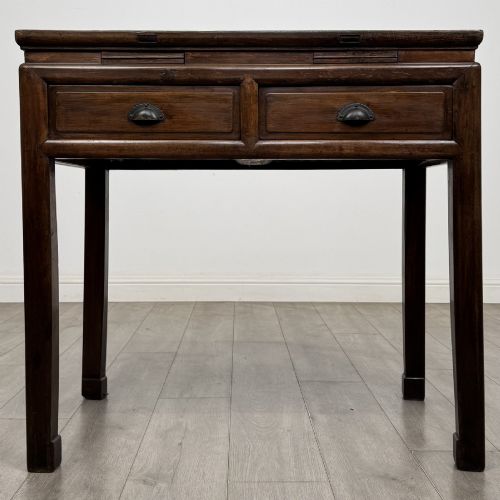
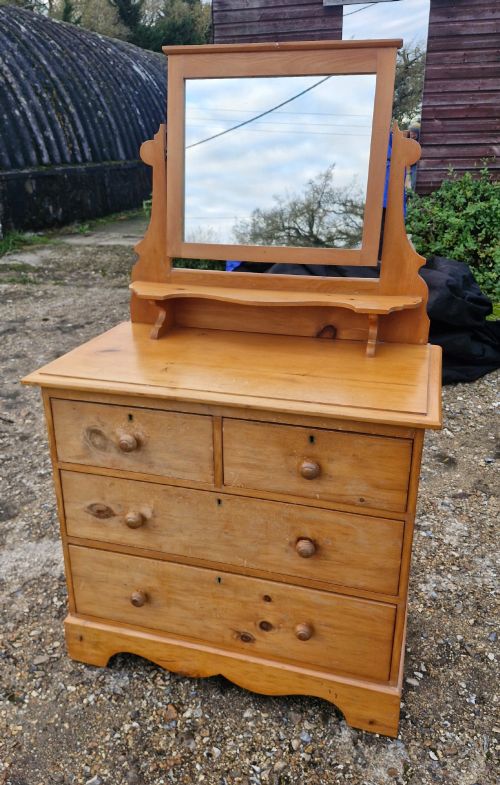
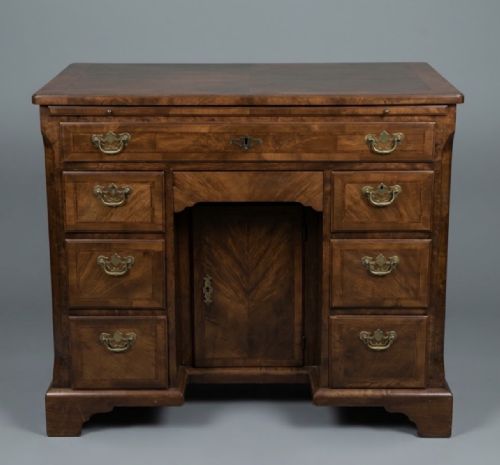
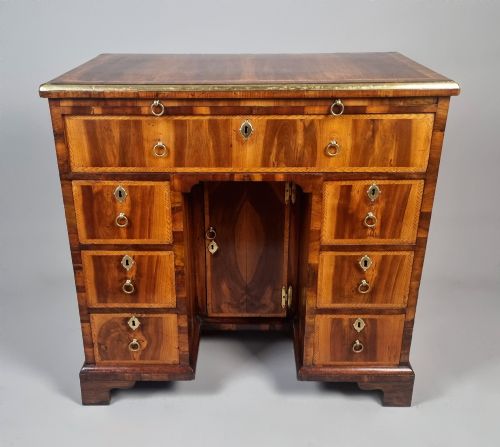
When you search for an antique bureau dressing table, you encounter a crossover of forms including kneehole desks, writing tables, and dressing chests from the eighteenth century to the twentieth century. These pieces combine drawers, pull-out slides, and compartmented top sections intended for both correspondence and personal grooming.
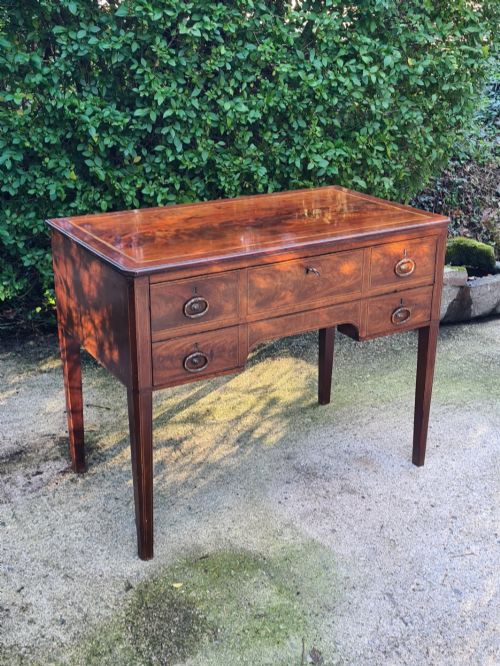
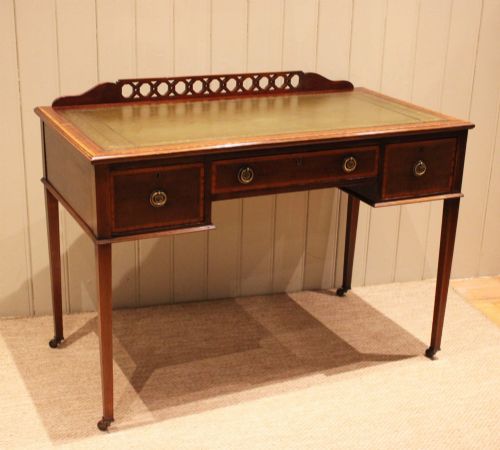
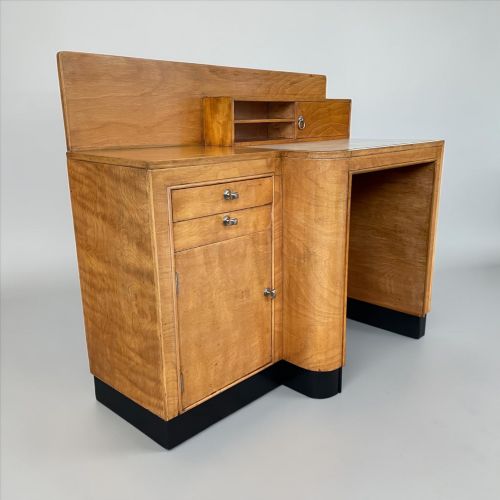
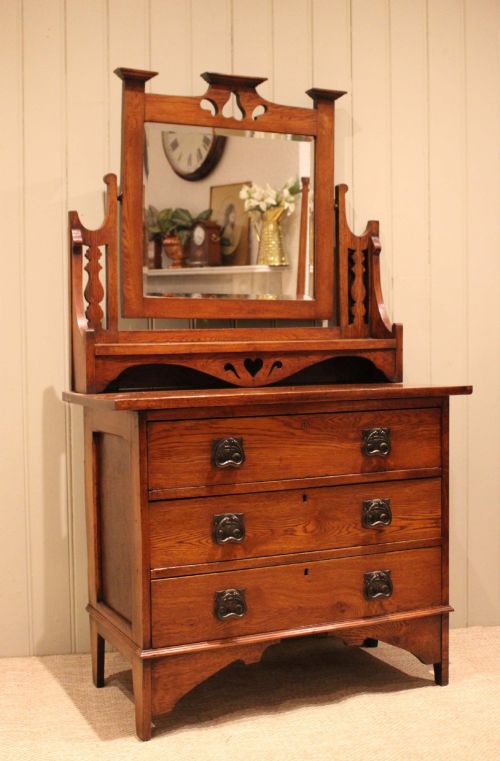
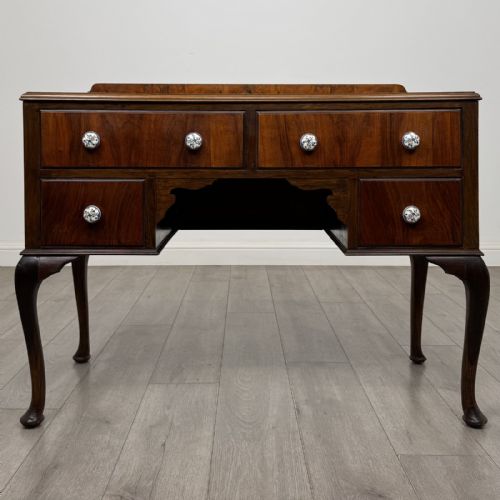
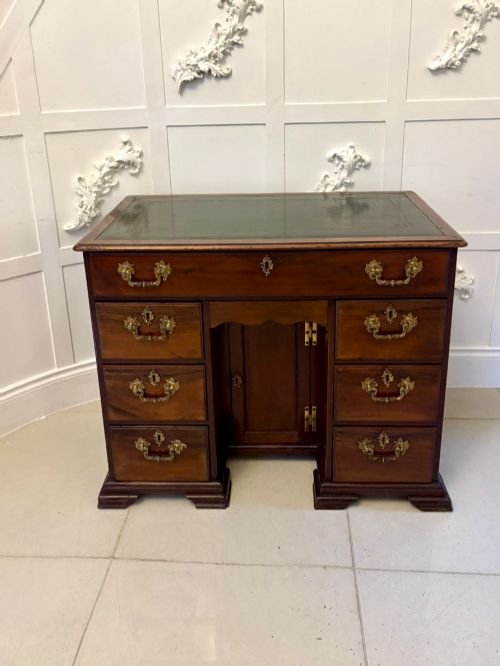
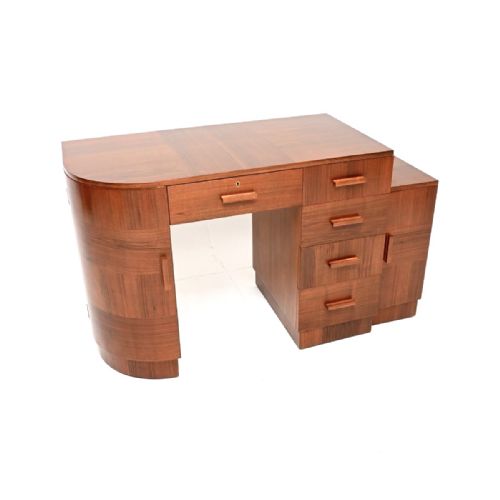
The versions most common on this page span Georgian and Edwardian periods, alongside Art Deco and Victorian iterations in mahogany, walnut, and oak. Many examples integrate brass hardware and inset leather writing surfaces into compact pedestal or table formats.
Materials and construction methods
Cabinet makers utilised dense hardwoods like mahogany, walnut, oak, and satinwood, often applying burr walnut or marquetry veneers to primary display surfaces. Solid timbers formed structural carcases, drawer linings, and internal partitions.
Fittings include cast brass handles, escutcheons, and glass elements paired with tooled leather inserts for writing surfaces. Traditional joinery secures the joints, while hand-carved details and inlaid stringing finish the exterior.
Antique Bureau Dressing Table Retail Price Guide 2026
Typical asking prices for bureau dressing table among the pieces listed under this phrase on Sellingantiques today, from the lower quarter to the upper quarter. They describe what is for sale here now, not the wider market.
Listings feature periods spanning from the early 18th century through the Georgian and Edwardian eras up to Art Deco 1930 designs.
Distinctions in craftsmanship
Quality rests in the selection of figured timbers, such as burr elm or highly grained walnut, matched symmetrically across drawer fronts and top panels. Superior pieces display precise dovetail joinery in the drawer construction and retain original brass hardware.
John Staples·Maple and Co·Edwards and Roberts·Wylie and Lochhead Glasgow
The Antique Bureau Dressing Table Glossary
- Kneehole desk
- A compact desk featuring a central recessed space for the legs, flanked by pedestals of small drawers. This form frequently doubles as a dressing table with fitted top drawers.
- Marquetry
- Decorative patterns formed by the insertion of different woods, veneers, or other materials into a veneer background. It adorns the top surfaces and drawer fronts of many writing tables.
- Bonheur du jour
- A light lady's writing desk featuring a small set of drawers and shelves on the upper surface. These pieces often serve double duty for correspondence and personal grooming.
- Escutcheon
- A flat plate of brass surrounding a keyhole to protect the surrounding wood. Original hardware contributes to the integrity of older furniture.
- Pull-out slide
- A secondary wooden board that extends from the frame to provide temporary extra workspace. They appear above drawer tiers on desks and dressing chests.
Antique Bureau Dressing Table: Frequently Asked Questions
How do I identify a Georgian kneehole desk?
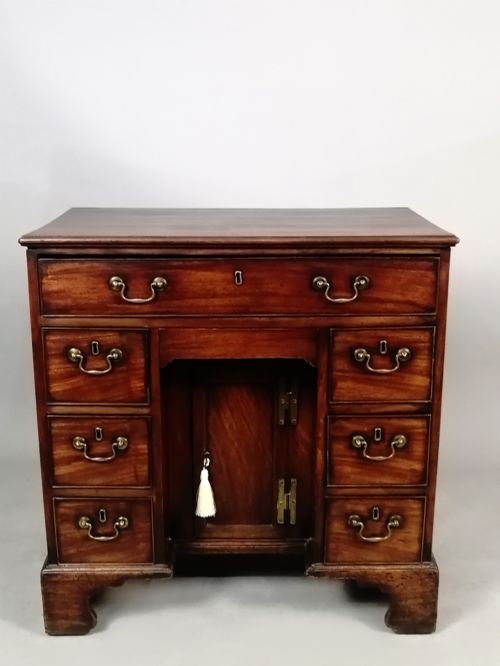
Georgian kneehole desks date from the eighteenth century and are typically constructed from figured walnut or mahogany. They feature a central recessed cupboard flanked by small drawers and rest on bracket feet.
Examination of the drawer linings and internal construction reveals hand-cut dovetails and oak or pine secondary timbers consistent with the period.
Were these pieces used for writing or dressing?
Many examples served dual functions, accommodating both correspondence and personal grooming through fitted interior compartments and pull-out slides. Bureau dressing tables and kneehole desks provided compartments for ink, paper, and cosmetics.
Writing tables and dressing chests often share similar proportions, with surface layouts adapting to the owner's daily requirements.
What is burr walnut?
Burr walnut is a timber taken from a growth or wart on a walnut tree, yielding complex, swirling grain patterns. Cabinet makers prized this wood for veneering prominent surfaces like desk lids and drawer fronts.
Pieces utilising burr walnut date from various eras, including the early eighteenth century and the Art Deco period.
How do Edwardian pieces differ from Georgian ones?
Edwardian items frequently incorporate lighter satinwood inlay, painted decoration, and softer pine carcases alongside mahogany and walnut. They reflect revival styles while maintaining practical proportions for home offices and bedrooms.
Georgian furniture relies on heavier solid timbers, figured veneers, and proportion rather than surface painted ornament.