



Chippendale Style Vanity
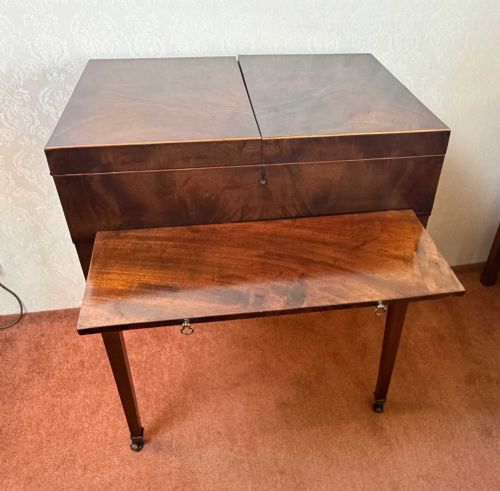
These chippendale style vanity pieces and related dressing furniture bring timeless Georgian elegance and rich mahogany character to any bedroom.
Chippendale Style Vanity
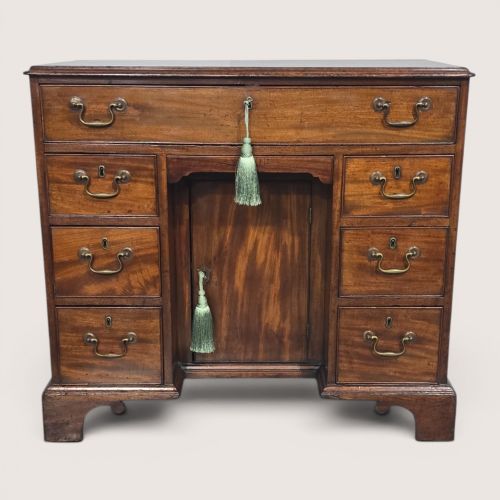
When searching for a chippendale style vanity, buyers encounter an array of period dressing tables, kneehole desks, and matching stools designed for the dressing room or bedroom.
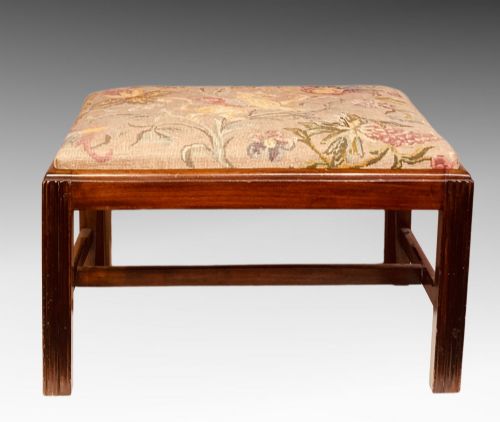
Stools and dressing chests dominate the selection, spanning from authentic 18th century examples through Victorian revivals up to the early 20th century.
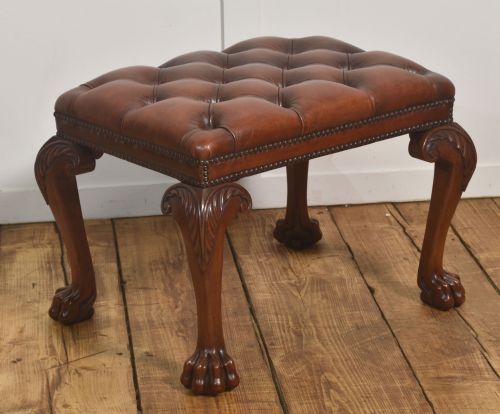
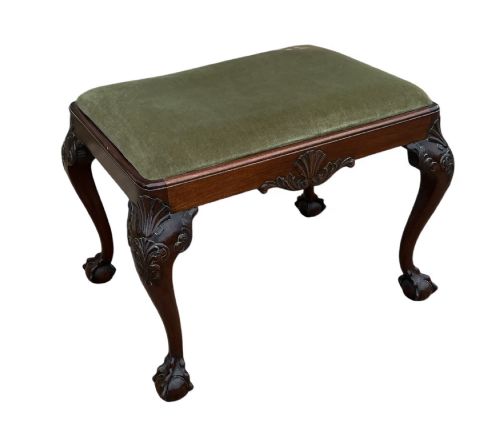
The aesthetic bridges functional morning room furniture with decorative arts, combining carved woodwork with upholstered seating in leather, damask, and velvet.
How They Were Made
Makers relied primarily on solid mahogany and walnut, utilising rich grain patterns like flame mahogany to bring depth to desks and table surfaces.
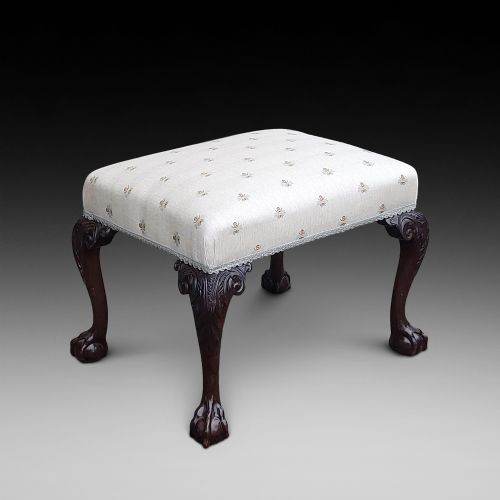
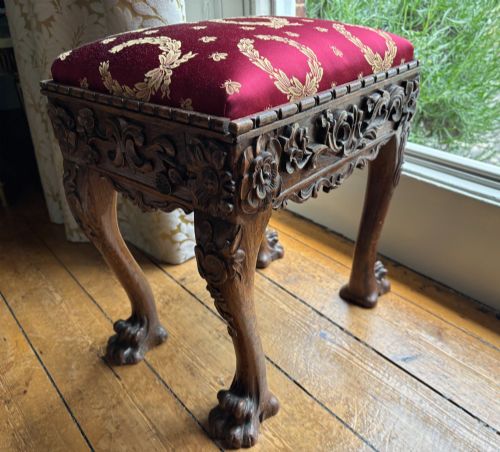
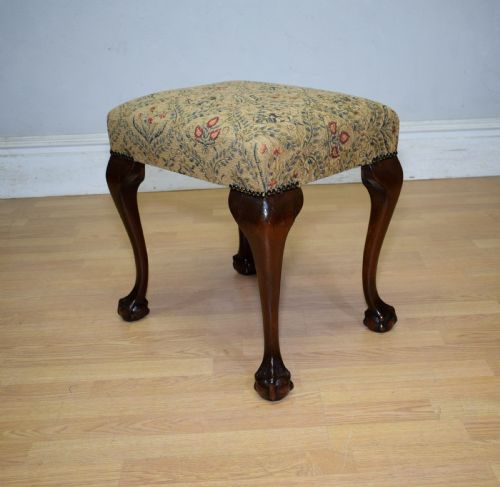
Carving, fret-cutting, and cabriole legs define the construction, while seating elements integrate brass hardware and traditional textile upholstery such as damask and velvet.
Chippendale Style Vanity Retail Price Guide 2026
Typical asking prices for chippendale style vanity among the pieces listed under this phrase on Sellingantiques today, from the lower quarter to the upper quarter. They describe what is for sale here now, not the wider market.
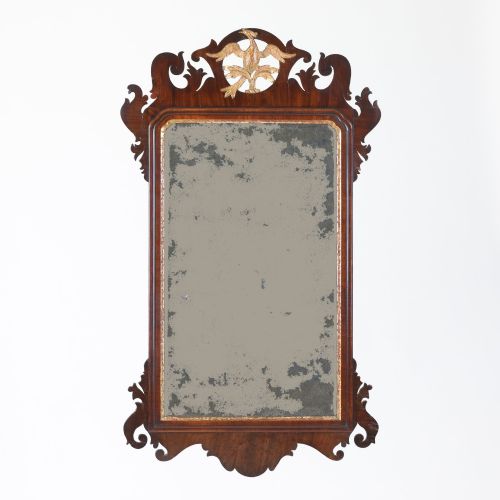
Keep an eye out for the elusive Ho-ho bird perched within fret-cut mirror frames, bringing a touch of 18th century whimsical chinoiserie to your morning routine.
What Varies in Quality
The crispness of the woodcarving separates everyday revival pieces from finer interpretations, particularly along the knees of cabriole legs and the fret-cut edges of mirrors.
The choice of secondary timbers and the depth of the mahogany grain dictate the overall visual weight and presence of the furniture.
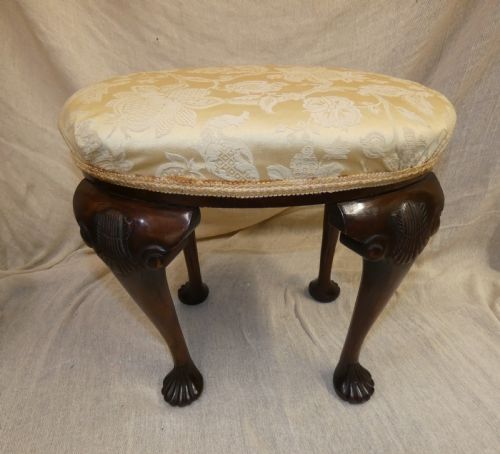
Upholstery execution and the selection of textile grades, from plain fabric to patterned cream damask, reflect the care put into the seating elements.
The Chippendale Style Vanity Glossary
- Cabriole leg
- A furniture leg that bends outward and tapers downward to a foot, common in Georgian and revival designs. This form mimics animal limbs and adds fluid movement to heavy timber stools.
- Fret-cut
- Wood pierced with decorative patterns using a fine saw, often seen on mirror frames and desk galleries. This technique creates intricate openwork designs without weakening the structural frame.
- Damask
- A reversible figured fabric traditionally woven on a jacquard loom with patterns visible on both sides. It provides a formal, textured upholstery finish for period dressing stools.
- Kneehole desk
- A compact writing table featuring a central recess for the legs flanked by pedestals of drawers. These pieces served as early dressing stations or private writing desks.
- Flame mahogany
- Timber cut from the fork of the mahogany tree to produce a distinctive flickering flame pattern. Cabinet makers used these highly figured veneers on prominent drawer fronts and tabletops.
Chippendale Style Vanity: Frequently Asked Questions
What is a chippendale style vanity?
A chippendale style vanity encompasses dressing tables, desks, and accompanying stools inspired by the 18th century designs of Thomas Chippendale. These pieces often feature carved cabriole legs and rich mahogany timber.
They serve both functional dressing purposes and decorative roles within bedrooms or morning rooms, bridging Georgian practicality with ornamental carving.
How do I date a mahogany stool?
Dating requires examining the construction methods, tool marks on the underside, and the style of the carving. 18th century originals differ subtly in timber shrinkage and joinery from 19th century or Edwardian revivals.
Secondary woods and the style of the upholstery webbing also offer strong clues regarding the exact decade of manufacture.
Where were these pieces used?
Original pieces found placement in the private dressing rooms, reception halls, and morning rooms of substantial residences. They formed part of the daily routine for grooming and correspondence.
Today, buyers frequently place these dressing stools and tables in modern bedrooms to add period contrast and practical surface space.
What materials are typical?
Mahogany is the predominant timber found in these listings, often accompanied by walnut accents, brass hardware, and glass mirror plates. Upholstery fabrics range from plain leather to decorative velvet and damask.
Giltwood also appears on specific wall mirrors associated with the broader dressing suite aesthetic.