


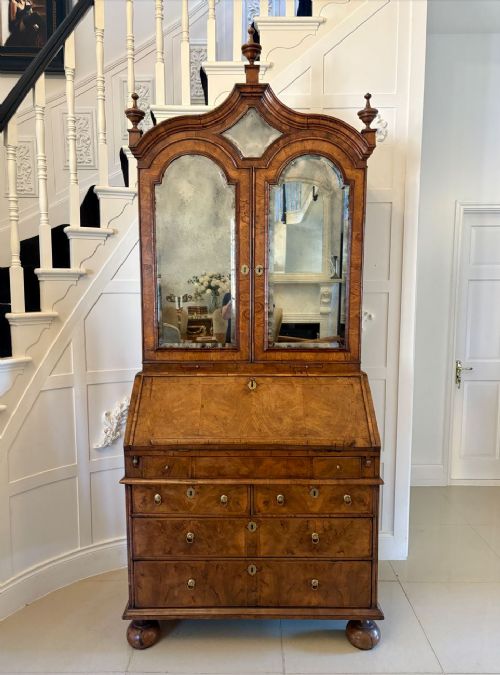
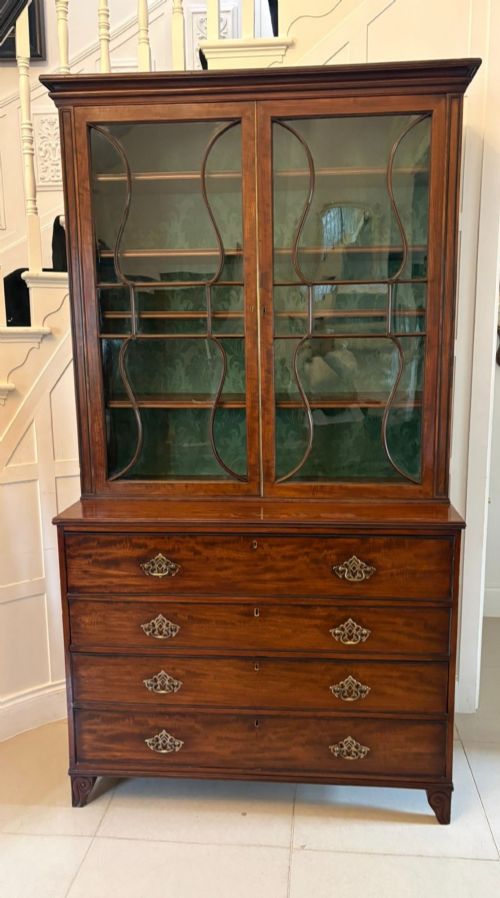
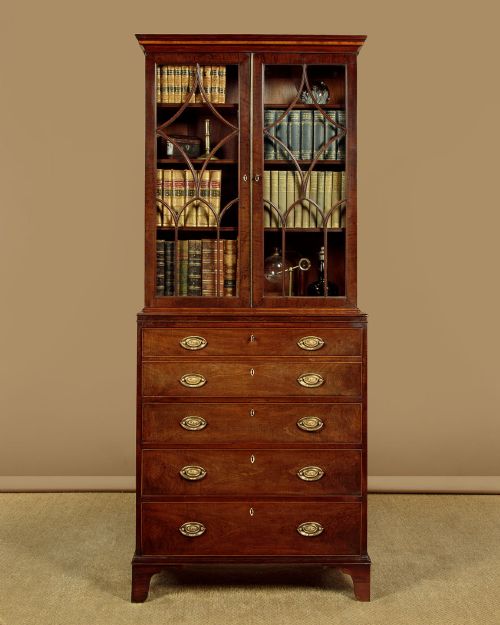
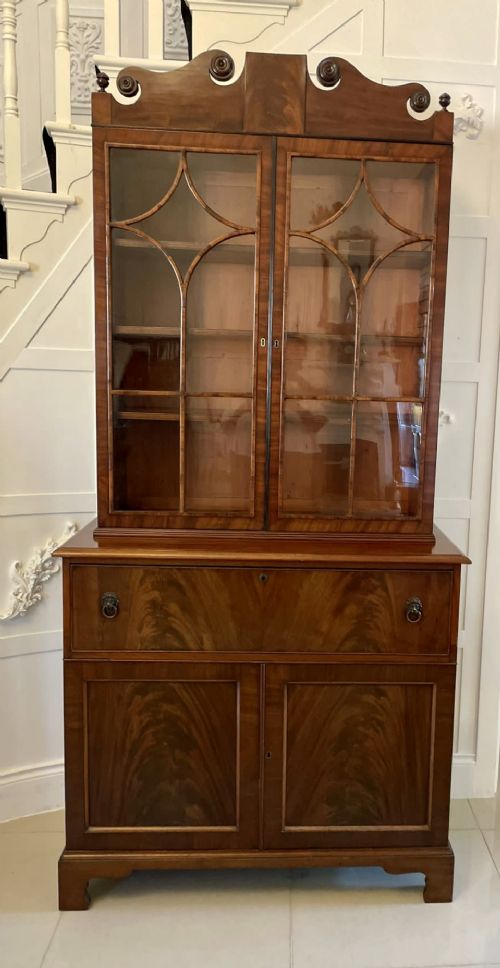
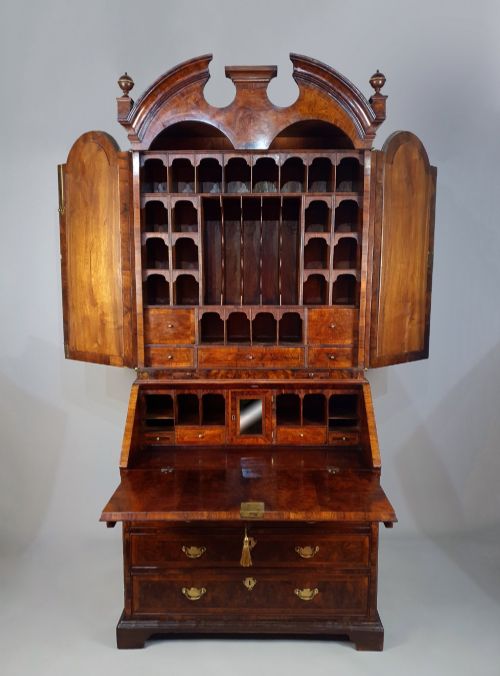
Antique Bureau Bookcase Cabinet
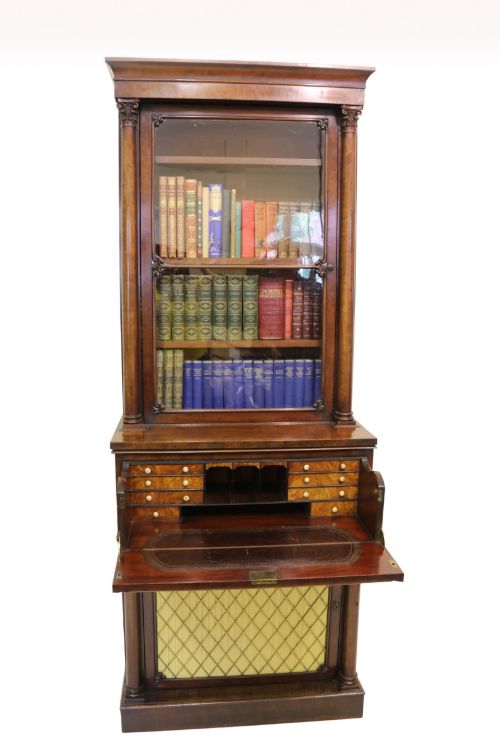
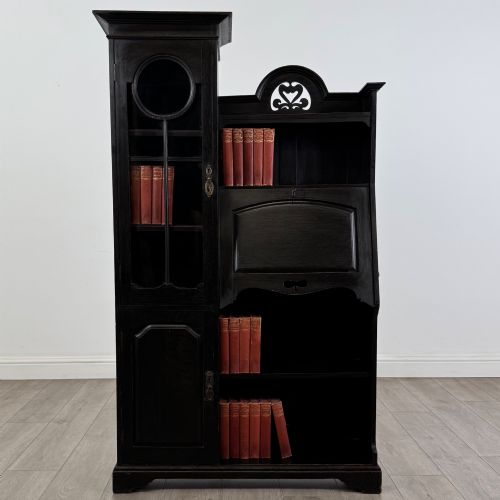
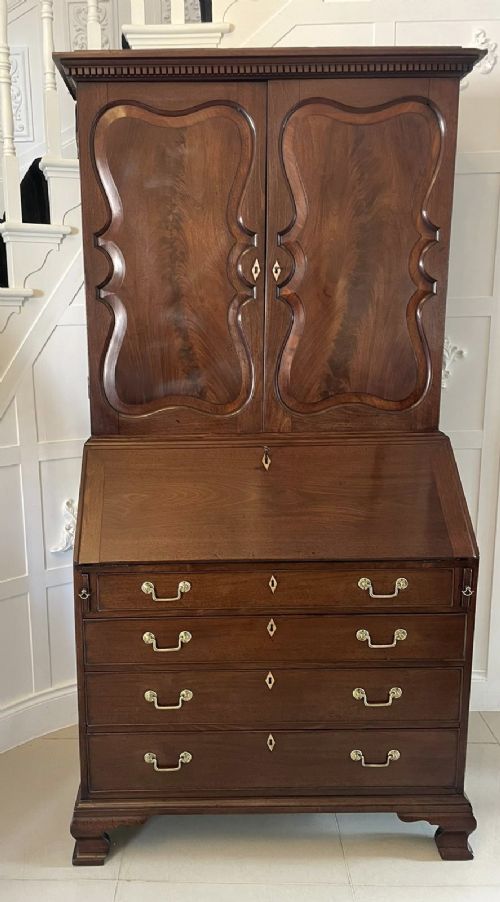
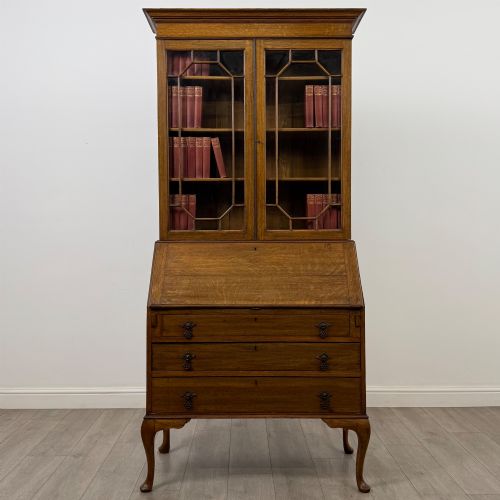
An antique bureau bookcase cabinet combines a writing desk and a display shelving unit into a single tall form.
Antique Bureau Bookcase Cabinet
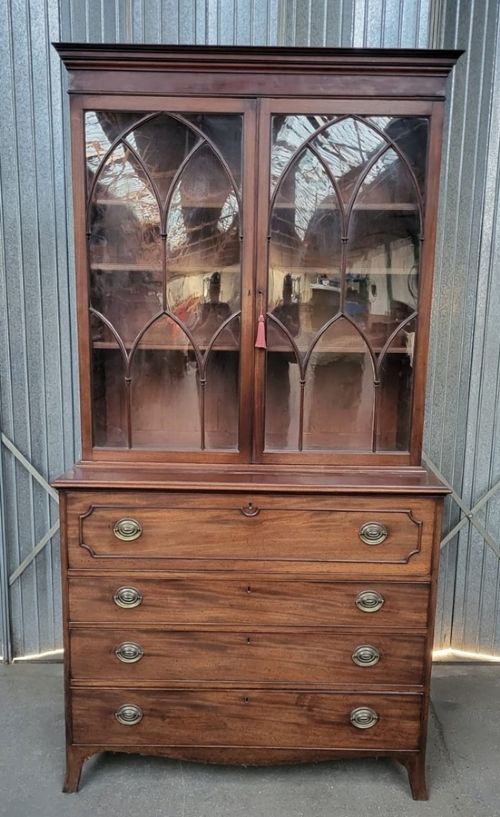
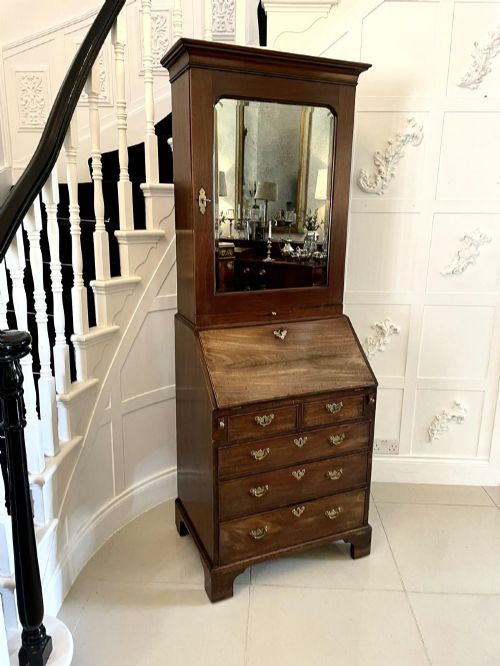
An antique bureau bookcase cabinet is a hybrid form comprising a lower writing desk section with a fall front or secretaire drawer and an upper glazed or panelled bookcase section. These pieces date across multiple centuries, appearing in periods from the 17th century through the 18th century, 19th century, and Edwardian eras.
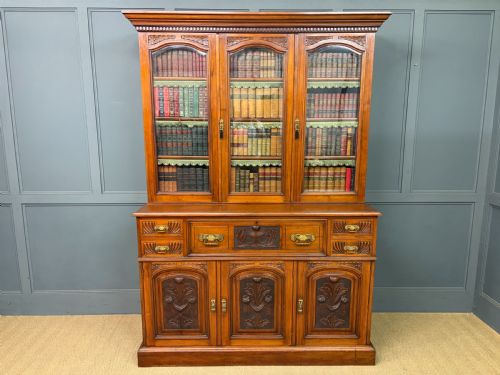
The most common versions met on this page are constructed from mahogany and oak, often styled in the Georgian, Regency, or Edwardian fashions. Buyers encounter variants ranging from tall three-section walnut examples to compact Edwardian satinwood or oak writing desks with upper shelving.
The form serves multiple domestic functions simultaneously, offering concealed pigeonholes and small drawers for correspondence behind a drop-down writing surface, paired with shelving above for the storage and display of books.
Materials and construction techniques
Cabinet makers utilised dense hardwoods including mahogany, oak, and walnut, frequently applying decorative veneers such as burr walnut, flame mahogany, and satinwood to the exterior surfaces. Solid timbers provide structural integrity for the heavy upper glazed shelving units and lower desk components.
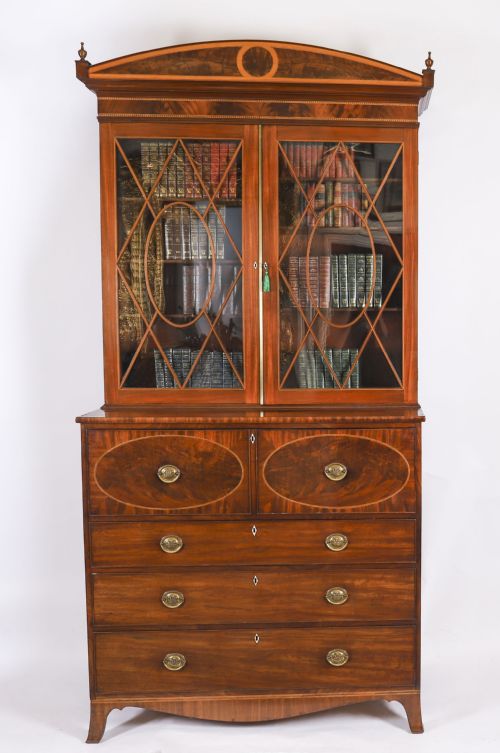
Joinery methods involve precise dovetailing for the internal drawers and sturdy framing for the doors, which often feature glass panes held within wooden lattices or leaded cames. Brass hardware, including drop handles and escutcheons, secures the drawers and fall fronts.
Surface ornamentation incorporates techniques such as marquetry, inlay, and featherbanding to accentuate the grain patterns of the wood, while interior fittings frequently include stepped drawers, secret compartments, and candle slides.
The documented periods span from the 17th century through the Georgian, Regency, Victorian, and Edwardian eras.
What separates the finest examples
The quality of an antique bureau bookcase cabinet depends upon the selection of timber and the precision of its decorative veneers. Figured mahogany, burr walnut, and matched grain patterns indicate a higher tier of craftsmanship than plain or unfigured timbers.
Construction details within the fitted interior dictate overall merit, separating standard production from superior cabinet making. Elaborate stepped pigeonholes, secret compartments, and finely cut brass or wood inlay demonstrate greater maker investment and skill.
Proportion and structural integrity define the architectural success of the piece, as taller three-section examples require precise balance between the upper glazed doors and the lower bureau base to maintain visual harmony.
Thomas Chippendale·George Oakley·Gillows
The Antique Bureau Bookcase Cabinet Glossary
- Bureau bookcase
- A tall furniture form combining a sloping-front desk with an upper shelving cabinet. It provides enclosed writing space alongside vertical book storage.
- Secretaire
- A piece of furniture containing a drawer that pulls out to reveal a writing surface and fitted interior. It disguises a desk as a standard chest or cabinet drawer.
- Featherbanding
- A decorative inlay technique using narrow strips of veneer laid in a herringbone pattern around the edges of panels. It frames the primary wood grain with contrasting lines.
- Candle slide
- A pull-out wooden board positioned beneath the upper cabinet doors to hold lighting. It provides illumination for the writing surface below.
- Glazed door
- A frame holding glass panes to enclose the upper bookcase section. It allows the contents of the shelves to be viewed while protected from dust.
Antique Bureau Bookcase Cabinet: Frequently Asked Questions
How do I use a bureau bookcase?
The drop-down front or pulling drawer opens to reveal a fitted interior with small drawers and pigeonholes for writing materials.
The upper glass doors swing open to provide shelved storage for books and display items.
What woods were used for these cabinets?
Cabinet makers utilised substantial timbers like oak and mahogany for structural strength and everyday durability.
Finer decorative pieces employed walnut, burr walnut, satinwood, and yew wood veneers with intricate inlay.
How can I tell the period of the piece?
Stylistic indicators such as bracket feet, cornice details, and specific wood veneers help distinguish 18th century examples from 19th century or Edwardian items.
Construction methods like dovetailing and internal drawer configuration provide further chronological clues.
Where were these cabinets placed in a home?
These pieces functioned primarily as study or library furniture for managing correspondence and housing personal book collections.
Their substantial height and dual storage purpose also suited main reception rooms and estate offices.