




Antique Buddhist Icon
These antique buddhist icon examples bring centuries of sacred craftsmanship into your home, spanning regional traditions from Tibet to Southeast Asia.
Antique Buddhist Icon
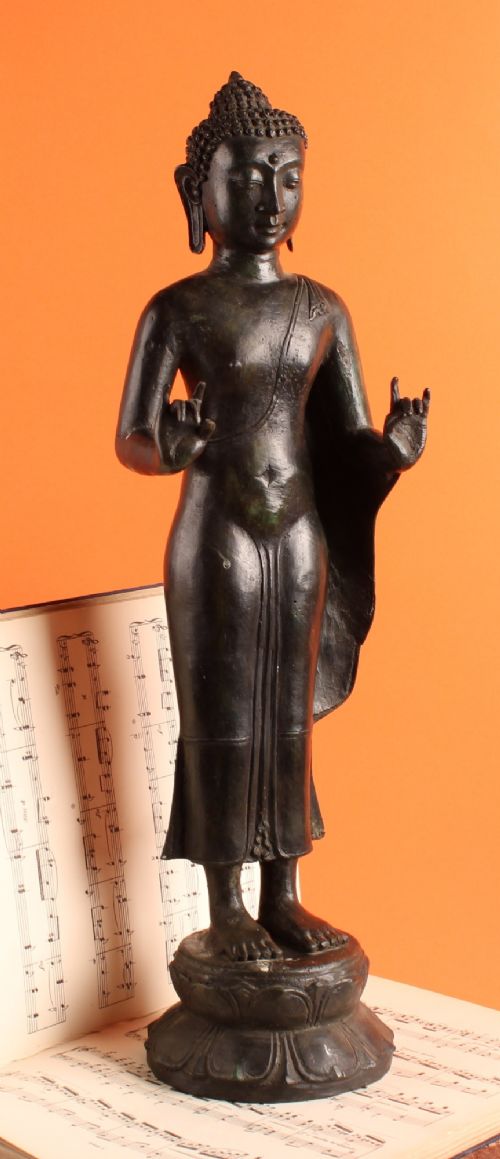
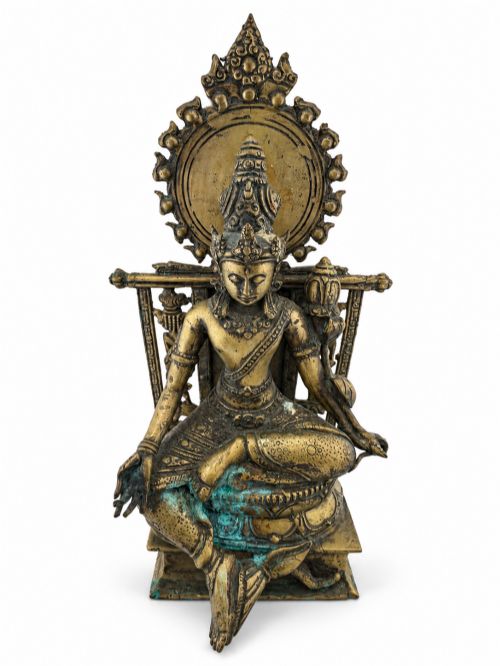
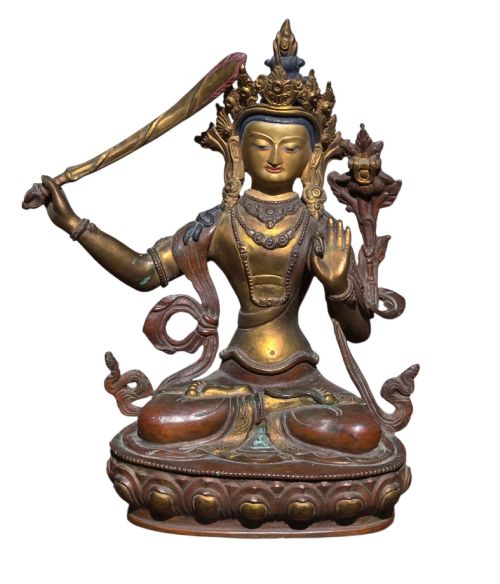
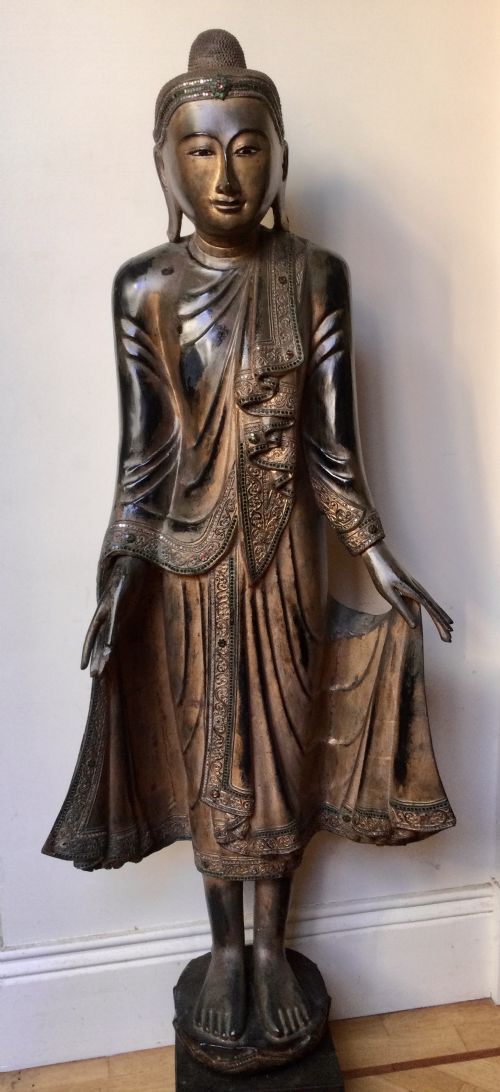
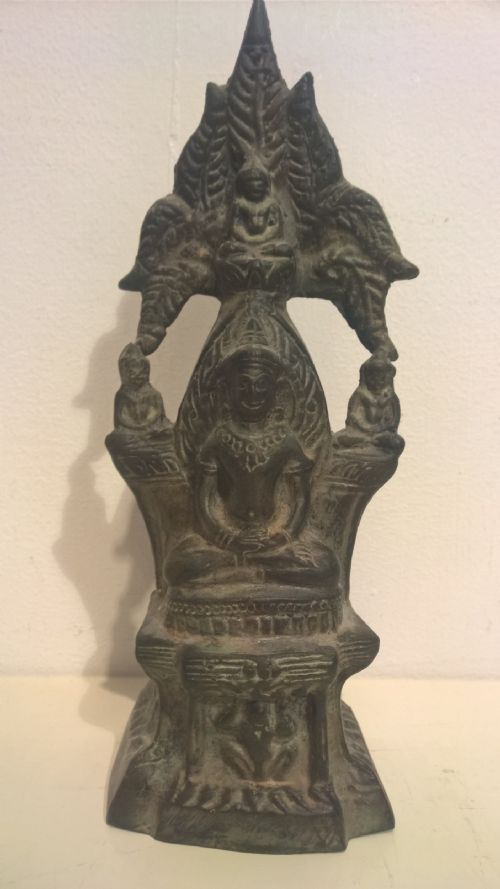
An antique buddhist icon represents sacred figures such as the Buddha, Green Tara, and Avalokiteshvara across diverse regional traditions including Tibetan, Sino-Tibetan, and Thai styles. These sculptures take the form of standing and seated figures, often displayed as shrine statues or temple deities.
You will most frequently encounter bronze and copper alloy figures dating from the nineteenth century, alongside earlier sixteenth and eighteenth-century examples. Forms range from polished solid bronze pieces to large statues finished with gilt and pigment.
How they were made
Makers utilised casting techniques to shape copper alloy, bronze, and gilt bronze into intricate deities and shrines. These metal sculptures often received surface treatments involving gold leaf, lacquer, and vermilion pigment.
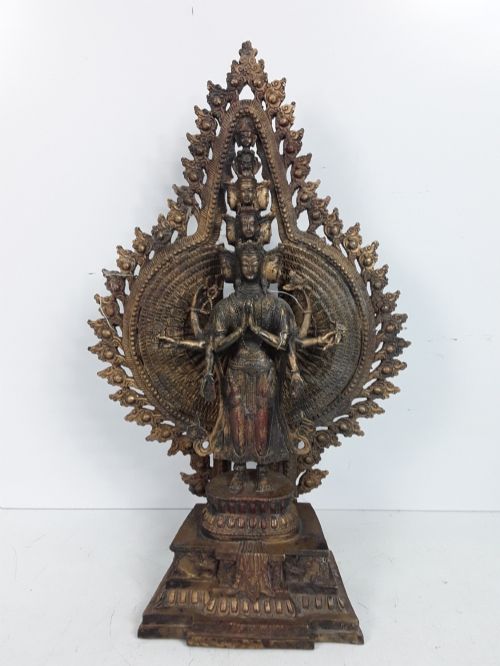
Eleven-headed deities watch from multiple angles simultaneously.
What varies in quality
The sophistication of the casting and the crispness of the chased details distinguish finer works from simpler regional outputs. Proportion, facial expression, and the retention of original gilding or pigment heavily influence the character of each piece.
Surface preservation matters greatly, as patinated bronze and untouched traces of gold leaf or vermilion show the age and ritual handling of the icon.
The Antique Buddhist Icon Glossary
- Mudra
- A symbolic hand gesture used in Buddhist iconography to convey specific teachings or states of mind. Different mudras identify particular actions or qualities of the deity.
- Gilt bronze
- Metal cast with a thin layer of gold applied to the surface. This technique imparts a radiant finish that honours the sacred nature of the figure.
- Bodhisattva
- An enlightened being dedicated to helping others attain liberation. These figures are often depicted with elaborate ornamentation and crown details.
- Tara
- A female Buddha and meditation deity in Tibetan Buddhism associated with protection and compassion. Statues frequently portray her in serene meditative postures.
Antique Buddhist Icon: Frequently Asked Questions
What is an antique buddhist icon?
An antique buddhist icon is a sacred sculpture or statue depicting the Buddha, bodhisattvas, or deities like Tara and Avalokiteshvara. These figures were created for devotion and shrine worship.
They appear in materials such as bronze, copper alloy, and wood, originating from traditions across Tibet, Thailand, Burma, and Java.
What materials were used?
The listings show metalwork predominantly in bronze and copper alloy, sometimes enhanced with gilt, gold leaf, and vermilion pigment. Wood is also utilised for carved figures.
Surfaces often feature lacquered finishes, patinated brown tones, or remnants of ancient pigments applied during ritual preparation.
How should I display one?
These icons suit stable surfaces away from direct sunlight and fluctuating humidity to protect delicate metal patinas, gilding, and pigments. Placing them in a dedicated space honours their sculptural and cultural presence.
Ensure larger statues, such as the substantial nineteenth-century bronzes, rest on secure furniture capable of supporting their weight.