




Antique Buddhist Bronzes
These antique buddhist bronzes range from small household shrine figures to large temple statues cast across centuries in Asia.
Antique Buddhist Bronzes
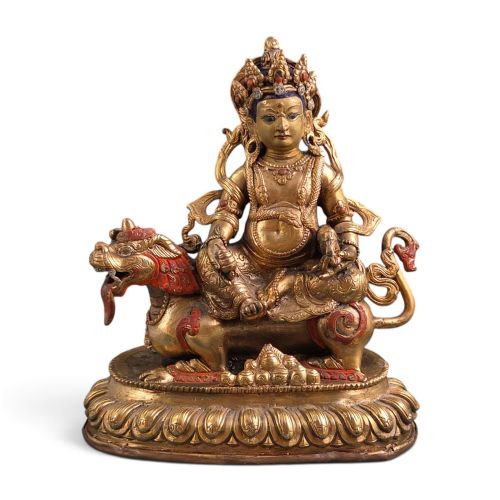
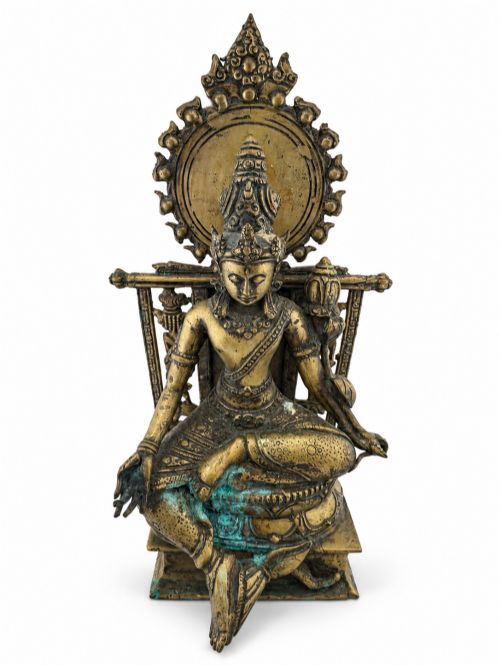
When you search for antique buddhist bronzes, you encounter cast metal figures, ritual vessels, and temple implements spanning many regions and periods. The selections on this page concentrate heavily on nineteenth-century pieces alongside earlier examples from the sixteenth century and before.
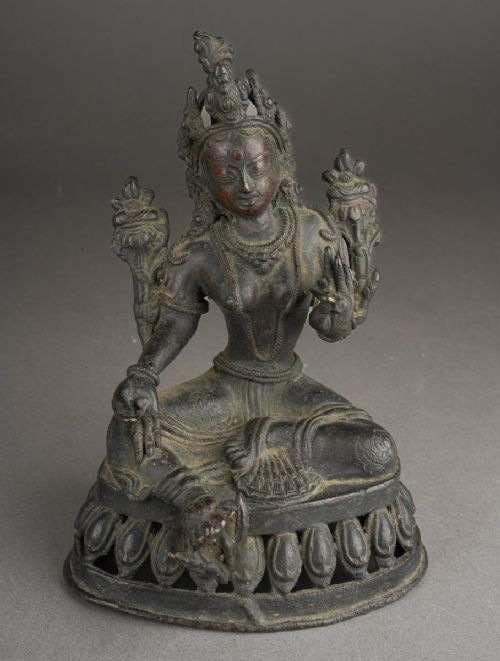
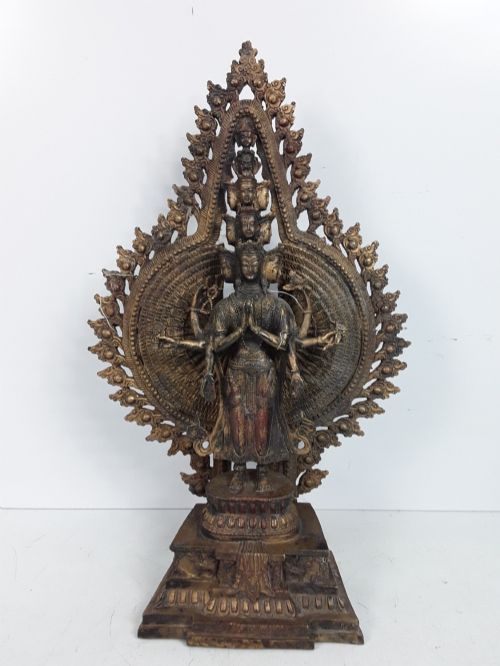
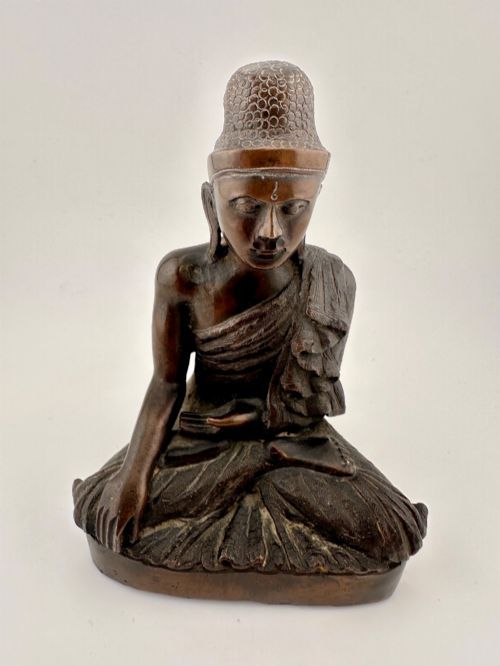
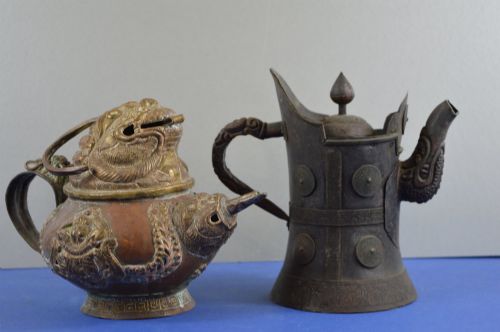
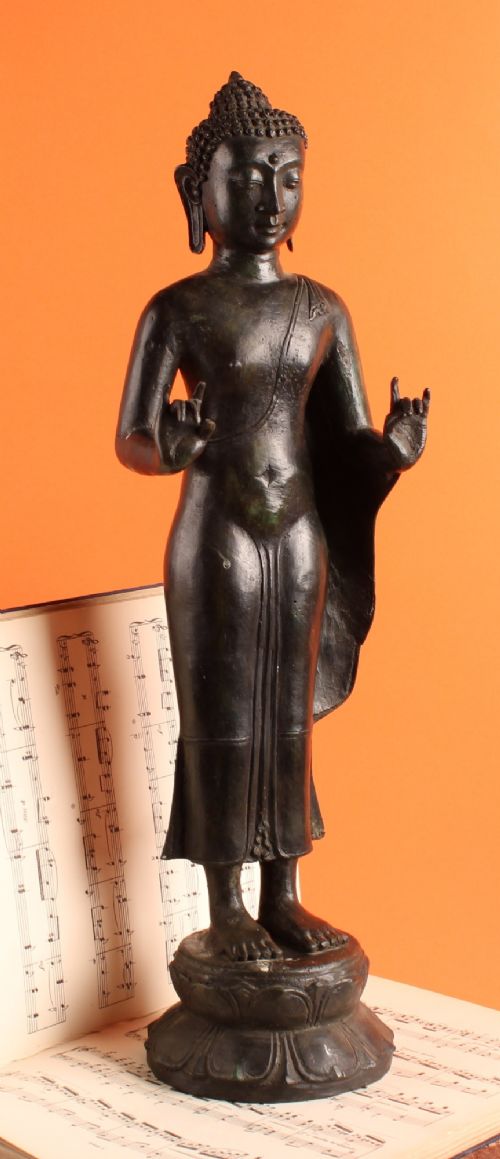
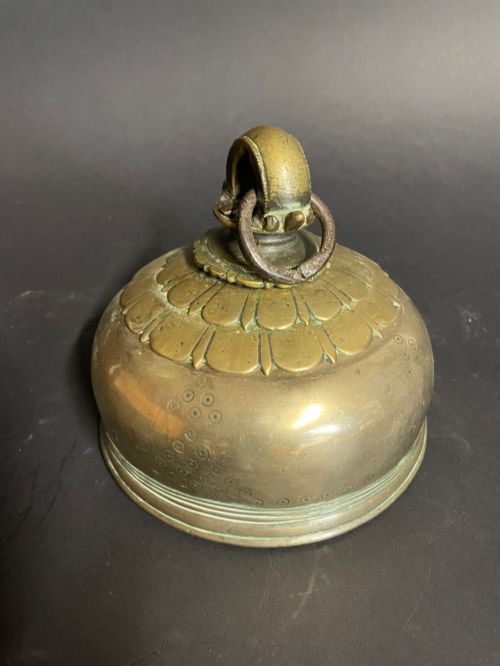
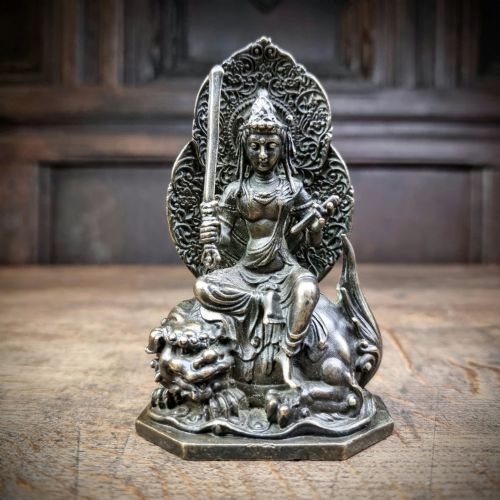
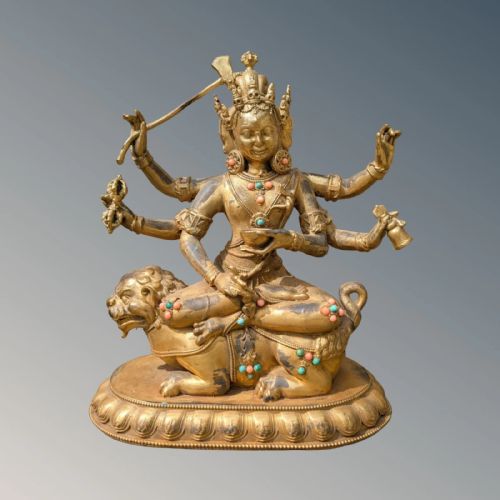
The sculptural forms include seated and standing Buddhas, multi-armed deities such as Avalokiteshvara and Tara, and fierce guardian temple lions. Alongside these figures appear ritual objects like incense burners, ceremonial ewers, and bells used in monasteries and shrines.
Materials and Casting
Secondary materials like wood and iron appear in specific functional pieces and okimono figures. Craftsmen chased and polished the metal after casting to sharpen the lines of mudras and lotus thrones.
Antique Buddhist Bronzes Retail Price Guide 2026
Typical asking prices for buddhist bronzes among the pieces listed under this phrase on Sellingantiques today, from the lower quarter to the upper quarter. They describe what is for sale here now, not the wider market.
Several heavy temple lions stand ready to guard your mantelpiece.
Casting Fidelity and Finish
Quality rests upon the crispness of the initial lost-wax casting and the depth of the subsequent chasing work on hands, faces, and garments. Superior examples retain fine facial proportions and clear iconography rather than softened details.
The preservation of original surface treatments, such as remnant gilding, patination, and traces of ritual pigment, distinguishes higher grade ritual objects from worn or later polished pieces.
Unno Shomin
The Antique Buddhist Bronzes Glossary
- Mudra
- A symbolic gesture or pose of the hands in Buddhist art. Specific positions denote teachings, fearlessness, or meditation.
- Gilt bronze
- Metal coated with a thin layer of gold using a mercury amalgamation technique. This finish remains stable and bright over centuries.
- Lost-wax
- A casting process where a wax model is melted from a clay mould to receive molten bronze. It permits high levels of sculptural complexity.
- Phurba
- A three-sided ritual dagger or stake used in Tibetan Buddhist rites to subdue spiritual obstacles. They often incorporate wrathful deity heads and complex pommels.
Antique Buddhist Bronzes: Frequently Asked Questions
How do I identify a Tibetan bronze?
Tibetan pieces often display distinct regional iconography, such as wrathful expressions, lotus bases with beaded borders, and specific bodhisattva attributes. The metalwork frequently incorporates fire gilding and cold gold treatments on the face.
Examination of the base plate, where present, reveals ritual sealing practices unique to Himalayan monastic traditions.
What is a Buddha mudra?
A mudra is a symbolic hand posture depicted on statues to communicate specific teachings, states of mind, or life events of the Buddha. Common examples include the earth-touching gesture and the gesture of meditation.
Recognising these hand positions helps date the piece and understand its intended ritual function.
How should I clean an antique bronze?
Antique bronzes require minimal intervention to preserve their historic patination and remaining surface pigments or gilding. Dusting with a soft, dry brush is generally sufficient for maintenance.
Avoid commercial metal polishes or liquids, as these strip away centuries of stable oxidation and destroy collector value.
Are these figures from temples?
Many larger sculptures and ritual vessels originated in monastic settings, household shrines, or village temples across Tibet, Burma, Thailand, and China. Architectural pieces like temple lions served guarding functions at sanctuary entrances.
Smaller figures were typically created for personal devotion and private household altars.