
Antique Brown Table
An antique brown table brings rich timber grain and centuries of domestic craft directly into a modern room.
Antique Brown Table
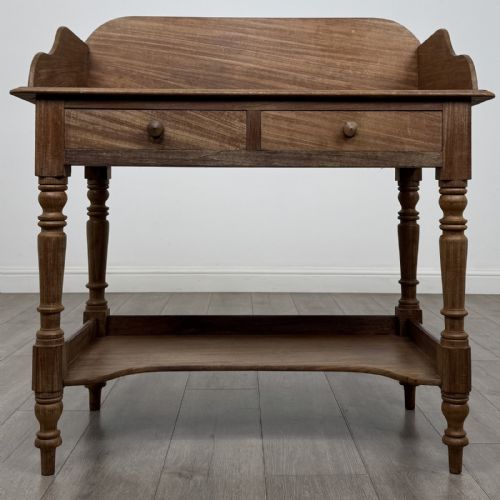
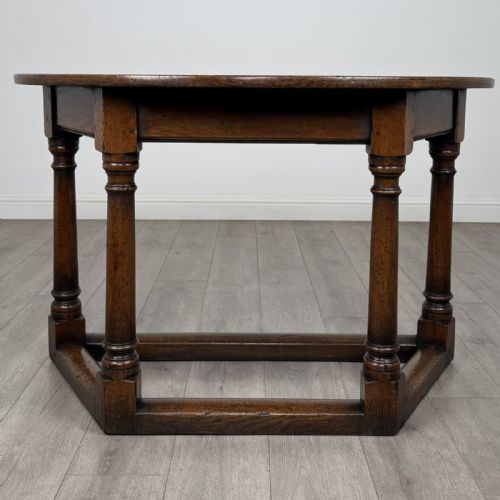
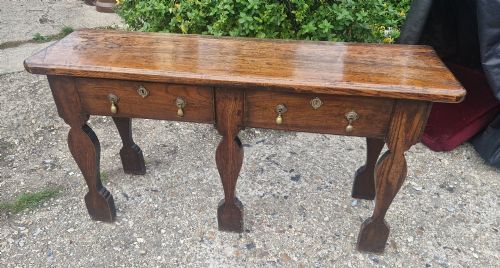
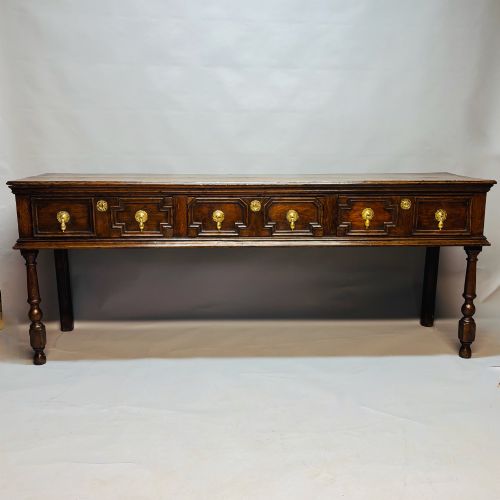
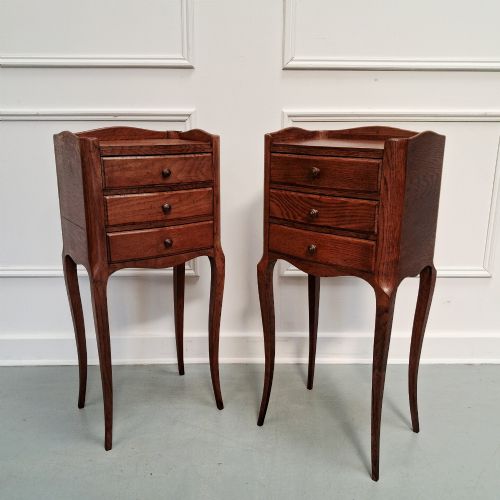
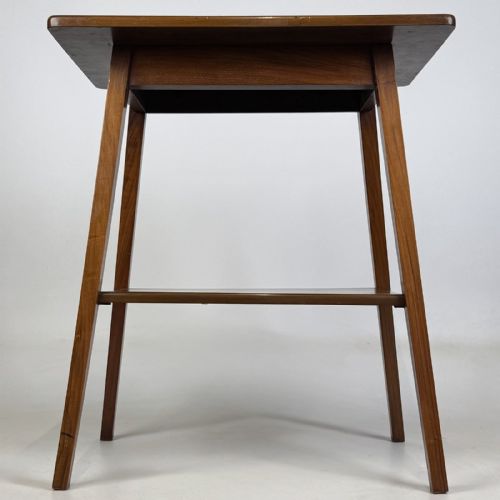
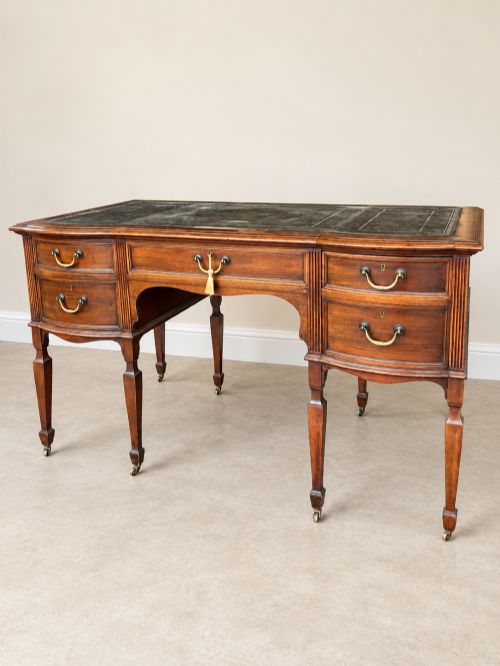
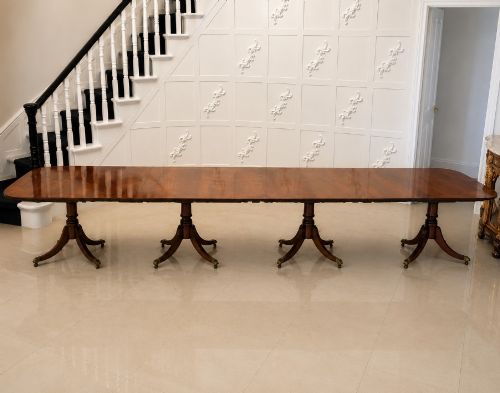
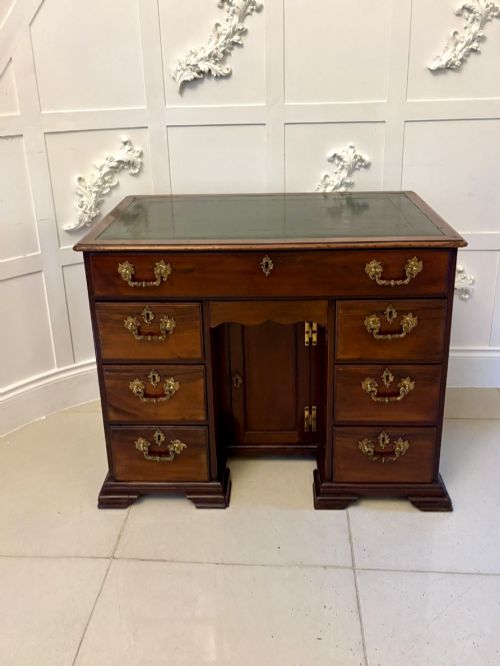
When you search for an antique brown table, you encounter a wide variety of domestic furniture fashioned from rich, dark woods spanning several distinct historical periods. These pieces serve practical functions as dining surfaces, writing desks, side tables, and bedside cabinets.
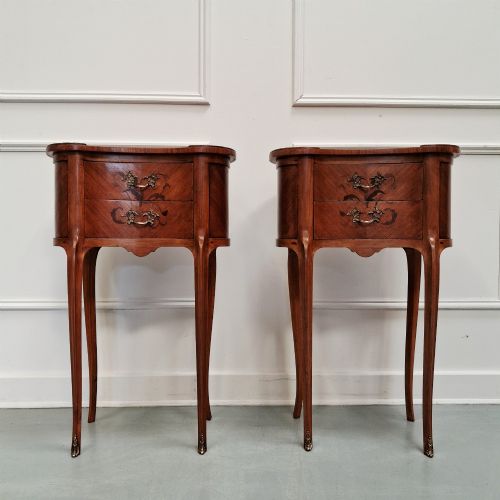
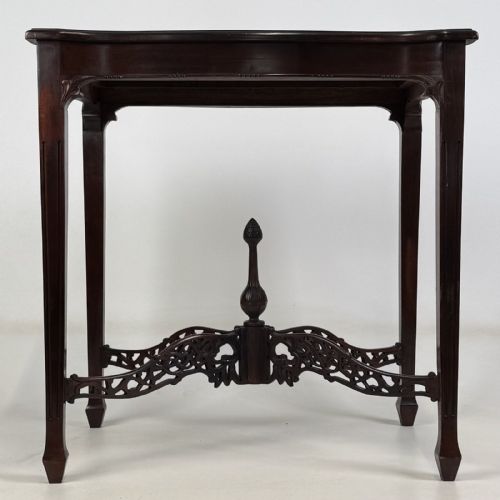
Origins stretch across British, French, and broader European workshops, encompassing formal formal drawing room pieces as well as robust country kitchen refectories. Each item carries the distinct structural vernacular of its specific period of manufacture, from the clean lines of the Regency era to the carved details of Jacobean revivals.
How they were made
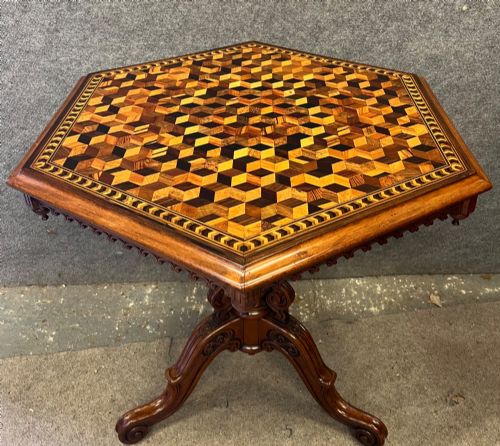
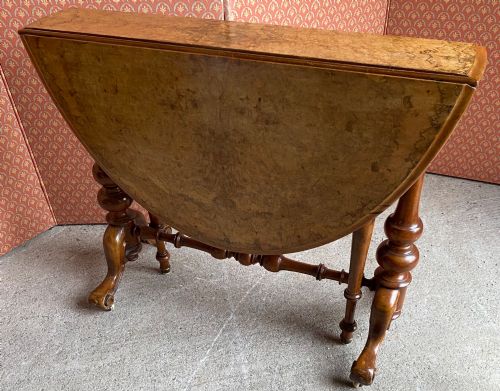
Timbers such as mahogany, oak, walnut, and rosewood form the primary structural and visual foundation of these pieces, often selected for strong grain patterns and deep natural colour. Cabinet makers utilised solid boards alongside figured veneers, burr walnut highlights, and delicate satinwood inlay to add visual contrast.
Construction techniques rely heavily on traditional joinery methods, including pegged mortise and tenon joints in earlier oak pieces and precise dovetailing within drawer boxes. Surfaces received hand-applied finishes of polish or wax that protect the timber while accentuating the underlying figure of the wood.
One clever piece hides a magazine compartment right inside its sturdy oak frame.
What varies in quality
The primary distinction at the top of the range lies in the selection of timber, such as highly figured mahogany or intricate burr walnut, paired with superior cabinet-making precision. Master craftsmen achieved greater harmony in proportions, crispness in carved details, and finer execution of inlaid decoration.
Lower tiers often show simpler secondary woods, heavier or less refined structural framing, and utilitarian replacement hardware. The integrity of the original construction, including untouched timber patination and smooth drawer movement, separates the finest survivals from heavily altered examples.
W. Walker and Sons London
The Antique Brown Table Glossary
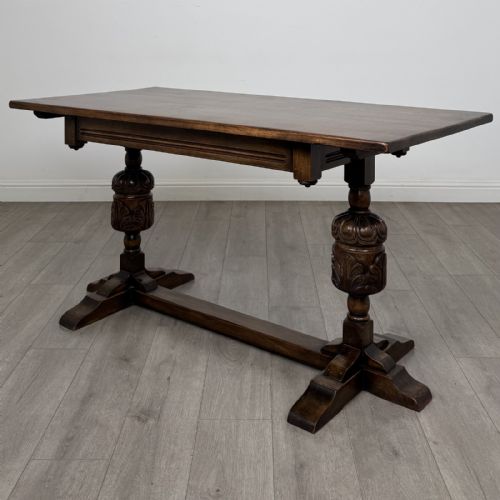
- Refectory table
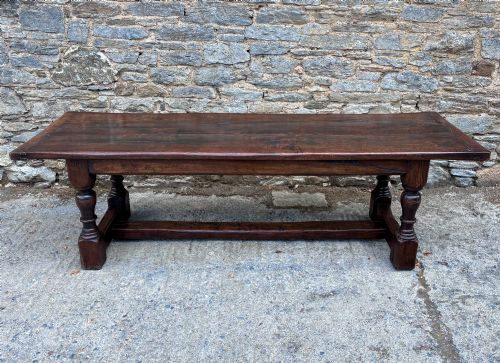
- A long, narrow dining table historically used in communal halls and later adapted for domestic kitchens. These heavy timber pieces typically feature strong stretcher bases for added stability.
- Bow front
- A convex, outwardly curved front facade commonly found on side tables and chests of drawers. This curved shape requires skilled joinery to bend or shape the solid timber and veneers.
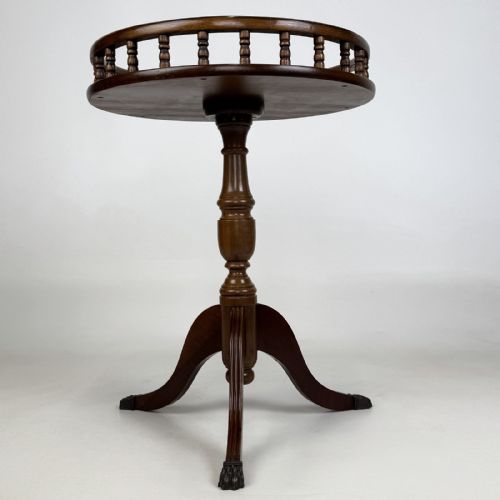
- Tripod table
- A small occasional or tea table supported by a central pillar above three spreading legs. Many examples feature a tilt-top mechanism for convenient storage against a wall.
- Marquetry
- The decorative craft of applying small pieces of veneer to a structure to form intricate geometric or floral patterns. Artisans select contrasting woods to create detailed pictorial designs on table tops and cabinet doors.
Antique Brown Table: Frequently Asked Questions
How do I identify a Georgian table?
Georgian tables generally display restrained classical proportions, solid mahogany or oak construction, and straightforward joinery without excessive ornamentation. Look for characteristics like hand-cut dovetails inside drawers and understated turned or tapered legs.
Later Victorian and Edwardian reproductions often introduce heavier carving or different secondary timbers that help distinguish them from eighteenth-century originals.
What is a refectory table used for?
A refectory table is designed as a large, sturdy surface intended primarily for communal dining. Their generous length and robust frame made them central to daily domestic life in large kitchens and halls.
In modern interiors, they function equally well as statement dining tables or large work surfaces.
How do I care for antique wood?
Protect antique wood surfaces by keeping them away from direct heat sources and strong sunlight, which can dry out the timber and fade the polish. Regular dusting with a soft, dry cloth maintains the finish without building up greasy residues.
Occasional application of traditional beeswax helps nourish the grain and preserves the historic patination.
What distinguishes Edwardian tables?
Edwardian tables frequently incorporate lighter woods, delicate inlaid stringing, and satinwood banding influenced by earlier Sheraton revivals. They often serve smaller domestic roles as lamp tables, plant stands, or nests of occasional tables.
The scale tends to be lighter and more portable compared to heavy Victorian or Georgian pieces.