


Antique Brown Stoneware Pottery
Antique brown stoneware pottery spans utilitarian jugs to decorative vessels produced across the eighteenth, nineteenth, and early twentieth centuries.
Antique Brown Stoneware Pottery
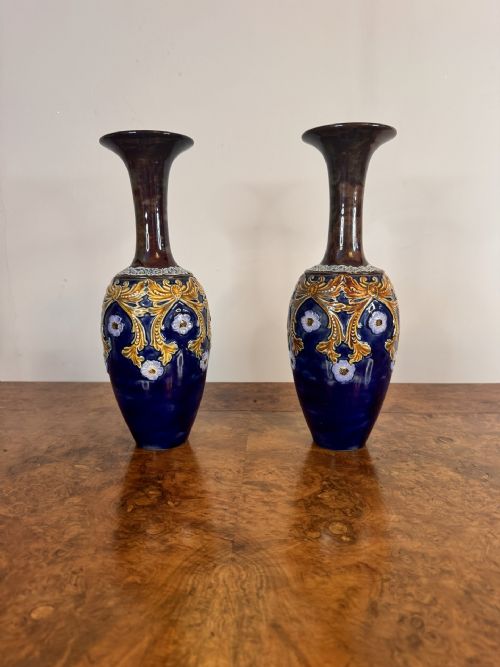
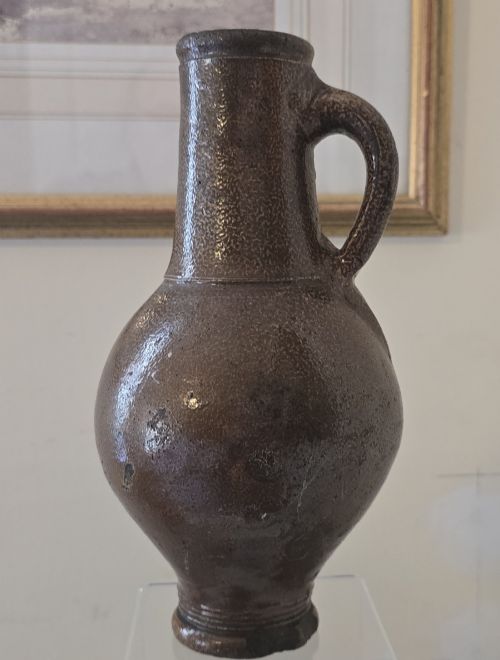
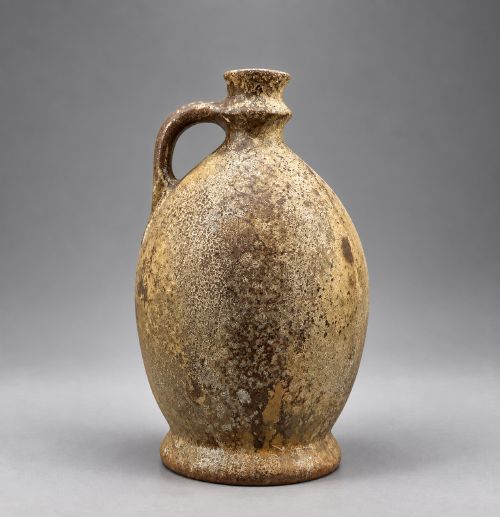
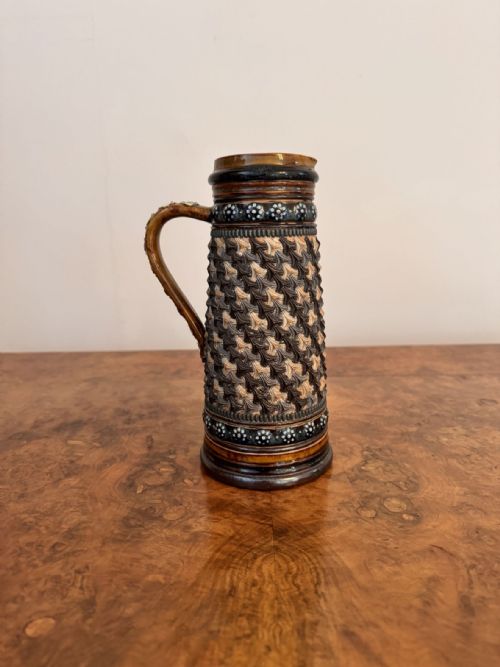
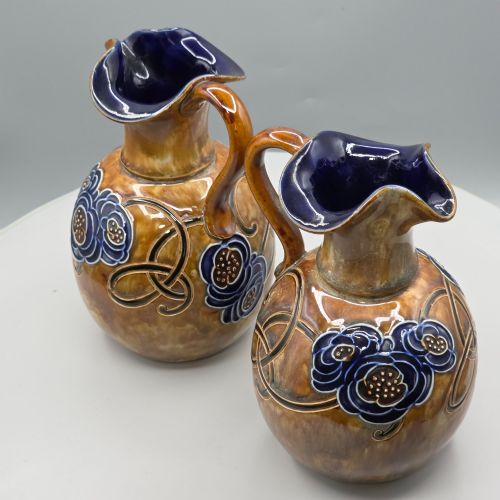
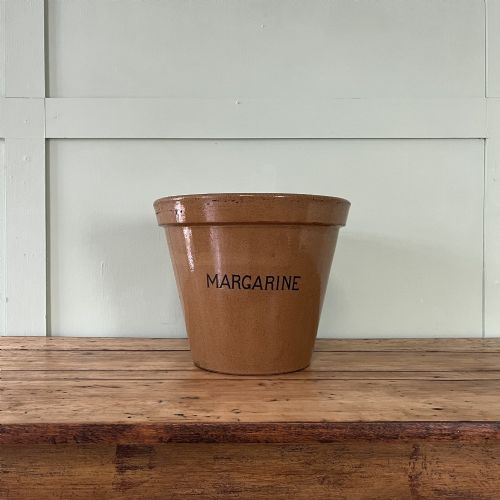
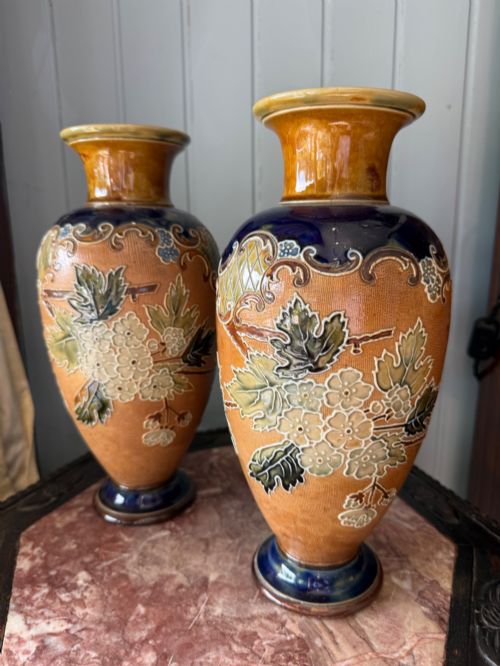
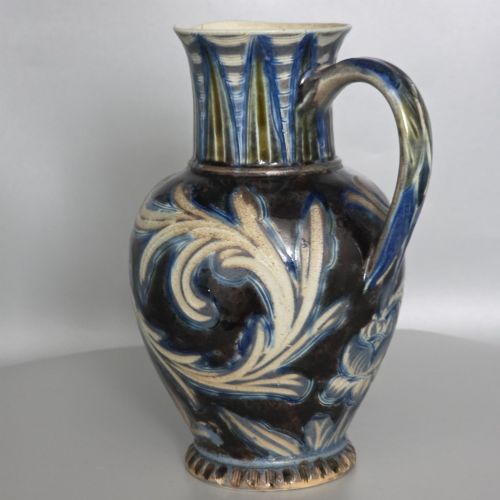
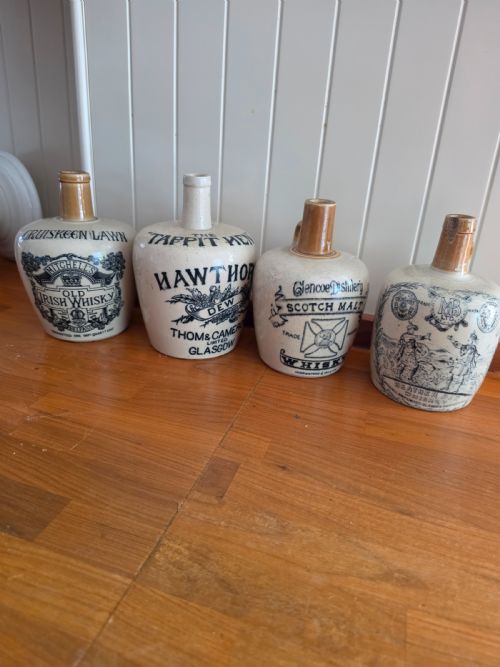
When searching for antique brown stoneware pottery, buyers encounter a diverse selection of utilitarian and decorative objects originating from British, European, and Asian workshops. The most common forms on this page include jugs, pitchers, storage jars, vases, and ewers produced during the Victorian and Edwardian eras.
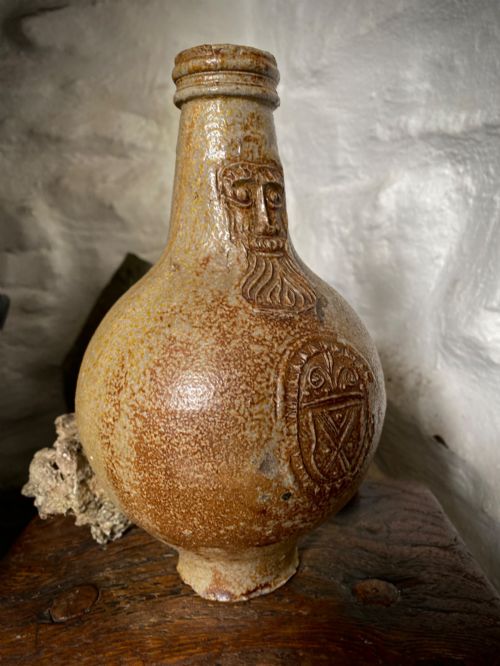
The selection ranges from heavy kitchen and tavern storage vessels to highly ornamented art pottery pieces created by major factories like Doulton Lambeth. Earlier examples date back to the eighteenth century, including German wine bottles and English slipware jugs with traditional forms.
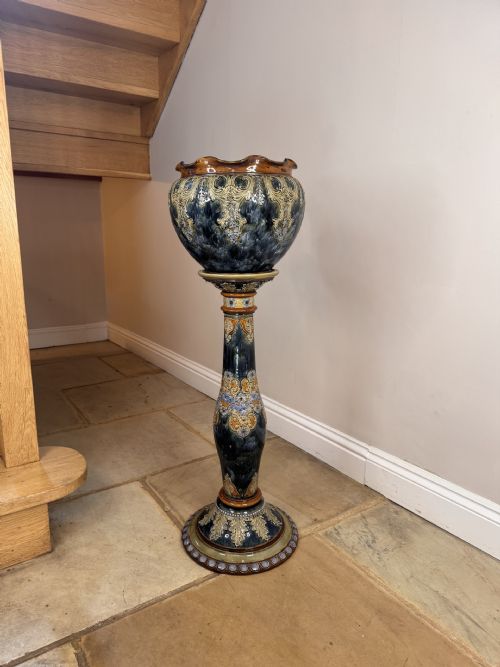
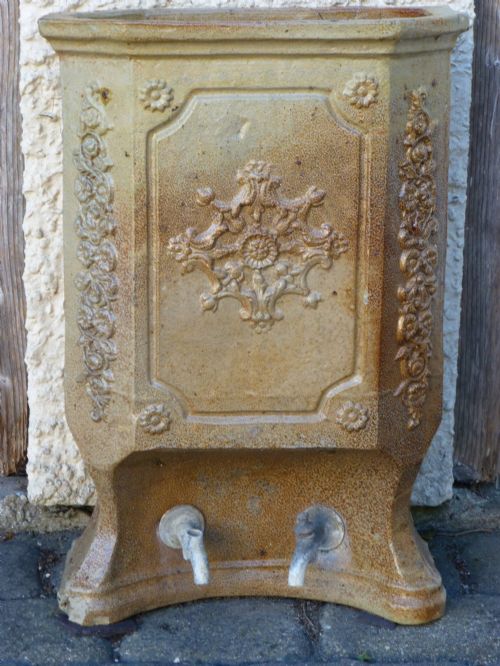
Functional items such as water filters, cooking dishes, and advertising flasks sit alongside purely decorative jardiniere planters and sporting jugs. Buyers often select these items for their robust materiality and historical utility in domestic or commercial settings.
How they were made
Potters shaped dense clay bodies on wheels or in moulds before firing them at high temperatures to achieve a vitrified, non-porous finish. Many vessels utilised salt glazing, where common salt thrown into the kiln during firing reacted with the silica in the clay to produce a characteristic pitted, orange-peel texture.
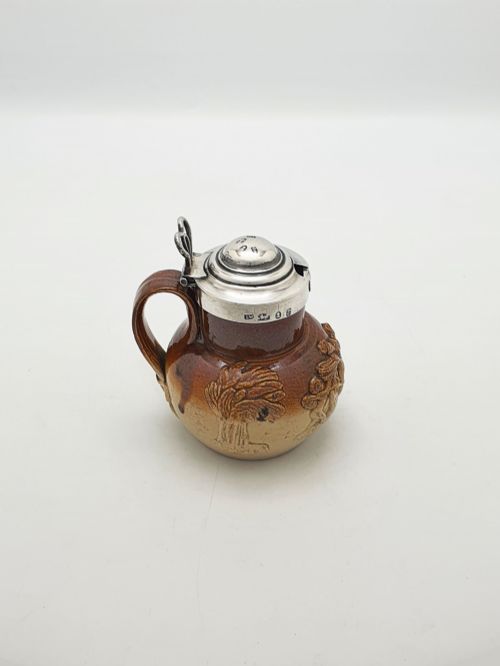
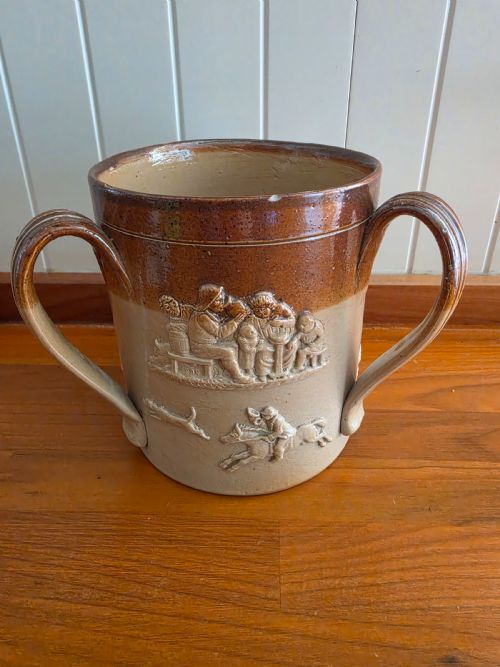
Surface decoration involved applied moulded reliefs, incised floral or botanical patterns, and rich brown glazes sometimes enhanced with enamel or slip. Certain pieces incorporate functional additions such as sterling silver collars, hinged lids, and metal spouts.
Antique Brown Stoneware Pottery Retail Price Guide 2026
Typical asking prices for brown stoneware pottery among the pieces listed under this phrase on Sellingantiques today, from the lower quarter to the upper quarter. They describe what is for sale here now, not the wider market.
Listings feature items spanning the eighteenth century through the Edwardian period, executed in glazed stoneware, salt glaze, and ceramic.
What varies in quality
The distinction between standard utility items and the top of the range lies in the crispness of the modelling and the ambition of the surface decoration. Factory pieces associated with named artists display finer hand-incised detailing, balanced proportions, and careful control over multi-toned brown glazes.
Utilitarian storage jars and flasks derive their appeal from honest signs of past service and robust, unpretentious form, whereas art pottery relies on artistic execution, originality of shape, and successful integration of styles like Art Nouveau or Arts and Crafts.
Royal Doulton·Doulton Lambeth·Mettlach Pottery·Sarreguemines
The Antique Brown Stoneware Pottery Glossary
- Salt glaze
- A finish created by throwing common salt into the kiln at the peak of high-temperature firing, producing a characteristic textured surface.
- Stoneware
- A heavy, dense ceramic fired at high temperatures until semi-vitrified and completely impervious to liquids without additional glazing.
- Slipware
- Pottery decorated with slip, a liquid clay mixture applied to the wet body before firing to create contrasting patterns.
- Jardiniere
- A large decorative ceramic pot or stand designed to hold a live plant or flower arrangement indoors.
- Tyg
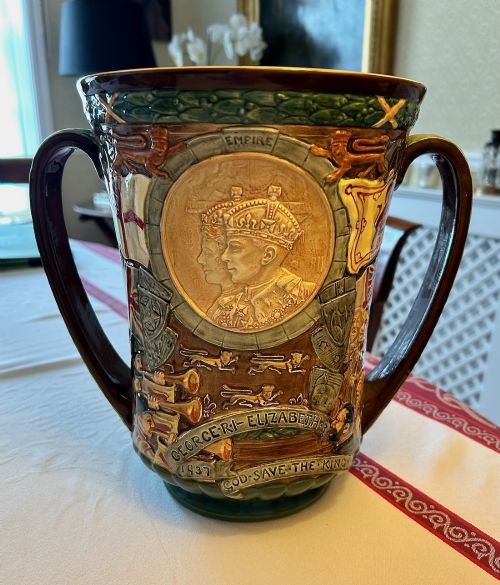
- A large drinking vessel featuring three or more handles, traditionally used for communal passing around a table.
Antique Brown Stoneware Pottery: Frequently Asked Questions
How do I clean antique stoneware?
Wash stoneware gently using warm water and a mild detergent with a soft cloth to protect the glaze and any applied decoration.
Avoid harsh scrubbing or soaking older pieces with porous bodies or metal mounts to prevent permanent damage.
Are these pots waterproof?
Most fired stoneware is naturally dense and holds water securely without leaking, making original jugs and vases practical for floral displays.
Items intended for dry storage or those with historical hairline cracks should be tested carefully before holding liquids.
How can I date an un-marked piece?
Examine the weight, handle attachment style, and glaze characteristics to align the piece with known period manufacturing techniques.
Standard utilitarian forms from the eighteenth and nineteenth centuries often display distinct tool marks and clay compositions characteristic of their era.
What is the difference between earthenware and stoneware?
Stoneware is fired at significantly higher temperatures than earthenware, resulting in a vitrified body that does not absorb water.
Earthenware remains porous unless completely covered in glaze, whereas stoneware achieves durability through the high-firing process itself.