

Antique Brown Pitcher
An antique brown pitcher is a functional vessel transformed by kiln and glaze into a tactile piece of history.
Antique Brown Pitcher
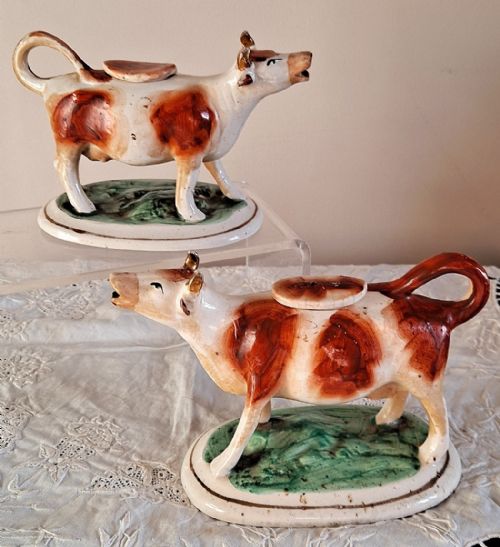
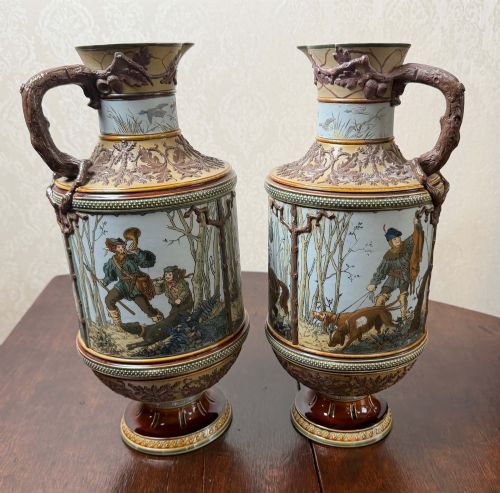
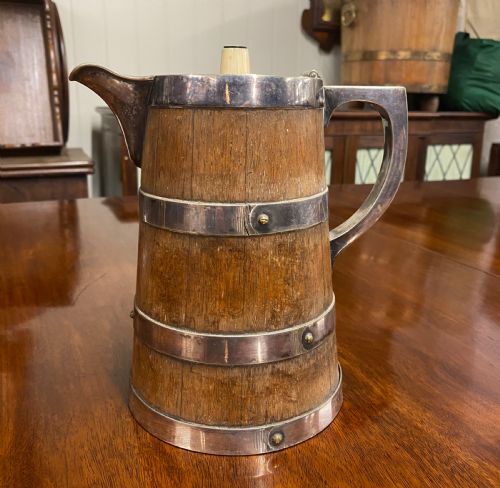
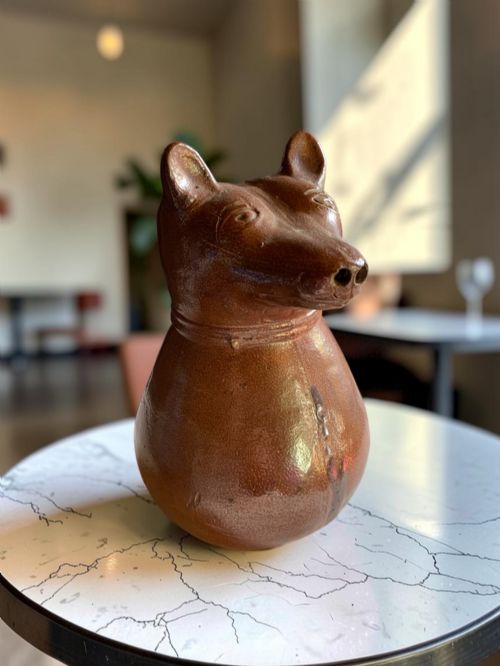
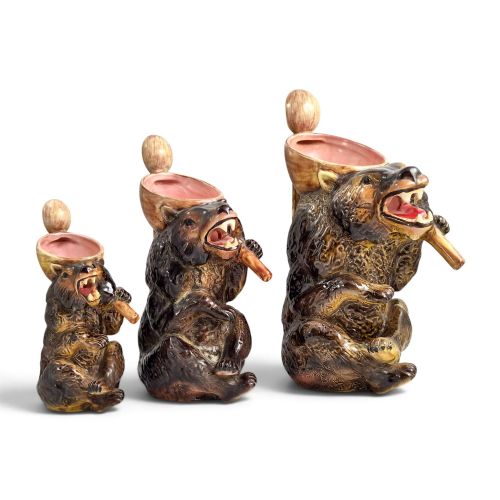
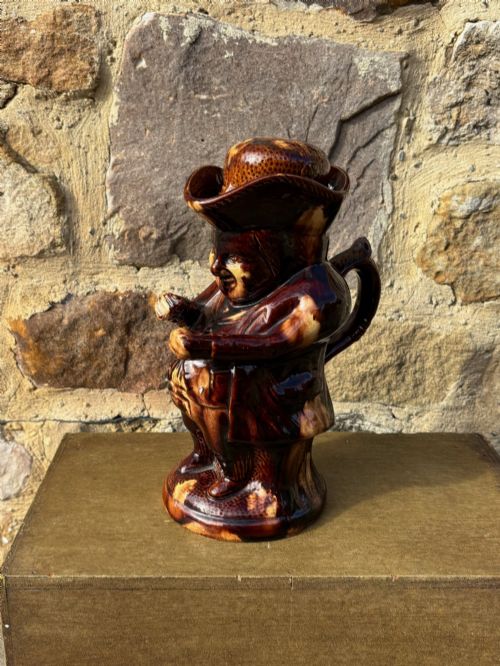
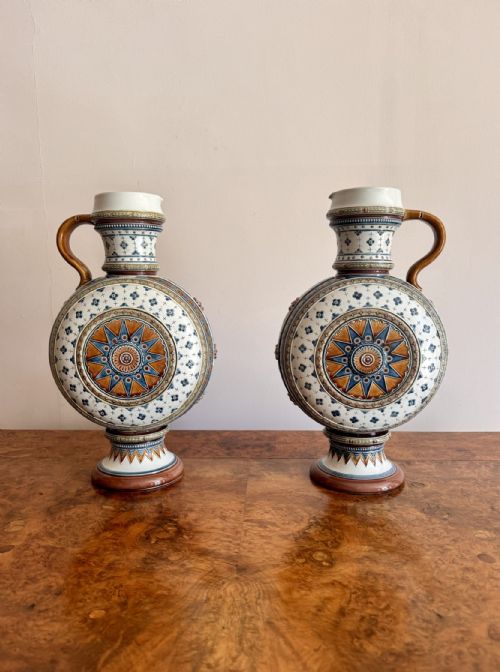
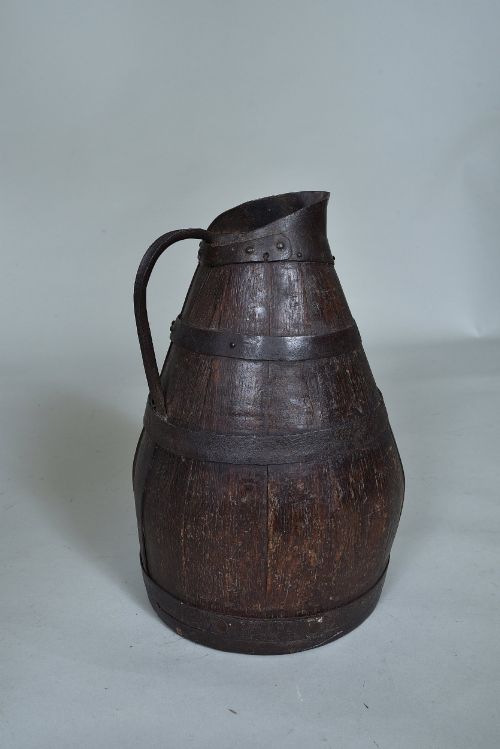
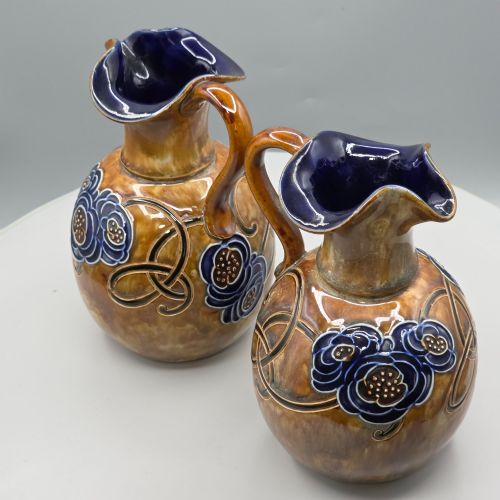
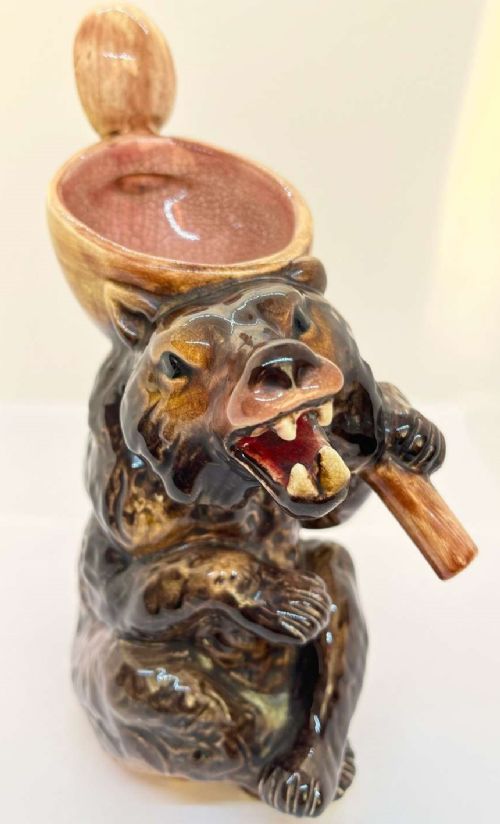
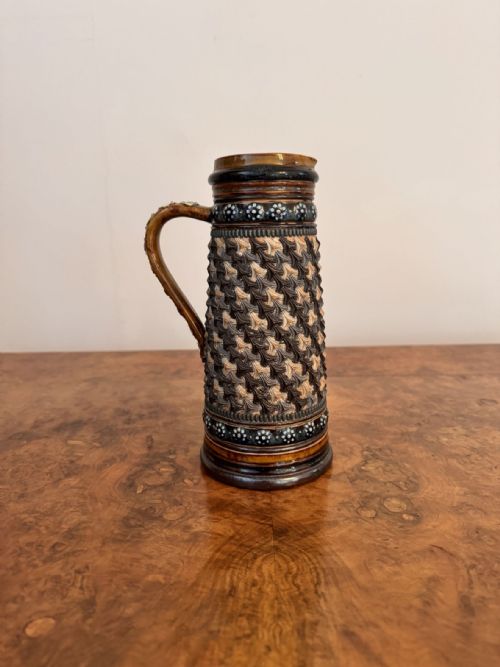
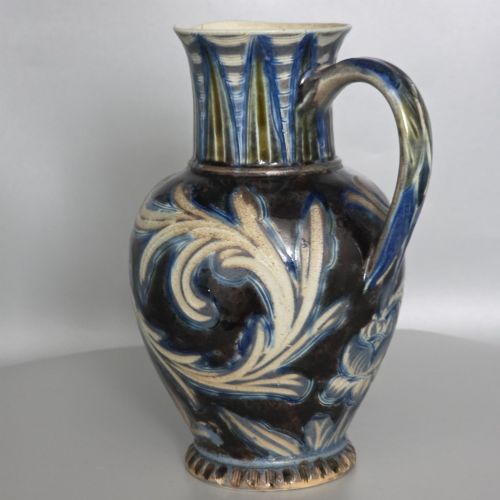
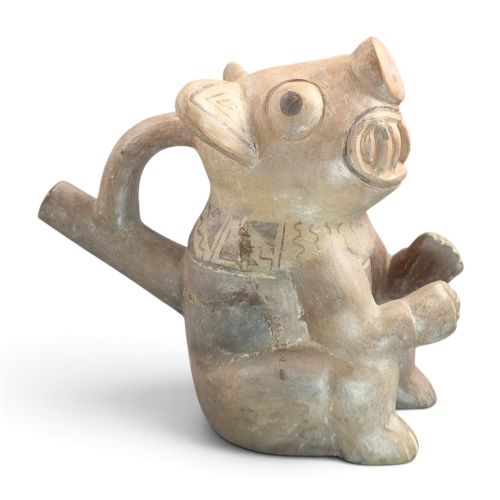
When you search for an antique brown pitcher, you encounter a diverse group of ceramic and stoneware vessels produced primarily across the nineteenth century. The selection ranges from robust tavern jugs and salt glaze harvest vessels to ornate ewers and character Toby jugs. Victorian examples dominate the available offerings, reflecting the heavy industrial and domestic pottery output of that era.
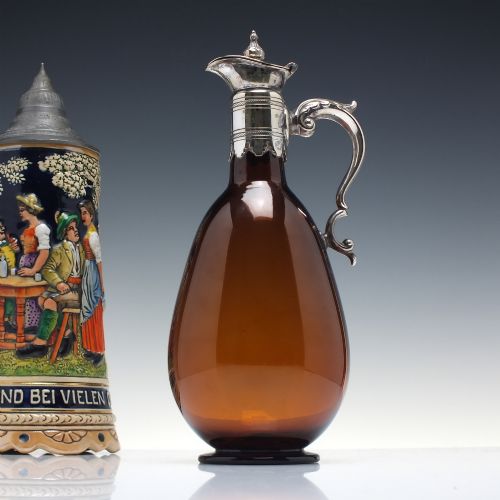
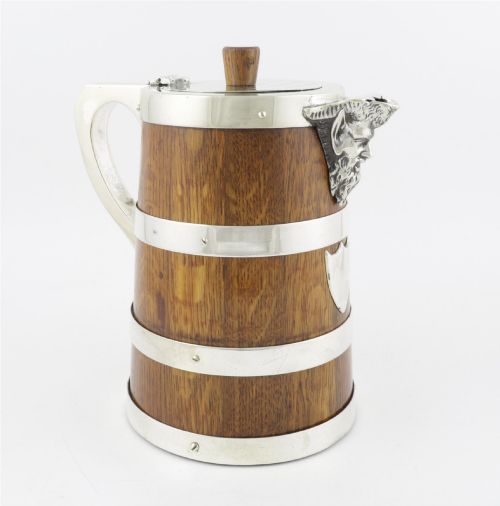
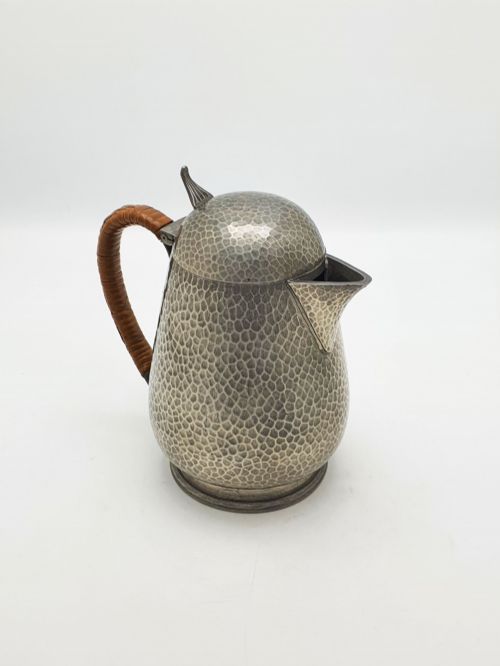
Makers such as Doulton Lambeth feature prominently, alongside Staffordshire potteries and continental workshops. Forms vary from simple utilitarian water cans and ale jugs to decorative display pieces adorned with silver rims or pewter collars. These pieces capture the everyday drinking habits and decorative tastes of past centuries.
Materials and Technique
Potters built these vessels using dense stoneware, earthenware, and terracotta, applying salt glaze, lead glaze, or smooth ceramic finishes to seal the clay bodies. Artisans threw many pieces on a wheel before hand-modelling details, while others emerged from intricate moulds favoured by large factories.
Specialised techniques defined the surface textures, from the pebbled skin of salt glaze to the glossy relief work of majolica and slipware. Metal additions such as silver rims, brass banding, and hinged pewter lids were often fitted by metalworkers to complete the functional design.
Antique Brown Pitcher Retail Price Guide 2026
Typical asking prices for brown pitcher among the pieces listed under this phrase on Sellingantiques today, from the lower quarter to the upper quarter. They describe what is for sale here now, not the wider market.
Some nineteenth-century puzzle jugs feature hidden holes in the neck that magically spill ale on your chin unless you know the secret.
The Distinction of Quality
The division between standard domestic ware and superior examples rests upon the crispness of the moulding and the richness of the glaze application. Pieces bearing named studio signatures or specific factory marks achieve greater distinction through controlled firing and intricate hand-finished detailing.
Proportion and decorative restraint elevate certain vessels above mass-produced items. The integration of precious metal mounts, such as sterling silver collars on stoneware bodies, signals a higher grade of manufacture intended for affluent households.
Villeroy and Boch·Doulton Lambeth·Royal Doulton·Emma Shute·George Jones
The Antique Brown Pitcher Glossary
- Stoneware
- A sturdy, vitrified pottery type fired at high temperatures, rendering it impervious to liquids without requiring complex glazing.
- Salt glaze
- A glassy, textured finish achieved by throwing common salt into the kiln during high-temperature firing, creating a distinctive orange-peel surface.
- Toby jug
- A pottery jug modelled in the likeness of a stout, cheerful man usually wearing a tricorn hat and holding a mug of ale.
- Ewer
- A large pitcher with a wide spout and flared base, traditionally used for holding water or wine at the table.
- Slipware
- Pottery decorated with a thin mixture of clay and water applied before firing to create contrasting surface patterns.
Antique Brown Pitcher: Frequently Asked Questions
What is an antique brown pitcher used for?
These pitchers originally served practical domestic roles, holding ale, water, milk, or oil for everyday household consumption.
Today, collectors utilise them as decorative floral vases, shelf displays, or centrepieces that bring historic character to modern interiors.
How do I date a stoneware jug?
Dating relies on identifying factory marks, stylistic traits of the period such as Art Nouveau curves, and the specific composition of the glaze.
Stylistic shifts from Georgian simplicity to Victorian ornamentation provide clear chronological markers for each piece.
What is a harvest jug?
Harvest jugs were large stoneware vessels traditionally filled with ale and carried into the fields during the autumn harvest celebrations.
They frequently feature moulded hunting scenes, rustic brown salt glazes, and occasionally inscribed verses or silver rims.
Are these pitchers waterproof?
Stoneware and glazed earthenware pitchers are generally non-porous and capable of holding water safely for everyday display.
Older slipware or unglazed terracotta pieces require caution, as microscopic fissures from age can sometimes permit slow seepage.