
Antique Brown Credenza
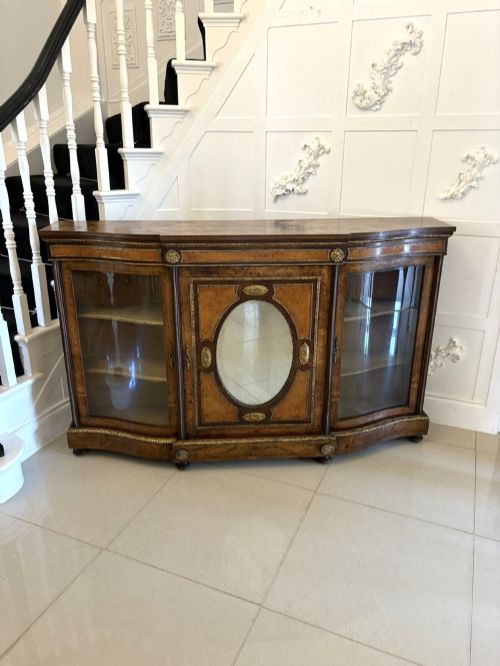
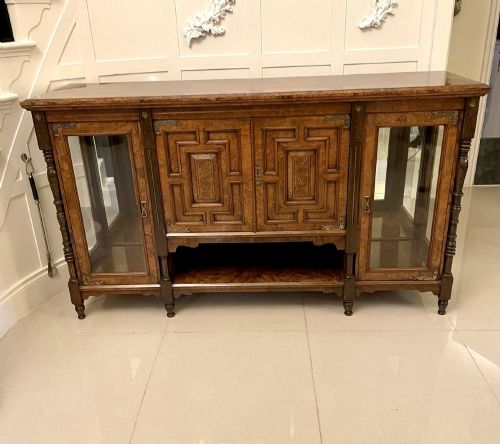
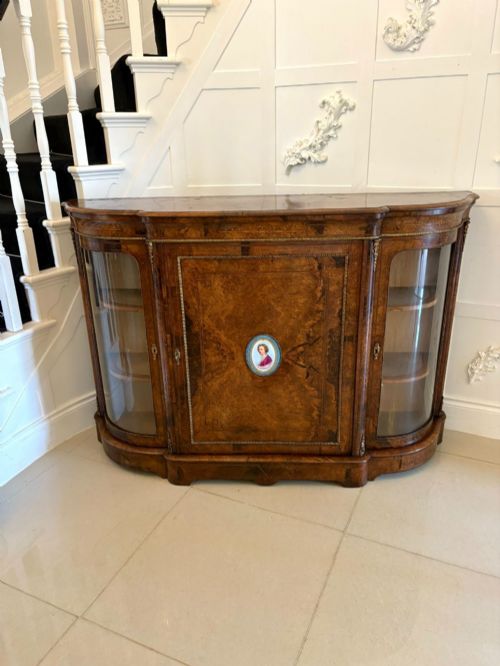
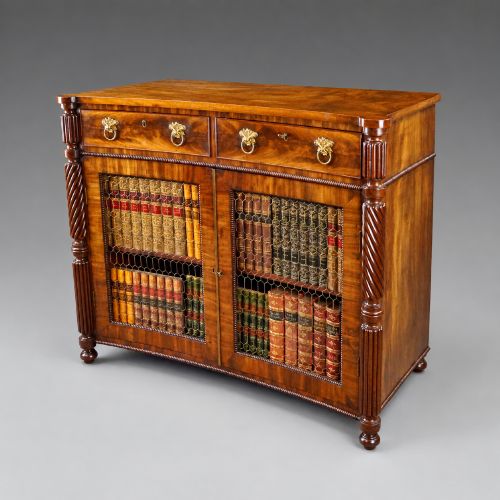
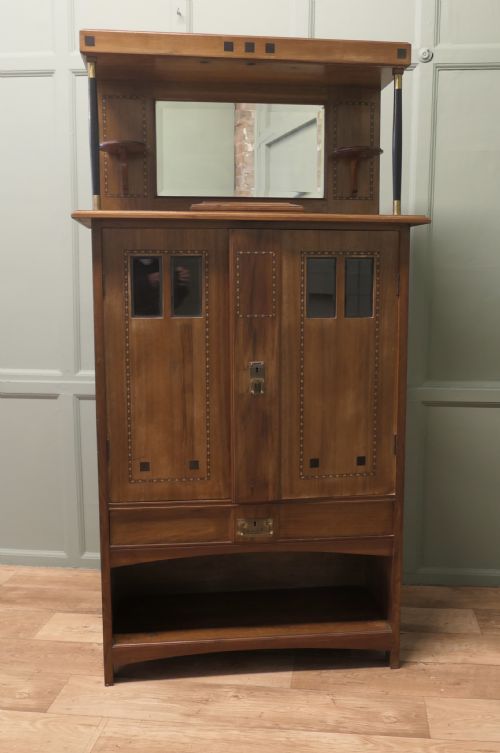
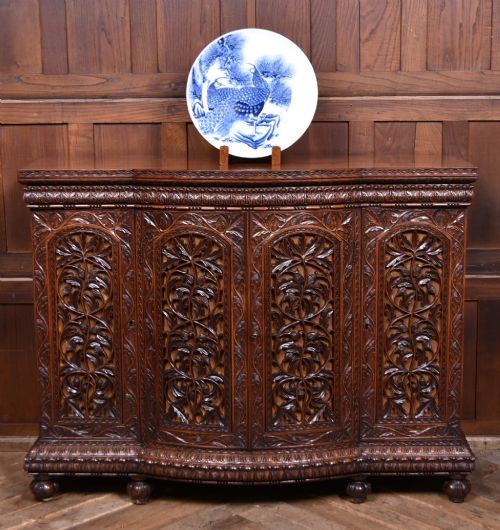
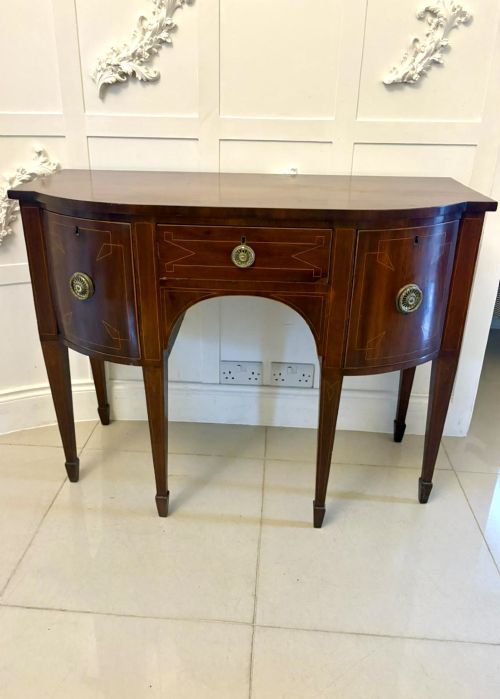
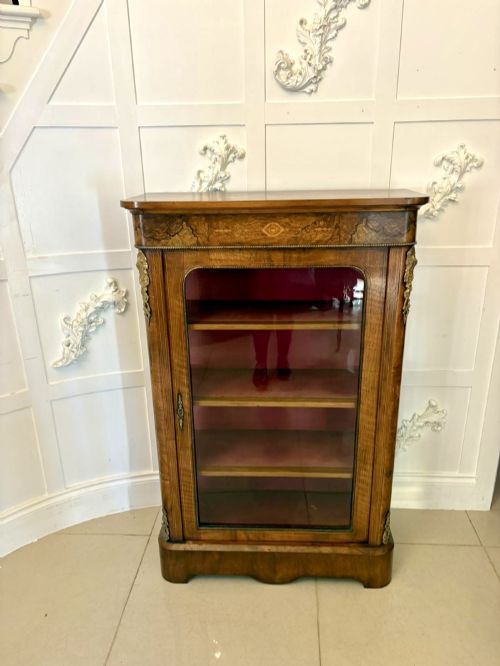
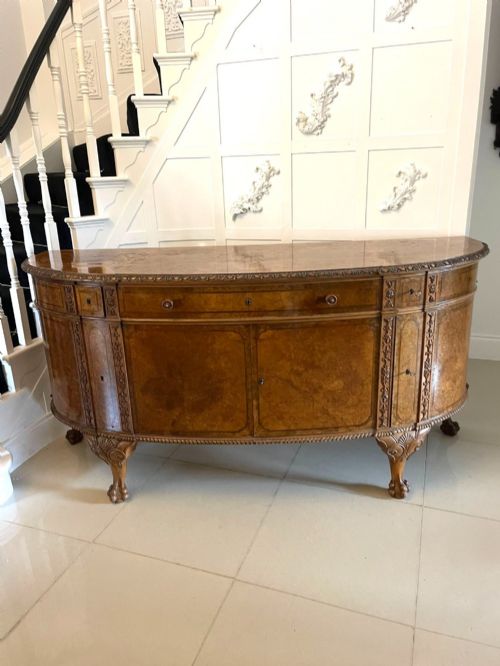
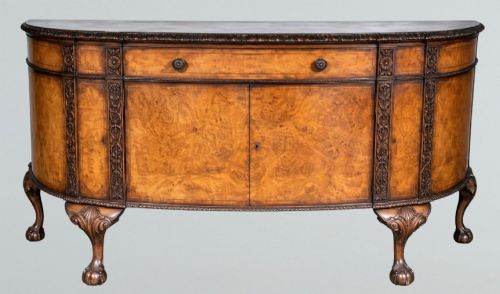
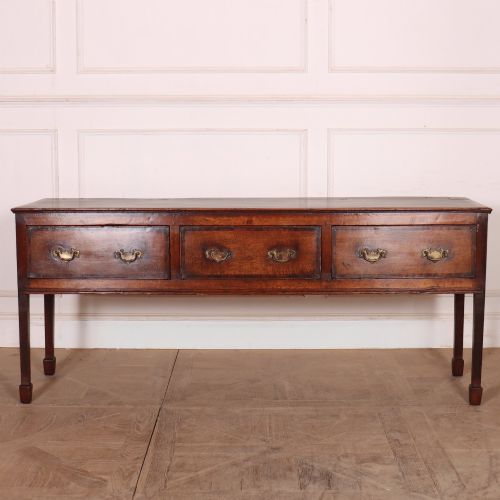
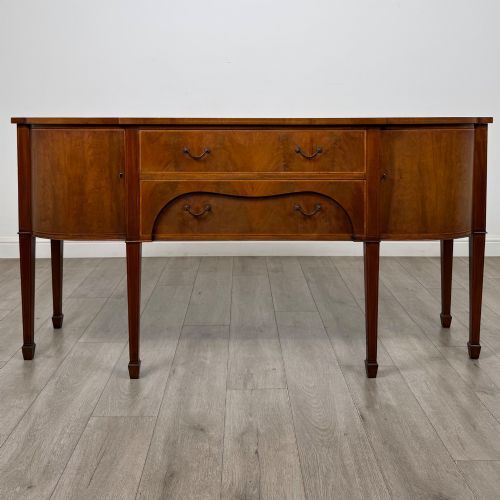
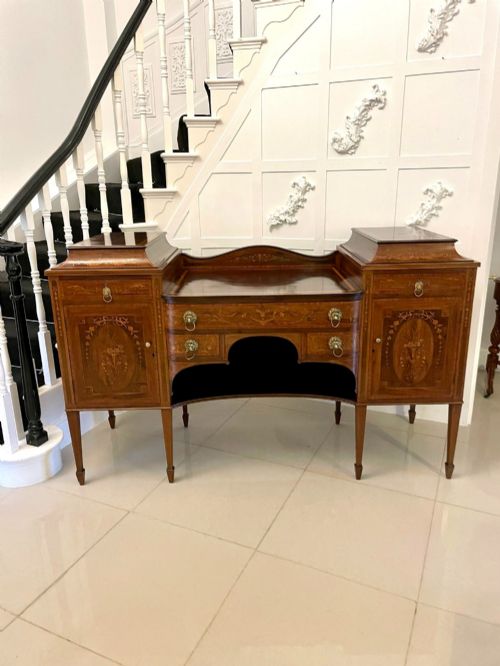
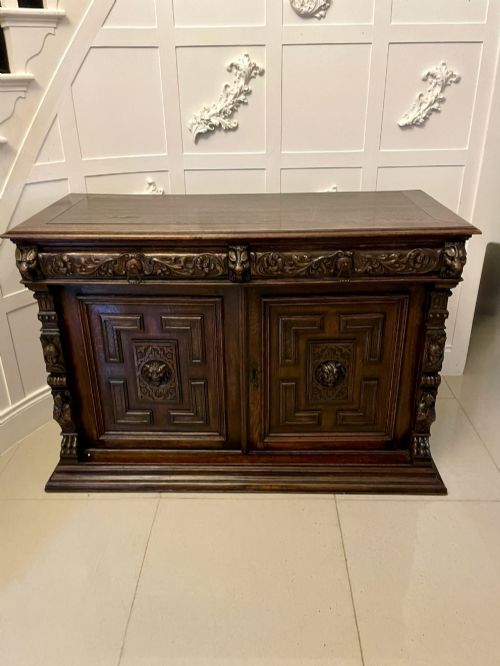
An antique brown credenza brings rich timber tones and formal storage to a room, drawing the eye with burr walnut, mahogany, and oak.
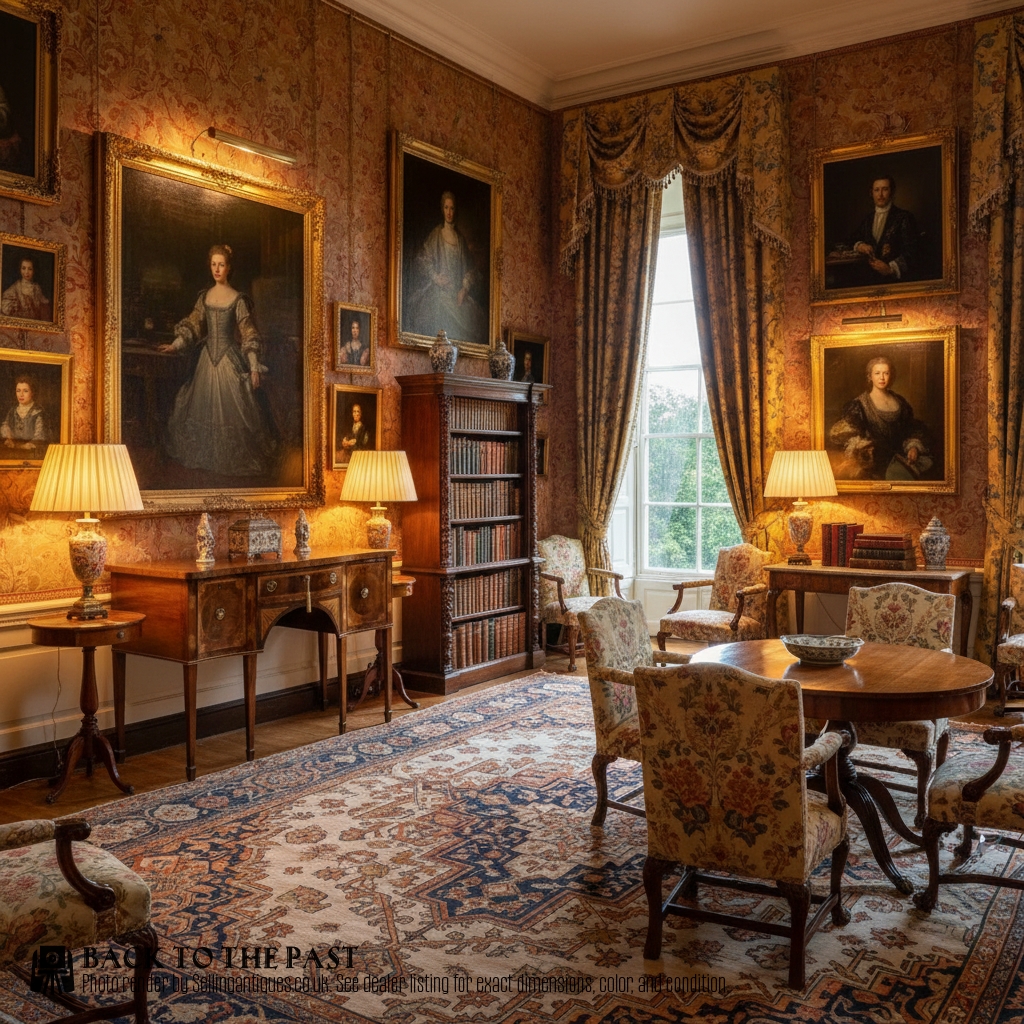
Antique Brown Credenza
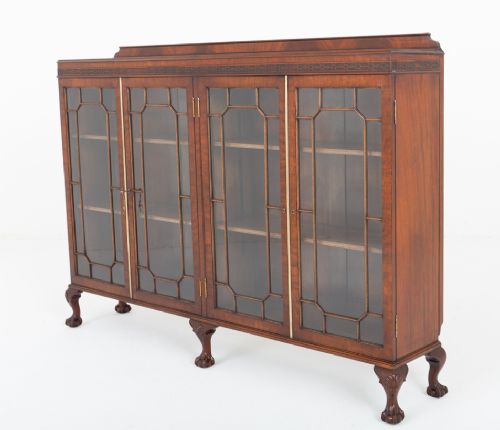
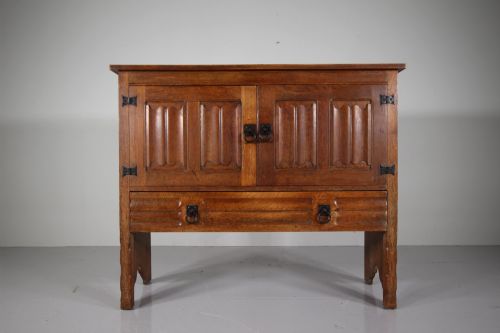
When searching for an antique brown credenza, buyers encounter a variety of substantial timber storage furniture spanning several centuries. The selections on this page encompass sideboards, side cabinets, commodes, and chiffoniers from the eighteenth, nineteenth, and early twentieth centuries.
The most common formats in this brown timber category are Victorian burr walnut side cabinets and Georgian mahogany sideboards. These pieces served primarily to store dining silver, linen, and glassware, or to display decorative porcelain in formal rooms.
Origins range across English regional workshops, London cabinet makers, French ateliers, and Italian makers. The stylistic vocabulary moves from Georgian restraint through Victorian marquetry to Edwardian revivalism and Art Deco curves.
Materials and construction
Cabinet makers utilised dense native and imported timbers, frequently applying figured veneers such as burr walnut and mahogany over solid oak or pine carcases. Marquetry inlay, brass hardware, and ormolu mounts added decorative contrast to the dark brown wood surfaces.
Joinery methods relied on hand-cut dovetails for drawers and mortise and tenon frames for structural stability. Surfaces were hand-polished with shellac or wax to build a deep lustre that highlights the natural grain variations of the timber.
Antique Brown Credenza Retail Price Guide 2026
Typical asking prices for brown credenza among the pieces listed under this phrase on Sellingantiques today, from the lower quarter to the upper quarter. They describe what is for sale here now, not the wider market.
Several vintage walnut servers arrive with their original twelve-piece cutlery sets intact, ready for immediate dinner party service.
Judging quality and craftsmanship
Superior examples distinguish themselves through the selection of timber veneers, where grain patterns match symmetrically across drawer fronts and cabinet doors. Fine marquetry, precise brass mounts, and crisply carved details elevate a piece above standard workshop production.
The integrity of the internal construction, including secondary timbers used for drawer linings and backboards, indicates the standard of the original workshop. Original surface patination and minimal timber replacement preserve the historical character of the piece.
Hewetsons London·Shoolbred & Co·Collinson & Lock·Grand Ducal Workshops
The Antique Brown Credenza Glossary
- Marquetry
- Decorative patterns formed by fitting together thin slices of contrasting timber and veneer. Craftsmen arrange these pieces to create floral or geometric designs across the surface.
- Burr walnut
- Timber taken from the abnormal growth of a walnut tree, producing intricate, swirling grain patterns. It is sliced into veneers for high-status cabinet doors and tops.
- Ormolu
- Gilded bronze used for decorative mounts, handles, and feet on nineteenth-century furniture. It provides a bright metallic contrast to dark brown wood.
- Chiffonier
- A low sideboard or cabinet developed in the nineteenth century, often fitted with a small shelf on top for display.
Antique Brown Credenza: Frequently Asked Questions
Where should I place a credenza?
These low cabinets suit dining rooms, living spaces, and wide hallways where surface space and concealed storage are both required. Their low profile prevents them from dominating smaller rooms while still offering substantial capacity.
Position the piece against a solid wall away from direct heat sources to protect the timber veneers and polished finish from drying out over time.
How do I clean the wood surface?
Dust the timber regularly with a soft, dry cloth to prevent particles from settling into the grain and carved details. Avoid modern silicone sprays, which can build up and soften the traditional wax or shellac finish.
Apply a quality beeswax polish sparingly once or twice a year to nourish the timber and maintain the soft sheen characteristic of older brown furniture.
How can I tell the period?
Examine the secondary timbers inside drawers and at the back of the cabinet, as pine and oak usage shifted across centuries. Hand-cut dovetails, timber shrinkage patterns, and the style of brass handles offer reliable clues to the date of manufacture.
Stylistic markers such as Victorian marquetry, Georgian bracket feet, or Edwardian stringing help narrow down the decade in which the workshop built the piece.
What is the difference between a sideboard and a credenza?
While both provide storage in dining spaces, traditional sideboards often feature multiple drawers and cupboards arranged in a linear layout. Credenzas historically incorporated enclosed side cabinets and central display sections with more decorative hardware.
Over time, these terms overlapped as cabinet makers adapted forms to suit changing domestic fashions in the nineteenth and twentieth centuries.